REVIEW · BUDAPEST
Budapest: 3-Hour Walking Tour About Communism (Small Group)
Book on GetYourGuide →Operated by Budapest Explorers · Bookable on GetYourGuide
Budapest turns political facts into street-level stories. This 3-hour small-group walk in Pest uses a historian-style explanation of Communism, then grounds it in what you can still spot on the streets—plus personal family memories from the era. You’ll also ride the red M2 subway and end with a drink in a retro café that feels frozen in time.
I really like two things here. First, the historian guide approach: you get context on how Communist ideology landed, how it was used to govern, and what the legacy looks like afterward. Second, the retro café stop: a drink turns the facts into something human, and the conversation keeps the tone thoughtful rather than textbook.
One possible drawback: the topic is heavy. If you prefer a lighter city walk or you want a super strict, start-to-finish timeline only, you may want to keep your expectations realistic, because the tour mixes major events with symbolism, everyday details, and family anecdotes.
In This Review
- Key things that make this tour worth your time
- Entering Communist Budapest: why this walk feels different
- Who this tour suits best
- From Kempinski Corvinus and Deák tér into the story
- What you’ll notice along the way
- The historian guide style: context you can actually use
- A note on how the pacing feels
- Riding Budapest’s red M2 subway (included)
- The retro café drink: politics softened by conversation
- Family stories and everyday details: where ideology becomes real
- The best moment to ask questions
- Price and value for a 3-hour, small-group format
- Logistics you can handle without stress
- Should you book the Budapest Communism walking tour?
- FAQ
- FAQ
- How long is the tour?
- What does the tour cost?
- Where do I meet the guide?
- What language is the tour guide?
- Is it a small group tour?
- What transportation is included?
- Is there food or a drink included?
- Is there a cancellation policy?
Key things that make this tour worth your time
- Historian-led explanation that connects ideology to what you see in Budapest today
- Family stories that bring hardship and humor into the same frame
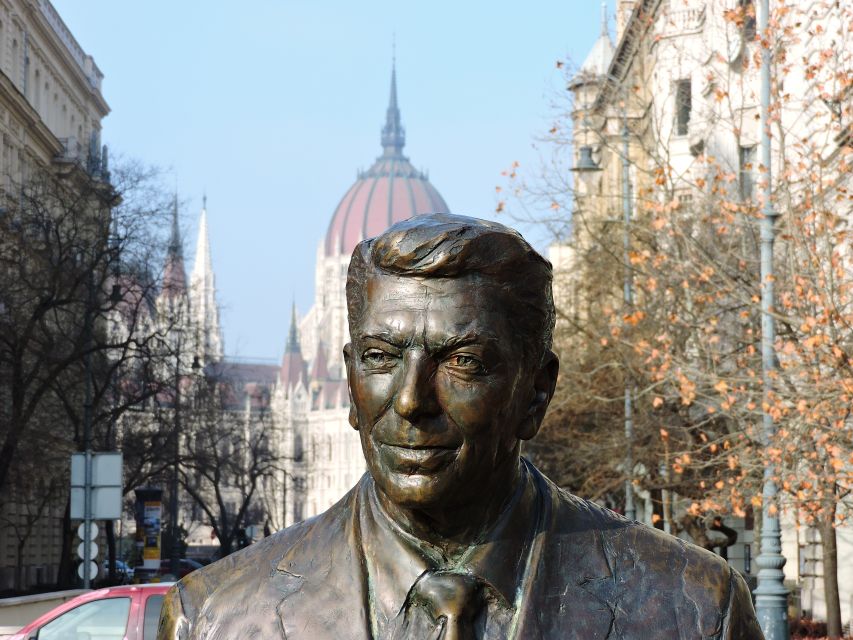
- Bullet-hole remnants and political symbols you can read once you know what they meant
- M2 metro ride on the red line, included with a transportation ticket
- Retro café drink in a place that has barely changed since the early 1960s and the 1970s
Entering Communist Budapest: why this walk feels different
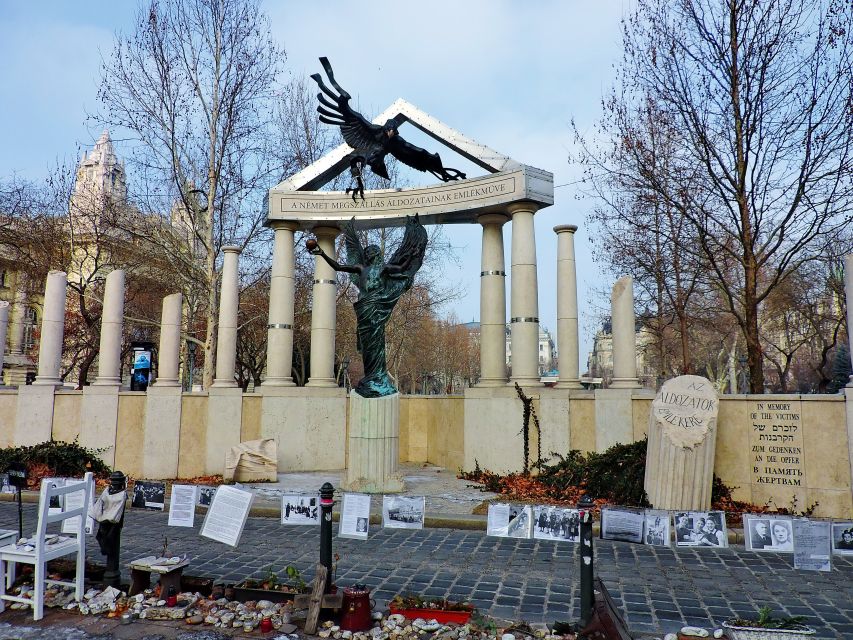
Communism in Central Europe can sound like a chapter from a history book. This tour avoids that trap by treating the city like evidence. You start in central Pest and move through areas where you can still find the “after” of WWII, the 1956 revolution, and the long stretch toward 1989 and the early 90s. That’s what makes the experience click: you’re not only learning what happened—you’re learning how power showed up in daily life and how the city kept its scars.
The tone is also interactive. All questions are welcome, and the guides make room for back-and-forth discussion. In the reviews, people repeatedly mention how guides like Judith and Greg (and others, including Zsuzsanna, Monica, and Gergely) didn’t just talk at the group—they explained ideas and then stayed ready for your follow-ups.
For the “what will I get” side, it’s a clear package for 3 hours: you’ll walk, you’ll ride M2, and you’ll end with a drink in that cult retro café. That structure matters in Budapest. You can cover real distance without it turning into an exhausting slog, and the metro + café stops break up the mental load of a political subject.
You can also read our reviews of more walking tours in Budapest



Who this tour suits best
This is a strong fit if you care about:
- modern Hungarian history and politics
- how ideology affects everyday life
- reading symbols on buildings and streets without needing a museum ticket
It’s less ideal if you mainly want postcard sights with zero political context, or if you want a purely chronological lecture with no digressions into pop culture, street art, and small daily details (those “side roads” are part of the point here).
From Kempinski Corvinus and Deák tér into the story
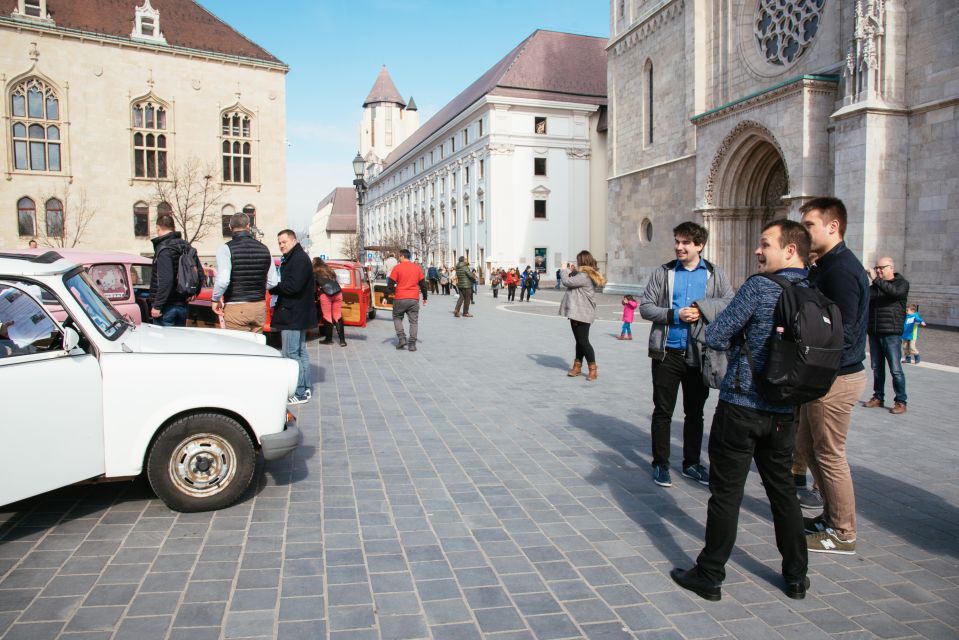
You’ll meet in front of Kempinski Hotel Corvinus Budapest, facing the Ferris wheel on Erzsébet tér. It’s an easy spot to reach because you can use M1/M2/M3 to Deák Ferenc tér and connect by buses and trams as needed. Once the group is together, the walk heads into one of Pest’s most pleasant central areas—then starts pointing out the remnants of the Communist era.
That “pleasant areas” detail is important. Budapest looks romantic, even graceful. The tour uses that contrast on purpose. You’re walking through places that still feel part of everyday life, and the guide helps you see the older political layer underneath: ideology expressed through symbols, public messaging, and the way people navigated the system.
You’ll also hear about how the story changes across generations. The tour is built around the idea of understanding Communism as something that arrived, ruled, and left a legacy—not just something Hungarians lived through at one moment in time. The events that anchor the narrative include WWII, the 1956 revolution, and then the path toward 1989/early 90s.
What you’ll notice along the way
You should expect a lot more than just big monuments. The most praised guides are the ones who point out:
- small signs and symbols that don’t read clearly on a quick pass
- everyday details that connect politics to ordinary routines
- even street art and pop culture references that show how history still lingers in modern language
And yes, you’ll hear about visible scars—there’s mention of bullet holes in the area. That’s one of those moments where the guide turns a detail you might otherwise ignore into a story about what was happening and how it shaped the city’s psychology.
The historian guide style: context you can actually use
The guide is the core of this tour, and the reviews are consistent: the best parts are how the guide explains the “why” behind what you see.
In plain terms, that means you’re not only told the events. You’re given the logic of Communist ideology—how it was used to justify control, how it affected institutions and daily life, and why the legacy still matters for understanding Hungary today. Several guides are described as passionate and fast at answering questions, including Greg, Gergely, and Virág in specific mentions.
This is also where the tour earns its small-group format. With a cap of 10 participants, you’re more likely to get discussion rather than just a guided march. If you’re the type who asks “but why would they do that?” the structure supports you.
You can also read our reviews of more tours and experiences in Budapest



A note on how the pacing feels
One review raised a fair point: the tour may not feel like a strict, chronological lecture from start to finish. It mixes events with symbolism and personal anecdotes, so if you need every date in perfect order to feel satisfied, you might want to frame it as a “how the city talks about Communism” tour rather than a timeline quiz.
The flip side is that this approach can make the material more memorable. Instead of memorizing dates, you start recognizing patterns in the city’s visual language and in the way people describe the past.
Riding Budapest’s red M2 subway (included)
Midway through, you’ll ride the red M2 subway line. It’s not just a transport break. The tour includes the transportation ticket, and the ride helps you shift from “street viewing mode” to “city viewing mode.”
Why this matters: Budapest’s public transport is part of how the city functions. Using transit during a history tour helps you experience the city as people actually experience it now. You also get a physical reset before the final stop, when you’re ready to process what you just learned with a less intense atmosphere.
It’s also a nice way to keep the group together without losing momentum. Walking tours can stretch; metro rides compress time and make the whole experience feel smoother.
The retro café drink: politics softened by conversation
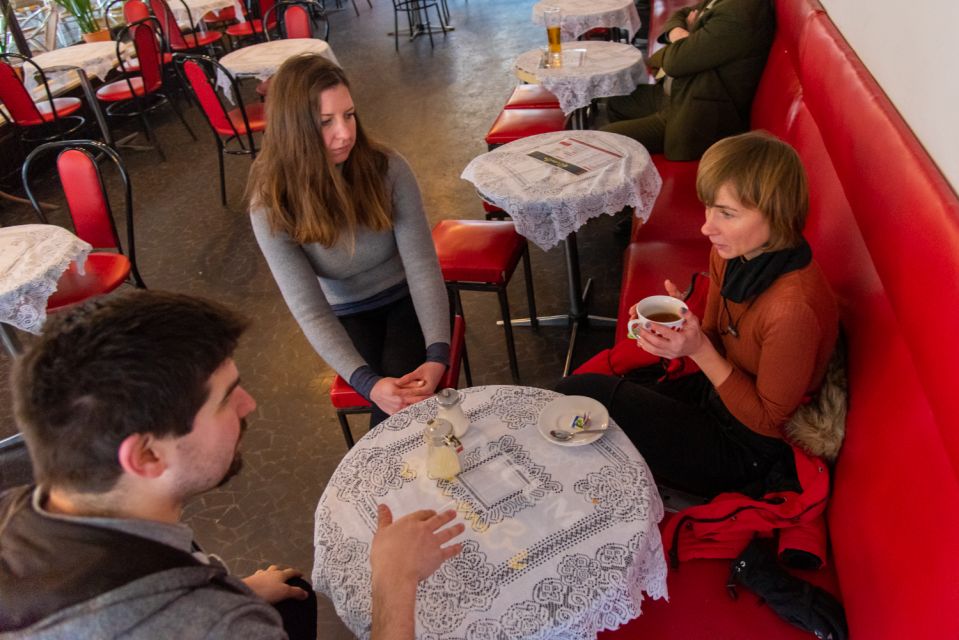
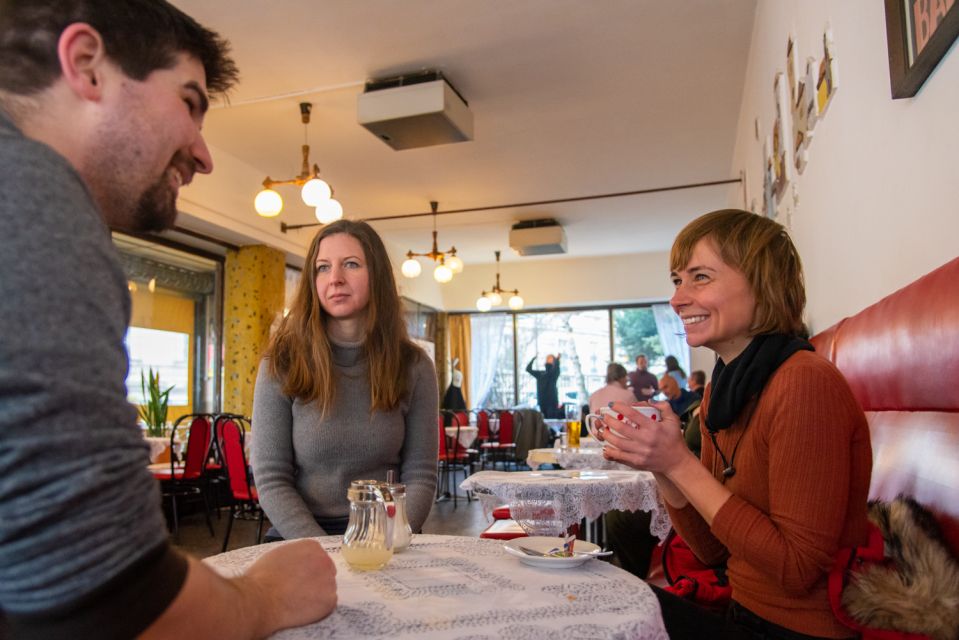
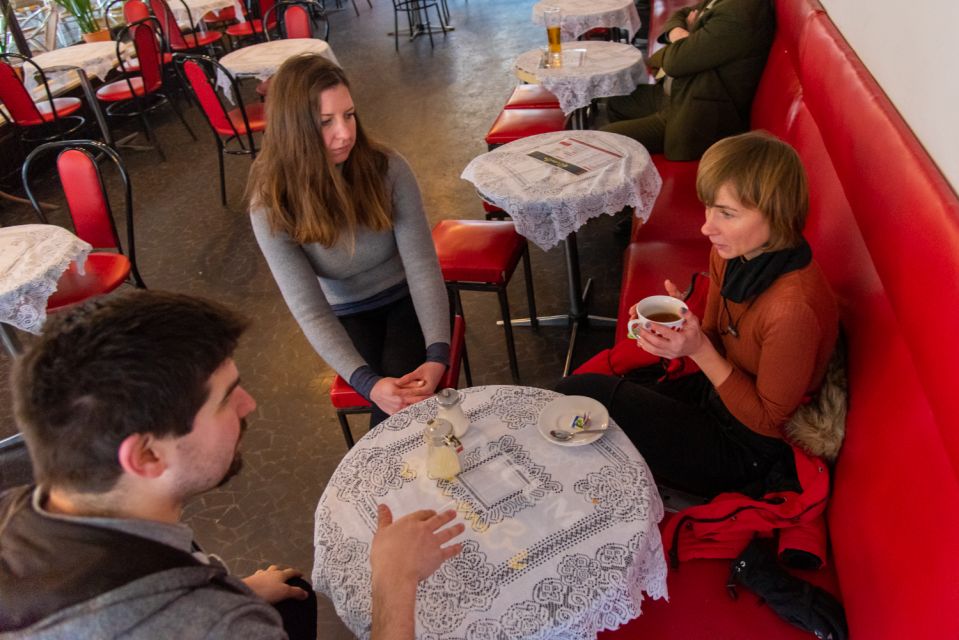
The tour ends with a drink in a cult retro café that has changed very little since the 1970s, with the bar itself noted as opening in 1961. That’s a vivid detail. It means you’re not just told to imagine the past—you’re literally sitting in a space that still carries old design choices, old rhythms, and an old sense of normal.
This is where the experience earns its “history with a human face” reputation. After the walking and metro, the café conversation lets the guide shift from explanation to reflection: what life felt like under the system, what people found funny or frustrating, and how memories are passed down in families.
The best guides are the ones who can hold two ideas at once:
- Communism shaped daily life in real ways
- People still found ways to live, joke, adapt, and survive
You’ll hear that blend in the family stories shared by the guide. In multiple reviews, guides are praised for telling stories they learned from family and friends, including the personal angle of growing up in Hungary. That’s what makes this stop more than a tourist drink. It’s part of the learning.
Family stories and everyday details: where ideology becomes real
If you care about history, the big concepts are fascinating. But the emotional truth usually lives in the small stuff: what people did to get by, what people avoided, what felt unsafe, and what felt absurd.
That’s exactly what this tour focuses on. Guides share personal family stories from the Communism era—along with comic moments, hardships, and the kinds of choices ordinary people had to make. This is repeated across reviews: people come away feeling they have a deeper understanding not only of Hungarian history, but of Hungarian culture and the way people talk about the past.
One review specifically praised a guide for pointing out street art, pop culture references, and small everyday details that show how history still shows up today. That approach helps you read Budapest as more than a museum. It’s a living conversation between then and now.
The best moment to ask questions
In a tour like this, your best questions aren’t only “what happened?” They’re also:
- how did people understand the system at the time?
- what did it do to daily routines?
- what changed after 1989, and what didn’t?
Because the tour is built around real conversation, you’ll likely get answers that connect back to what you just saw.
Price and value for a 3-hour, small-group format
At $57 per person for 3 hours, this is priced for a guided experience that includes more than walking. You get:
- an expert guide (live, English)
- a drink in the retro café
- an included transportation ticket for the subway (M2)
For value, the best part isn’t only the price tag. It’s what’s bundled. If you tried to copy this day on your own, you’d need to line up a guide who can explain Communist ideology in context, plus you’d still want the metro and a structured stop where the guide can turn the story into conversation.
Also, the guide ratio matters. With a small group capped at 10, you’re paying for interaction, not just a soundtrack of facts.
Logistics you can handle without stress
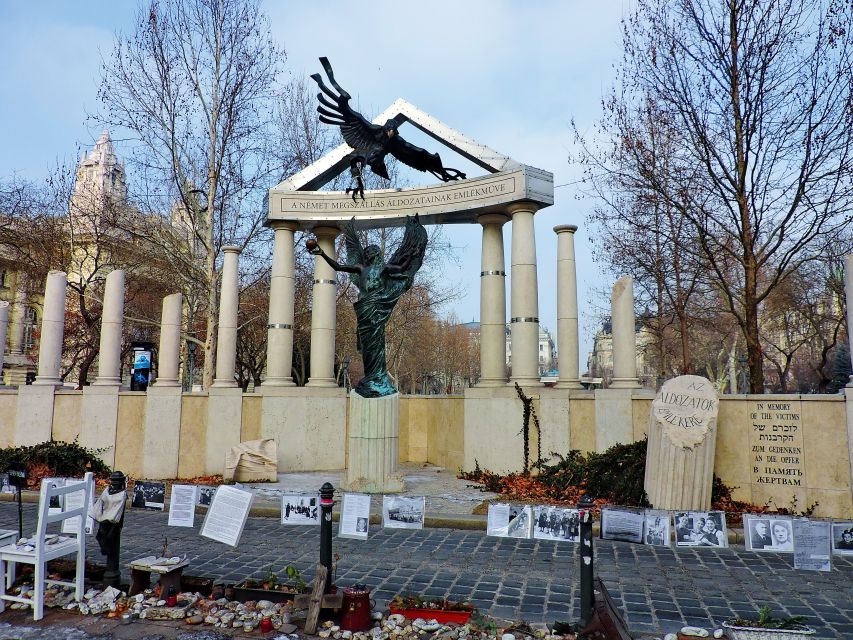
This is a straightforward day plan. You’ll start in central Pest, walk through key areas where remnants of WWII through the late Communist period show up in visible details and symbolism, ride the M2 subway, and end with a drink at the retro café.
Language is English, and the tour is set up for discussion and questions. The duration is fixed at 3 hours, which is ideal if you want political context without losing most of a day.
If you’re trying to fit it into a sightseeing lineup, build it around your interest in modern history. It pairs nicely with other Budapest walks, but it works especially well if you haven’t yet learned how to interpret the city’s political visuals.
Should you book the Budapest Communism walking tour?
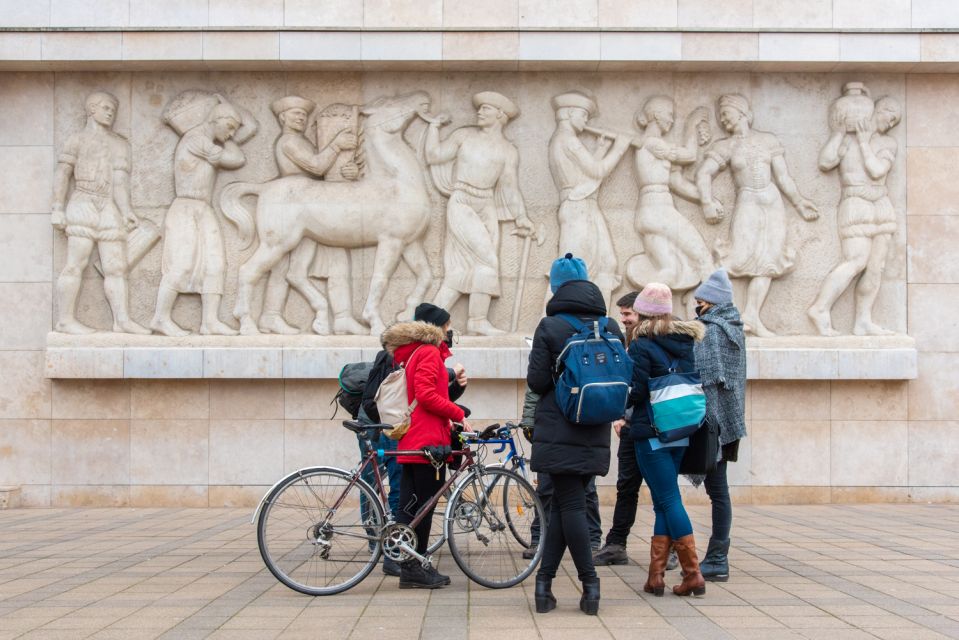
I’d book it if you want your history hands-on. This tour is built for people who like meaning in places—people who enjoy seeing how big political systems show up in street-level details, and who don’t mind that the topic includes serious moments.
I wouldn’t book it as a first-choice if you’re avoiding politics, or if you need a strict chronological timeline only. The tour’s style mixes events, symbolism, and personal anecdotes, and that may not match your preferred learning format.
If you’re curious, start here. The combination of historian-led context, real family stories, an included M2 ride, and a retro café drink makes it feel like Budapest’s 20th-century story told in the only way that really sticks: through the city you can still walk through today.
FAQ
FAQ
How long is the tour?
The tour lasts 3 hours.
What does the tour cost?
The price is $57 per person.
Where do I meet the guide?
You meet in front of Kempinski Hotel Corvinus Budapest, facing the Ferris wheel on Erzsébet square (Erzsébet tér 7, 1051).
What language is the tour guide?
The tour is conducted in English.
Is it a small group tour?
Yes. It’s limited to a small group of up to 10 participants.
What transportation is included?
The tour includes a subway ride on the red M2 line, with a transportation ticket included.
Is there food or a drink included?
Yes. The tour includes a drink in a retro café that has changed very little since the early 1960s/1970s era.
Is there a cancellation policy?
Free cancellation is available up to 24 hours in advance for a full refund.