REVIEW · BUDAPEST
2 Hours Buda Castle Walking Tour – Walk with a Historian
Book on GetYourGuide →Operated by Kálmán Dániel - Walk with a Historian · Bookable on GetYourGuide
One of Budapest’s most historic neighborhoods gets a smart, guided walk. You’ll cover Matthias Church and the Buda Castle district with a historian guide, plus a stop at a Jewish synagogue-museum that adds a side of the story you don’t usually get. One thing to consider: you’ll be on your feet for the full 2 hours, and the best payoff comes when you like history and details about streets, not just photos.
I especially like the way the tour moves from the civilian quarter up to the old seat of Hungarian kings, connecting medieval, Ottoman-era marks, and later modern changes in one route. I also like the built-in museum and church access, so you’re not just walking past things. If you want a mostly relaxing stroll with minimal stops, this might feel a bit too “talk-first.”
In This Review
- Key highlights to look forward to
- Why this Buda Castle walk works in 2 hours
- Starting point: finding the Lutheran Church by the Castle Gate
- The civilian quarter to the royal seat: how the route teaches history
- Bécsi kapu Square and the small synagogue-museum stop
- Mary Magdalene Church remains: history you can almost feel
- Matthias Church: the landmark you’ll understand better after the walk
- Buda Castle itself: kings, power, and why the setting matters
- Street tales you’ll notice after the tour
- What’s included (and why that matters for value)
- Who should book this tour
- Tips to get the most out of it
- Should you book 2 Hours Buda Castle Walking Tour – Walk with a Historian?
- FAQ
- Where is the meeting point?
- How long is the tour?
- What does the tour include?
- What languages is the tour offered in?
- What are the main stops during the walk?
- Is food and drink included?
Key highlights to look forward to
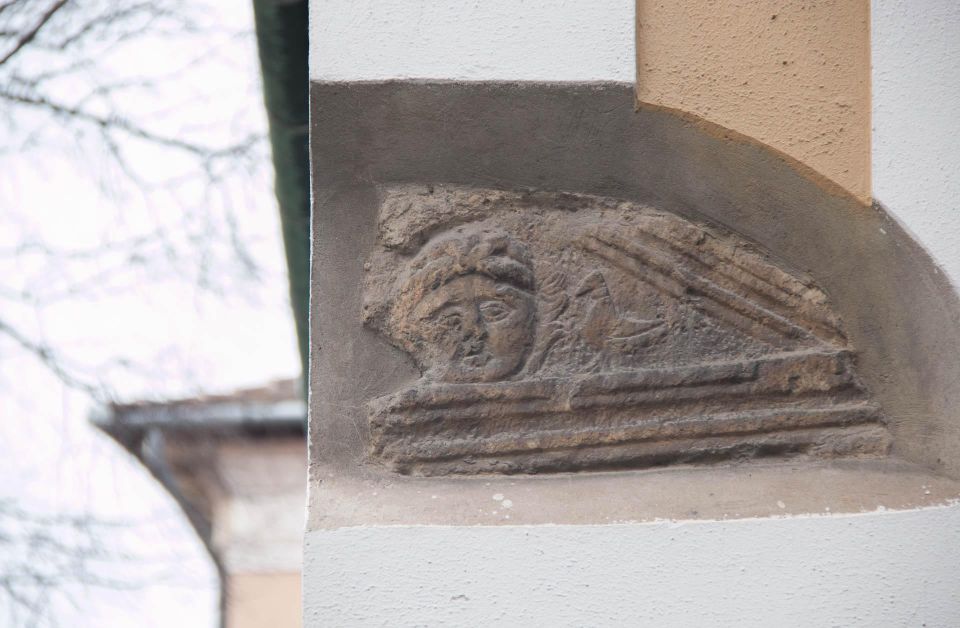
- Field historian guidance that focuses on what you’re actually standing in front of
- Matthias Church entry so the main landmark is more than a view from outside
- Buda Castle Synagogue-Museum visit plus the story of another synagogue that used to be nearby
- Mary Magdalene Church remains for a slower, atmospheric moment on the route
- Buda Castle itself—the old Hungarian kings’ seat—bringing the whole walk together
- Street-level storytelling that treats the district like a living timeline, not a checklist
Why this Buda Castle walk works in 2 hours
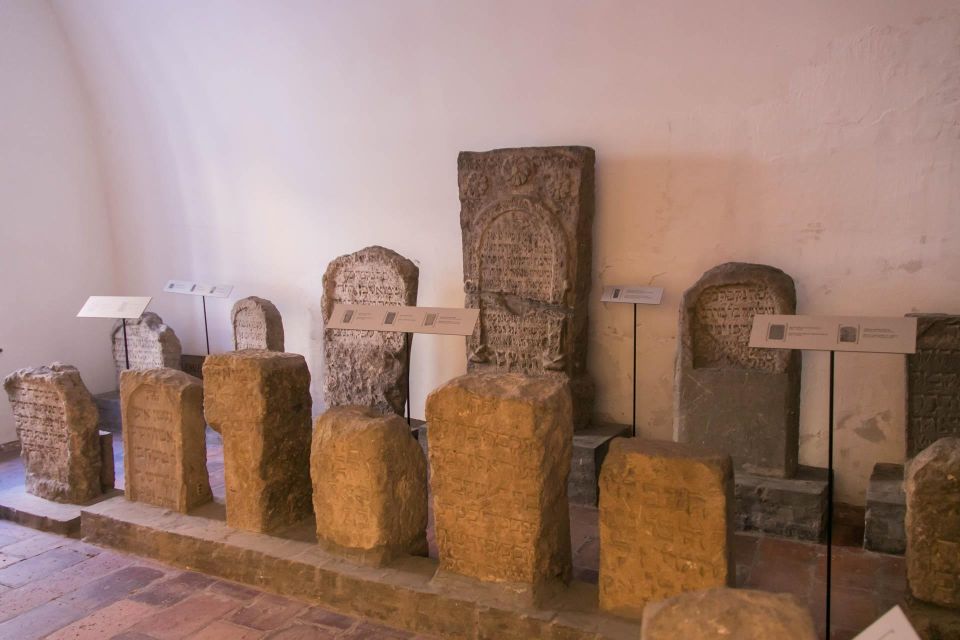
Buda Castle can feel like a blur of stairs, viewpoints, and big names. This tour keeps it focused. In about 2 hours, you get a guided path that ties together the district’s past layers: medieval, Ottoman-era impact, and later modern period changes.
What makes it practical is the pace and the structure. You’re not just handed facts—you’re walked through the geography that explains why these places matter. You start in the civilian area, then gradually move toward the ancient royal seat. That progression helps you understand the difference between “everyday” castle life and the political power centered around the kings.
Also, the guide is a real historian, Kálmán Dániel. The value of a historian guide here is that you’ll learn how the stories fit together: who lived where, what changed over time, and why certain buildings ended up where they are.
You can also read our reviews of more walking tours in Budapest



Starting point: finding the Lutheran Church by the Castle Gate
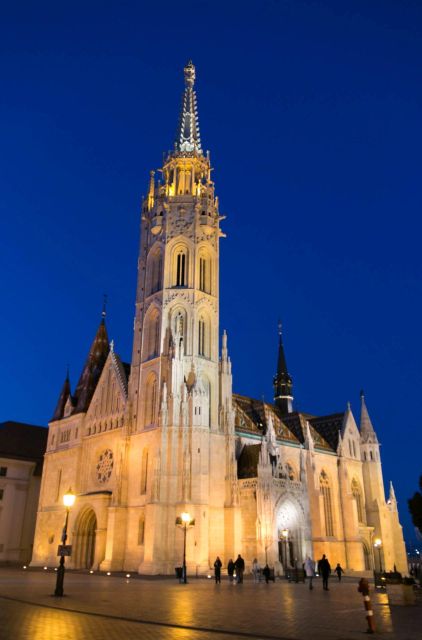
Meet in front of the Lutheran Church of Buda Castle, the white church in front of the Castle Gate. This is helpful because it’s a clear landmark—less guessing, more arriving calm.
From the start, the tour frames the castle area as more than the big monuments. You’re said to begin from Bécsi kapu Square in the civilian quarter. That matters because it sets expectations: you’re starting with the “regular people” side of the story, not only royal power and grand churches.
Practical tip: give yourself a little buffer time to locate the exact spot in front of the church. The castle district has lots of similar-looking stone corners, and you’ll save stress by aiming to arrive a few minutes early.
The civilian quarter to the royal seat: how the route teaches history
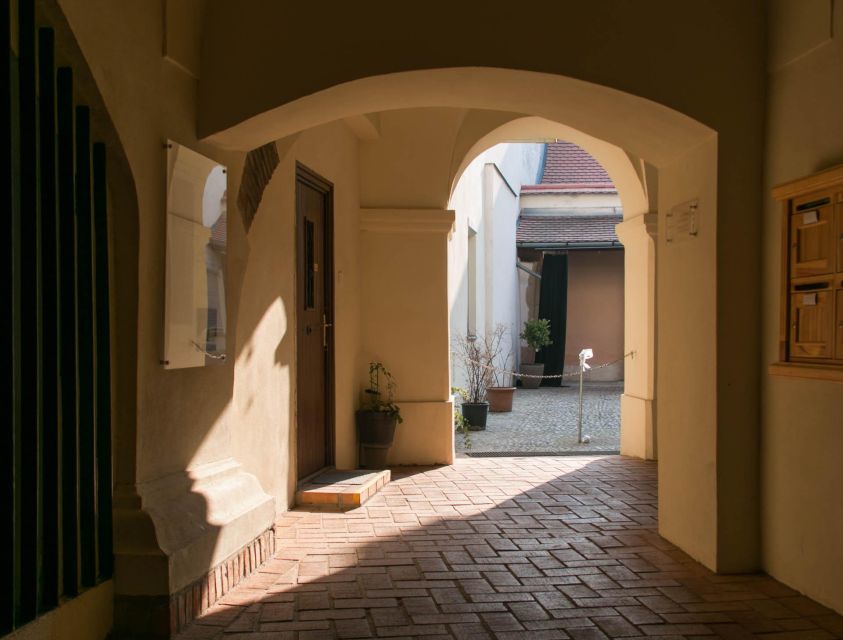
One of my favorite parts of this kind of walk is when the route itself becomes the lesson. Here, it does. The tour is designed to take you from the civilian quarter up to the ancient seat of Hungarian kings.
As you move, you’ll hear how each era left marks on the district—so the streets and buildings don’t feel random. The outline is simple: medieval and Ottoman influences, plus the modern period, all sitting side-by-side in the same neighborhood.
You’ll also learn that the castle district is important for more than one reason. It’s a whole district where politics, religion, and community life overlap. That helps you walk away with a mental map, not just a list of stops.
Bécsi kapu Square and the small synagogue-museum stop
The tour’s first “wow” moment isn’t a giant church façade—it’s a smaller synagogue-museum with a strong story. Starting from Bécsi kapu Square, you’ll visit this unique museum tied to Jewish history in the castle district.
You’ll hear the story behind the smaller site and also about a larger synagogue that used to stand nearby. That contrast is the kind of detail that makes history feel real. It’s not only what survives. It’s also what disappeared, and how that absence still shapes the story of the neighborhood.
Why this is valuable: many visitors only focus on the most famous religious buildings. This stop widens your view and gives you a more complete picture of the district as a place where different communities lived and worshiped.
Mary Magdalene Church remains: history you can almost feel
Next, you visit the remains of the Mary Magdalene Church. This is one of those stops where the setting does part of the work for the guide.
Remains are different from restored buildings. They often make you slow down. You’re not just looking at something intact—you’re learning from what’s left, and what that suggests about changes over time. It’s a nice counterbalance to the larger, more “official” monument energy later.
If you like atmosphere and context, this is the moment to pay extra attention. Even if you’re not a history fanatic, the guide’s storytelling should help you understand why a ruin matters.
You can also read our reviews of more tours and experiences in Budapest






Matthias Church: the landmark you’ll understand better after the walk

Then comes the centerpiece: Matthias Church. You don’t just see it from the street; the tour includes entry, which makes a huge difference.
Inside access means you can connect what you’ve been hearing about the district’s timeline to the building itself. You’ll get to see the church in fuller glory rather than treating it as a photo stop. For many people, this is the “finally, the famous place” moment—and the fact that it comes after the earlier stops helps it land better.
Also, by the time you reach Matthias Church, you’ve already heard stories about the district’s layers. So instead of thinking, I’m looking at one great monument, you’re more likely to think: this is where multiple eras intersect, and the church is a major anchor in that story.
Buda Castle itself: kings, power, and why the setting matters
After the church, you explore Buda Castle itself—the old seat of the Hungarian kings. This is where the walk’s arc pays off. You’ve moved from civilian life to royal power, and now you stand in the space that used to carry the weight of the kingdom.
The value here is the combination of place + explanation. The castle isn’t just a view point. It’s the end point of the story the guide is building.
If you’re the type of person who likes understanding why a place is arranged the way it is, you’ll enjoy this section. The guide helps you connect the idea of political authority to the physical layout of the district.
Street tales you’ll notice after the tour

One of the most underrated parts of walking tours is what happens on the “in-between” streets. Here, the streets themselves are part of the lesson.
You’ll hear tales surrounding street names and nearby sights, and you’ll learn that the castle district is full of small, less-known details. The tour is positioned as both highlights and more obscure spots—things even many locals might not point out quickly.
For you, that translates into a better self-guided experience afterward. Even if you return later, you’ll start spotting meaning. You’ll read the neighborhood differently.
What’s included (and why that matters for value)
This tour includes:
- a field expert historian guide
- Matthias Church entry
- entry to the Jewish Synagogue-Museum
- the walking tour itself
And it’s priced at $49 per person for a 2-hour experience. On paper, that’s not a cheap ticket. In practice, it’s easier to call it good value because you’re paying for more than walking time. You’re paying for a specialist guide plus specific entry costs tied to two major indoor stops.
If you were doing this on your own, you’d still pay for church and museum access, and you’d spend extra time figuring out how everything connects. Here, the guide handles the “connective tissue,” so your time in the district feels intentional.
Who should book this tour
This tour is a great match if you:
- want history that explains the district, not just dates
- like learning from a real guide who can connect buildings and streets
- enjoy seeing religious and cultural history side-by-side in one route
- want two focused hours rather than a half-day shuffle
It’s less ideal if you:
- only want photo stops and big views with minimal talking
- dislike guided tours that include multiple indoor entries
Tips to get the most out of it
Because this is a 2-hour walk, your comfort matters. Wear shoes you’re happy to spend time in. The castle district can mean uneven stone surfaces and plenty of walking between stops.
Also, go in with a small mindset shift: think of the route as a timeline you walk through. If you do that, each stop becomes more meaningful. You’ll walk out understanding why the civilian quarter, the synagogue-museum, the church remains, Matthias Church, and the royal castle area are connected.
Finally, if you care about Jewish history and how it’s represented in Budapest’s built environment, this is one of the more directly relevant tours you can choose here because the synagogue-museum stop is built into the core route—not tacked on.
Should you book 2 Hours Buda Castle Walking Tour – Walk with a Historian?
Yes, if you want your time in Buda Castle to feel like more than sightseeing. The combination of Matthias Church entry, a Jewish synagogue-museum visit, and a historian guide named Kálmán Dániel gives you both depth and structure in just 2 hours. You’ll leave with a clearer sense of how the district evolved and why the streets around you aren’t random.
Skip it only if you’re not into history details or you want a low-effort stroll. Otherwise, this is the kind of tour that makes the castle district click.
FAQ
Where is the meeting point?
Meet in front of the Lutheran Church of Buda Castle, the white church in front of the Castle Gate.
How long is the tour?
The tour lasts 2 hours.
What does the tour include?
It includes a field expert historian guide, entry to the Matthias Church, entry to the Jewish Synagogue-Museum, and the walking tour.
What languages is the tour offered in?
The tour is offered in English.
What are the main stops during the walk?
You’ll visit the Matthias Church, the Buda Castle Synagogue-Museum, the remains of the Mary Magdalene Church, and Buda Castle itself.
Is food and drink included?
Food and drink at a local café is not included, though it’s described as optional.