REVIEW · BUDAPEST
Private Secret Food Tours Budapest Obuda
Book on Viator →Operated by Secret Food Tours · Bookable on Viator
Roman-era Budapest, then food.
This private Secret Food Tours stop-and-savor route through Óbuda feels like you’re being shown around by someone who actually eats here. I like the way the tour pairs big, recognizable sights (the Danube) with quieter local corners, and I also like the menu because it spans classics like gulyás soup, lángos, and strudel. One thing to consider: it’s weather-dependent, and you’ll be walking at a moderate pace for about three hours with no hotel pickup.
You start in the Árpád area and finish near Árpád Bridge, which helps you see a “different Budapest” than the usual center-hopping. You’ll also get a properly guided experience in English, plus a tasting flow that ends up feeling more like a meal than scattered snacks. Because the tour includes a shot of pálinka, plan your pace if you prefer to keep things light.
In This Review
- Key highlights at a glance
- The real appeal: Óbuda as a food-and-city reset
- Price and what you get with a private 3-hour tour
- Meet at Árpád, finish by Árpád Bridge: how the route fits your day
- Amphitheatrum: Roman Budapest before the food even starts
- Danube River: why this “dividing line” still matters
- Óbuda: the neighborhood angle that makes the tour feel local
- What you eat on this Budapest food tour (and why it’s a smart mix)
- The guide experience: stories, ingredient talk, and a friendly pace
- Logistics that actually matter: walking, timing, and what to bring
- Who should book this Obuda private food tour
- Should you book Private Secret Food Tours Budapest Obuda?
- FAQ
- How long is the Private Secret Food Tours Budapest Obuda experience?
- Is this tour private or shared with other groups?
- What language is the tour offered in?
- What food and drinks are included?
- Where do I meet the guide and where does the tour end?
- Is hotel pickup and drop-off included?
- What is the cancellation policy for a full refund?
Key highlights at a glance
- Roman Amphitheatrum (Aquincum area) and Danube views in the same afternoon outing
- Private group setup, so you’re not squeezed into a crowd
- Hungarian comfort food mix: strudel, lángos, gulyás soup, pickles, bread, and more
- Óbuda focus on a lived-in neighborhood with history and everyday rhythm
- English guide, with storytelling that explains ingredients and even everyday vocabulary
- Ends by Árpád Bridge so you can keep exploring right after the last bite
The real appeal: Óbuda as a food-and-city reset
Budapest has two faces. You’ve got the grand, postcard stuff, and then you’ve got the daily life that happens outside the busiest corridors. This tour leans hard into the second one, with Óbuda as the anchor. If you’re tired of doing the same “major sights, quick photo, next stop” routine, this helps you reset your perspective.
I like that the experience connects eras and habits. You look at the Amphitheatrum and its Roman setting, you get a proper look at the Danube as the city’s dividing spine, then you shift into a neighborhood where people still live, shop, cook, and eat. The pacing makes it easier to understand Budapest as a place, not a checklist.
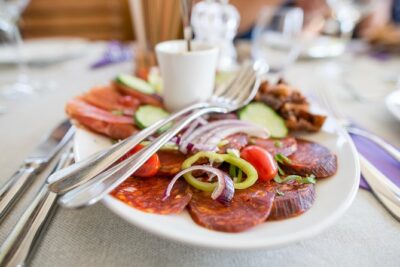
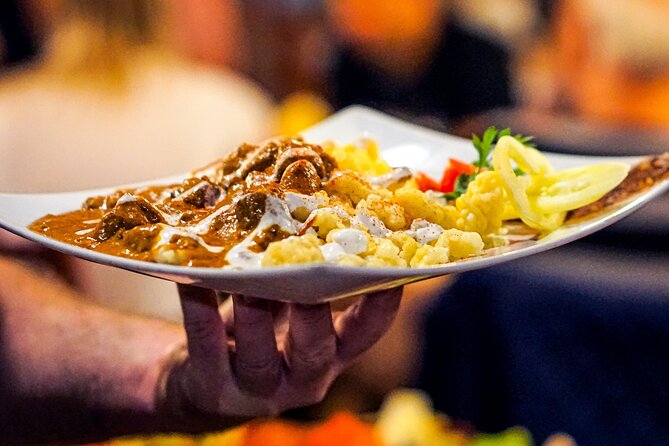
And yes, the food matters. This isn’t just about trying a random assortment of things. The included menu hits multiple Hungarian pillars: fried and savory (lángos), slow-and-satisfying (gulyás), and sweet comfort (strudel), with pickles and bread that keep it grounded and real. There’s also a “secret dish,” which is the kind of detail that makes the whole route feel like a plan, not a loose tour.
You can also read our reviews of more food & drink experiences in Budapest


Price and what you get with a private 3-hour tour
At $399.12 per person, this is not a budget snack crawl. It’s priced like a private experience. That matters, because your group gets the guide attention and the walking route is designed around several tastings instead of just sightseeing with a single stop.
Here’s the value angle that makes sense for the price. You get a 3-hour outing with a structured sequence: Roman site viewing, Danube context, then Óbuda local food stops. You also get a full tasting menu rather than one meal-size break. The included items cover both savory and sweet, plus coffee, plus a shot of pálinka. If you’re comparing it to piecemeal eating and paid attractions on your own, the pricing starts to feel less shocking.
The “when it’s worth it” test for me: it makes the most sense if you want local guidance and you’d rather pay for direction than spend time hunting down the right places. It also fits well if you’re traveling as a pair or small group and you don’t want to merge into a larger crowd.
Meet at Árpád, finish by Árpád Bridge: how the route fits your day
The tour starts at the Statue of Árpád (1034 Hungary) with a 3:00 pm start time. It ends at Korona tér 1, 1036 Hungary, specifically by Árpád Bridge on the Buda side near the Hungarian Museum of Commerce and Hospitality. No hotel pickup is included, so you’ll want to plan how you’ll get to that meeting point.
This is one of those practical details that can make or break your day. A 3:00 pm start is a smart time for Budapest because the light tends to be more forgiving for walking and views. And finishing near a bridge helps you stay oriented for onward travel, rather than ending somewhere awkward.
Because the tour is a private activity with only your group, it usually runs smoother than big group tours. You can also move at a pace that suits your comfort level, as long as you can handle moderate walking for the full session.
Amphitheatrum: Roman Budapest before the food even starts
Your first big stop is the Amphitheatrum, tied to the Roman-era Aquincum area. This is the kind of place that changes how you think about a city. It’s not just that Budapest has layers. It’s that you can stand near a surviving footprint of daily Roman entertainment: a venue where people came for spectacles, performances, and the social buzz of public events.
This stop is estimated at about an hour, and admission at this location is listed as free. That’s helpful because it keeps the tour focused on the guide’s explanations and the feeling of place, rather than turning it into a paid-entries marathon.
What I think you’ll enjoy most here is the contrast. You’re in an ancient setting early on, and then the tour quickly turns toward how Budapest’s identity grew along the Danube and across neighborhoods like Óbuda. If you like your city history grounded in real locations, this helps you build a mental map fast.
Danube River: why this “dividing line” still matters
Then you shift to the Danube River, one of Europe’s most important waterways and a central part of Budapest’s identity. You’ll see how the river divides the city into Buda and Pest, and you’ll connect that to the major landmark views people travel for, including the Hungarian Parliament Building and Buda Castle area.
This portion also runs about an hour, and the admission is listed as free for the stop. The practical value here is that a guide helps you translate what you’re seeing. It’s easy to view the Danube as just scenery. It’s more useful to understand it as a historic connector—an artery that shapes settlement patterns, trade, and the way people moved around the city.
If you’re the type who likes to understand why certain streets and neighborhoods feel the way they do, this is the moment where Budapest starts making sense. The guide’s storytelling helps you see the city’s big geography behind the smaller details you’ll notice later in Óbuda.
You can also read our reviews of more tours and experiences in Budapest






Óbuda: the neighborhood angle that makes the tour feel local

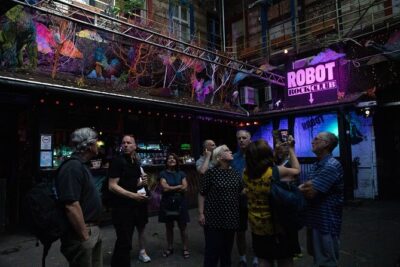
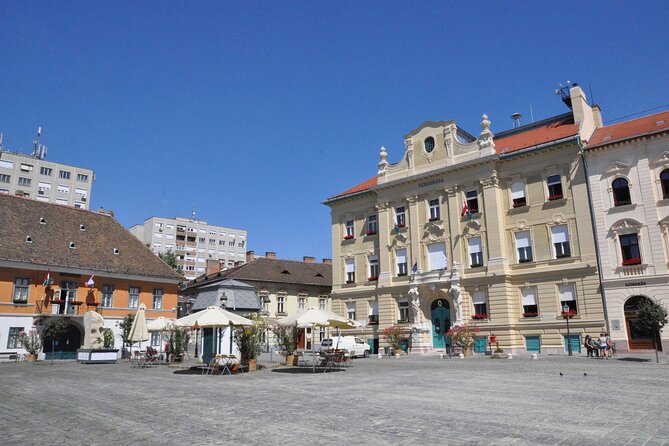
Óbuda is where the tour gets real. This is a neighborhood in Budapest with a mix of history, culture, and everyday local energy. It’s also portrayed as a place that’s both established and still evolving, with parks and modern amenities alongside the older layers.
You’ll spend about an hour here, and the idea is to experience how Óbuda functions as a living part of the city, not just a background for sightseeing. That matters because Budapest can feel like two different places depending on where you walk. In this area, the vibe is closer to daily life.
The food component is also why this stop works. When you’re eating Hungarian classics in a neighborhood setting, the flavors feel tied to place. You’re not just trying dishes. You’re learning what kinds of meals fit local habits and what people reach for when they want something comforting.
What you eat on this Budapest food tour (and why it’s a smart mix)
This is a tasting menu with multiple moments, not one long sit-down meal. The included highlights are:
- Sweet strudel
- Crispy lángos
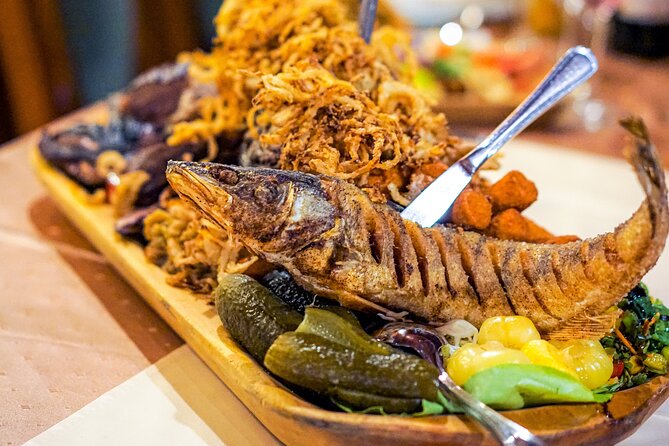
- Hungarian sausages or pork knuckle
- Pickles
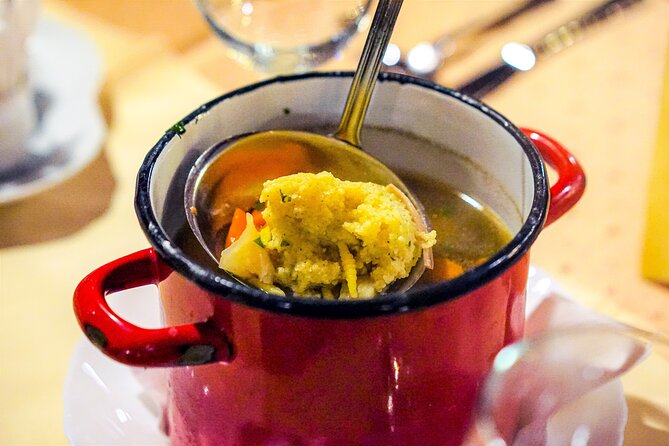
- Gulyás soup
- Freshly baked bread
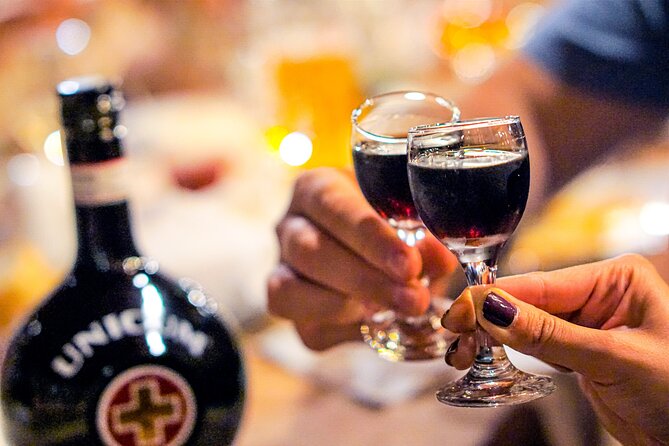
- A shot of pálinka
- A secret dish
- Coffee
That lineup tells you what kind of food journey this is. Lángos brings crunch and salt, and it’s the kind of snack that feels street-smart even when served in a sit-down style. Gulyás soup is your warmth and comfort anchor, built for slow satisfaction. Pickles and bread keep the meal from feeling one-note and help you balance richer bites.
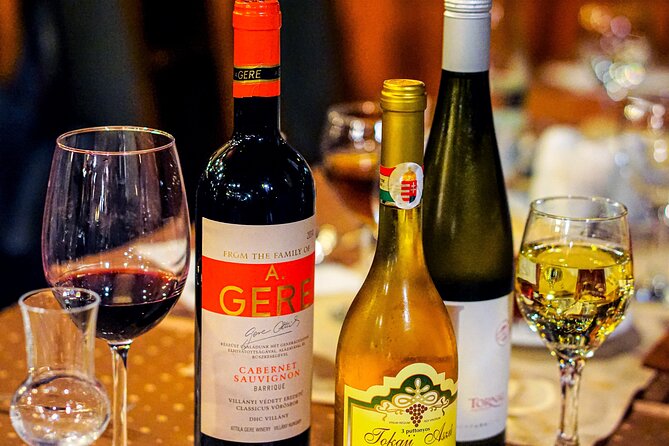
Then you get the sweet side with strudel, plus coffee to round it out like an actual Hungarian break in your afternoon. The included pálinka is the bold move at the end of the tasting arc. It’s part of the culture of hospitality here, and it’s also a practical reality: if you’re not a fan of spirits, be prepared that it’s included.
One detail I really appreciate from similar experiences is that the guides know how to handle different appetites. In particular, there’s a track record of making accommodations for picky eaters while still keeping the core menu intact. If you’re traveling with someone who is selective, it’s worth asking your guide about alternatives during the tour so nobody feels stuck.
The guide experience: stories, ingredient talk, and a friendly pace
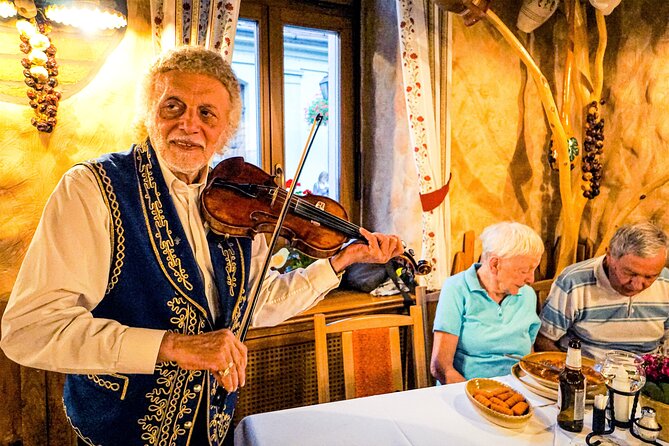
The difference between a good food tour and a great one usually comes down to the guide. On this kind of Secret Food Tours Budapest experience, the guides are repeatedly praised for turning walking time into something useful and fun. Names that show up in the Budapest program include Kitti, Zoltán, and György.
What that looks like in real life: you’re not just handed food. You’re given context. Guides explain ingredients and vocabulary as you go, and they keep the mood relaxed. Several accounts describe it like spending time with a friend who happens to know the city deeply—and who can also make you laugh.
That matters for value. When a guide connects each stop to a reason—how ingredients work, why certain dishes are common, what local habits look like—you end up remembering more than the flavors. You also get a better sense of how to find similar food later on your own.
Logistics that actually matter: walking, timing, and what to bring
This tour is designed for a 3-hour experience with a note about moderate physical fitness. That means you should expect steady walking and a schedule that doesn’t stop for long breaks unless something unavoidable comes up.
Because the tour is offered in English and uses a mobile ticket, you’ll want your phone charged and ready. You’ll also want to plan your arrival at the Statue of Árpád meeting point and your onward transport after you finish by Árpád Bridge.
Two more practical things:
- No hotel pickup, so map it ahead of time.
- Good weather is required, so have a flexible attitude. If conditions are poor, the tour can be rescheduled or refunded.
Who should book this Obuda private food tour
This is a strong fit if you want:
- A private Budapest experience where the guide can tailor the pace to your group
- A mix of Roman site context + Danube geography + Óbuda local food
- A tasting menu that covers savory, soup, street-style frying, sweet, and coffee
- An English guide who focuses on both food and city understanding
It may be less ideal if you:
- Hate walking for about three hours
- Prefer to skip alcohol completely, since pálinka is included
- Want a first-stop tour with lots of transit from your hotel, since pickup isn’t included
If you’re already planning a few major sights, this one works best as the “local reset” that balances the big-name views.
Should you book Private Secret Food Tours Budapest Obuda?
I’d book it if you’re traveling with a small group and you want Budapest beyond the main drag. The combination of Amphitheatrum, Danube context, and Óbuda neighborhood dining is a smart way to see the city as layers that connect. You’re paying for that structure, plus a multi-stop tasting menu that includes both comfort foods and a classic Hungarian spirit moment.
I wouldn’t book it if your idea of a perfect tour is minimal walking and zero weather risk, because this experience is built around outdoor walking and a specific afternoon route. Also, if pálinka is a deal-breaker for you, you might want to check whether the tour can adjust in a way that still matches their included tasting flow.
If you want Budapest that feels like you’re learning it from the inside, this is one of the better ways to spend your afternoon: sights with a point, and food that tells a story.
FAQ
How long is the Private Secret Food Tours Budapest Obuda experience?
It’s approximately 3 hours.
Is this tour private or shared with other groups?
It’s a private tour/activity, so only your group participates.
What language is the tour offered in?
The tour is offered in English.
What food and drinks are included?
Included tastings are sweet strudel, crispy lángos, Hungarian sausages or pork knuckle, pickles, gulyás soup, freshly baked bread, a shot of pálinka, a secret dish, and coffee.
Where do I meet the guide and where does the tour end?
You start at the Statue of Árpád (1034 Hungary) and the tour ends at Korona tér 1 (1036 Hungary), by Árpád Bridge Buda side near the Hungarian Museum of Commerce and Hospitality.
Is hotel pickup and drop-off included?
No. Hotel pickup and drop-off are not included.
What is the cancellation policy for a full refund?
You can cancel for a full refund if you cancel at least 24 hours in advance of the experience’s start time. If you cancel less than 24 hours before, you won’t receive a refund.