REVIEW · BUDAPEST
Budapest: Private Photoshoot & Sightseeing
Book on GetYourGuide →Operated by Budapest Tour Guy · Bookable on GetYourGuide
Budapest looks incredible on a postcard, but it looks even better when someone directs your poses. This private photoshoot + sightseeing walk turns the city’s top landmarks into a photo set, from Fishermen’s Bastion to the Chain Bridge area. I love the one-on-one style pace (you’re not being herded), and I love how the route stacks big viewpoints in a short 2 hours. One drawback: it’s still a walking tour, so plan for time on uneven streets and lots of steps, and it isn’t suitable for wheelchair users or mobility impairments.
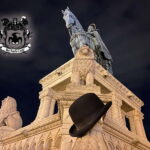
You meet at Halászbástya, at the Fishermen’s Bastion section by the equestrian statue of King St. Stephen, so you start with an easy-to-find anchor before you head into the photo stops. The guide-photographer team works in English and Hungarian, which helps if you want clear directions on where to stand and when to move. If you’re the sort of traveler who hates awkward posing, this setup is built to help you look natural fast.
What you get is the key part: you’ll receive a set of high-quality digital photos (reported as 50 or 100, with the experience also noting a minimum of 100) in color and black-and-white, delivered about 72 hours later through a web platform. Just be aware of the rules: no selfie sticks, no flash photography, and tripods are off-limits, plus professional cameras aren’t allowed.
In This Review
- Key Highlights You’ll Actually Feel During the Walk
- How The Shoot Works: No Guessing, Just Clear Photo Direction
- Meeting at Halászbástya: Starting With a Photo-Savvy Location
- Buda Castle District: The Panoramic Backdrop That Never Gets Old
- Chain Bridge Photo Stop: Make the Danube Feel Cinematic
- Liberty Bridge: Extra Variety Without Extra Time
- Hungarian Parliament Building: The Big Finale Backdrop
- The Photo Results: Color, Black-and-White, and Fast Delivery
- Price and Value: Is $117 Worth It?
- Who This Tour Fits Best (and Who Should Skip)
- Practical Tips: Make the Shoot Easier on Day One
- Should You Book a Budapest Private Photoshoot?
- FAQ
- How long is the Budapest private photoshoot and sightseeing tour?
- Where do we meet for the tour?
- How many photos will I receive, and when do I get them?
- Is this a private tour?
- What languages are available?
- What should I bring and what’s not allowed?
- Is the tour suitable for wheelchair users or mobility impairments?
Key Highlights You’ll Actually Feel During the Walk
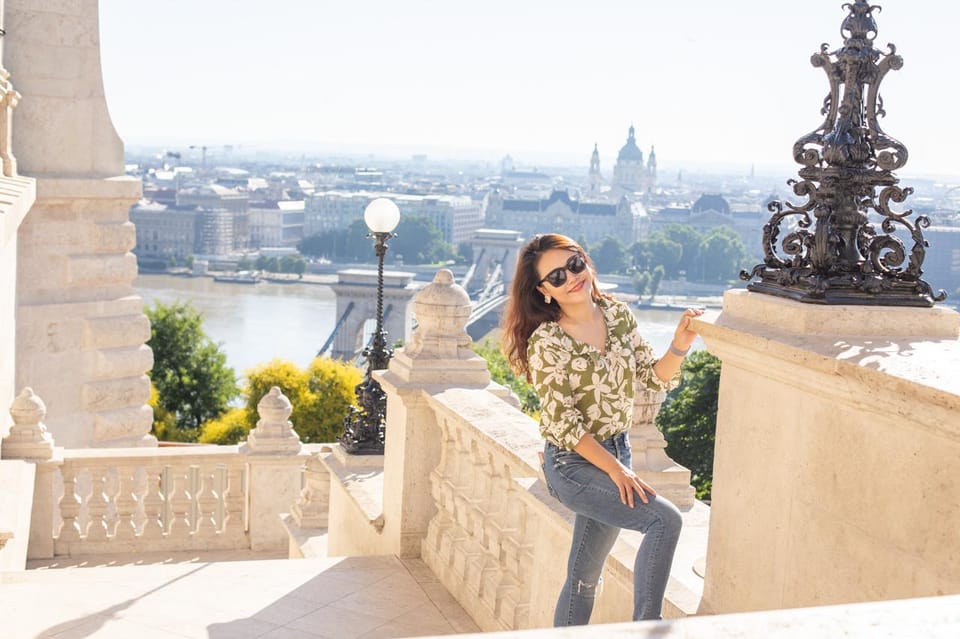
- Private photographer guidance at major landmarks, so you’re not guessing angles or timing
- Landmark-to-landmark variety in just 2 hours, including Buda Castle district and the Chain Bridge area
- Portrait-friendly photo direction, helping you “pose like a film star” without stiff results
- Local insights while you walk, with explanations and anecdotes tied to what you’re seeing
- Color + black-and-white edits, delivered digitally within 72 hours
- Dress-change option (you can bring sets, but you carry and switch them yourself)
How The Shoot Works: No Guessing, Just Clear Photo Direction
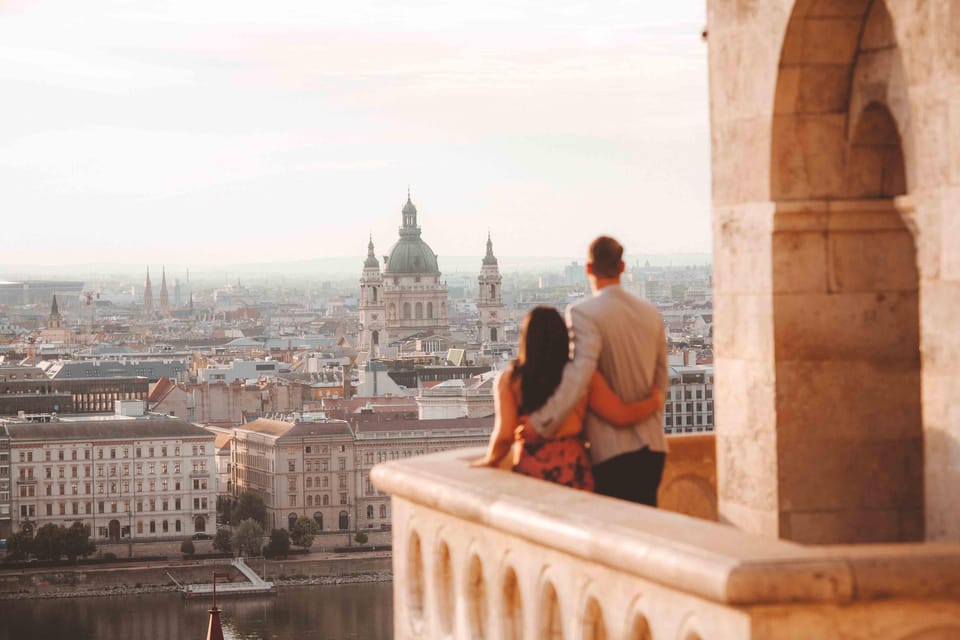
This tour is a smart mash-up: sightseeing on foot, plus a photoshoot that moves. Instead of standing in one place and hoping the light cooperates, your photographer takes you through several classic spots and builds each stop around quick direction and natural movement.
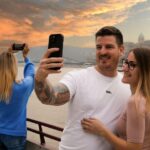
The big win is that you trade selfie-style framing for photographer-style framing. You’ll get prompts for where to look, how to angle your body, and when to pause so the scene behind you looks intentional—not accidental. If you’ve ever been disappointed by travel photos that look fine but somehow feel flat, this is the opposite approach.
Also, it’s not random walking. There are scheduled photo stops, each one with sightseeing woven in. That matters because you’ll be standing in the right place for the view, not just walking past it.
You can also read our reviews of more private tours in Budapest
Meeting at Halászbástya: Starting With a Photo-Savvy Location
You meet at the Fishermen’s Bastion area (Halászbástya) at the equestrian statue of King St. Stephen. That’s a good start point because it’s a recognizable landmark hub, and it’s already visually dramatic—perfect for those first “okay, we’re doing this” photos.
From there, the experience shifts into a guided walk with your photographer staying close enough to direct you quickly. You’re not expected to run ahead, stop abruptly, and then fiddle with your phone. The pace is designed so you spend time being photographed, not time hunting for the right spot.
One practical note: because it’s photography-focused, you’ll get the most out of it if you arrive ready to move—comfortable shoes, charged smartphone, and no trip hazards in your plan.
Buda Castle District: The Panoramic Backdrop That Never Gets Old
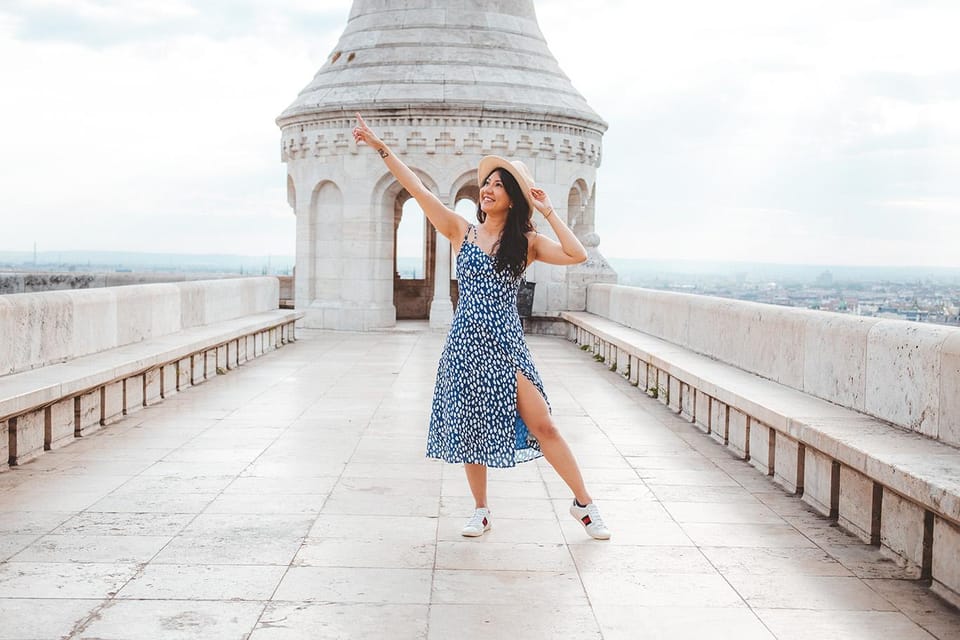
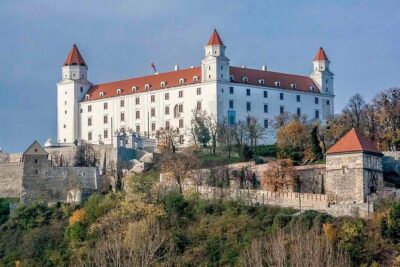
The first main stop is the Buda Castle district area, with about 30 minutes of photo and sightseeing time. This is where you get the stacked layers that make Budapest look like it belongs in a movie: viewpoints over the Danube, stone textures, and that “historic-but-still-livable” feel.
The photography angle here is simple: height and lines. The castle district naturally gives you strong geometry—balconies, terraces, and sweeping backgrounds that make portraits look more dimensional. Even if you’re not trying to be fancy, the setting does part of the work for you.
The downside is crowds and foot traffic in popular areas. You’ll still be able to shoot, but you should expect some waiting for the right moment if the viewpoint is busy. It’s the kind of trade-off that comes with iconic places.
Chain Bridge Photo Stop: Make the Danube Feel Cinematic
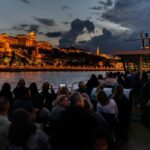
Next up is the Chain Bridge, with around 20 minutes for the photo stop and guided tour. This is the classic Budapest move: you get the view of the bridge, the river, and the skyline in one frame. It’s also one of the easiest places for a photographer to create variety, because you can adjust angles quickly—front-facing, profile, and over-the-shoulder setups.
What I like about this stop is the balance. You get sightseeing context while the photographer sets up shots. That means the photos aren’t just pretty; they’re tied to what you’re looking at, like why this bridge is such an essential Budapest symbol.
Keep in mind that this is a public landmark. If it’s a busy time, your photographer will likely time your shots to reduce distractions. In other words, you’re relying on their judgment, and that’s exactly the point of booking this as a guided photoshoot.
Liberty Bridge: Extra Variety Without Extra Time
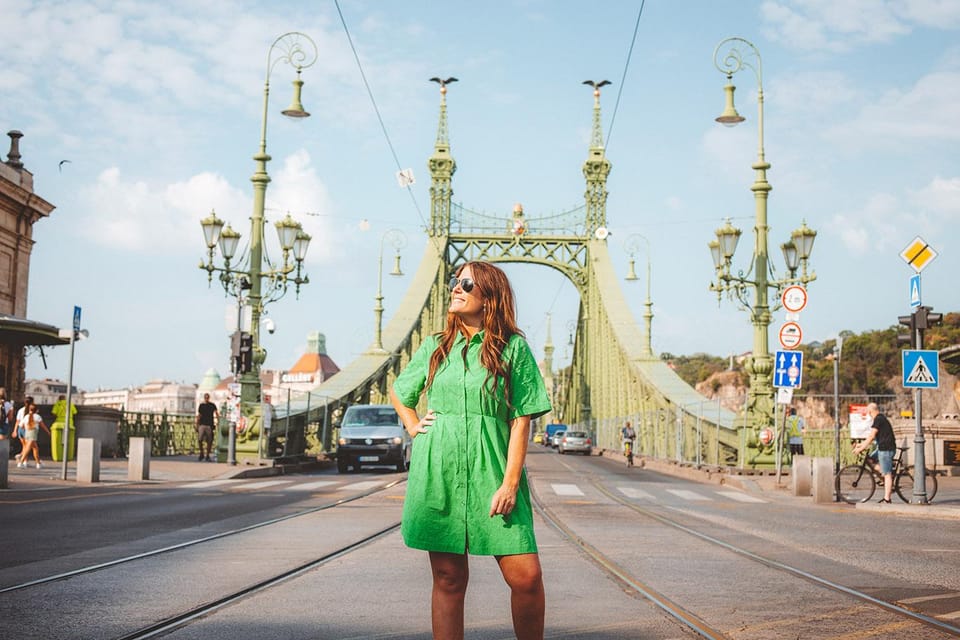
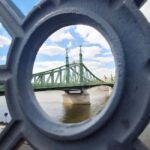
You’ll also stop at Liberty Bridge for another 20 minutes of photos and sightseeing. This isn’t the main “everyone comes here” bridge, which can be a benefit. It gives your photo set more variety and helps break up the classic lineup with something slightly different in tone.
Photography-wise, bridges are great because they create strong leading lines. Your photographer can use them to pull the eye through your portrait—your face in the foreground, the river and bridge geometry as a natural frame.
This stop is also useful for pacing. After the emotional weight of Chain Bridge and the monumentality of Parliament later, Liberty Bridge offers a smoother shift into more everyday Budapest views.
You can also read our reviews of more photography tours in Budapest
Hungarian Parliament Building: The Big Finale Backdrop
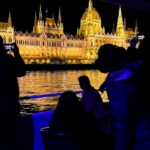
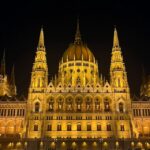
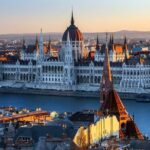
The final listed major stop is the Hungarian Parliament Building, again with about 30 minutes for photo stop, visit, guided tour, and sightseeing time. This is where the tour earns its title as a “film star” experience.
The Parliament Building is tall, symmetrical, and visually powerful, which means your photos will have an instant wow factor even when you’re doing simple poses. It also gives your photographer options for different compositions: wide shots for full context, and tighter angles where your face becomes the focal point.
One consideration: this is a landmark people want photos of, which can mean more moving around and waiting for cleaner frames. The good news is that your time is scheduled, so you’re not wandering around hoping for the right moment.
The Photo Results: Color, Black-and-White, and Fast Delivery
After the walk, you’ll get your images delivered digitally through a web platform, about 72 hours later. That timeline is fast enough that you’ll still be excited when your trip is fresh, and you can use the files for sharing or printing while the memories feel current.
The photos themselves are described as high-quality and delivered in color and black-and-white. There’s also mention of receiving 50 or 100 photos depending on the experience format, and the experience description notes a minimum of 100 spontaneous and original pictures. Either way, you’re not going to leave with a handful of “maybe” shots.
Also pay attention to what’s allowed for your own gear. You can bring your charged smartphone (recommended), but selfie sticks are not allowed. Flash photography and tripods are also not allowed, and professional cameras are not allowed. So if you were hoping to bring a big camera rig, plan to rely on the photographer for the main shot quality and use your phone for personal backups only where permitted.
Price and Value: Is $117 Worth It?
At $117 per person for a 2-hour private photoshoot and walking tour, you’re paying for three things at once: time with a professional photographer, local guidance while you walk, and an edited digital deliverable afterward.
Here’s why it can feel like good value:
- You’re not just buying “a nice photo,” you’re buying a short, guided route with multiple portrait-ready locations.
- You get direction during the shoot, which often saves time and stress. If you’ve ever done a DIY photo walk, you know you lose time to awkward posing and missed angles.
- You receive a digital set (reported as 50 or 100, with at least 100 referenced), plus color and black-and-white edits—useful if you want variety for posting and keepsakes.
Where you should think carefully:
- If you’re already comfortable taking your own portraits and you mainly want a low-cost city walk, this may be more than you need.
- If you’re extremely budget-focused, remember that this is private, and you’re also paying for the photographer’s time and editing effort.
For couples, friends, and families who want photos that look like they belong in an album (not just a phone gallery), the price is easier to justify.
Who This Tour Fits Best (and Who Should Skip)
This is a strong fit if you want:
- Couples photos that look intentional without feeling forced
- A shared, guided activity for friends who still want great results
- Families who want a photo set where everyone gets directed instead of one person constantly taking pictures
- Travelers who dislike selfie sticks and would rather let someone else handle framing
It’s less suitable if:
- You have mobility limitations or can’t manage a walking route with steps (it’s not suitable for wheelchair users or people with mobility impairments).
- You need heavy photo equipment. Professional cameras, flash, and tripods aren’t allowed. The photographer handles the serious capture; your job is to show up ready to walk and pose.
Language-wise, English and Hungarian are offered, which is helpful if you want clear directions on where to stand and what the story is behind each stop.
Practical Tips: Make the Shoot Easier on Day One
You don’t need fancy wardrobe magic, but a little preparation helps your photos come out better.
Bring:
- Comfortable shoes (you’ll be walking)
- Sunglasses if it’s bright
- Sunscreen (useful for long outdoor time)
- Your camera, plus a charged smartphone
- Comfortable clothes that you can move in
Important restrictions:
- No selfie sticks
- No professional cameras
- No flash photography
- No tripods
- No smoking
Dress-change option:
- You can bring your own sets of different dresses and change between shots and places, but you carry them yourself.
If you plan to do this, think about how quickly you can change and where you’ll be doing it without slowing the group down.
One last tip: aim for a relaxed mood. The photographer’s job is direction and timing. Your job is to cooperate—walk when they cue you, pause when they cue you, and let the background do some of the styling.
Should You Book a Budapest Private Photoshoot?
I’d book this if you want Budapest photos that look planned, not improvised. The combination of a private photographer, multiple iconic stops (Buda Castle district, Chain Bridge, Liberty Bridge, and the Parliament Building), and edited digital delivery within 72 hours is exactly the kind of “do it once, do it well” experience that saves time and regret.
Skip it if you’re only after a general walking tour and you’re already confident with your own camera work. Also skip if stairs and uneven sidewalks are a problem for you, since this isn’t designed for wheelchair use.
If you do book, you’ll get the most out of it by showing up comfortable, moving easily, and trusting the direction. It’s one of the simplest ways to turn a normal day in Budapest into a set of photos you’ll actually want to keep.
FAQ
How long is the Budapest private photoshoot and sightseeing tour?
The tour lasts 2 hours.
Where do we meet for the tour?
You meet at Halászbástya (Fishermen’s Bastion), at the equestrian statue of King St. Stephen.
How many photos will I receive, and when do I get them?
You’ll receive high-quality digital photos (either 50 or 100, depending on the format), and they’re delivered within 72 hours through a web platform. The experience description also notes a minimum of 100 spontaneous and original pictures.
Is this a private tour?
Yes, it’s a private group.
What languages are available?
The guide is available in English and Hungarian.
What should I bring and what’s not allowed?
Bring comfortable shoes, sunglasses, sunscreen, comfortable clothes, and a charged smartphone (a camera is mentioned too). Selfie sticks are not allowed, professional cameras are not allowed, flash photography is not allowed, and tripods are not allowed.
Is the tour suitable for wheelchair users or mobility impairments?
No. It is not suitable for people with mobility impairments or wheelchair users.