REVIEW · BUDAPEST
Private Café Wandering: Excursion through Budapest’s Belle Epoque
Book on Viator →Operated by Insight Cities · Bookable on Viator
Budapest’s café scene has a secret agenda. This private 3-hour walk takes you into the Belle Époque world that shaped major Hungarian artists, writers, and thinkers, one historic café at a time. You’ll start in Vörösmarty tér and move through landmark cafés tied to the social life of Imperial Budapest.
What I like most is the pairing of classic interiors with real cultural context, so each stop feels like more than a pretty room. I also like the pace: five iconic cafés in one outing with a private guide, so you can ask questions and take your time. One consideration: coffees and cakes are not included, so plan for extra spend at the tables along the way.
In This Review
- Key Points Worth Your Time
- Why Budapest Cafés Feel Like Time Travel
- Meeting at Vörösmarty tér and Starting at Café Gerbeaud
- The Tram Through the Danube Area to Central Café
- Museum Café Since 1885: Tiles, a Venetian Mirror, and the Guest Book
- Urania Café on Rákóczi Street and the Old Film Theatre Angle
- Walking Toward Blaha Lujza tér and Then New York Café
- Ending at Muvesz Café Near the Opera House for Coffee and Cake
- Private Tour Value: What You Really Get for $449.51
- Guide Quality Matters, and Kata Is a Good Sign
- Who This Tour Suits Best
- Quick, Practical Planning Tips
- Should You Book This Café Wandering Tour?
- FAQ
- How long is the private café tour?
- Where does the tour start?
- Is pickup available?
- What language is the tour offered in?
- Is this a private tour?
- Are drinks and cakes included in the price?
- What is the cancellation policy?
Key Points Worth Your Time
- Five iconic cafés that connect to Budapest’s literary and intellectual culture
- Private, art historian-led commentary that explains why these spaces mattered
- Smart route flow: tram along the Danube segment plus short walks between stops
- Museum Café’s guest book tradition, including names of MPs, writers, and actors
- New York Café’s grand style on a major boulevard route
- Finish with coffee and cake at Muvesz Café near the Opera House area
Why Budapest Cafés Feel Like Time Travel
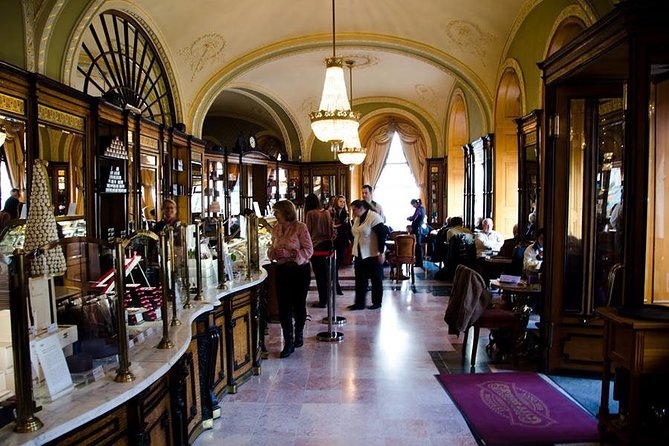
Budapest’s cafés are not just for caffeine. They were built for conversation, debate, flirting, and fact-checking the world. The tour leans into that idea, showing how café culture acted like an informal institution in the late 1800s and early 1900s—especially in the days when the Habsburg Empire’s power and prosperity were visible in everyday city life.
You also get the advantage of a guided format. Without one, you can wander from café to café and still miss the point: what makes Gerbeaud influential, why Museum Café’s walls matter, or what the guest book tradition tells you about who sat where. The tour’s selling point is interpretation. You’re meant to leave with a sharper sense of why these places still look the way they do.
And yes, you’ll get to sit down. The plan ends with coffee and cake at Muvesz Café, which is a satisfying payoff after the walking.
You can also read our reviews of more private tours in Budapest

Meeting at Vörösmarty tér and Starting at Café Gerbeaud
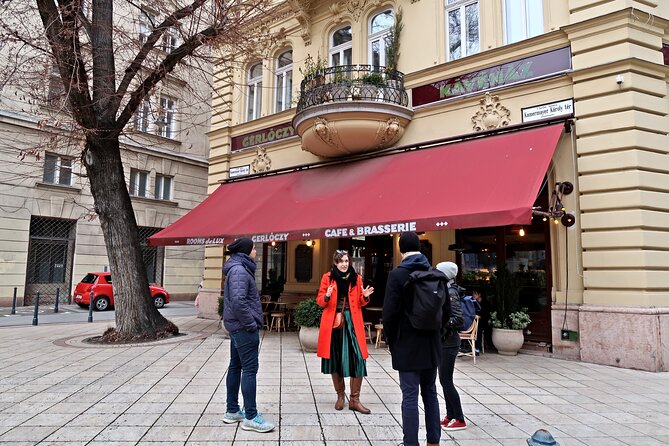
The tour meets at Vörösmarty tér 7, at the Café Gerbeaud meeting spot area. That matters because Vörösmarty tér sits right in the middle of the city’s classic core. It’s an easy place to orient yourself, and it reduces that awkward feeling of starting in a random side street.
From there, the tour’s first stop sets the tone. You begin at Gerbeaud, one of the most famous names in Budapest café history. Expect an early look at the kind of elegant social environment that made Imperial Budapest feel like a stage set for grown-up conversations. The tour description emphasizes that Gerbeaud has over 100 years of history and served as a central social hub where both locals and visitors gathered in the late 19th century.
Practical tip: arrive ready to look up. These cafés are architectural experiences. You’ll get more out of the interiors if you treat them like museums, not just snack stops.
The Tram Through the Danube Area to Central Café
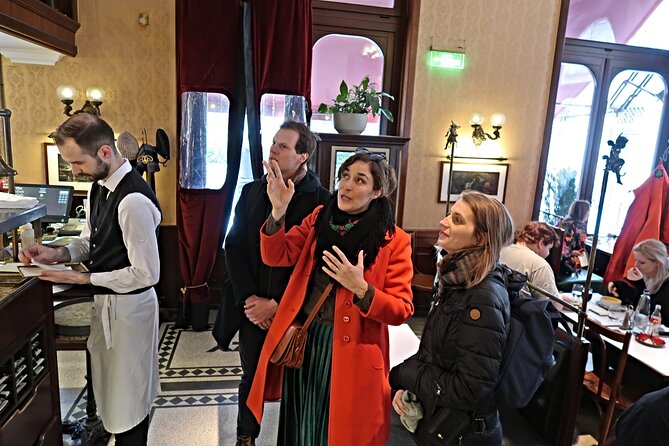
After Gerbeaud, you take the tram by the Danube toward the Central Café. I like this small transport move because it turns the tour from a simple checklist of cafés into a mini “city story” route. You get to change atmosphere without adding extra stress.
The Central Café is described as dignified and decoratively delicate—essentially built to embody what café life meant at the peak of Habsburg economic and cultural power. In other words, the point is not only the food. It’s how the room signals status and intention.
Here’s what you’ll want to watch for: how the café’s “scenery” shapes behavior. In a place like this, people don’t come in just to grab something quick. They slow down. They look at each other. They read the room. Even if you’re only there for the guided portion, the space pushes you into that older rhythm.
Drawback to keep in mind: Central Café-style splendor can make you feel like you should order something impressive. You don’t have to overdo it, but be ready for the fact that refreshments are a separate cost.
Museum Café Since 1885: Tiles, a Venetian Mirror, and the Guest Book
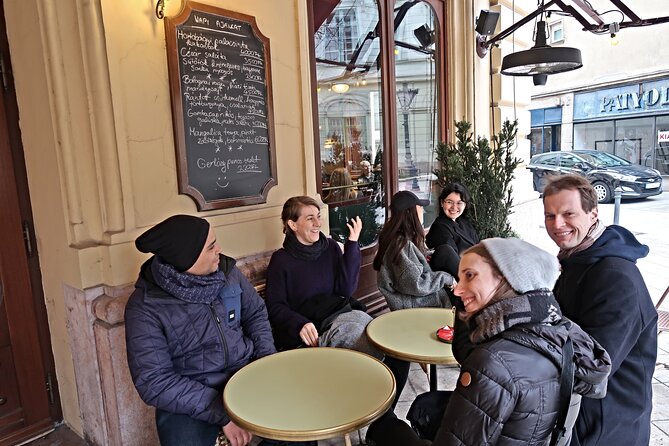
Next, you move to Museum Café, in operation since 1885. This stop is for people who enjoy how small details become historical evidence.
What makes Museum Café special in this itinerary:
- A guest book tradition that has been kept as a historical document
- Regular entries by Members of Parliament, distinguished writers, and famous Hungarian actors
- Lavish walls covered in Zsolnay porcelain tiles
- A grand 19th-century Venetian mirror
That guest book detail is the kind of information that changes how you look at a place. When you realize famous public figures were literally leaving names here over time, the café becomes more than a décor stop—it becomes a record of social life.
Also, Zsolnay porcelain tiles are a specific kind of Hungarian design heritage. If you’re even slightly interested in art and craft, this is the moment when the tour feels most “art history” instead of just “beautiful interiors.”
Practical note: this stop may make you slow down, because it’s hard not to inspect surfaces once you know they’re historically important.
Urania Café on Rákóczi Street and the Old Film Theatre Angle
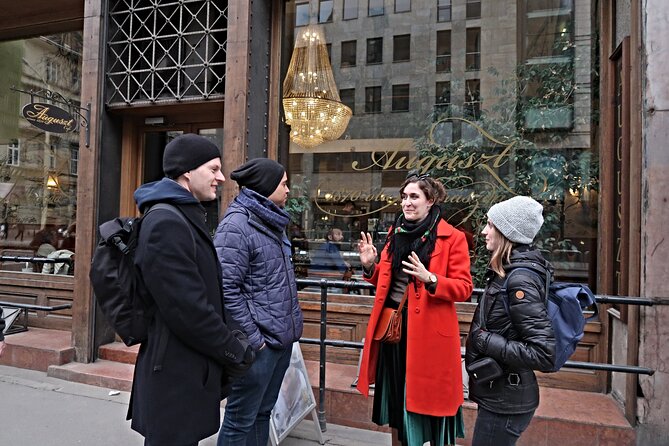
After another short walk, you reach Urania Café on Rákóczi street. The itinerary mentions something useful and distinct here: Urania houses the oldest film theatre in the city, and the café is known for lectures given by prominent intellectuals to large audiences of Budapest cosmopolitans.
Even if you don’t think you care about film history, this stop adds a key theme to the day: café culture didn’t only belong to writers and painters. It also connected to the public intellectual life of the city—people gathering to listen, debate, and absorb ideas.
Why it works in a walking tour: it prevents the story from staying stuck in the past. You see how café spaces can evolve while still hosting the same kind of social and intellectual behavior.
One more reason to like this stop: it’s a change from purely “decor” focus to “culture and public life” focus. You’ll feel your understanding of Budapest getting broader.






Walking Toward Blaha Lujza tér and Then New York Café
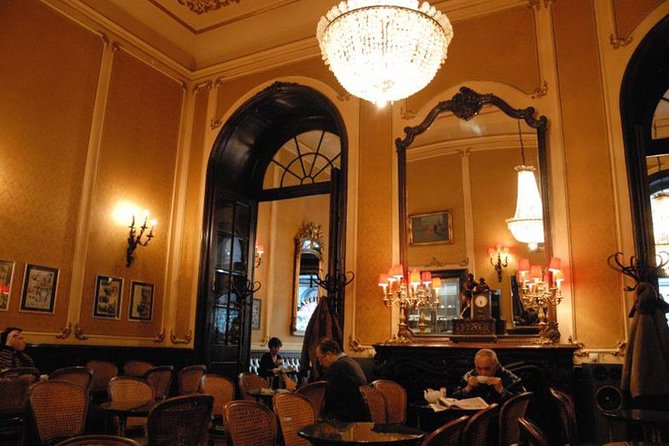
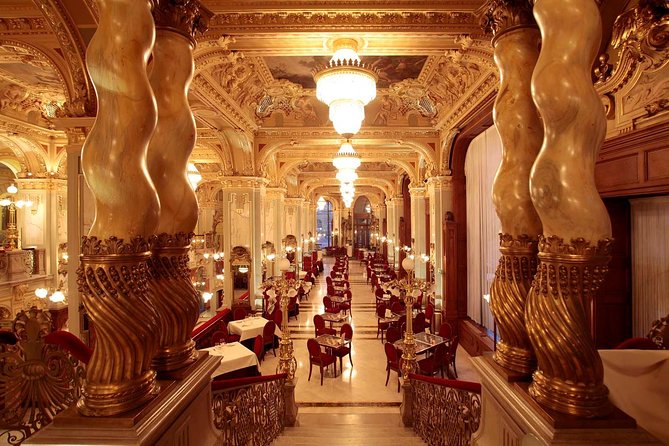
From Urania Café, you walk toward Blaha Lujza tér on a major boulevard. Then comes the next showpiece: New York Café. The tour description calls it one of the most beautiful café houses in the world and emphasizes its elegance.
This is the stop where the day starts to feel like a finale, because New York Café is the kind of place where you instinctively lift your head and slow your steps. The itinerary places it after a boulevard walk, which makes sense. Long streets with big city views are a good lead-in for a grand interior.
I also like that the tour places New York Café before the final seated coffee. It’s an emotional build: you keep learning and walking, then you hit the peak style, then you settle down.
Practical consideration: grand cafés can be busy. If you’re prone to waiting for service, keep your expectations flexible. The guided structure helps, but you’ll still be in a real café setting.
Ending at Muvesz Café Near the Opera House for Coffee and Cake
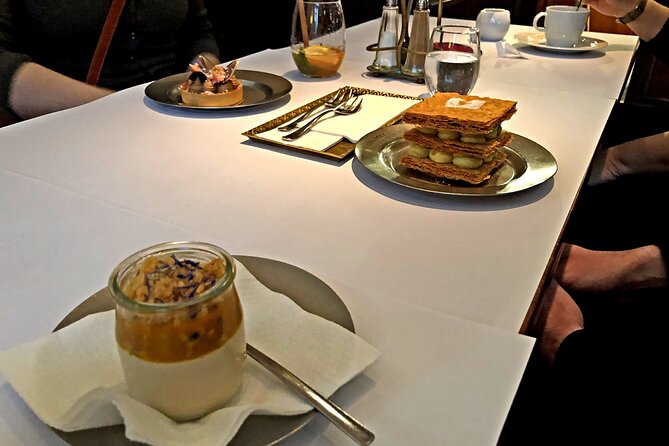
The tour finishes at Muvesz Café on Andrássy Boulevard near the Opera House. You end sitting down for coffee and cake, which is exactly what you want after a few hours of walking and looking.
There’s also a fun, realistic angle here. The itinerary notes that you might catch a glimpse of city celebrity actors and actresses who regularly patronize Muvesz Café during rehearsal breaks nearby. You should treat that as a possibility, not a promise. But even knowing it exists adds a little thrill to the final stop.
This ending location is smart for two reasons:
- It’s in an area many visitors already want to explore next.
- It ties the café theme to performance culture, not only literature and art.
After your coffee, you’ll likely find it easier to keep wandering on your own. That’s the best kind of tour win.
Private Tour Value: What You Really Get for $449.51
The price is $449.51 per group, up to 10 people, for about 3 hours. That number can look high at first glance, but the value math makes sense when you factor in what’s included: a private walk with an art historian through multiple landmark cafés.
For a group, it’s essentially a “pay once, enjoy with your circle” setup. If you travel with friends or family, the per-person cost drops quickly compared with buying separate tickets or joining a larger group where you may have less time for questions.
What you’re paying for isn’t the coffee. It’s the guided ability to read the rooms:
- what the café house culture meant in its peak era
- why specific decorative elements matter
- how the city’s creative community used these spaces
One more value point: the tour is in English and is private, meaning it’s designed around your group rather than a fast-moving mass itinerary.
Keep your budget realistic. Because refreshments are not included, you’ll want to plan for the cost of at least one or two drinks/snacks during the day.
Guide Quality Matters, and Kata Is a Good Sign
A standout detail from a perfect score review is the guide. In one group, the guide was Kata, described as very informative and generous with her time. That lines up with what this tour needs: café history only lands when the guide can connect details to stories and keep the conversation going.
If you care about getting the most out of indoor spaces, prioritize a guide who explains rather than just points.
Who This Tour Suits Best
This is a strong match if you:
- like architecture and interiors as much as you like food
- enjoy literary or art-culture stories tied to real locations
- want a private, paced outing rather than a rushed checklist
- plan to spend time in central Budapest and want your day to have structure
It may be less ideal if you:
- hate walking around city centers for a few hours
- only want café stops with no historical framing
- want refreshments fully included in the price
Quick, Practical Planning Tips
- Build in a little extra time before you feel hungry. You’ll likely want something at multiple cafés, but snacks and coffee cost extra.
- Wear comfortable shoes. Even with trams and short walks, the day is designed around moving between locations.
- Bring a phone or camera, but also give yourself time to look without screen distractions. The tour works best when you take in the room details like tiles, mirrors, and décor.
- If you’re sensitive to crowds, consider choosing your café ordering strategy early so you don’t feel rushed.
Should You Book This Café Wandering Tour?
Yes, if you want Budapest with context. This tour takes the city’s most photogenic café spaces and turns them into a coherent story about how people lived, talked, and thought. The private format plus art historian commentary is what makes it feel worth the money, especially with multiple landmark stops packed into about three hours.
I’d say book it if you’re the type who looks at façades and interiors and thinks, so who sat here and why did it matter? If that sounds like you, you’ll likely enjoy the whole day—from Gerbeaud to Central to Museum to Urania to New York, then your final coffee and cake at Muvesz.
If you only care about quick coffee breaks and you’re trying to keep costs low, you might do better with a self-guided café stroll. But you would be trading away the historical thread that makes this experience work.
FAQ
How long is the private café tour?
It runs for about 3 hours.
Where does the tour start?
The meeting point is at Café Gerbeaud, Vörösmarty tér 7-8, 1051 Budapest (start: Vörösmarty tér 7, 1051 Hungary).
Is pickup available?
Pickup is offered unless hotel pickup has not been arranged. If you do not have pickup, meet your guide 15 minutes before start time at the default meeting point.
What language is the tour offered in?
The tour is offered in English.
Is this a private tour?
Yes. It’s private and only your group participates.
Are drinks and cakes included in the price?
No. Refreshments, cakes, and coffees selected at the cafés are not included in the tour price.
What is the cancellation policy?
Free cancellation is available. You can cancel up to 24 hours in advance for a full refund.
If you want, tell me your group size and your travel dates, and I’ll help you decide if this fits your schedule against other top sights in the same area.