REVIEW · BUDAPEST
Pannonhalma, the 1000 years old abbey, and Györ, private tour
Book on Viator →Operated by Budapest Day Trips · Bookable on Viator
Monastery views and baroque streets, all in one day. This private outing strings together two very different worlds: Pannonhalma Archabbey with its 1,000-year Benedictine presence, and Győr Old Town with cathedral drama, palaces, and recognizable street corners. If you like history that you can actually walk through (not just read about), this is a satisfying way to spend a long day outside Budapest.
I especially like that you get a guided route through the abbey’s key spaces, including the cloister and library, so you’re not guessing what you’re looking at. I also like the way Győr is handled as a real city walk—main square, downtown streets, and notable landmarks like Napoleon’s house and the Pélffy and Zichy palaces. One thing to consider: it’s a full 7 to 9 hours on the go, and food and drinks aren’t included, so plan for snacks and a proper lunch break.
In This Review
- Key highlights worth your attention
- The 1,000-year rhythm of Pannonhalma Abbey
- Don’t miss the cloister, library, and terrace viewpoint
- Gardens and small treasures in the abbey shop
- Győr’s old town: cathedral energy and baroque details
- A quick historical nod you can feel in the streets
- The Lébény stop at St James the Apostle Church
- How the full day works without losing the plot
- Price and value: what $415 per person is really paying for
- Who should book this tour (and who might skip it)
- The guide factor: expect lively, practical explanations
- Should you book the Pannonhalma and Győr private tour?
- FAQ
- What does the tour include?
- Is Pannonhalma admission covered?
- Where are pickup and drop-off in Budapest?
- How long is the tour?
- Is this tour private?
- Can I cancel for a full refund?
Key highlights worth your attention
- A guided UNESCO visit at Pannonhalma with entry included, plus time for terrace views
- Győr’s standout sights on foot: cathedral, main square, Napoleon’s house, palaces, baroque churches
- A thoughtful change of pace with a stop at Lébény’s Roman Catholic Church of St James the Apostle
- Door-to-door convenience with private round-trip hotel transport from Budapest
- A guide who keeps the story moving—the explanations are described as engaging and hard to get bored with
The 1,000-year rhythm of Pannonhalma Abbey
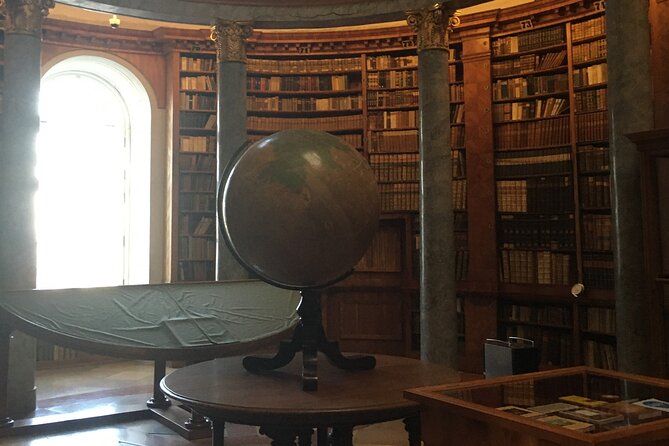
Pannonhalma feels calmer than you’d expect from a day trip. This is a UNESCO site tied to the Benedictine tradition, and the best part is that you move through the places where that tradition becomes visible: the buildings, the church spaces, and the quiet corners you’d likely skip if you were rushing on your own.
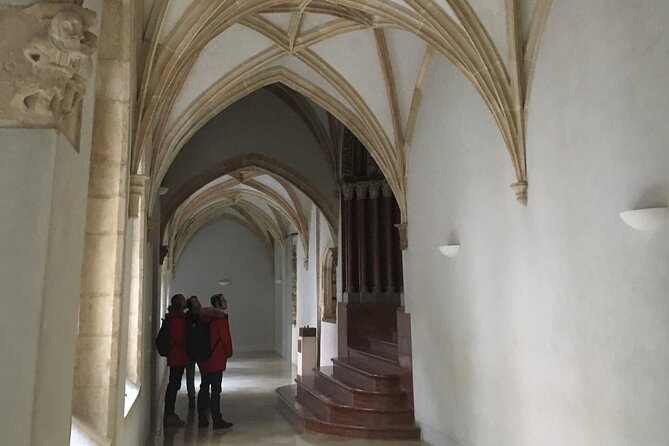
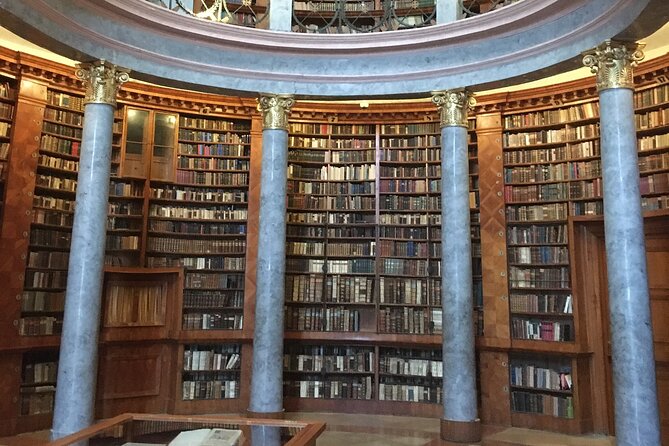
Your guided time typically includes the medieval subchurch, the abbey’s cathedral, and the Benedictine cloister and library. That’s a lot of “big” spaces packed into a manageable visit, and it helps you connect details like architecture style and religious life without needing to be an expert first. Then there’s the terrace viewpoint—time here is worth it if you want to see why this abbey became such a lasting presence.
You can also read our reviews of more private tours in Budapest



Don’t miss the cloister, library, and terrace viewpoint
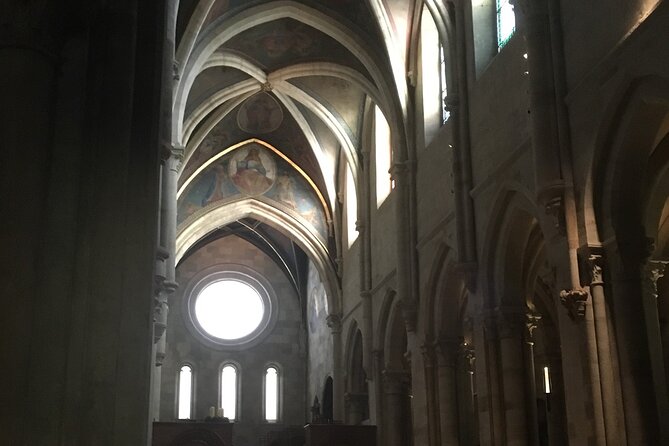
The cloister and library are the kind of stops that can make a guided tour feel more valuable than a self-guided one. In a cloister, you get a sense of how daily routines were shaped by light, stone, and symmetry. In a library visit, you’re reminded that monasteries didn’t just preserve prayer—they preserved records and knowledge.
You also get a terrace moment with broad views over the surrounding countryside. Even if you’ve seen Europe from a hundred hilltops, this one hits differently because you’re looking outward from the same spiritual center you’ve been walking through. It’s a good reset for your legs too—especially helpful if you’re doing this in warmer months and want a short pause away from crowds.
Gardens and small treasures in the abbey shop
One reason I like including Pannonhalma in a day trip is that it has a living side, not just stone-and-history. You’ll see the herb and lavender garden cared for by the monks, and it gives the abbey a grounded feel. It’s not just a scenic walk; it’s tied to what the monastery produces today.
Afterward, check the shop for abbey products. The most memorable items listed include lavender chocolate and wine made in the abbey’s own winery. It’s not necessary to buy anything, but it’s a nice way to take home a flavor of the place without turning the day into a shopping mission.
Győr’s old town: cathedral energy and baroque details
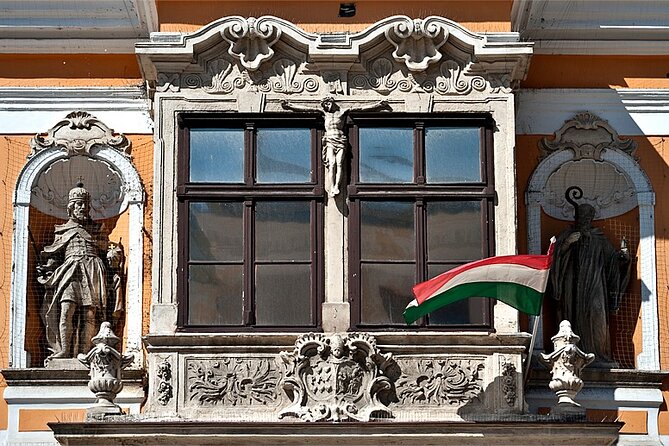
Győr is the kind of city where the main square acts like your compass. You start with the Győr Cathedral area and then drift through the downtown core, using the streets and landmarks to stitch the story together in a way that feels natural. This isn’t just a list of monuments—it’s a guided city walk with stops where the architecture tells you what period you’re in.
The highlight set for Győr includes the main square, downtown streets, and standout buildings like Napoleon’s house. You’ll also see the Pélffy and Zichy palaces—names that sound like they belong in a history book, but you can actually stand in front of them and notice the details. The baroque houses and churches add plenty of visual variety, so the day doesn’t feel repetitive even if you’re not an art specialist.
A quick historical nod you can feel in the streets
It’s useful when a tour gives you a human anchor, not just dates. Győr has one: Pope Saint John Paul II visited the city in 1991, and that detail adds weight as you walk past major religious and civic spaces. You’ll also hear how Győr functions as the economic and cultural center for the region, with local arts including a world-famous Ballet Company.
That matters because it keeps Győr from feeling like a stop you made only for photos. You’re seeing a working city that still supports culture, not only preserving it. Even when the day is mostly about sightseeing, that context makes the walk feel more real.






The Lébény stop at St James the Apostle Church
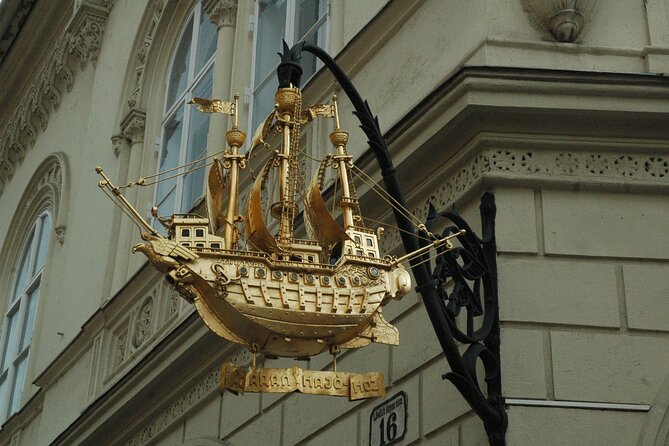
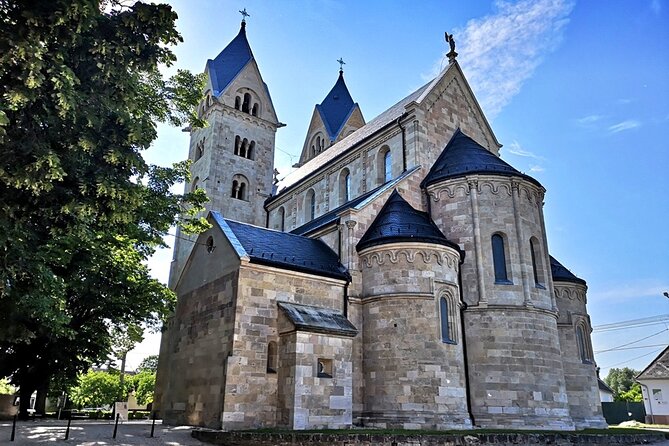
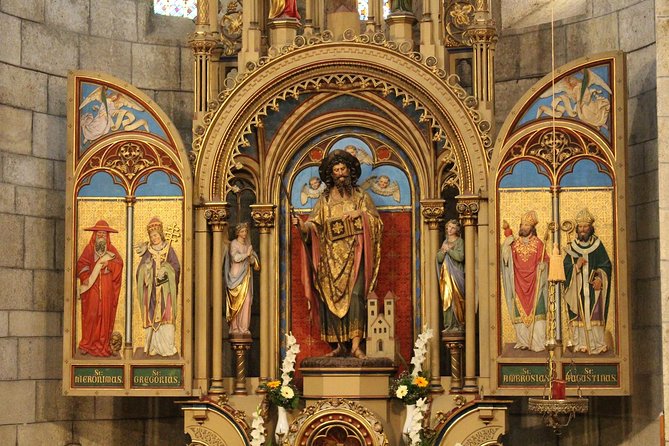
This tour also includes a visit to Lébény’s Roman Catholic Church of St James the Apostle. It works well as a change of pace after the intensity of the abbey and before or alongside the return toward Budapest. Smaller church stops like this can be where you notice the quieter, everyday religious life in Hungary—especially when the main day has already been focused on major landmarks.
Because the church is included as a defined highlight, you shouldn’t feel like you’re making a random detour. The key here is to treat it as part of the broader theme: religious sites across the region, connected by the same historical thread but with distinct local character.
How the full day works without losing the plot
A 7 to 9 hour private day trip is long enough that small choices matter. You’ll be on a schedule that includes multiple stops: Győr first, then Pannonhalma, with the Lébény church built into the flow. That pacing can be great—if you manage your energy like a local.
Bring snacks or plan what you’ll buy during breaks, because food and drinks aren’t included unless the operator specifies otherwise. I also suggest you keep your camera accessible for terrace viewpoints and main squares, since those moments tend to pass quickly while the group moves between indoor and outdoor spaces.
With a private setup, you’re not competing with a large bus crowd. That said, private doesn’t automatically mean slow—your guide still has a route to complete. If you like to linger in one spot (like cloisters or church interiors), tell your guide early so they can adjust your time.
Price and value: what $415 per person is really paying for
The price is listed at $415 per person, which sounds steep until you break down what you’re getting. You’re buying private transport from your Budapest pickup point and a professional guide for the day. You’re also getting Pannonhalma entry included, which helps offset at least one major museum-style cost.
Here’s what makes it good value for the right traveler: you’re not spending your time figuring out routes, schedules, or how to connect remote sites efficiently. The round-trip private hotel transport is a big deal on day trips outside the city, especially when you’re trying to keep the day comfortable.
It also tends to work out well for couples or small groups who want their own pace. If you’re traveling solo, it can still be worth it if you value guidance and direct access over DIY planning. One practical note: this tour is often booked about 115 days in advance on average, so don’t wait until the last minute.
Who should book this tour (and who might skip it)
This fits best if you want more than a sightseeing drive. It’s ideal when you like guided context—how to connect religious architecture, regional culture, and city layout without turning the day into a homework assignment. I especially recommend it if you’re drawn to the Benedictine world and you want Pannonhalma handled with the right stops: subchurch, cathedral, cloister, library, and the garden/shop experience.
You might consider another style of trip if you prefer totally independent wandering. A private tour is still a guided route, and your time is planned. Also, because food isn’t included, you’ll want to be comfortable handling lunch and snacks on your own.
The guide factor: expect lively, practical explanations
One of the strongest signals in the feedback is the guide’s ability to keep the day engaging and informative. In particular, İldikó is highlighted as having around 30 years of experience, with explanations that cover history and art without getting heavy or dull. If you’re someone who gets bored when tours turn into lectures, that’s exactly the kind of guide you want on a day like this.
Even if your guide isn’t İldikó, the structure of the tour still points toward an interpretation-led experience. You’ll get direction on what you’re looking at and why it matters, which is the difference between seeing a cloister and understanding what a cloister was for.
Should you book the Pannonhalma and Győr private tour?
Book it if you want a smart, guided day that links UNESCO-level heritage with a real Hungarian city walk. The combination works: Pannonhalma gives you depth and calm, while Győr brings baroque streets, famous names like Napoleon’s house, and lively main-square energy. Add the Lébény church stop and you get a day that feels like more than two photo stops.
Skip it if you dislike long days or you don’t want to think about meals. This is also better for people who appreciate structure—moving through the abbey’s main areas in a guided flow—rather than those who want a totally open schedule.
If you’re booking soon, grab a spot early. With a high average booking lead time, popular pickup times can disappear. Then set yourself up for success: comfortable shoes, a light snack strategy, and curiosity about what religious sites looked like in daily life, not just in portraits.
FAQ
What does the tour include?
It includes hotel pickup and drop-off, a professional guide, and entry into Pannonhalma Archabbey. Food and drinks are not included unless specified.
Is Pannonhalma admission covered?
Yes. Entry into Pannonhalma Archabbey is included in the tour price.
Where are pickup and drop-off in Budapest?
Pickup is offered from any hotel, port, or railway station in Budapest, with round-trip private transport included.
How long is the tour?
The duration is listed as approximately 7 to 9 hours.
Is this tour private?
Yes. It’s a private tour/activity, with only your group participating.
Can I cancel for a full refund?
Yes. You can cancel up to 24 hours in advance for a full refund. If you cancel less than 24 hours before the experience starts, the amount paid is not refunded.