REVIEW · BUDAPEST
Downtown Pest Walking Tour
Book on Viator →Operated by Insight Cities · Bookable on Viator
History can feel overwhelming in Budapest. This 3-hour Downtown Pest walking tour keeps it simple: a professional guide leads you through major landmarks with small-group attention and a pace you can control. I like that you get real back-and-forth time with your guide (not just a lecture), and I love the mix of places that explain 19th-century Budapest from different angles. One thing to consider: each stop is short—think quick looks (10 to 30 minutes)—so it’s not built for long, sit-down museum time.
You’ll start at Szamos Cafe on Kossuth Lajos tér and move through the city’s signature sights. The tour is offered in English, includes a mobile ticket, and runs on two departure times, which is handy when your day is packed. Also, admission is listed as free for several key stops, which helps your budget.
In This Review
- What You’ll Get From This 3-Hour Walk
- Key Points That Make This Tour Worth Your Time
- Why This 3-Hour Downtown Budapest Tour Works
- Meeting at Szamos Cafe Budapest and Starting on the Right Foot
- Great and Central Synagogue: Jewish Budapest in One Stop
- Hungarian Parliament at Kossuth Square: Power, Cost, and Identity
- The Neoclassical Church With St Stephen’s Mummified Right Hand
- Heroes’ Square: National Leaders Arranged in Stone
- Andrassy Avenue: Budapest’s Answer to Paris
- The Ronald Reagan Statue and Budapest’s Iron Curtain Connection
- Price and Value: Is $125.10 Fair for This Tour?
- Should You Book This Downtown Pest Walking Tour?
- FAQ
- What is the price of the Downtown Pest Walking Tour?
- How long is the tour?
- What language is the tour offered in?
- How big is the group?
- Where does the tour start?
- Where does the tour end?
- What’s included in the tour price?
- Is food or drinks included?
- Are there any admission costs at the stops?
- What is the cancellation policy?
- Are there any departure-time options?
What You’ll Get From This 3-Hour Walk

For $125.10 per person, you’re paying for a guide to handle the storyline and logistics while you focus on the sights. Your route threads together Jewish history, Hungarian state power, and national identity—without turning the day into a marathon. If you hate walking or you want hours inside buildings, this may feel too fast; if you want a strong orientation to Pest, it’s a solid fit.
Key Points That Make This Tour Worth Your Time
- Private-guide attention with a small group (max 8): less crowd pressure, more chance to ask questions.
- You control the pace: the highlights promise you can set how quickly you move through stops.
- Big landmarks with listed free admission: several stops note admission ticket free.
- A memorable guide experience: one review spotlighted Eszther Talaber’s friendly, caring approach and thorough city knowledge.
- A 19th-century history storyline across multiple monuments: synagogue, Parliament, Heroes’ Square, and more in one route.
- Two departure times in English: easier scheduling, fewer language hassles.
You can also read our reviews of more walking tours in Budapest



Why This 3-Hour Downtown Budapest Tour Works
Budapest is gorgeous, but it can also be confusing on a first visit. Street names, monuments, and neighborhoods can blur together—especially if you’re trying to fit in everything in one day. This tour solves that with a tight timeline and a clear plan: you’ll walk through the core of Pest and get explanations as you go.
The pacing is one of the smartest parts. Each stop is timed (10 minutes, 20 minutes, 30 minutes), so you won’t get stuck spending your whole morning in one place. At the same time, the highlights promise you can set the pace, which matters when you want an extra minute to look closer at a façade or take a photo.
The small group cap (maximum of 8) is also a big deal for value. When a group is that size, your guide can actually manage questions and adjust on the fly. One review even pointed out that the guide was willing to take the group toward what people wanted to learn about in the city, not just follow a rigid script.
And yes, you’ll cover a lot of recognizable sights—without the stress of planning each one yourself.
Meeting at Szamos Cafe Budapest and Starting on the Right Foot
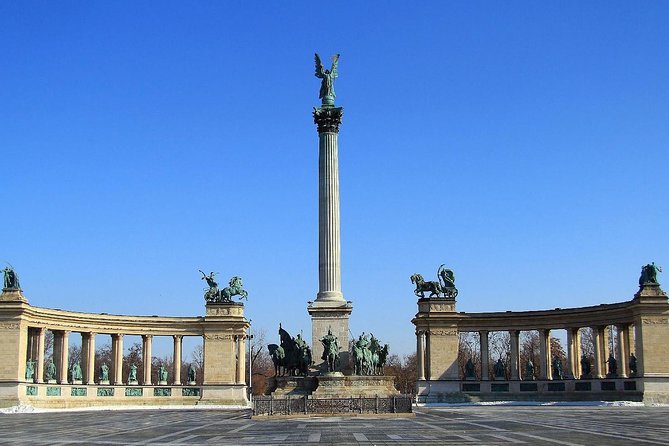
Your meeting point is Szamos Cafe Budapest, Kossuth Lajos tér 10, 1055 Hungary. It’s a practical spot because it’s central and listed as near public transportation. That reduces friction on arrival, which is half the battle on walking tours.
Because your ticket is mobile, make sure your phone battery is healthy. The tour also notes that you’ll receive confirmation at booking time, which helps you avoid last-minute guesswork.
Tip for the first minutes: once you meet up, take a quick look around the square area so you can orient yourself. When the guide starts connecting the dots between buildings, streets, and historical themes, orientation makes it click faster.
You’ll end back in Budapest (the exact end point isn’t specified beyond that), so plan your next activity with a little buffer. In a 3-hour walk, you’ll likely finish near the same central cluster you started from.
Great and Central Synagogue: Jewish Budapest in One Stop
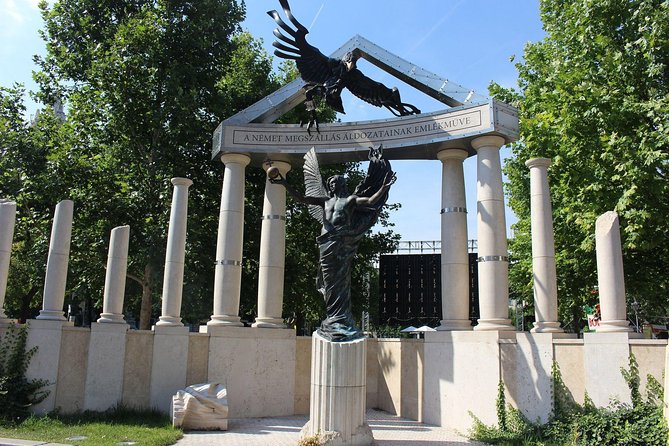
The tour starts at the Great / Central Synagogue (Nagy Zsinagóga). This ornate building is described as the second largest synagogue in the world. That alone makes it a must-see. But what I like about starting here is the message it carries about the city’s Jewish community in the 19th century—strong, organized, and visibly part of Budapest’s story.
Because the stop is only about 10 minutes and is marked as admission ticket free, you’re not going to get a slow, detailed interior tour. Instead, the guide’s job is to help you read the building quickly: the scale, the decorative choices, and why this kind of landmark mattered at the time.
What to do during your short visit:
- Spend a minute focusing on the façade and overall form before you chase details.
- Then look for the design cues that signal importance and pride—synagogues like this were built to be seen.
Possible drawback: if you were hoping for a longer indoor look or you’re the kind of person who reads every label, plan to pair this stop with another visit later on your trip. In this tour, it’s a strong opening chapter, not the whole book.
Hungarian Parliament at Kossuth Square: Power, Cost, and Identity
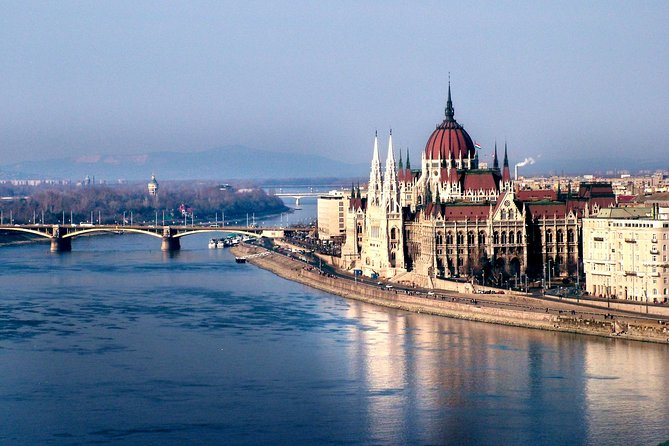
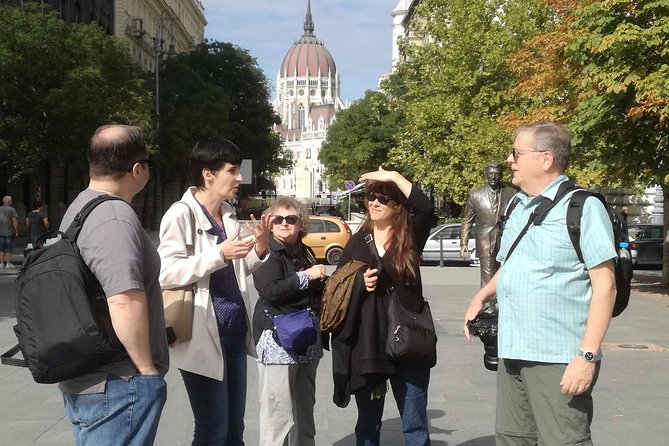
Next up is the Hungarian Parliament Building on Kossuth Square. The tour highlights describe it as monumental, and it’s framed as a symbol of Budapest’s rise in the 19th century. There’s also a fun, memorable fact: it was described as the most expensive structure ever built in Hungary at its inauguration.
That historical angle matters. From the outside, the Parliament can look like a grand photo backdrop. With a guide, you get the context that explains why it sits at the center of political identity—why a building like this wasn’t just expensive, it was political theater in stone.
This stop is about 20 minutes, with admission ticket free listed in the tour info. Even if you don’t spend every minute inside (timing is tight on a 3-hour walk), you’ll still have enough time to connect what you’re seeing to the 19th-century story the guide is telling.
How to get the most in a short time:
- Look at the building as a whole first (scale matters here).
- Then focus on symmetry and the way the façade communicates authority.
- Ask your guide how the building fits the timeline of Budapest’s growth in the century.
If you’re visiting in a busy season, the Parliament area can feel crowded, but because the tour is small and timed, you won’t be stuck for hours in one bottleneck.






The Neoclassical Church With St Stephen’s Mummified Right Hand
One of the most unusual stops on this route is the neoclassical church built between 1851 and 1905. The scale is huge: it can accommodate 8,500 people. But the real conversation-starter is the relic it contains—Hungary’s revered Catholic relic, the mummified right hand of King St Stephen.
This is the kind of detail that makes Budapest feel personal. It’s not only about architecture or broad history; it’s about what people believe and what they choose to preserve. Even if you’re not deeply into relic traditions, the sheer specificity of this one (a mummified right hand) makes the stop memorable.
Because the tour information doesn’t list the exact minutes here like the other stops, I’d treat this as a moment where the guide’s pacing matters. If you want photos and a calm look, be ready to move with the group quickly at first, then slow down if your guide allows.
What you’ll likely appreciate here:
- Why this church is respected enough to handle crowds of 8,500.
- How St Stephen is used as a national religious symbol.
- How the 19th-century building boom connects to national identity.
Heroes’ Square: National Leaders Arranged in Stone
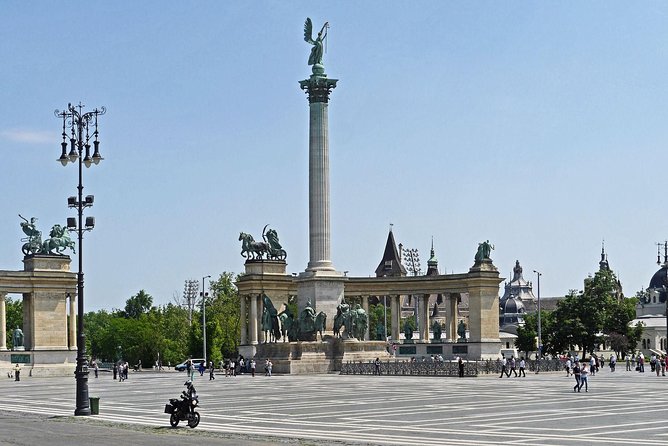
Heroes’ Square is the next headline stop. The statue complex features the Seven chieftains of the Magyars plus other important Hungarian national leaders. It’s an instantly recognizable place, but here’s the value: a guide helps you understand who you’re looking at and why they’re grouped there.
This stop is around 20 minutes and is listed with admission ticket free. Like the Parliament stop, you’re not meant to spend all afternoon here. The goal is understanding, not marathon sightseeing.
If you only glance at Heroes’ Square, it can feel like a dramatic postcard. With the right context, it becomes a timeline in sculpture—an attempt to map national origins and later leadership into a single visual space.
Quick tips:
- Walk the perimeter long enough to see how the composition is designed.
- Use your guide to name the figures and explain the meaning of their placement.
- If you like photos, this is where you’ll take a few. Give yourself time to frame shots without rushing.
Andrassy Avenue: Budapest’s Answer to Paris
Then you move to Andrassy Avenue, described as Budapest’s answer to Paris’s Champs-Élysées in the 19th century. The tour frames it as a statement of the Hungarian capital becoming more sophisticated and affluent.
That’s a useful way to read a street. People often treat big boulevards like they’re only for walking or shopping. But a grand avenue can be a political and cultural signal—who had the money, what kinds of buildings were going up, and what the city wanted to project.
This stop is about 30 minutes, which is relatively generous for a walking tour. That matters because it gives you time to simply enjoy the street rather than constantly racing to the next corner.
How to enjoy it:
- Look at the street’s form and spacing; wide avenues were designed for display.
- Pause long enough to notice building styles, not just shop windows.
- If your guide is open to it, ask what changed over time on the avenue.
This is also where comfortable shoes pay off. Thirty minutes sounds short, but you’ll likely walk it at a steady pace.
The Ronald Reagan Statue and Budapest’s Iron Curtain Connection
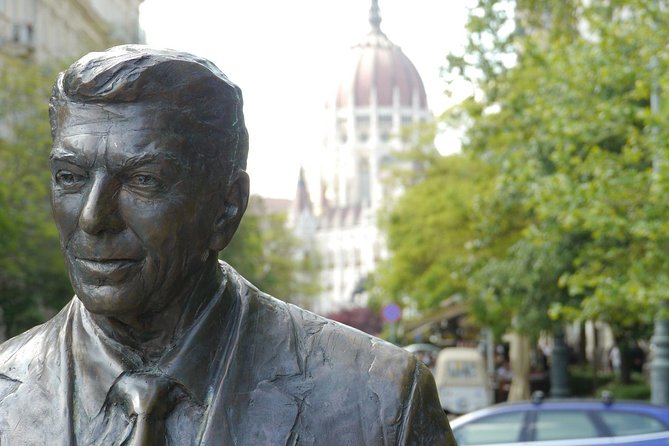
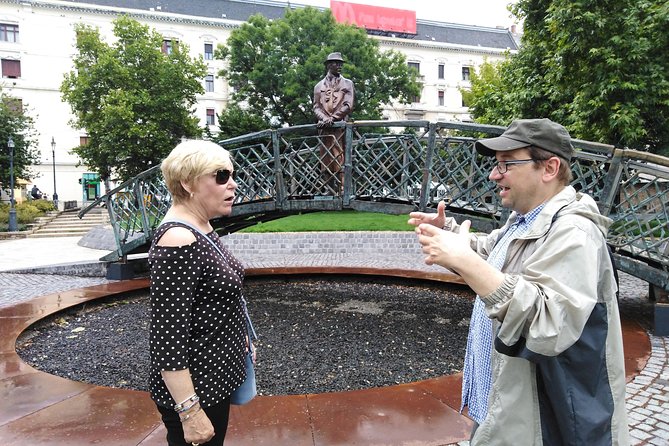
The tour wraps with a stop for the Ronald Reagan Statue. The theme here is obligation—described as a Hungarian sense of gratitude for Reagan’s efforts to bring down the Iron Curtain and the creation of this memorial.
This might be surprising if you’re used to monuments being mostly local. But that’s exactly why this stop works: Budapest doesn’t just commemorate its own leaders. It also marks major 20th-century global events that shaped daily life behind the Iron Curtain.
This portion is about 10 minutes and is listed as admission ticket free. In other words, it’s not a long history lecture. It’s a quick, pointed reminder of how international politics left its fingerprints on the city’s landscape.
If you like history that connects countries (not just dates in a book), you’ll probably appreciate the framing.
Price and Value: Is $125.10 Fair for This Tour?
At $125.10 per person for roughly 3 hours, the main value you’re buying is guided interpretation plus efficiency. In a short time, you’ll see major landmarks that can otherwise take planning and separate trips.
Here’s what supports the price based on the tour details:
- A professional guide leading a guided walk through downtown Budapest.
- A maximum group size of 8, which helps make it feel more personal.
- English-language service and two departure times, so you can fit it into your schedule.
- Several stops list admission ticket free, which reduces additional costs compared to tours that require paid entries at every stop.
- Flexible pacing—you’re not stuck moving at a pace that doesn’t fit you.
What’s not included: food and drinks, unless specified. So if you want a snack later, plan for it. Also, because this is focused on landmark stops, the tour doesn’t replace a full-day museum plan. Think of it as your structured orientation plus story guide.
Who I think should book it:
- First-timers to Budapest who want Pest history without spending time planning.
- People who like a guided narrative connecting buildings to the bigger story.
- Anyone who appreciates short, meaningful stops instead of long indoor sessions.
Who might want to skip or supplement it:
- Anyone who wants long, slow museum-level visits.
- People who prefer only one or two sights with extended time.
Should You Book This Downtown Pest Walking Tour?
If you want Budapest orientation with real context, I’d book it. The small group size (max 8) and the promise of a private-guide feel make a difference. The route also covers major landmarks in a tight timeline, so you’re not wasting your half-day.
I’d only hesitate if you dislike walking or you’re the type who needs lots of time inside buildings. This tour is designed for quick, guided looks—smart for beginners and great as the backbone of a first Budapest day.
FAQ
What is the price of the Downtown Pest Walking Tour?
It costs $125.10 per person.
How long is the tour?
The duration is about 3 hours.
What language is the tour offered in?
The tour is offered in English.
How big is the group?
The maximum group size is 8 travelers.
Where does the tour start?
The meeting point is Szamos Cafe Budapest, Kossuth Lajos tér 10, 1055 Hungary.
Where does the tour end?
The tour ends in Budapest, Hungary.
What’s included in the tour price?
You get a 3-hour guided walk through Downtown Budapest with a professional guide.
Is food or drinks included?
Food and drinks are not included unless specified.
Are there any admission costs at the stops?
For the listed stops, admission is marked as ticket free at several points. The tour info notes admission ticket free for multiple major sights.
What is the cancellation policy?
You can cancel for a full refund up to 24 hours in advance. If you cancel less than 24 hours before the start time, the amount paid is not refunded.
Are there any departure-time options?
Yes, the tour offers two departure times.
—
If you want, tell me what day/time you’re in Budapest and what you care about most (Jewish history, Parliament/19th century politics, relics, or photo stops). I can help you decide how to slot this 3-hour walk into your itinerary.