
REVIEW · BUDAPEST
Budapest: Escape Room game – Egyptian Adventure
Book on GetYourGuide →Operated by Escape Room Korlátolt Felelősségű Társaság · Bookable on GetYourGuide
Egyptian tombs and a ticking clock—nice combo. This Budapest escape room throws you into a turn-of-the-century archaeological expedition where you have to find a lost papyrus scroll and escape the Pharaoh’s tomb before time runs out. It’s 60 minutes of hands-on problem solving, set in a story that mixes a mysterious temple with an Egyptian bazaar vibe.
I like two things right away. First, it’s in a central location at Scavenger Escape, so you’re not burning half your day commuting. Second, the setup is friendly for groups: it’s designed for ages 6–99, and it runs in English (and Hungarian), which makes it easier to include mixed-language friends.
One consideration: you’ll need to follow the room rules. No photos or recordings during the game, and it’s not suitable for people with mobility impairments or for anyone with claustrophobia or wheelchair needs.
In This Review
- Key Things I’d Bet You’ll Like
- Entering the Egyptian Story: What You’re Really Doing
- Your Timeline: How the 60 Minutes Usually Flow
- Price and Value: Is $55 Worth It?
- Where to Go: Scavenger Escape and Check-in Reality
- Puzzle Work Inside: Finding the Papyrus and Escaping the Tomb
- Languages, Staff Support, and What You Can Expect If You’re in English
- Who This Fits Best (And Who Should Skip It)
- Picking Your Day and Theme: How Scheduling Works
- Practical Tips to Make Your Hour Smoother
- What the Ratings Suggest About the Experience
- Should You Book This Escape Room?
- FAQ
- How long is the Egyptian Adventure escape room game?
- Where do I meet for the escape room?
- What language is the escape room offered in?
- How many people can play?
- Do I need an ID?
- Are photos or videos allowed during the game?
Key Things I’d Bet You’ll Like
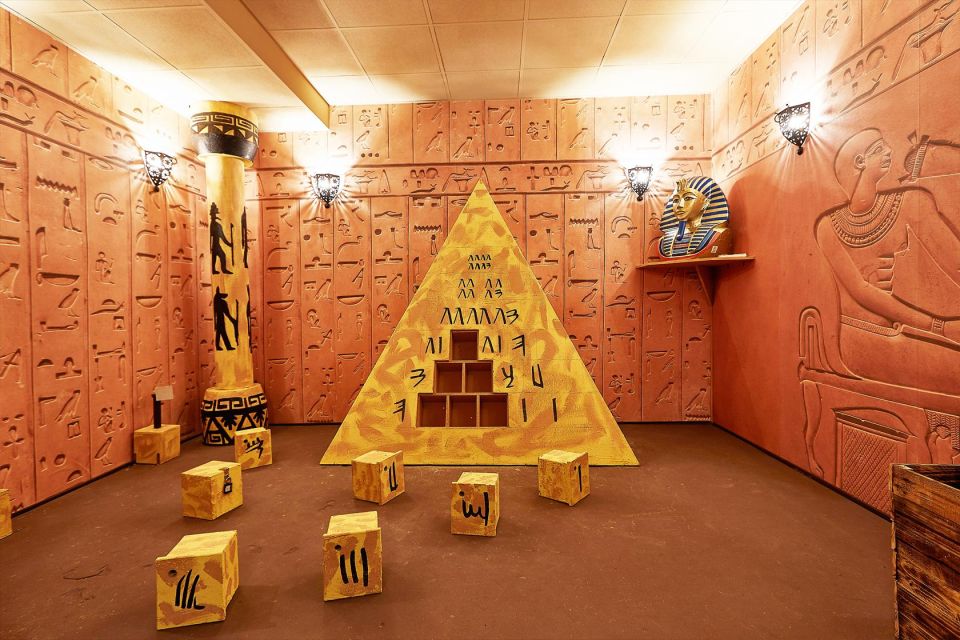
- Egyptian story theme with a clear goal: find the papyrus and escape the tomb
- 60-minute timebox that keeps the pressure fun instead of stressful
- Central Budapest meeting at Scavenger Escape, with a check-in that’s typically straightforward
- English gameplay with staff support in English and Hungarian
- A good age range (6–99) if your group can handle a puzzle challenge
- 3 different thematic gameplay options, so you can choose the vibe that fits
Entering the Egyptian Story: What You’re Really Doing
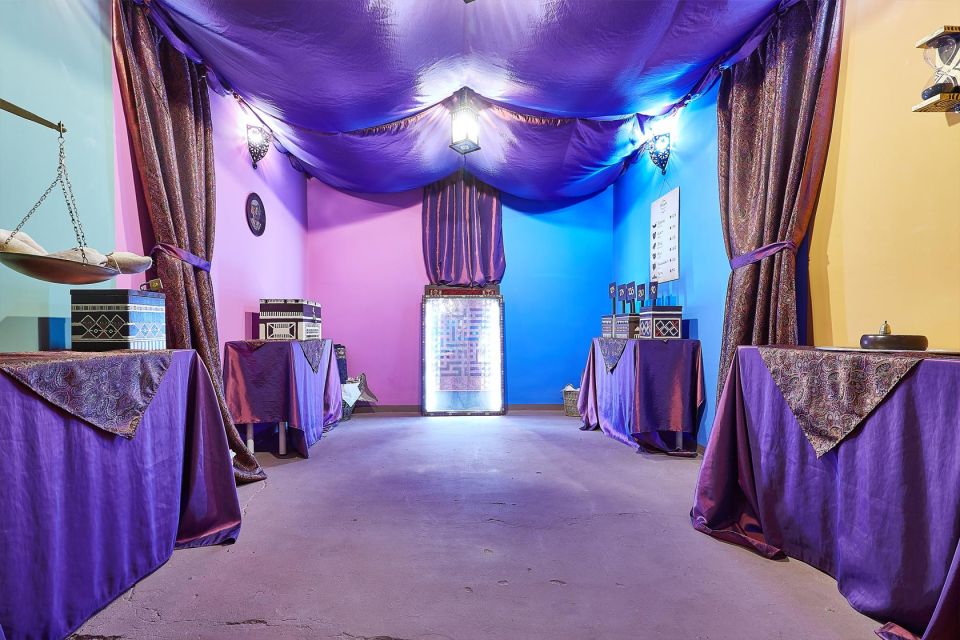
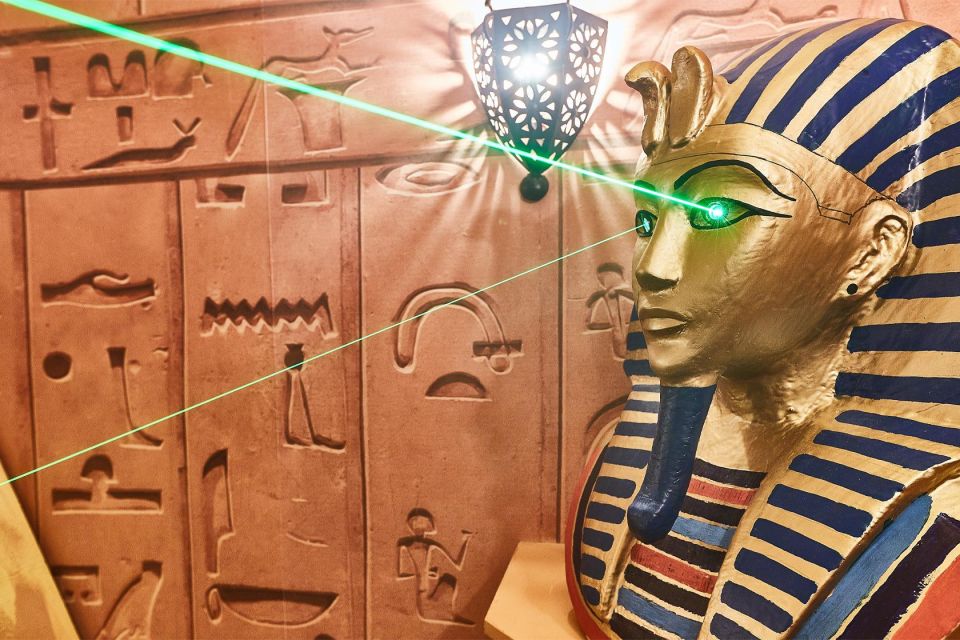
The adventure is built like a short action movie you control. You arrive in Egypt at the turn of the century as part of an archaeological expedition. Your team gets new information about an ancient scroll that’s supposedly hidden somewhere deep in a secret temple—hidden for more than 3,000 years. The temple isn’t presented as a gentle museum stop. It’s described as a place riddled with traps, and the stakes are blunt: if you run out of time, you’ll be imprisoned in the Pharaoh’s tomb forever.
That’s the reason this works so well as a group activity. You’re not just reading clues. You’re moving through the room, thinking like investigators, and negotiating as a team. And because it’s time-limited, you’ll feel urgency without needing high-tech skills or special experience.
If you’re the type of person who likes logic puzzles, teamwork, or just a good narrative drive, this format is a strong match. It’s also one of those activities that can make a friend group talk more than they usually do while sightseeing—because everyone has a role, even if one person is more “look carefully” and another is more “try the next idea.”
You can also read our reviews of more tours and experiences in Budapest.



Your Timeline: How the 60 Minutes Usually Flow
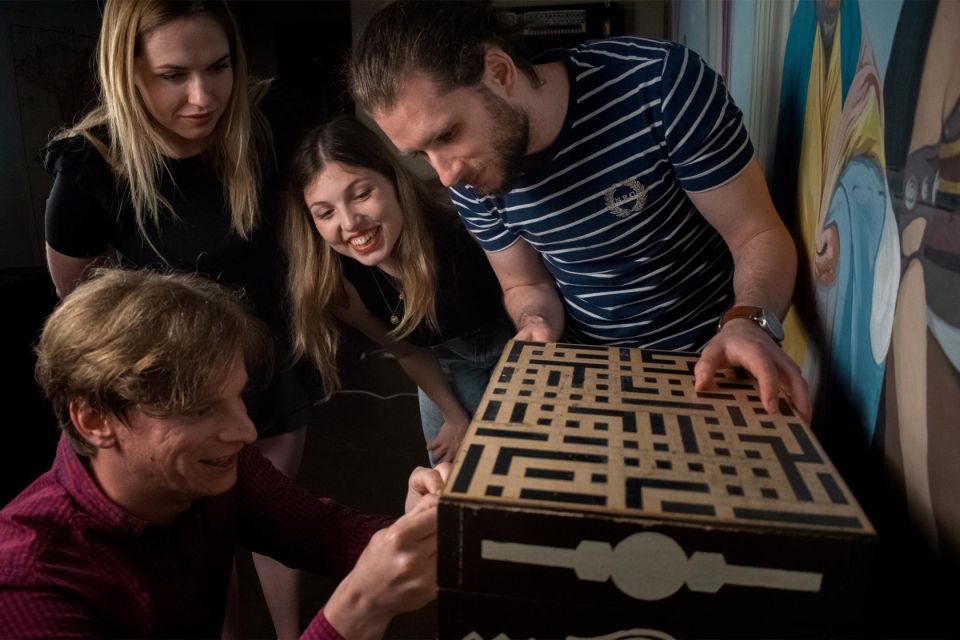
This isn’t an all-day event. It’s a focused 1-hour challenge, and that’s exactly why it’s good value in a city packed with big-ticket sights.
Here’s the practical way to think about your hour, even if the exact sequence depends on the room you book:
1) Arrive and check in at Scavenger Escape
You’ll show up at the meeting point and provide your voucher on game day. The staff will confirm your booking and get your group ready. From what I’ve seen people say about the process, the staff are clear about what happens next, and it doesn’t take long to get started.
2) Get the rules and enter the room
Before you’re fully locked into the game, you’ll get instructions. The key point is simple: you need to work within the game rules. Photos, video, and audio recording aren’t allowed during the game, and you’ll want to mentally switch to full attention mode once you start.
3) Work through puzzles as the story unfolds
Your job is to navigate the mystery of the Egyptian bazaar, track down the lost papyrus scroll, and escape. Expect problem solving that feels like discovery rather than pure math. The room is built for teamwork, so you’ll likely split tasks naturally—one person hunts for clues, another tries combinations, and another keeps an eye on the remaining time.
4) Finish and exit (before the Pharaoh wins)
The game ends when you solve it within the time limit. If you don’t, the theme’s “imprisoned in the tomb” outcome is part of the story framing—but in real terms, it means you won’t reach the final escape condition before the clock hits zero.
Because it’s so short, I recommend treating it like a “do it now” activity, not something to schedule too late at night. You’ll enjoy it more if you’re alert and not already running on tired energy.
Price and Value: Is $55 Worth It?
The listing price is $55 per group up to 2, and the experience supports 2–6 players. Even if you’re booking for a smaller group, the value angle is simple: you’re paying for a one-hour, indoor, story-driven activity in central Budapest, and it’s structured to work regardless of your group’s sightseeing style.
Here’s how I’d judge whether it’s a smart spend for you:
- If you want an activity that doesn’t depend on weather and doesn’t require museum stamina, the indoor puzzle hour is a good trade.
- If you’re traveling with friends who like games, escape rooms are one of the most reliable “everyone participates” activities.
- If your group is only interested in passive activities, this might feel like work. But if you like thinking together, it’s usually money well spent.
Also, language is part of value. The game is available in English, with staff able to support in English and Hungarian. So you aren’t stuck guessing your way through complicated instructions.
Where to Go: Scavenger Escape and Check-in Reality
The meeting point is Scavenger Escape. That location detail matters because escape rooms can be tricky to find if you’re hopping between neighborhoods. Here, at least, you’re not trying to guess in the dark—you know exactly where to start.
On the ground, plan for a smooth but not rushed check-in:
- Bring your voucher received after booking.
- Bring ID: a passport or ID card is required.
- Be ready to hand over your information and get to the briefing quickly once staff confirm you.
One helpful thing: people specifically praised how easy the directions were and how smooth the check-in felt. That matters because the biggest annoyance with escape rooms isn’t the puzzles—it’s arriving late or feeling confused before the game even starts.
Puzzle Work Inside: Finding the Papyrus and Escaping the Tomb
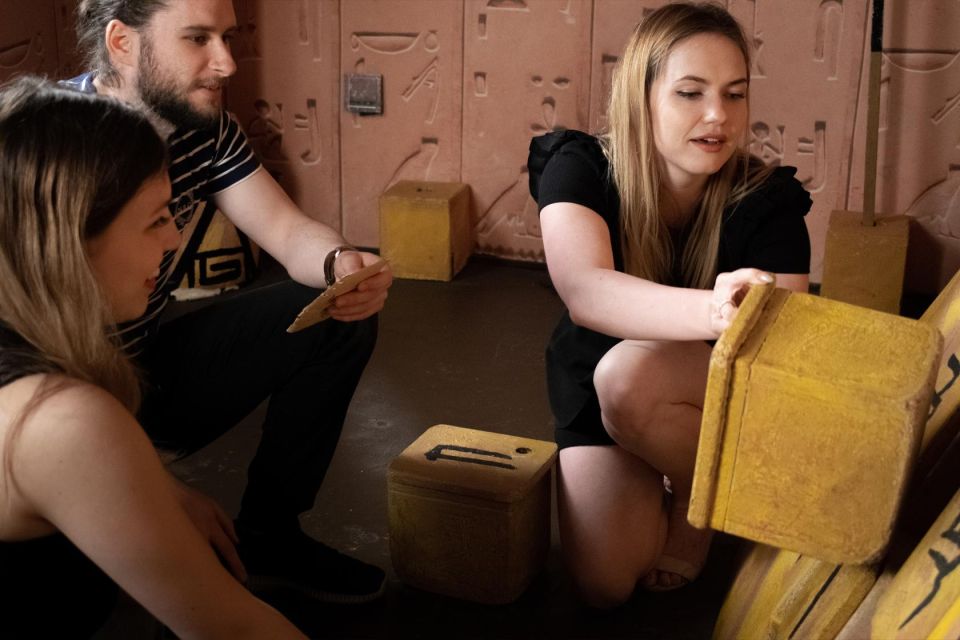
Let’s talk about what you’re actually trying to accomplish inside.
The storyline gives you three anchors:
1) You’re navigating the Egyptian bazaar
2) You need to find the lost papyrus scroll
3) You must escape from the Pharaoh’s tomb before time ends
Those story anchors help you stay oriented while you’re solving. Escape rooms can sometimes feel like random clue hunting. Here, the goal is clear enough that you’ll understand what success looks like even when you’re stuck on a specific puzzle.
What I’d watch for, as someone planning how to enjoy the experience:
- Don’t let one person dominate. With 2–6 players, the best escape rooms usually feel like multiple brains working at once.
- If you’re stuck, change approach. Time is part of the design.
- Pay attention to “small” clues. In story-based rooms, minor details are often puzzle keys.
And because the theme includes traps, you should mentally expect puzzle friction—things that don’t instantly work until you’ve found the right combination. That’s normal. If your brain wants a straight line solution, give it a minute and adjust.



Languages, Staff Support, and What You Can Expect If You’re in English
The game runs in English, and staff provide instruction in English and Hungarian. For many visitors, that’s the difference between an escape room that’s fun and one that feels like homework.
You’ll want to take instructions seriously, especially because you can’t record video or audio. That means your only real “backup” is your memory and your teamwork. In a group, it becomes a system: someone explains what they saw, another person tries a puzzle step, and someone else watches for the time shift.
Based on feedback, the front desk staff are good at explaining how things work—so you’re not left guessing. If you have non-puzzle-people in your group, that kind of clear orientation helps everyone get engaged fast.
Who This Fits Best (And Who Should Skip It)
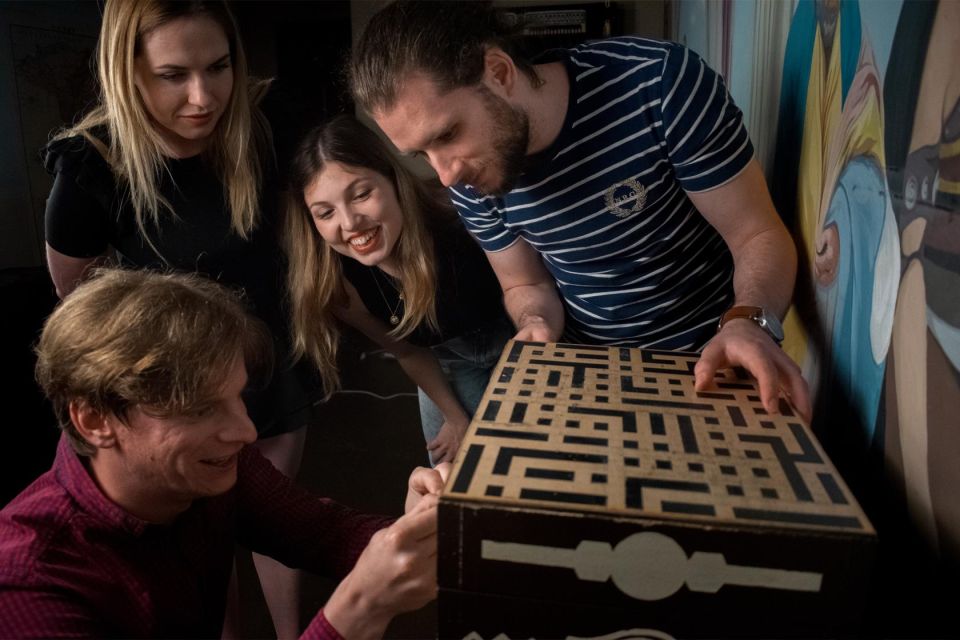
This experience is designed to be accessible for a wide age range: ages 6–99. But age isn’t the whole story. Physical comfort and anxiety level matter too.
It’s marked as not suitable for:
- people with mobility impairments
- wheelchair users
- anyone with claustrophobia
So if your group includes anyone who gets uncomfortable in tight spaces, you should think twice. Escape rooms often involve enclosed areas and moving around within limited space.
There’s also an adult requirement: an adult companion is required for players under 14. That’s great for safety and supervision, and it usually keeps the puzzle pace moving when kids are involved.
If you’re traveling as:
- a family with older kids
- a friend group that enjoys games or problem solving
- couples looking for an interactive indoor activity
- anyone wanting a break from Budapest’s outdoor walking days
…this can be a very satisfying choice.
Picking Your Day and Theme: How Scheduling Works
The room is open Tuesday to Friday, and you book online. Your date choice matters because start times vary. After you book through GetYourGuide, you’ll be contacted to schedule your start time on the selected day. On the day of the game, bring the voucher to the shop.
Also, there are 3 different thematic gameplay options. The listing doesn’t give the names of the themes here, so when you’re browsing, pick the option that matches your group’s mood—some people prefer more story, others like a more puzzle-heavy vibe.
Because it’s a private group experience, your booking is tied to your chosen group size. You can also think of it as a “choose your team” activity rather than a random mixed group where you have to find your puzzle rhythm on the fly.
Practical Tips to Make Your Hour Smoother
Here’s how to get more fun out of the 60 minutes without needing any special skills:
- Bring your ID (passport or ID card). You don’t want to be the person who slows everyone down at check-in.
- Leave food and drinks outside the game. No food or drinks are allowed.
- Don’t plan on recording. Photos, video, and audio are not permitted during the game.
- Keep your group organized. Assign roles quickly: clue seeker, puzzle tryer, timer watcher.
- Pick the right time of day. If you’re the kind of traveler who gets brain-fog after a long day walking, schedule this when your energy is still good.
If you want a slightly humorous strategy: the fastest groups aren’t always the smartest—they’re the ones who keep talking and don’t get stuck in one loop too long.
What the Ratings Suggest About the Experience
The rating is a clean 5, and the comments point to a consistent pattern: people found the staff helpful, the directions to Scavenger Escape easy to follow, and check-in smooth.
That’s exactly what you want from an escape room provider. The puzzles are the main event, but the staff experience affects your first five minutes—and the first five minutes set the tone. If you walk in feeling confused or rushed, the time pressure becomes harder to enjoy.
Should You Book This Escape Room?
Book it if you:
- want an indoor activity that’s story-driven and interactive
- have friends who enjoy puzzles or teamwork
- want something that runs at a steady 60-minute pace
- are comfortable with an English game environment
Skip or switch plans if you:
- have anyone with claustrophobia or mobility limitations in your group
- want a purely sightseeing-based day with no thinking required
- need to record videos or audio during the activity (you can’t)
If your group hits the sweet spot—curious, cooperative, and ready to problem-solve—this is one of those Budapest experiences that’s simple to schedule and satisfying to finish.
FAQ
How long is the Egyptian Adventure escape room game?
The game lasts 1 hour.
Where do I meet for the escape room?
You meet at Scavenger Escape.
What language is the escape room offered in?
The escape room games are in English, and the instructor can also work in Hungarian.
How many people can play?
The experience is for 2–6 players, with a maximum of 6 players participating in the game.
Do I need an ID?
Yes. You need to bring a passport or ID card.
Are photos or videos allowed during the game?
No. Taking photos, videos, and audio recordings during the game is not allowed.