REVIEW · BUDAPEST
Budapest Private Tour with a Local, Custom Highlights & Gems
Book on Viator →Operated by City Unscripted · Bookable on Viator
Budapest makes more sense when someone shows you the shortcuts. This private walking tour lets you trade generic sightseeing for a plan built around your interests, with a local matched to you after a quick questionnaire. It also starts at your hotel (no extra cost), so you lose less time to finding your guide and more time to actually walking the city.
What I like most is how much control you get over the day. You can adjust stops on the fly, and your guide can steer you toward everything from Buda Castle viewpoints to the Jewish Quarter’s food-and-street-life energy. The only real catch: it’s still a walking tour, so wear shoes you trust and expect to cover a lot of ground (plus, attraction tickets and food are not included).
In This Review
- Key Things You’ll Notice Right Away
- Entering Budapest by Foot: The Best Way to Get Your Bearings
- Price and Value: When $59.25 Really Adds Up
- The Questionnaire System: How Your Guide Builds Your Route
- Buda Castle District: Panoramas Plus Royal Backstory
- Danube Walk to Chain Bridge and Parliament Views
- Fisherman’s Bastion Viewpoints: Why the Towers Look Like They Belong in a Story
- Jewish Quarter Stroll: Food Stops, Murals, and Market Energy
- Grand Boulevard to Ruin Bars and Courtyard Cafés
- Pace, Distances, and Using Public Transport Like a Pro
- What Makes the Best Guides Shine (You’ll See It Fast)
- Meeting Point and First-Meeting Tips (So Your Day Starts Smooth)
- Who This Tour Fits Best
- Quick FAQ
- FAQ
- Is this tour only walking?
- How long is the tour?
- Do I need to buy tickets or pay for attractions?
- Will I meet my guide at my hotel?
- How does the guide know what I want to see?
- Is this a group tour?
- Can I change plans during the tour?
- What language is the tour in?
- Should You Book This Budapest Private Tour?
Key Things You’ll Notice Right Away
- Hotel meet-up means less hassle. You start on foot from where you’re staying, not from some distant corner.
- Questionnaire-based planning cuts the fluff. Your guide uses your answers to shape what you see and what you skip.
- Flexibility is real, not marketing. You can change course mid-walk when something catches your eye.
- Big Budapest icons, explained like a local. You get context for places like Chain Bridge, Parliament, Fisherman’s Bastion, and the Jewish Quarter.
- You might use public transport. For longer stretches, your guide may suggest it, and you’d settle any costs on the day.
- Guide quality can make or break the day. People singled out hosts such as Yulia, Agnes, Lőrinc, Bolash, Balazs, Angie, and Raja for warm pacing and strong English.
Entering Budapest by Foot: The Best Way to Get Your Bearings
Budapest is one of those cities where the street layout and viewpoints matter. Walking keeps you close to the details you miss from a bus window: how neighborhoods feel at street level, where people actually gather, and how different parts of the city visually “snap together.”
This tour is built for that. It’s private (just your group), and it’s designed around custom walking stops rather than a fixed script. Even the meeting setup is simple: you either meet at a central landmark (Deák Ferenc tér area) or have your guide meet you at your hotel and start walking immediately.
One practical tip: Budapest has hills, steps, and long sidewalks in some stretches. The tour can run anywhere from about 2 to 6 hours depending on your chosen pace and how your guide structures the day, so shoes and water aren’t optional. You’ll be happier if you show up ready to walk, not just ready to look.
You can also read our reviews of more private tours in Budapest



Price and Value: When $59.25 Really Adds Up
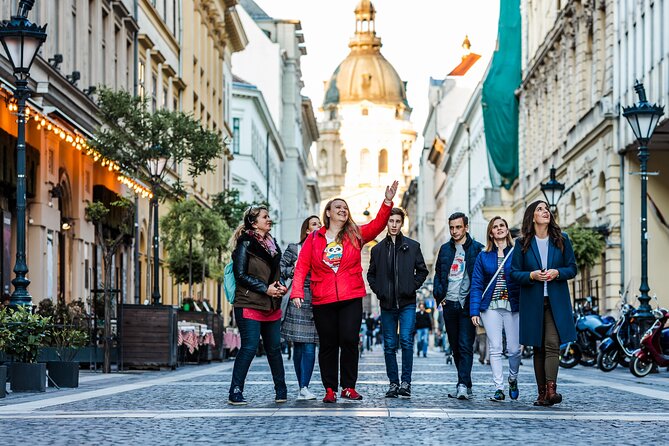
At $59.25 per person, you’re paying for three things that matter a lot in Budapest: a matched local guide, a plan customized to your interests, and the freedom to redirect while you’re out there.
You’re not paying for:
- Attraction tickets
- Food and drinks
- Any private vehicle
That’s actually a good sign for value. A lot of tourist tours in Europe quietly bundle paid attractions and then shove you through them. Here, you decide what’s worth paying for. Your guide can suggest what to skip, what to prioritize, and where your time is best spent.
Also, private tours are often “expensive for what you get.” This one aims to justify the cost by maximizing time on the street and minimizing wasted time. If you only have a short trip—or you want one solid day to set direction for the rest of your visit—this type of guide-led plan can be an efficient way to avoid random guesswork.
If you’re traveling as a family or with mixed ages, the private format is a big plus. Guides like Yulia and others were praised for pacing around kids and keeping everyone comfortable while still covering the core sights.
The Questionnaire System: How Your Guide Builds Your Route
After you book, you get a short questionnaire. It’s not busywork. It’s how your guide learns what you care about—imperial-era palaces, cafés, artisan shops, riverfront strolls, or everyday street life.
Then your guide reaches out directly to shape the itinerary. That’s a major difference from a generic walk where you just follow along and hope you like the chosen stops. Here, your guide is expected to build your day around your preferences and your must-sees.
In real use, this kind of tailoring shows up in the details:
- Guides adjusting the plan if you’ve already seen something
- Guides offering options for local food along the way
- Guides using conversation to steer the day toward your questions and curiosity
One more small point that matters: your tour can start at a time you choose when you book. That helps if you want to align with morning energy, afternoon light, or dinner plans.
Buda Castle District: Panoramas Plus Royal Backstory

A big portion of the day often heads to the Buda Castle district. This is where Budapest starts feeling like a fairytale city—tight streets, dramatic architecture, and viewpoints that make the Danube look close enough to touch.
The tour approach here is practical: you don’t just stand at a railing and take photos. Your guide helps you connect what you’re seeing with what came before—learning about the city’s royal past and how that story shaped the streets around you.
What makes this stop “worth it” on a guided walk:
- You’ll understand the UNESCO World Heritage feel without it turning into a lecture
- You’ll get a sense of how the Buda side differs from the Pest side in mood and elevation
- You’ll get the best angles for sweeping views, not just the busiest ones
If you’re the type who likes looking at buildings and figuring out what era they belong to, this area will click fast.
Danube Walk to Chain Bridge and Parliament Views
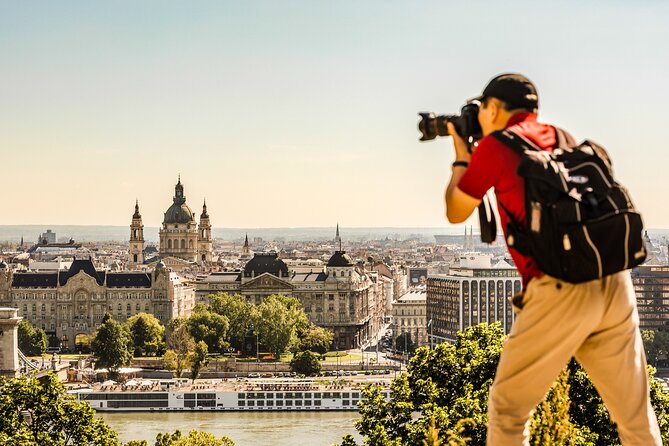
After Buda Castle, you’ll get time along the Danube banks. This part is relaxed on purpose: you’re chatting with your guide while the city opens up across the water.
You’ll admire iconic sights from across the river, including:
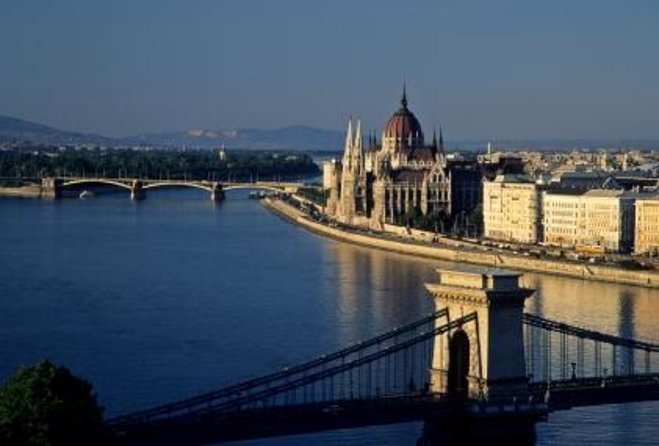
- Chain Bridge
- Parliament
Here’s the value of a local guide on this section: you get context for why these landmarks matter and how they fit into the city’s story. Without that, the riverfront can feel like pretty scenery. With it, it starts feeling like a timeline you can walk.
Also, this is where Budapest’s “theaters of perspective” become obvious. From one angle, Parliament looks monumental. From another, you realize how the river shapes movement, views, and everyday life.






Fisherman’s Bastion Viewpoints: Why the Towers Look Like They Belong in a Story

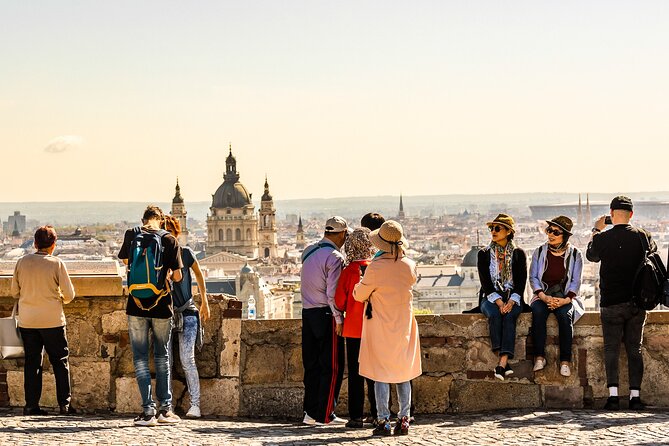
Fisherman’s Bastion is a go-to stop for a reason. From the higher viewpoints, you can see across to Pest and feel how Budapest got its reputation for beauty.
Your guide helps you read what you’re seeing, including the architectural blend described for the site—neo-Gothic and neo-Romanesque styles. Translation: the towers don’t look like random decoration. They’re part of a design language meant to communicate a certain historical vibe.
This is also a good place to adjust your pace. If you want more time for photos, you can slow down. If you want to keep moving, your guide can keep the story tight and get you to the next neighborhood segment.
If you’re short on time, prioritize viewpoints here. It’s the kind of spot where one missed moment can mean one less “wow” memory.
Jewish Quarter Stroll: Food Stops, Murals, and Market Energy
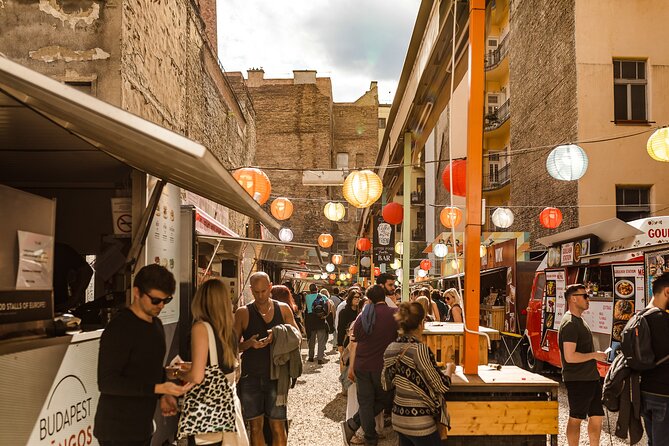
Budapest’s Jewish Quarter is where the city’s past and present feel close together at street level. The tour route here leans into texture: old-school bakeries for sweet treats, murals, and market stalls that show off the area’s mix of tradition and modern trend.
This stop works best if you like your history with real-life details. You’re not just looking at plaques. You’re walking through an area that still hums with activity—where you can stop for a snack and keep going without breaking the flow of the walk.
Practical note: this is also a strong segment for questions. Guides often use the neighborhood as a jumping-off point for broader history and cultural context, and you’ll get more out of the walk if you ask what interests you most.
Grand Boulevard to Ruin Bars and Courtyard Cafés
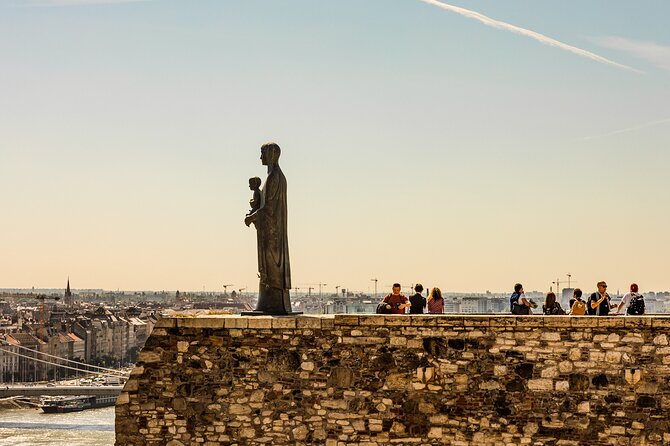
A later stretch often includes a grand boulevard lined with 19th-century mansions. That sets the stage: you see how Budapest once projected style, confidence, and influence through architecture.
Then your guide may shift you into places that feel more local than tourist. Think tucked-away ruin bar vibes or hidden courtyard cafés, where the atmosphere changes the moment you step off the main street.
This is where a good guide earns their fee. The same boulevard can feel like a photo stop with a mediocre narration—or like a story you can walk through. If your guide has a personal connection to the city (many hosts clearly do), you’ll feel it in how they describe the layers of what came before and what’s here now.
A small bonus from real-world guiding: some guides have strong restaurant instincts and will even help you plan dinner around the day’s neighborhood flow.
Pace, Distances, and Using Public Transport Like a Pro
Yes, it’s a walking tour. But it’s not stubborn about it. Your guide may suggest public transportation for longer distances, especially if you’re covering both Buda and Pest sections efficiently.
That matters because Budapest’s geography can make “walking only” plans exhausting. Using the metro or other transit strategically can let you see more and still keep energy for viewpoints.
One consideration: since transportation costs are settled on the day, you’ll want a small buffer in your budget. Also, bring a sense of flexibility. If the day’s pace is too fast for you, your guide can usually adjust, which is exactly what people praised—like when guides switched to the underground to help keep a group from running out of steam.
What Makes the Best Guides Shine (You’ll See It Fast)
The best part of this experience is how guides interact with you. Multiple hosts were praised for:
- Strong English
- Warm, welcoming personality
- Excellent pacing (including families and mixed groups)
- Openness to your ideas and questions
- Flexibility on the fly
For example, hosts such as Lőrinc and Richard Borbas were singled out for being easy to spend time with and for turning the walk into conversation, not a one-way lecture. Others—like Agnes and Balazs—were praised for tailoring stops based on interests and adjusting when plans needed to change.
One memorable type of detail you might get on a walk: mini statues scattered around the city, tied to Hungarian artist Mihály Kolodko. A guide who knows these details can turn a normal sidewalk into a scavenger-like experience without wasting time.
Meeting Point and First-Meeting Tips (So Your Day Starts Smooth)
This tour can start at your hotel, or at a central meeting point at Deák Ferenc tér area, specifically Lutheran Church of Ferenc Deák Square (Deák Ferenc tér 4, 1052).
In practice, the only thing that can trip people up is a mismatch between where the guide expects to meet and what you expected from your confirmation. The fix is simple: message your guide before you set out, even if you think it’s clear. It takes two minutes and prevents the awkward half-hour scramble.
Once you’re together, the tour is designed to loop back: it ends back at the meeting point.
Who This Tour Fits Best
This is a great fit if:
- You want one guided day to cover major Budapest highlights without losing time to planning
- You like the idea of a local asking what you care about first
- You want flexibility to change your mind mid-walk
- You’re traveling as a family or group and need pacing that adapts
- You’d rather learn through conversations and street-level context than through a strict script
It’s less ideal if:
- You hate walking and would rather do a sit-and-go sightseeing style
- You want a tour that includes attraction tickets and meals as part of the package (this one doesn’t)
Quick FAQ
FAQ
Is this tour only walking?
It’s primarily a walking experience. For longer distances, your guide may suggest using public transportation, and any transportation costs would be handled on the day.
How long is the tour?
The duration can run from about 2 to 6 hours, depending on how you structure your time and the route your guide builds around your interests.
Do I need to buy tickets or pay for attractions?
No. Food, drinks, and tickets to attractions are not included. Your guide can suggest what to do, but you’ll handle tickets separately if you choose to visit sites that require them.
Will I meet my guide at my hotel?
Yes, pickup is offered so the tour can begin on foot from your hotel at no additional cost. If your hotel isn’t on the listed options, you can choose a central meeting point instead.
How does the guide know what I want to see?
After booking, you’ll receive a short questionnaire. Your guide also personally reaches out to craft a fully customized itinerary based on your answers.
Is this a group tour?
No. This is a private tour, so only your group participates.
Can I change plans during the tour?
Yes. The itinerary is designed to be flexible, so you can change stops or adjust as you go.
What language is the tour in?
It’s offered in English.
Should You Book This Budapest Private Tour?
If you’re trying to do Budapest right on limited time, I’d book it—especially if you like your sightseeing customized. The combination of a pre-tour questionnaire, real flexibility, and a guide who can steer you between big landmarks and street-level details is the core value here.
Book it with confidence if you’re open to walking and you want a local-style day that adapts to you. Just do one simple thing: confirm the meeting point message to your guide ahead of time, then lace up your shoes and enjoy a Budapest day that feels like it was built for your taste.