REVIEW · BUDAPEST
Budapest: Private City Tour with Local Guide
Book on GetYourGuide →Operated by Guidehungary · Bookable on GetYourGuide
Budapest clicks when you see it from both sides of the river. This private tour stitches together the big icons and the lived-in streets, with a local guide in an air-conditioned vehicle so you spend less time in traffic or lugging yourself up hills. It’s also the kind of setup that gets you questions answered in real time, not just a list of stops.
What I really like is the two-half route: Buda hilltop viewpoints (Castle District, Fisherman’s Bastion, Gellért Hill) paired with Pest landmarks (Parliament area, St. Stephen’s Basilica, Heroes’ Square). You also get hands-on local flavor at the Central Market Hall, where the focus is Hungarian food you can actually taste, not just photograph.
One thing to weigh: it’s only 3–4 hours, so even with a relaxed pace, you won’t have long sittings inside major buildings. Entrance fees are also not included, so plan for a bit of extras if you want to go in.
In This Review
- Key highlights worth planning around
- Why this private format makes Budapest easier
- Starting in Pest: fast orientation for a city that’s long and hilly
- Parliament area and Kossuth Square: the story behind the main stage
- Chain Bridge and Basilica: two icons that anchor your river views
- Buda Castle District: Matthias Church and Fisherman’s Bastion on a hilltop pace
- Gellért Hill and the Citadel: the viewpoint that explains Budapest’s bend
- Central Market Hall and National Museum area: eat first, then understand
- Jewish Quarter: stories you can tie to what you see
- Andrássy Avenue, the Opera House, and Heroes’ Square in one clean sweep
- City Park, Vajdahunyad Castle, and finishing at St. Stephen’s Basilica
- How much is it walk-heavy, really?
- Value and price: is $222 per person worth it?
- Who should book this private Budapest tour?
- Should you book this tour?
- FAQ
- What’s the duration of the Budapest private city tour?
- What’s included in the price?
- Are entrance fees included?
- Where does the tour start and where can it end?
- What are the suggested start times?
- What languages are the live guides?
- Is the tour private?
- Are there any rules about smoking?
Key highlights worth planning around

- A real two-sided overview: Buda Castle District and Pest downtown are both part of the same route
- Icon stops with purpose: Parliament, Matthias Church, Chain Bridge area views, and Fisherman’s Bastion aren’t random photo ops
- Gellért Hill viewpoint time: Citadel viewpoints help you understand the river and city layout fast
- Central Market Hall for food browsing: a practical, sensory stop in the middle of the history
- Big “grand avenue” energy: Andrássy Avenue and the Opera House sit right on your itinerary path
- A finish you control: your drop-off point is your choice in Budapest
Why this private format makes Budapest easier

Budapest can be a workout. The city stretches long, the river splits it in two, and the Buda side climbs. Doing a private car-based tour helps you keep your energy for the views and the walking that matters most.
I also like the “local guide, not just a map” approach. A guide can explain why certain buildings sit where they do, how the city grew, and what to pay attention to as you look around. That matters on a first trip, when everything looks impressive but you’re not yet sure what you’re seeing.
The “private group” piece is more than comfort. It means you can set priorities, ask follow-ups, and adjust stops based on what you care about most. That’s exactly why many people use this type of tour as a smart introduction before they decide what to revisit later on their own.
You can also read our reviews of more guided tours in Budapest


Starting in Pest: fast orientation for a city that’s long and hilly
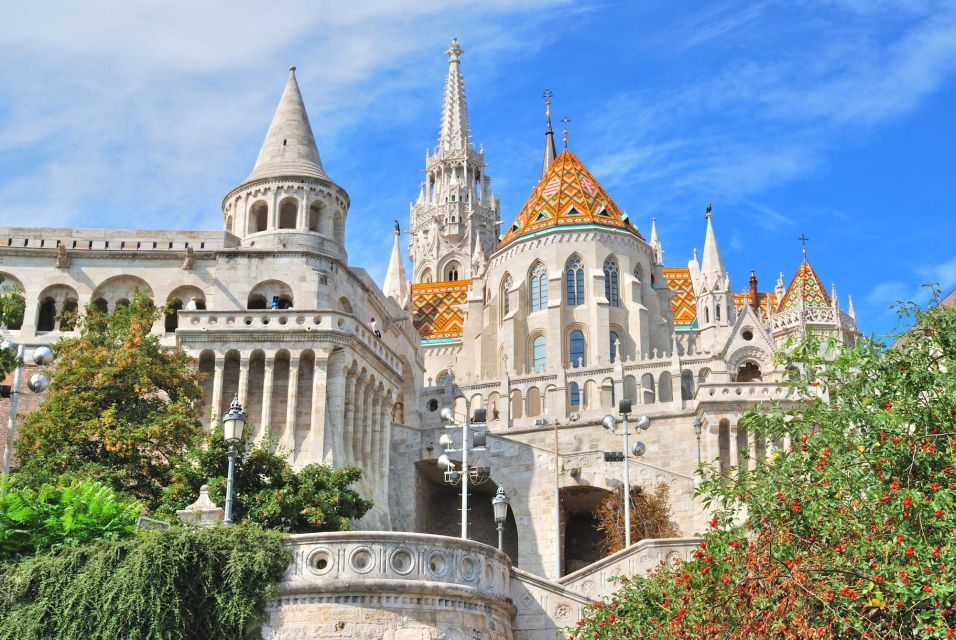
The tour begins in downtown Pest. You’ll get an initial photo stop and a guided introduction before you start moving across Budapest’s key neighborhoods.
This early orientation is useful because Pest is the part you’ll likely wander most on your own later. When you see where major squares, opera-area streets, and museum districts sit in relation to the river, you start navigating with confidence instead of guessing.
One practical bonus: because you’re in a vehicle between stops, you can keep walking shorter and more purposeful. This is a real help if you want to see a lot but you’d rather not do hill climbs all day.
Parliament area and Kossuth Square: the story behind the main stage
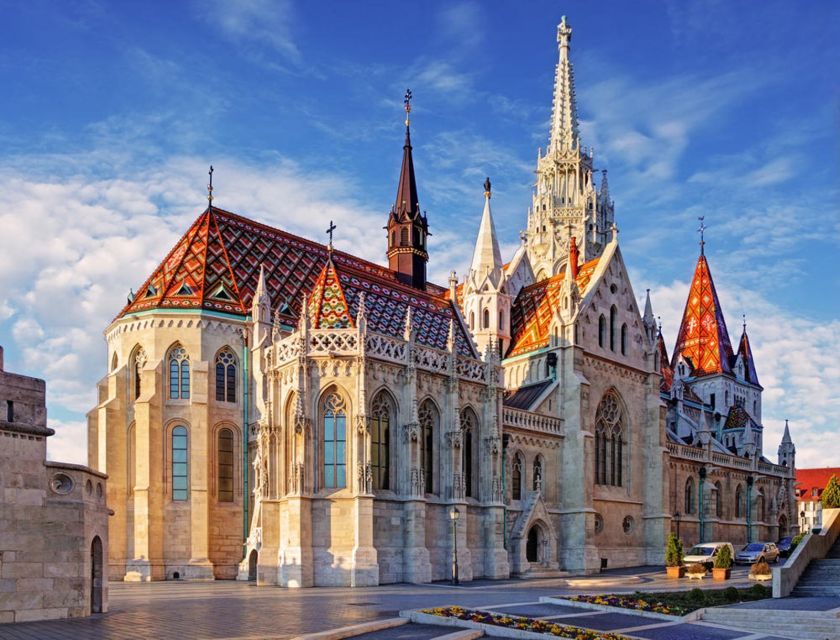
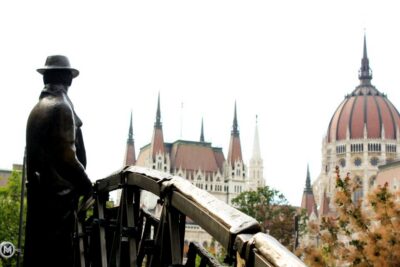
Budapest’s political centerpiece is the Hungarian Parliament, and the tour routes you through the Kossuth Square area tied to it. Even if you just take in exterior views, it’s one of those sights that looks like a movie set until you understand the context a guide gives it.
Why this stop works on a short tour: Parliament isn’t only an architectural landmark. It’s tied to the way modern Hungary presents itself in the city’s center. A good guide will help you connect what you see on the building facade to the big themes you’ll hear throughout the day.
The one consideration here is time inside. Entrance fees are not included, so if you want to go further than the exterior, you’ll need to add that on your own schedule (or decide to focus on the view and skip the inside this time).
Chain Bridge and Basilica: two icons that anchor your river views
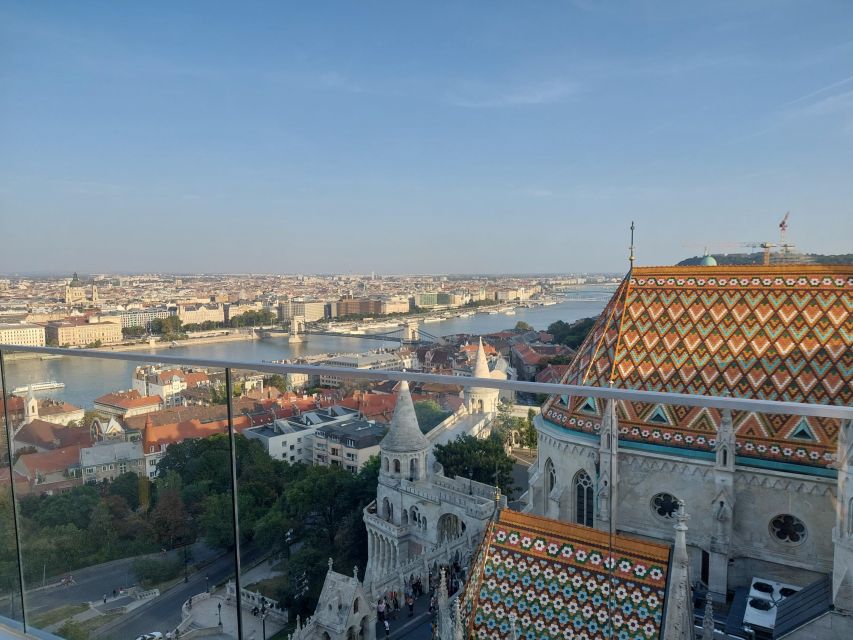
The tour lists the Chain Bridge and Basilica among the top sights, and the day’s flow sets you up for seeing them as part of a bigger picture.
Chain Bridge is a classic for a reason: it’s where the two halves of Budapest feel connected, not separate. When you’re moving through both Buda and Pest anyway, you can start to understand the river as the city’s organizing axis.
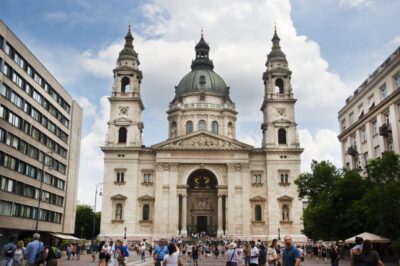
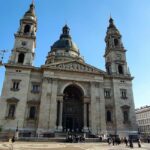
St. Stephen’s Basilica is another anchor. It’s one of Budapest’s most recognizable church interiors and exteriors, and it shows up later in the day as a clear, photogenic finishing highlight. If you’re someone who wants one “big wow” religious landmark without getting lost in side streets, this is a strong choice.
Again, remember the entrance fees note. You can admire and photograph without buying tickets, but inside access may cost extra.
Buda Castle District: Matthias Church and Fisherman’s Bastion on a hilltop pace
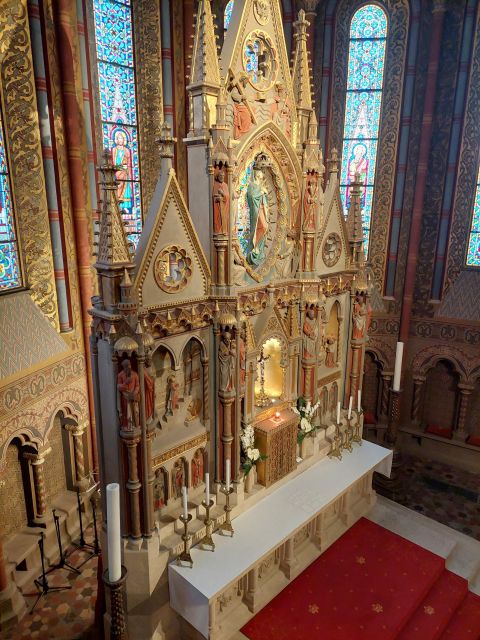
After starting flat in Pest, the tour turns toward the Buda hill side. The Castle District is the signature transition: winding streets, historic stonework, and the feeling that you’ve climbed into a different layer of the city.
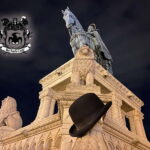
Two standout stops here are Matthias Church and Fisherman’s Bastion.
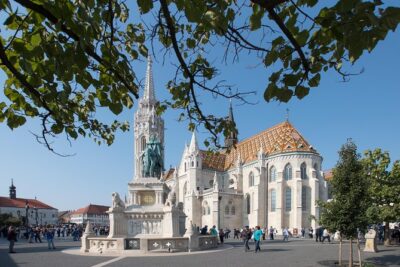
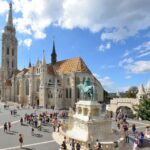
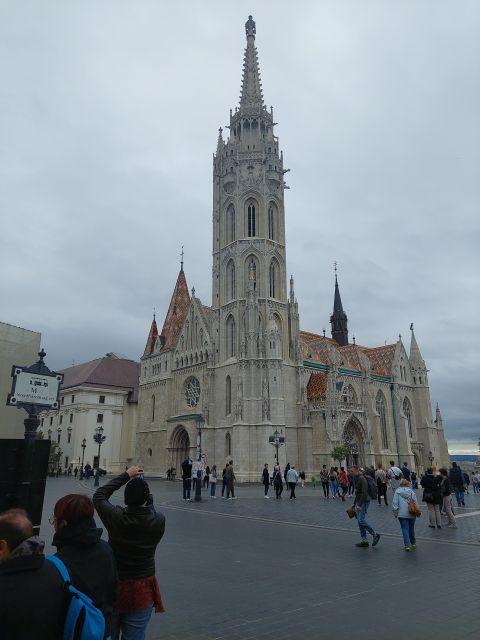
- Matthias Church: Gothic-style details catch your eye quickly, and a guide’s commentary helps you see beyond the postcard angle. It’s also a good spot to ask questions because it’s visually dense—there’s always something to point at.
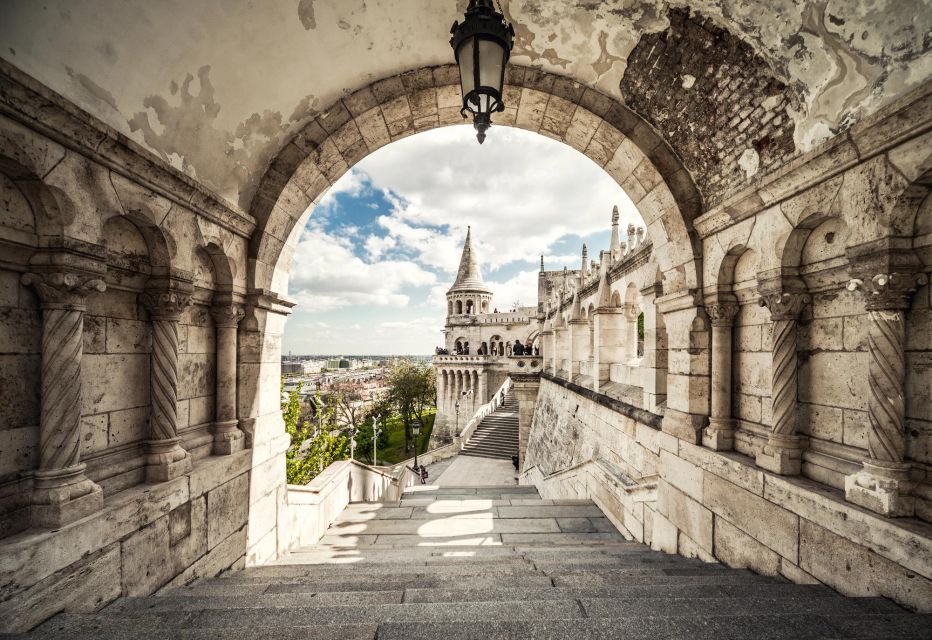
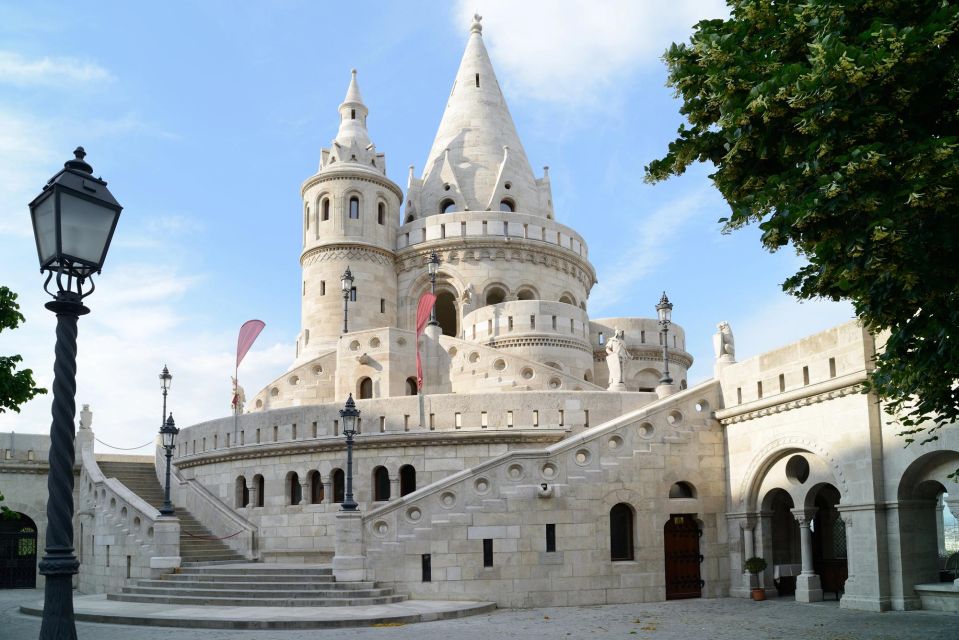
- Fisherman’s Bastion: This is a viewpoint as much as it is a landmark. When you pair it with the earlier river orientation in Pest, the panoramas start making more sense.
The only practical caveat: Castle District means hills. You’ll likely do short walks that can include steps or uneven ground, so comfortable shoes matter. It’s not a “sit on a bench all day” tour, but the private structure keeps those walks manageable.
You can also read our reviews of more city tours in Budapest



Gellért Hill and the Citadel: the viewpoint that explains Budapest’s bend
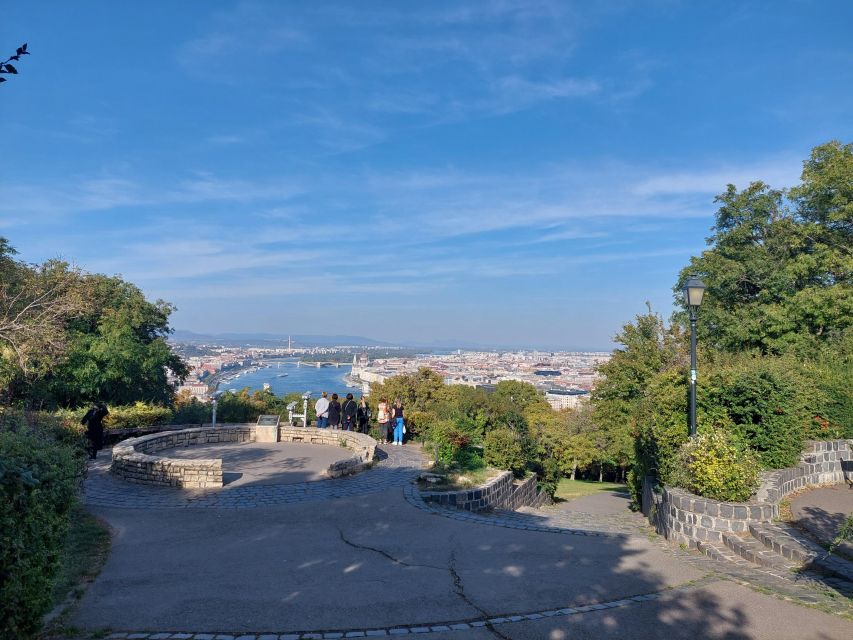
Next comes Gellért Hill and the Citadel at the top. This part is valuable because it gives you an “explain the city” perspective.
From a height, Budapest isn’t just pretty—it’s legible. You can see how the river curves, where the districts cluster, and why the Buda side feels like it commands the city. After you get that mental map, walking around later feels easier, because you’ll recognize what you saw from above.
One more benefit: on a short schedule, viewpoint time is one of the best investments. You get a lot of understanding for the relatively small effort of reaching the top.
Central Market Hall and National Museum area: eat first, then understand
The tour includes a stop at Central Market Hall, positioned as a food-focused break. This is one of the best ways to keep a history-heavy day from becoming all monuments.
You’ll have a chance to browse and discover fresh Hungarian food, which is a smart reset before you move into more museums and neighborhoods. Even if you only snack, it helps you taste what “Hungary” means here, not just what it looks like.
After the market, the tour continues toward the National Museum area and then the Jewish Quarter. That sequencing matters: you’re not just jumping from one famous building to another. You’re moving from food and daily life into deeper historical layers.
The drawback: Central Market Hall is a place where you can easily lose time. If you want maximum coverage, treat the market as a “browse with intention” stop—pick a couple tastes rather than trying to do everything.
Jewish Quarter: stories you can tie to what you see
A guided stop in the Jewish Quarter gives you a chance to understand how different communities shaped the city you’re walking through. Even from outside, a guide can point out details and historical connections you’d miss on your own.
On a private tour, this also tends to feel less overwhelming. You can ask where to look, what to focus on, and what to revisit later if the neighborhood pulls your interest.
Just keep expectations realistic: with a 3–4 hour tour window, you’re getting a guided orientation rather than a full deep dive into every street and story. If you leave curious, that’s a good sign.
Andrássy Avenue, the Opera House, and Heroes’ Square in one clean sweep
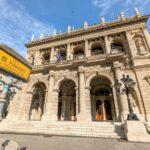
As you move toward the next cluster of highlights, the route includes Andrássy Avenue, with a pass by the State Opera House. This is Budapest’s “grand street” moment—wide, elegant, and very much designed to impress.
Then you stop for Heroes’ Square. This square is a classic reason people come to Budapest: the scale, the symmetry, and the way it communicates national identity. If you’ve been learning the city’s story all day, it acts like a visual summary—big symbols, big meaning.
One reason I like keeping Heroes’ Square inside a private half-day tour: it’s hard to reach “efficiently” if you’re already juggling Buda viewpoints and east-side neighborhoods. Here, it’s part of the same circuit, so you don’t lose time backtracking.
City Park, Vajdahunyad Castle, and finishing at St. Stephen’s Basilica
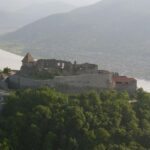
After Heroes’ Square, the tour brings you into City Park and includes a stop around Vajdahunyad Castle. This is a nice change of pace because it’s less about a single building and more about the way Budapest’s open spaces frame the city.
Vajdahunyad Castle is visually striking and often acts like a palate cleanser after the symbolic intensity of squares and monuments. You’ll likely appreciate it more on a tour than on a random stroll, because the guide can connect it to the city’s broader themes.
Then the tour moves to St. Stephen’s Basilica. It’s one of the best ways to end a first Budapest day because it’s recognizable, impressive, and works as a bright “capstone” to a route that covered everything from politics to viewpoints to markets.
How much is it walk-heavy, really?
Because this experience uses a private air-conditioned vehicle with pickup and stop-to-stop routing, it’s designed to limit long walking stretches. That said, Budapest isn’t flat. You’ll still walk at the Castle District, at viewpoints, and in the central sightseeing zones, so pack shoes you’re comfortable in for uneven ground and hillside steps.
The upside is control: short walks, frequent breaks, and a guide who can help you prioritize what you want to linger on.
Value and price: is $222 per person worth it?
At $222 per person for about 3–4 hours, the value comes from what you’re buying: logistics plus context.
You’re paying for:
- A local guide who can connect sights to the story of the city
- Door-to-door pickup and drop-off in Budapest (hotel pickup is optional)
- Air-conditioned private transport
- Refreshments included
If you’re traveling with limited time, this format can be the most efficient way to see both Buda and Pest highlights without turning your trip into a sore-foot contest. It’s also good value if you’d otherwise pay for taxis between far-flung areas plus a guide for interpretation.
The main value tradeoff is that entrance fees are not included. So if you’re ticket-heavy (multiple interiors, longer market time, etc.), your total day cost may rise. But if you’re happy to focus on views, exteriors, and guided context, the included sights feel tightly matched to the time.
Who should book this private Budapest tour?
This tour fits best if you:
- Want a first-time overview that covers both Buda and Pest without renting a car
- Have short time in Budapest and want the highlights in a single loop
- Prefer a private guide who can tailor the pace and answer questions
- Would rather avoid long walks on hills and uneven surfaces
- Like having smart restaurant and sightseeing guidance to use after your tour
It may not be ideal if you want a slow, museum-centered day with lots of time inside major buildings, since the window is fixed and entrance fees are extra.
Should you book this tour?
Yes, if your goal is to get oriented fast and see the big Budapest hits in one half-day, this is a strong choice. The private setup, the car routing, and the mix of viewpoints, markets, and iconic monuments make it a practical way to build your own sightseeing plan for the rest of your trip.
I’d book it especially if you’re arriving and want to understand what to revisit later. If you’re already a Budapest expert or you’re craving deep museum time, you might be better off building a slower self-guided route.
FAQ
What’s the duration of the Budapest private city tour?
It runs for about 3–4 hours.
What’s included in the price?
A private tour by air-conditioned vehicle, pickup and drop-off in Budapest, a local tour guide, and refreshments are included.
Are entrance fees included?
No. Entrance fees are not included.
Where does the tour start and where can it end?
Pickup is in Budapest, and your meeting point is typically the reception area of your accommodation. The drop-off point is your choice.
What are the suggested start times?
The suggested start times are 09:00 and 14:00.
What languages are the live guides?
English, Italian, and German are available.
Is the tour private?
Yes. It’s a private group.
Are there any rules about smoking?
Smoking is not allowed.