REVIEW · BUDAPEST
Budapest: Hammer & Sickle Communism Walking Tour
Book on GetYourGuide →Operated by Absolute Tours · Bookable on GetYourGuide
Communism in Budapest has a second storyline—one told on sidewalks. This Hammer & Sickle walking tour strings together how Hungary actually lived under communist rule, from daily routines to the 1956 Revolution sites you can still read in the city. I especially like the way the talk connects big events to small, human details, like how people handled passports and what school life felt like.
What I like most is the combination of landmark walking and a focused stop for a 1956 exhibition, so the story doesn’t stay abstract. One drawback to consider: this is a 2-hour continuous walk, so you’ll want comfortable shoes and a realistic sense of pace—plus it’s not recommended for kids under 14 or for people with mobility impairments.
In This Review
- Key things to know before you go
- From Deák Ferenc Square to Liberty Square: how the walk is set up
- What communist-era Budapest felt like day to day
- The 1956 stops: seeing revolution as something people tried on the streets
- Liberty Square Soviet Memorial and the Parliament area: reading power in stone
- The guide: why the commentary is the real product
- Price and comfort: does $72 feel fair for 2.5 hours?
- Should you bring kids or worry about the age guidance?
- Should you book this Hammer & Sickle Communism walking tour?
- FAQ
- How long is the Budapest Hammer & Sickle Communism walking tour?
- Where do I meet the guide?
- Is the tour offered in English?
- Does the tour include food?
- What should I bring?
- Is pickup included?
- Is it suitable for children?
- What is the cancellation policy?
- Is the tour accessible for people with mobility impairments?
Key things to know before you go
- Start at Deák Ferenc Square (1052 Budapest, Deák Ferenc ter 4) in front of the Lutheran Church steps
- A licensed English guide shapes the whole experience, and reviews often mention strong preparation
- You’ll see a 1956 Revolution exhibition tied to the period’s street-level pushback
- Liberty Square Soviet Memorial and the Parliament area anchor the story in place, not just in facts
- Coffee or tea (plus sometimes more) helps you stay comfortable during the walk
- 2.5 hours total with 2 hours of continuous walking means you’ll feel it—bring good footwear
From Deák Ferenc Square to Liberty Square: how the walk is set up
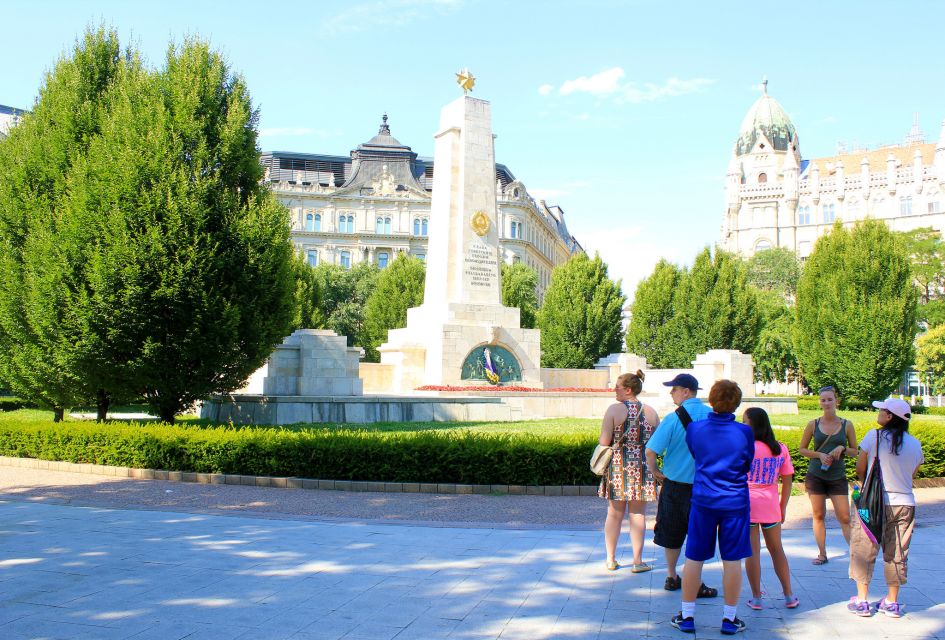
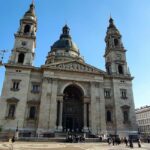
You meet in the heart of downtown at Deák Ferenc tér, at 1052 Budapest, Deák Ferenc ter 4, in front of the pale yellow Lutheran Church, right on the steps. It’s a smart meeting spot because you’re already in the central streets of Pest, close to the big government-and-history axis the tour will follow.
The route is built for walking through everyday city space. You’ll move along small streets where the historical events actually happened, then shift toward the monumental spaces where communist power and later resistance were publicly staged. The tour is English, and it runs in all weather. Translation: don’t plan to wear sandals and hope for the best. Bring weather-appropriate clothes and a layer you can handle if rain or wind shows up.
The experience is paced as a guided storyline, not a museum visit. You’ll spend most of your time walking, with a couple of slower moments where the guide points out details and sets the context. That makes it great if you like learning while moving, but it also means you’re committing to time on your feet.
You can also read our reviews of more walking tours in Budapest



What communist-era Budapest felt like day to day
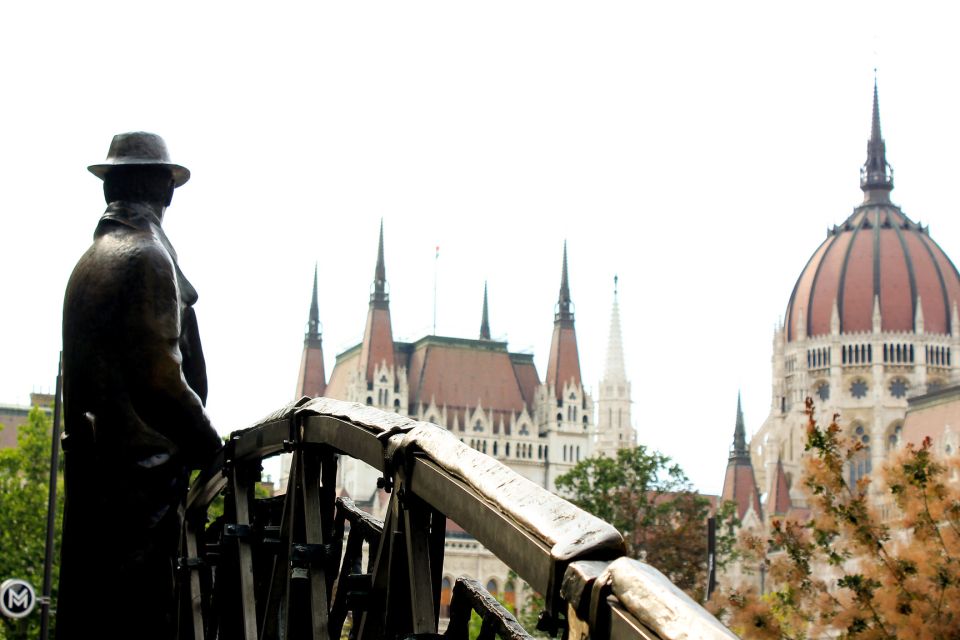
If you’ve only heard communism in Hungary as a headline story, this tour’s main strength is making it feel operational—like it ran through daily decisions. The walk is designed to give you a clear overview of the 50 years of communist rule, including how people managed ordinary life behind the Iron Curtain.
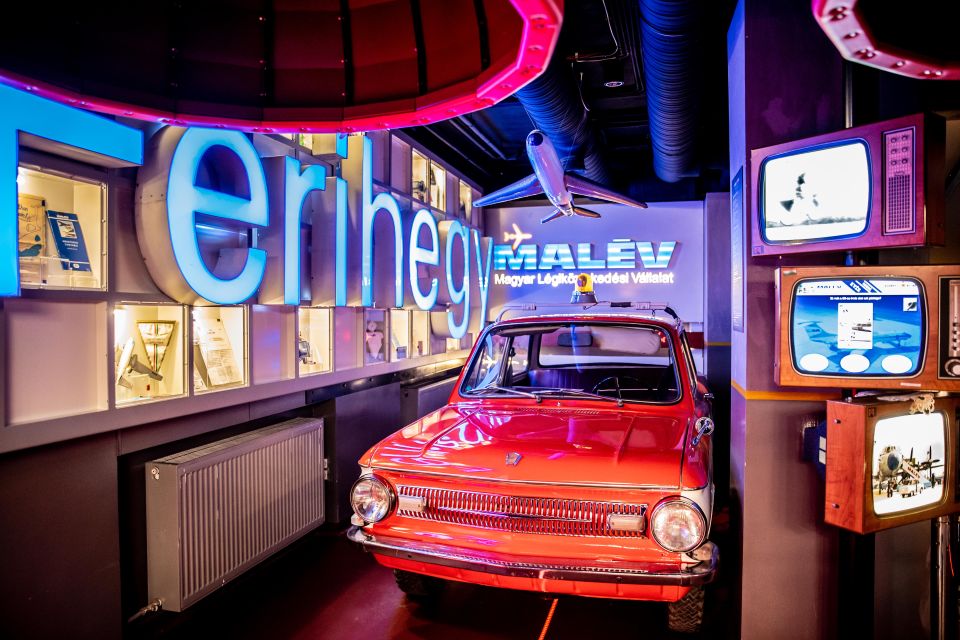
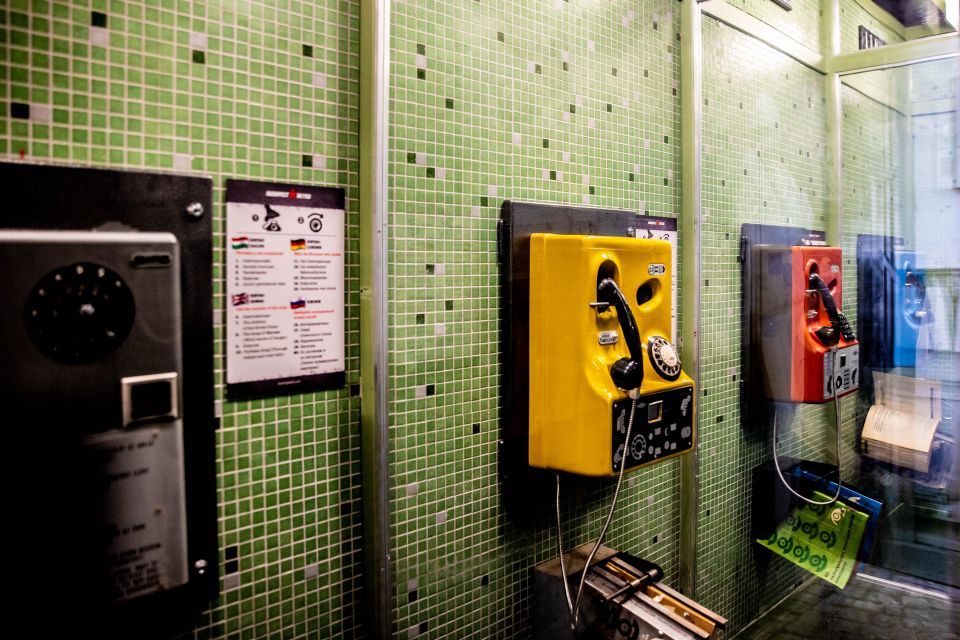
Expect the guide to bring the period down to what you can imagine: commuting and work routines, the kinds of cars people drove (including Trabant), and even how spirits could show up at work. It sounds almost casual when you hear it, but that’s the point. You’re seeing how regimes try to control life, while people still find ways to function inside the system.
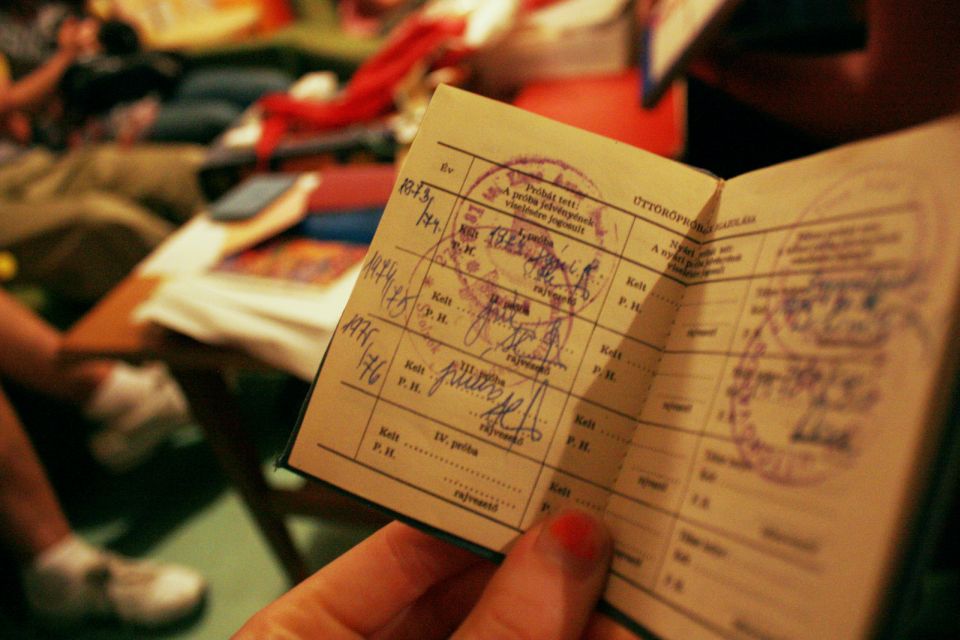
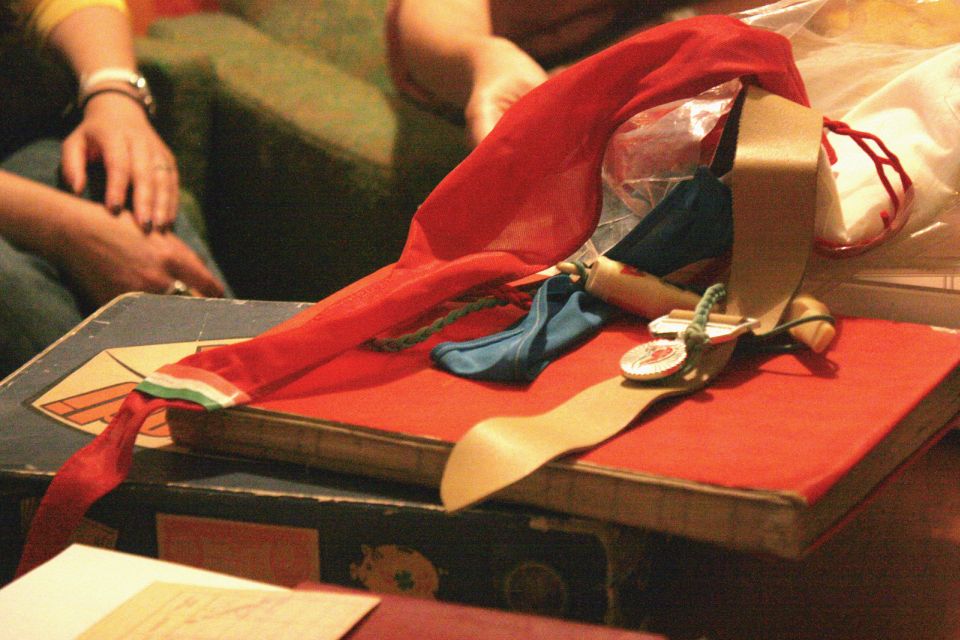
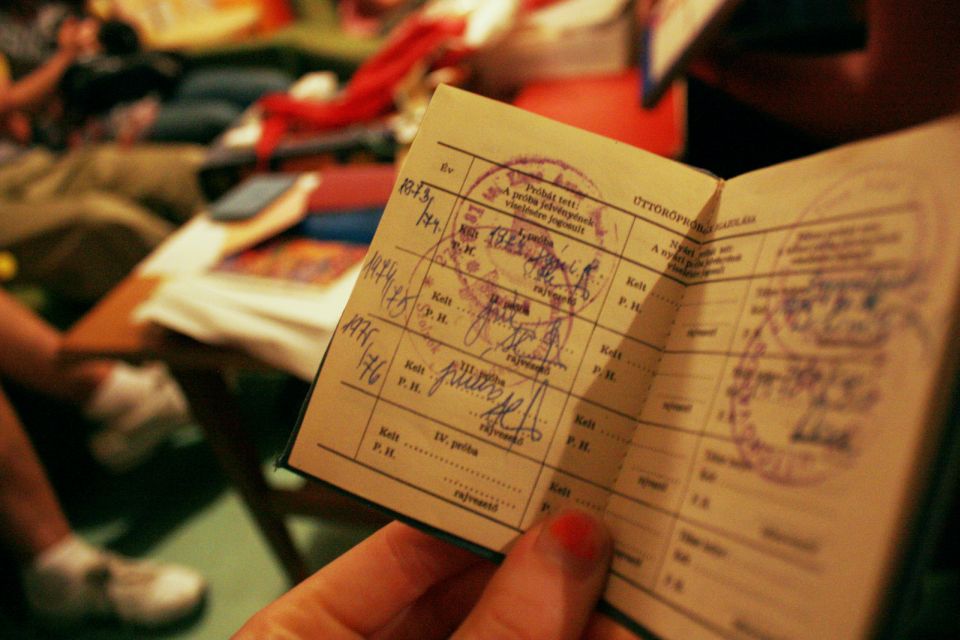
A big theme is practical negotiation. You’ll hear how residents navigated things like getting a passport, and how school life worked under the rules of the day. Those aren’t just trivia; they explain why communist systems lasted. They didn’t only control government and media. They shaped schedules, opportunities, and what felt possible.
This is also where the tour becomes more than facts. When the guide connects a policy to a lived experience, you start to understand the emotional logic people carried: caution, hope, resignation, and bursts of courage. One review highlights how the guide provided an inside look at the Hungary that you won’t see if you only visit the country today—because you get the rules people lived under, not just the architecture and monuments.
The 1956 stops: seeing revolution as something people tried on the streets
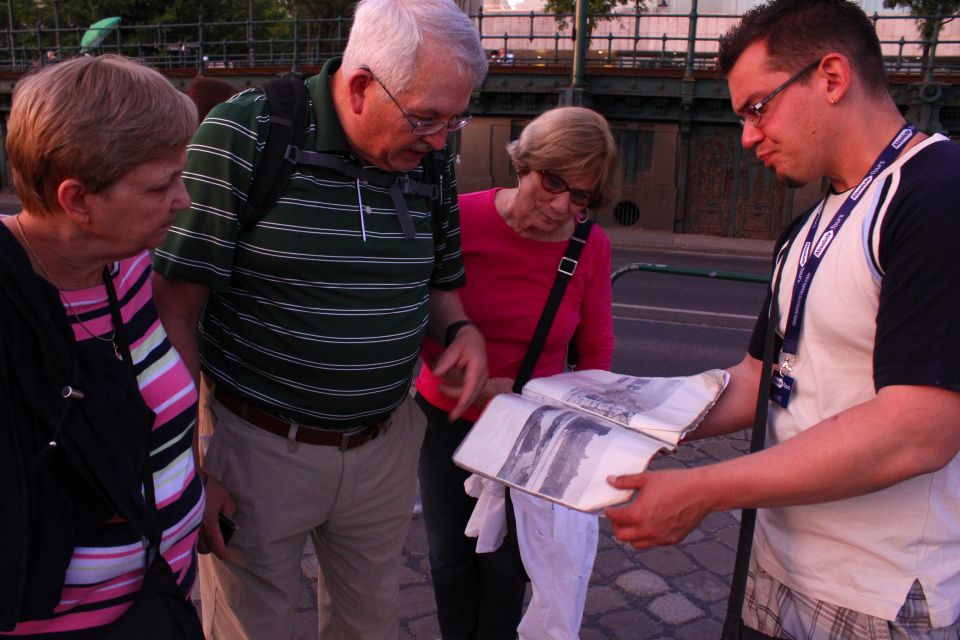
One of the tour’s highlights is a stop for an exhibition about the 1956 Revolution. The aim here isn’t just dates. It’s to show you how the fighting and resistance translated into moments people could witness, endure, and remember.
During this part, you’ll learn about early protests and the first organized efforts people used to push back against what the tour frames as an unethical regime. The exhibition is described as small, but that can be a plus: a smaller, targeted display often means the guide can focus on the narrative thread without pulling you into a maze of unrelated material.
You’ll also hear tales tied to the Revolution’s street-level energy—stories about the volleys being commemorated in the exhibition setting. Even if you know basic 1956 history, this kind of guided framing helps you see what was at stake beyond slogans.
This stop matters because it turns the Revolution from a single event into a turning point with consequences. It gives you the sense that people were reacting in real time—deciding, gathering, and risking things—rather than treating history like something that simply happened to them.
Liberty Square Soviet Memorial and the Parliament area: reading power in stone
The tour’s route takes you to two major reference points: Liberty Square Soviet Memorial (with the last Soviet monument mentioned) and the area around the Hungarian Parliament.
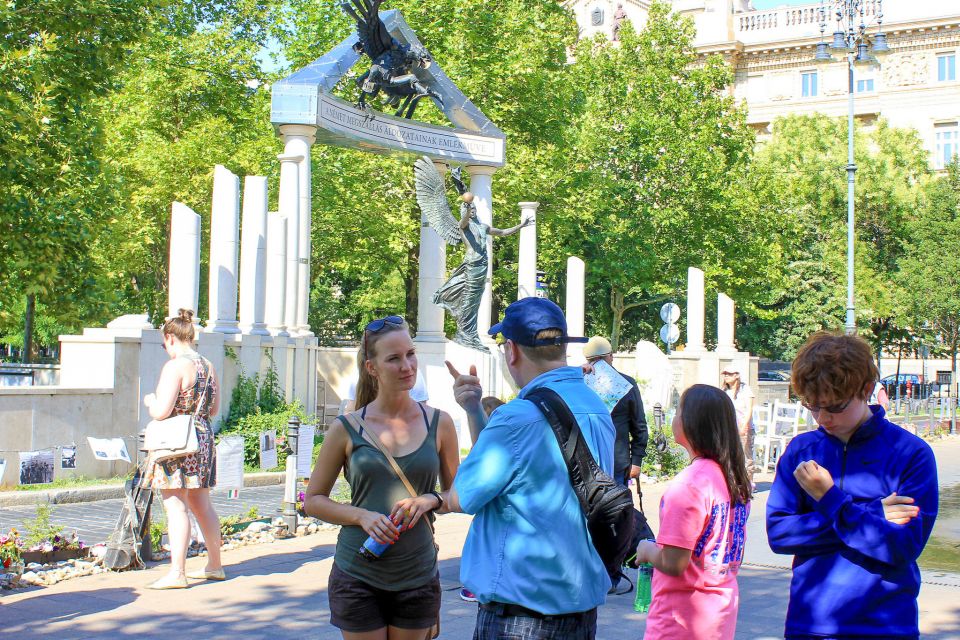
Liberty Square works as a kind of emotional anchor. Even if you didn’t know much going in, you can usually feel how monuments like this are meant to shape memory. The Soviet memorial isn’t just background; it’s part of a broader message about occupation, ideology, and control. The guide’s job is to explain what the monument symbolized at the time, and why later generations would want to argue with that story.
Then you shift toward the Parliament area—another place where politics becomes physical. The guide ties these landmarks into the bigger events that put Hungary on the map. You’re not just looking at buildings; you’re being taught how governments wanted to be seen, how public space carried ideology, and how resistance and national identity were expressed through how the city was organized.
If you like architecture and political geography, you’ll get extra value here. If you don’t, it still works because the guide connects the meaning to the period you’re learning about, so you’re not stuck taking guesses.
The guide: why the commentary is the real product
The written facts matter, but the guide is what makes this tour click. The experience is built around a licensed expert guide, and multiple reviews point out that the guides were prepared and effective at communicating.
In one review, the guide George is specifically praised as personable, knowledgeable, and informative, with an added bonus of humor and conversational storytelling. Another review calls out professional, well-prepared guiding. That matters because communist-era history can slide into either dry lectures or overly opinionated talking points. A good guide holds the middle: clear facts, human stories, and enough context to keep you oriented.
Not every experience gets perfect marks, though. One review mentions that the guide’s enthusiasm and sequence of the talk felt weak. That’s your reminder to treat this as a living, human tour—style can vary by guide and day. If you’re sensitive to pacing or you like a highly energetic delivery, it’s worth choosing times that fit your own tolerance for slower, story-driven history.
Still, even reviewers who were critical of value generally agreed the content was interesting, and the stronger reviews emphasize that the guide made the history practical and easy to follow.






Price and comfort: does $72 feel fair for 2.5 hours?

At $72 per person for a 2.5-hour guided walk (with about 2 hours of continuous walking), you’re paying for three things: a licensed guide, a guided route through central Pest, and at least one exhibition stop, plus refreshments like coffee, tea, or a soft drink.
Is that expensive? For Budapest walking tours, it’s not bargain-basement pricing. But it can still be fair value if you want context from a professional rather than trying to piece together everything yourself from signs. A guided history like this saves you time. It also helps you avoid the common trap of learning random communist facts without understanding how they affected daily life.
One review specifically questioned whether it was worth the price at a similar level. On the other hand, others gave full marks for the guide quality and the structure of the explanations. So here’s my practical way to think about it: if you’re the type who enjoys walking while learning, and you care about Hungary’s communist era beyond the headlines, $72 can feel like a reasonable trade. If you prefer self-guided history and you’re happy doing background reading before you go, you might feel the cost more.
Comfort-wise, plan for steady walking outdoors. Bring comfortable shoes and clothes that match the weather. The tour operates in all weather, and it’s not recommended for people with mobility impairments.
Should you bring kids or worry about the age guidance?
The tour states it’s not recommended for children under 14. That’s an important filter for families, especially because a lot of the material involves political conflict and repression, not just cultural trivia.
One review does mention a guide keeping an 11-year-old and a 17-year-old engaged. That suggests the content can be handled thoughtfully when the guide is skilled at pacing and engagement. But the official guidance is still your best baseline. If you’re traveling with younger kids, I’d treat the “under 14 not recommended” note as your real decision-making tool, not as a suggestion you can ignore.
For teens and adults, this kind of tour tends to land best. If your group likes history that connects to everyday life—passports, schools, work routines, and public memory—you’ll have a stronger match.
Should you book this Hammer & Sickle Communism walking tour?
Book it if you want a guided, place-based education about Hungary’s communist era, with a clear storyline that links the Iron Curtain period to the 1956 Revolution and major monuments like Liberty Square and the Parliament area. I’d especially recommend it if you like understanding how politics shaped daily life, not just how it ended.
Skip it or consider a different format if walking nonstop for about 2 hours would be tough for you, if you need a strictly high-energy guide style, or if you’re looking for something geared toward younger kids. And if you’re mostly after quick sightseeing, you might find this tour’s value depends heavily on the guide’s delivery.
If you do book, go in with comfortable shoes and a curiosity about how ordinary people lived under an ideology that reached into everything—from work and cars to paperwork and school.
FAQ
How long is the Budapest Hammer & Sickle Communism walking tour?
The tour lasts 2.5 hours, and it includes about 2 hours of continuous walking.
Where do I meet the guide?
Meet at 1052 Budapest, Deák Ferenc ter 4, in front of the Lutheran Church (pale yellow), on the church steps.
Is the tour offered in English?
Yes. The tour is conducted in English.
Does the tour include food?
No food is included, but you do get refreshments such as coffee, tea, or a soft drink.
What should I bring?
Bring comfortable shoes and weather-appropriate clothing, since the tour operates in all weather conditions.
Is pickup included?
Pickup is not included. However, pickup is described as optional—if you book, you can enter pickup details for centrally located accommodation.
Is it suitable for children?
The tour is not recommended for children under 14.
What is the cancellation policy?
You can cancel up to 24 hours in advance for a full refund.
Is the tour accessible for people with mobility impairments?
The tour is not suitable for people with mobility impairments.