Skip the center and follow the food. This small-group Budapest tour trades tourist traps for Óbuda and mixes bites with real sights like Roman Amphitheatrum ruins. You also get walking commentary about Hungarian food and the neighborhoods people actually live in.
I especially like the 8+ tastings that go beyond one quick snack stop, from strudel and lángos to sausages or pork knuckle, gulyás, and pálinka. I also like the way the guide ties what you eat to where you are, with fun, street-level history from guides like Zoltan and George.
One drawback: plan on a fair amount of walking, and the portions can feel generous, so comfortable shoes and a slower pace help if you’re not a big eater.
In This Review
- Key Highlights Worth Your Time
- Why Óbuda Beats the Usual Budapest Food Stops
- Meet at Árpád: How the 3.5-Hour Flow Works
- Stop 1: Amphitheatrum and Roman Budapest Before You Eat
- Stop 2: The Danube Split and Panoramic Budapest Moments
- Stop 3: Óbuda on Foot and the Neighborhood You Actually Came For
- The Tastings: What You’ll Actually Eat (and Drink)
- Strudel + Crisp Lángos
- Hungarian Sausages or Pork Knuckle
- Pickles + Gulyás Soup
- Bread + Pálinka (Plus Coffee)
- The Secret Dish (and the Favorite That Pops Up)
- Guides Make the Difference: Zoltan and George’s Style
- Price and Value: Is $118.52 Worth It?
- Logistics You Should Plan For (So It Feels Easy)
- Who Should Book This Óbuda Tour
- FAQ
- How long is the Budapest Food Tour in Óbuda?
- What does the price include?
- Is hotel pick-up and drop-off included?
- How many people are in the group?
- What language is the tour offered in?
- Where does the tour start and end?
- What if the weather is poor?
- Should You Book This Óbuda Food Tour?
Key Highlights Worth Your Time
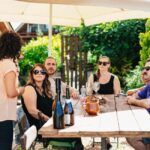
- Small group (max 12): easier questions, less waiting, and you stay together as you move through Óbuda.
- 8+ tastings included: strudel, crispy lángos, meats, pickles, gulyás soup, bread, pálinka, coffee, plus a secret dish.
- History + food, not just food: Roman Amphitheatrum and Danube/Buda-Pest context frame the menu.
- Óbuda instead of the usual route: you see a part of Budapest many first-timers miss.
- Guides who connect dishes to culture: people named Zoltan and George are repeatedly praised for stories and humor.
- English tour with mobile ticket: straightforward to use, and it’s designed for easy joining via public transit.
Why Óbuda Beats the Usual Budapest Food Stops

If your idea of a food tour is a quick loop through the city center with the same souvenir-shop crowd, this one is different. You’re pointed toward Óbuda, a district that feels more like local daily life than a theme park. That change alone makes the food taste better, because you’re eating in the places that helped shape it.
The tour also does a nice job of mixing stomach and brain. Yes, you’ll eat a lot. You’ll also get context for what you’re tasting, with stops tied to Budapest’s layers of history, from Roman times to the Danube’s role in splitting Buda and Pest.
You can also read our reviews of more food & drink experiences in Budapest


Meet at Árpád: How the 3.5-Hour Flow Works
The tour starts at the Statue of Árpád (Budapest, 1034) and ends around Árpád Bridge on the Buda side, near the Hungarian Museum of Commerce and Hospitality (end point also listed as Korona tér 1, 1036). There’s no hotel pickup, so you’ll want to arrive on your own using nearby public transportation.
Expect about 3 hours 30 minutes on the clock, with a steady walking pace. Each major stop is roughly an hour, which helps the tour feel structured rather than rushed. You’ll also want to bring comfortable shoes since you’ll be moving through streets with a decent amount of walking.
This is offered in English, and the group is capped at 12 people, so you’re not packed into a crowd. It’s also sold early—on average, bookings are made around 57 days in advance, which is a good sign if you’re traveling in peak season.
Stop 1: Amphitheatrum and Roman Budapest Before You Eat
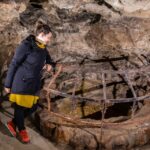
The first stop is Amphitheatrum, tied to ancient Roman history in Budapest. This is an archaeological site connected to the ruins near the Aquincum military camp, where the Romans put on public entertainment for big crowds. The amphitheater dates to the 2nd century AD, when gladiatorial contests, theatrical performances, and other spectacles were part of daily Roman life.
Why this matters on a food tour: it sets up the idea that Hungarian cuisine didn’t appear out of nowhere. Food culture is always shaped by the places people lived, traded, and traveled through. Seeing the Roman layers early makes the rest of your walk feel more like a story than a checklist.
Practical note: this stop includes free admission based on what’s listed, so you’re not paying extra just to stand around. You’re paying with time—so bring your curiosity and keep your eyes open.
Stop 2: The Danube Split and Panoramic Budapest Moments

Next comes the Danube River, one of Europe’s most famous waterways. The river is a central part of Budapest’s identity because it divides the city into Buda and Pest. From here, the tour also frames the view of major landmarks you’ll likely recognize, including the Hungarian Parliament Building and Buda Castle.
This stop is useful because it gives you orientation. Even if you’ve been to Budapest before, the Danube is still the quickest way to understand how the city hangs together. And it breaks up the food part with a breath of scenery before the next neighborhood segment.
One caution: it’s a walking tour, so if you’re sensitive to cold wind or sun, dress for it. Since the tour requires good weather, it’s smart to check conditions the day of.
Stop 3: Óbuda on Foot and the Neighborhood You Actually Came For
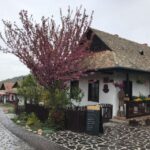
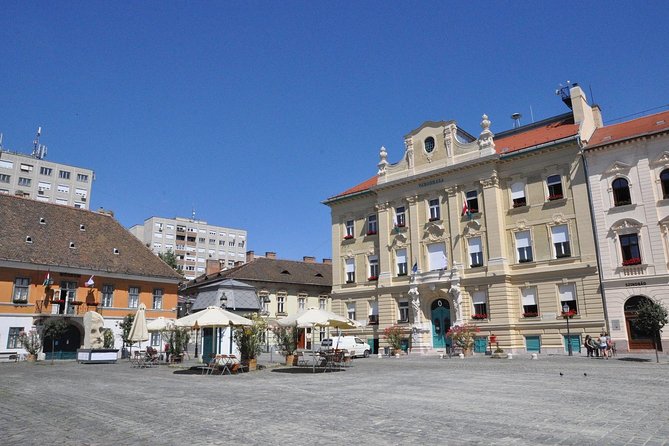
Óbuda is where the tour earns its reputation. This neighborhood blends old structures with day-to-day local life, plus parks and modern conveniences. It’s not staged for tourists, and you’ll feel that difference as you move through the streets and shopfronts.
The point isn’t just that it’s quieter than the center. It’s that you’re eating where the neighborhood’s traditions still matter. That’s why the food tastes more connected to place here than it does in tourist-heavy areas.
The tour finishes back near Árpád Bridge, which also helps since it leaves you in a practical spot to continue exploring on your own afterward.
You can also read our reviews of more tours and experiences in Budapest




The Tastings: What You’ll Actually Eat (and Drink)
This is a true tasting tour, built around multiple stops rather than one long meal. The included menu lists 8+ tastings, plus coffee and drink items. The exact sequence can change with availability, weather, and other factors, but the core foods below are part of the plan.
Strudel + Crisp Lángos
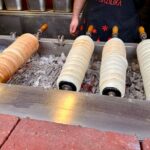
You can expect sweet strudel and crispy lángos—a classic Hungarian snack that’s best when it’s hot. Think of this as your early “Budapest street food” start: pastry sweetness first, then savory comfort.
Hungarian Sausages or Pork Knuckle
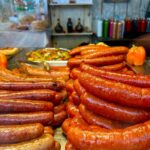
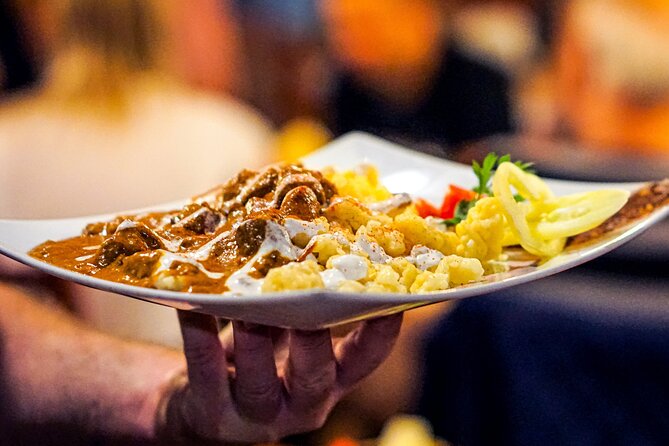
Next comes the heartier section: Hungarian sausages or pork knuckle. These are the kinds of dishes that make you understand why comfort food is such a big deal in Hungary. If you’re choosing based on preference, pork knuckle tends to feel richer; sausages can be easier to manage if you want lighter bites.
Pickles + Gulyás Soup
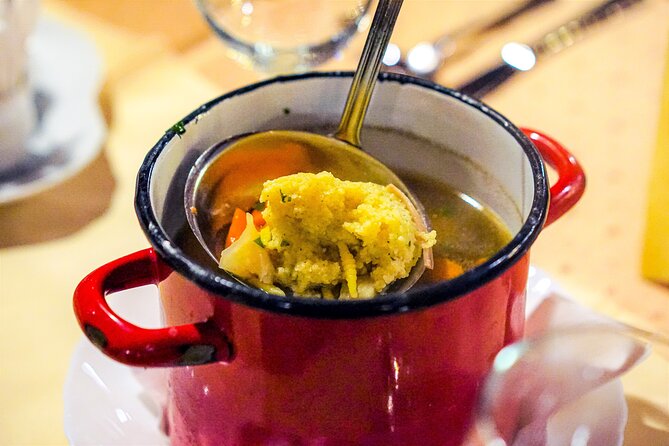
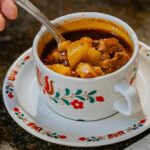
You’ll get pickles, which help cut through rich flavors, and gulyás soup, described as hearty and comforting. Gulyás is one of those dishes that tastes even better as you’re walking between stops, because it warms you up and keeps energy steady.
Bread + Pálinka (Plus Coffee)
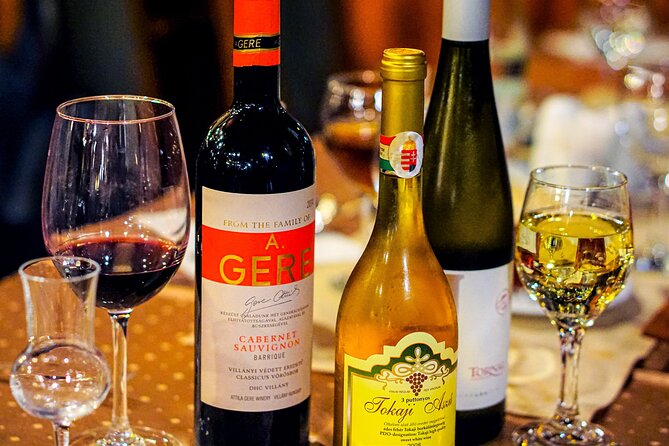
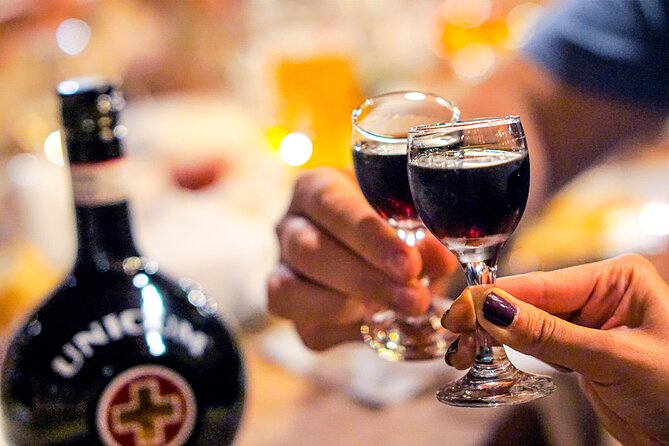
You’ll also have freshly baked bread, plus a shot of pálinka—a Hungarian fruit spirit. Coffee rounds out the tour, so you’re not left scrambling for a caffeine fix at the end.
The Secret Dish (and the Favorite That Pops Up)
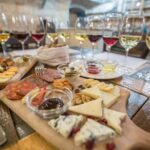
The tour includes a “secret dish,” and stuffed cabbage (töltött káposzta) has been singled out as a favorite by people who go on this route. You might also find other tastings at a wine-and-cheese style stop, including cheese and wine, along with pálinka.
If you’re curious, don’t be shy about asking what you’re eating and what it’s supposed to taste like. This is one of those tours where questions make the food more fun.
Guides Make the Difference: Zoltan and George’s Style
What gets praised most is not just the food. It’s the storytelling, humor, and practical context from guides. Names that show up again and again are Zoltan and George, both described as engaging and well linked to the food and the place.
The key idea: the tour doesn’t treat cuisine like trivia. It connects dishes to the neighborhood you’re standing in and the history you’re seeing nearby. That’s why people often come away remembering the dishes and the stories together, not separately.
If you like tours where you can ask questions and get real explanations (not just a read-aloud), this format fits.
Price and Value: Is $118.52 Worth It?
At $118.52 per person for about 3.5 hours, this isn’t a cheap snack run. But it’s also not only paying for food—you’re paying for guided access to multiple places in Óbuda and the time it takes to arrange tastings.
Here’s what helps justify the price:
- You’re getting multiple tastings (8+), not just one or two samples.
- You’re also including pálinka and coffee, which adds value quickly.
- You get commentary tied to meaningful stops like Amphitheatrum and the Danube.
- The group cap at 12 means less waiting and more attention.
If your budget is tight, you can always DIY a few of these foods on your own. But you’d likely spend time hunting places and piecing together the right sequence. This tour packages that work for you, and that’s where the value shows.
One note: portions can be on the generous side. If you prefer smaller tastes, pace yourself between stops and save room for the later soup and meat courses.
Logistics You Should Plan For (So It Feels Easy)
This is a walking tour with a “bring comfortable shoes” warning for a reason. The route isn’t designed for rolling convenience; it’s designed for moving between sites and eateries.
You also shouldn’t expect hotel pickup, so plan your start at the Statue of Árpád. The meeting area is listed as near public transportation, which helps. You’ll use a mobile ticket, which keeps things low-friction.
Dietary needs are supported if you contact the operator in advance. If you have restrictions, reach out ahead of time so they can adjust in a way that actually works for you.
Who Should Book This Óbuda Tour
Book it if you:
- Want a Budapest food tour that steps away from the most crowded areas
- Like food paired with neighborhood and history context
- Prefer small-group experiences (max 12)
- Enjoy sampling a mix of pastries, savory snacks, soups, meats, and a local spirit like pálinka
Skip or think twice if you:
- Can’t handle a fair amount of walking
- Want only light snacking (this includes hearty items like gulyás soup and meat dishes)
- Need very strict dietary accommodations and haven’t contacted the team ahead of time
For most people who like traditional Hungarian flavors, this is a strong fit.
FAQ
How long is the Budapest Food Tour in Óbuda?
It lasts about 3 hours 30 minutes.
What does the price include?
The price includes 8+ tastings, with items like sweet strudel, crispy lángos, Hungarian sausages or pork knuckle, pickles, gulyás soup, freshly baked bread, a shot of pálinka, a secret dish, and coffee.
Is hotel pick-up and drop-off included?
No. Hotel pick-up and drop-off are not included.
How many people are in the group?
The tour has a maximum of 12 travelers.
What language is the tour offered in?
The tour is offered in English.
Where does the tour start and end?
It starts at the Statue of Árpád in Budapest (1034) and ends at Korona tér 1, 1036, near the Árpád Bridge Buda side by the Hungarian Museum of Commerce and Hospitality.
What if the weather is poor?
The tour requires good weather. If it’s canceled due to poor weather, you’ll be offered a different date or a full refund.
Should You Book This Óbuda Food Tour?
Yes, if you want Budapest food with less crowding and more place-based storytelling. The small group size, the mix of tastings (from strudel to gulyás to pálinka), and the Roman-to-Danube-to-Óbuda pacing make it feel like a real tour of a real district, not a rushed checklist.
If you’re sensitive to walking, plan your footwear and energy. Otherwise, this is a smart way to eat well while seeing a side of Budapest many people skip—especially if you’re booking in advance and aiming for an English-guided, multiple-stop experience.