REVIEW · BUDAPEST
Budapest: Buda Castle Walking Tour & Folk Music Performance
Book on GetYourGuide →Operated by Maggino - Magic in Hungary · Bookable on GetYourGuide
Castle Hill sounds better with music.
This tour through the Buda Castle District turns the big sights into a clear, story-driven walk led by licensed guide Kristóf.
I love the way you connect Matthias Church and Fisherman’s Bastion to the people who shaped the hill, especially King Matthias. I also love the closing Hungarian folk performance—singing and dance steps that make the culture feel immediate, not like a museum label.
One heads-up: this is an exterior-focused experience, and entry tickets are not included, so if you want inside access, you’ll need extra planning.
In This Review
- Key things worth knowing before you go
- Why Buda Castle Hill is the right place to start Budapest
- Meet at Holy Trinity Square, then walk with Kristóf
- Matthias Church and Fisherman’s Bastion: the postcard stop with context
- Tárnok Street’s architectural mix (and why it’s more than a pretty street)
- Royal Buda Palace exteriors: King Matthias, Renaissance energy, and wine fountains
- Government buildings and the Pest-side panorama you shouldn’t skip
- Tóth Árpád sétány: finishing with a calmer, scenic stretch
- The Hungarian folk music and dance performance: why it works
- Price and value: is $58 worth it for 2 to 2.5 hours?
- Logistics that actually matter on Castle Hill
- Who this tour suits best (and who might want to skip it)
- Should you book this Buda Castle walking tour with folk music?
- FAQ
- How long is the Budapest Buda Castle walking tour with folk music?
- Where does the tour start?
- What is included in the tour price?
- Are monument entry tickets included?
- Is the tour performed in English?
- Do they offer private or small-group tours?
- What should I bring and wear?
- FAQ
- Can I cancel for a full refund?
- Is alcohol allowed during the tour?
- What is the reserve now and pay later option?
Key things worth knowing before you go
- UNESCO World Heritage views from a compact, well-paced circuit on Castle Hill
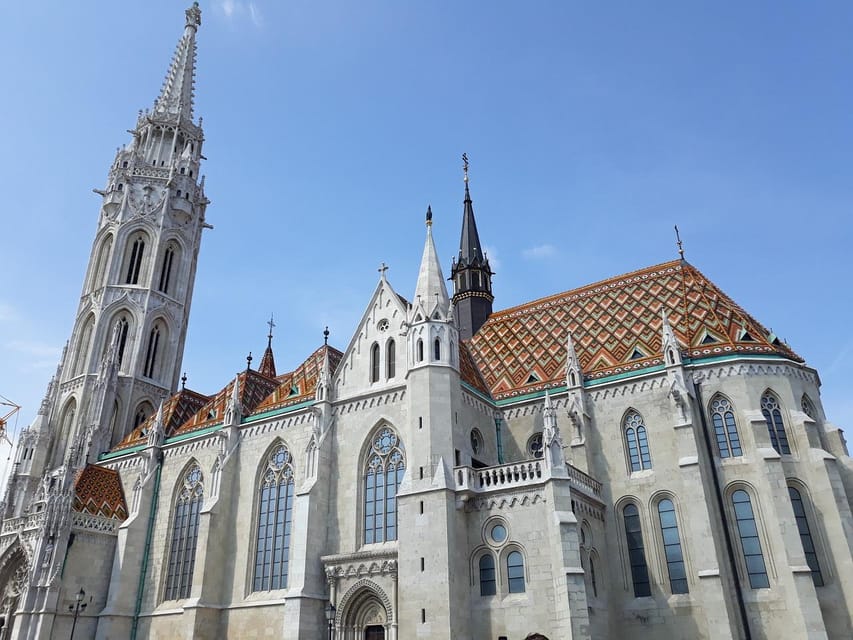
- Matthias Church + Fisherman’s Bastion covered with context, not just photos
- Tárnok Street’s mixed architectural styles, including parts that trace back about five centuries
- Royal Buda Palace storytelling around King Matthias and Renaissance-era Budapest
- Pest-side panoramic lookouts plus a mention of Budapest’s funicular system
- Live folk singing and dance from Kristóf to wrap the tour on a memorable note
Why Buda Castle Hill is the right place to start Budapest
If you want your Budapest to feel “real,” start with Castle Hill. The buildings here aren’t just pretty from the outside. They’re layered with rulers, faith, street life, and big cultural moments that shaped the city you see today.
This tour is designed for that exact purpose. You walk where the story happened, then you hear it told in plain language. When the guide finishes with folk songs and dance, it lands because you’ve already seen the setting up close.
You can also read our reviews of more walking tours in Budapest



Meet at Holy Trinity Square, then walk with Kristóf
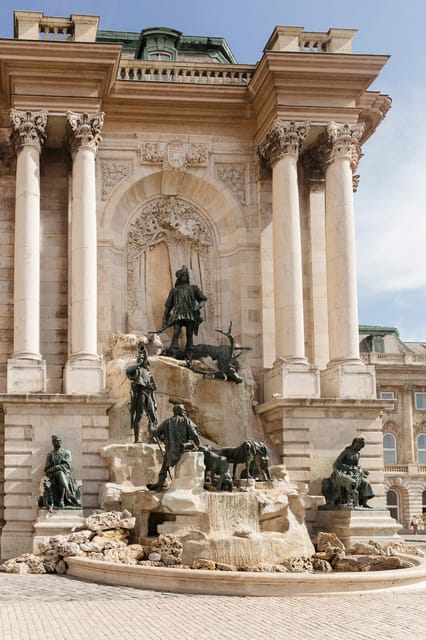
You meet at Szentháromság-szobor in Holy Trinity Square (Szentháromság tér). Look for the guide holding a board with the Maggino logo: a dark blue stork with an orange musical note in its beak, and the word MAGGINO underneath.
That matters more than you’d think. Castle Hill can feel crowded and twisty, and a clear meeting spot helps you start calm instead of hunting.
The tour runs about 2 to 2.5 hours in English, led by a licensed Hungarian tour guide. It’s built for comfortable walking, with multiple short walking segments that keep the pace from dragging.
And yes, Kristóf’s style is warm and interactive. He encourages questions and conversation, which makes the history feel like something you can ask about, not something you just memorize.
Matthias Church and Fisherman’s Bastion: the postcard stop with context
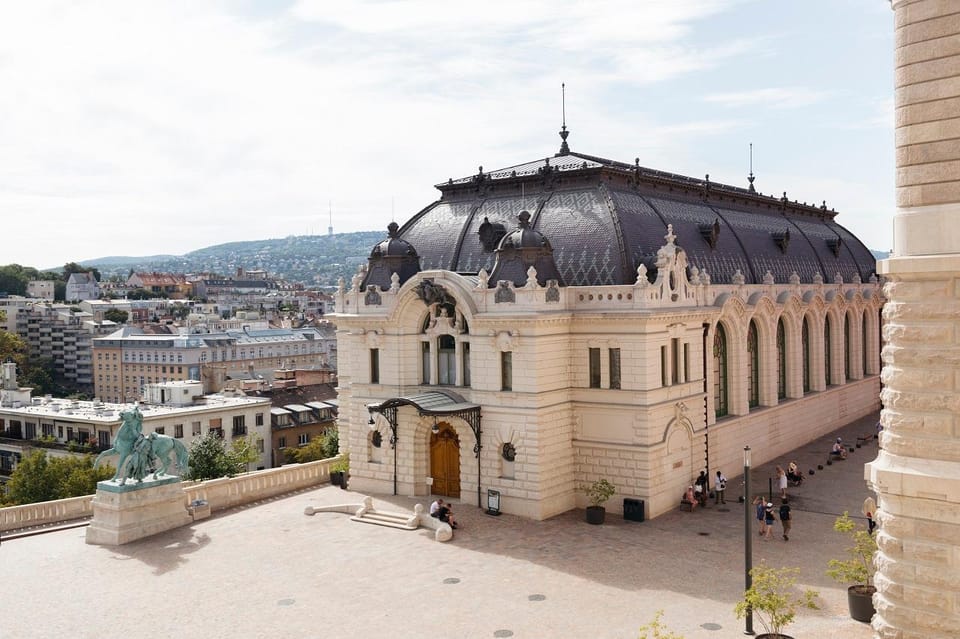
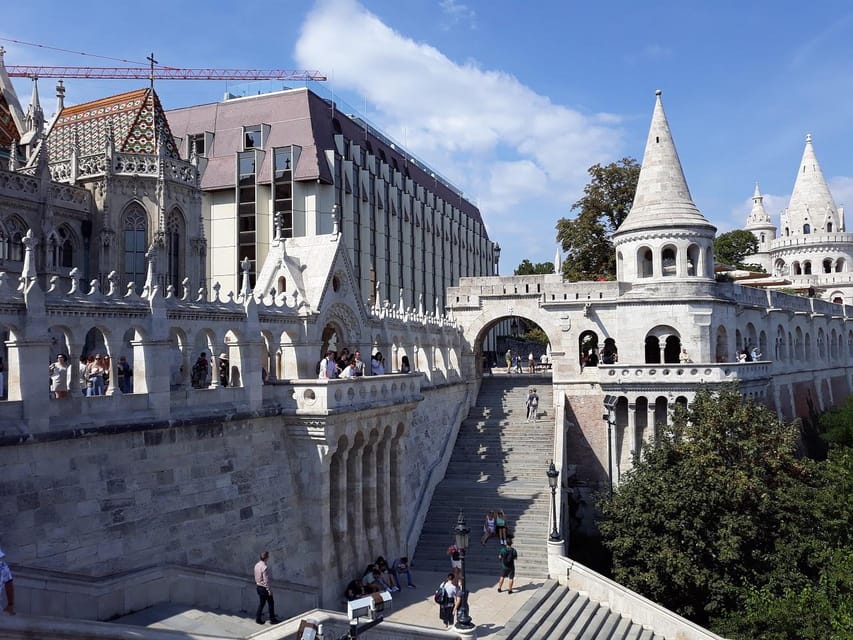
The first major sights are Matthias Church and Fisherman’s Bastion. You’ll spend around 20 minutes walking to Matthias Church and then about 15 minutes to Fisherman’s Bastion, keeping your legs working but your attention locked.
What I like about this start is the order. You begin with a landmark tied to the identity of the hill, then you move into the famous lookout area. Your brain gets the shape of the place fast, and the guide fills in what matters: how the hill became a cultural and political stage.
At Matthias Church, you’re not just looking up at the architecture. The tour ties what you see to the people connected to the palace world, including the most beloved Hungarian king—King Matthias.
At Fisherman’s Bastion, the “wow” factor comes quickly. It’s also a place where you can understand why people build these viewpoints into sacred landscapes. The guide’s stories help you see the spot as more than a photo wall.
Tárnok Street’s architectural mix (and why it’s more than a pretty street)
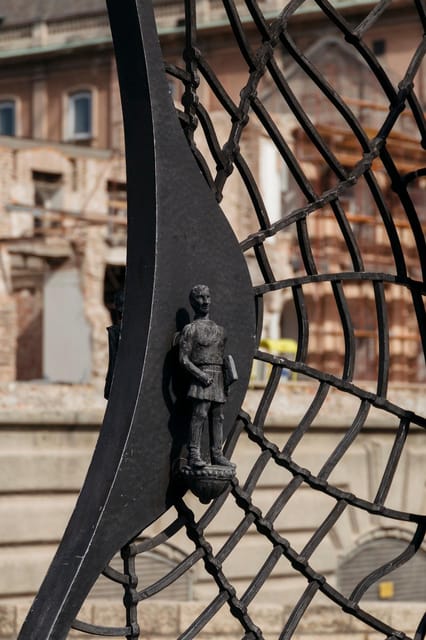
Next comes Tárnok Street, walked for about 20 minutes during the route. This stretch is described as a place where you can spot different architectural styles found in historical Hungary up to the end of the 19th century.
Here’s the practical value: architecture becomes a timeline you can walk through. Instead of hearing a lecture about centuries in an abstract way, you’re looking at a street that holds those changes in the built fabric.
The tour also points out that you’ll find nearly five hundred-year-old building parts here. That’s the kind of detail that makes a city feel older in a specific way—like you’re standing near the bones of the place, not just replicas.
If you like “street-level history,” this part is a solid payoff. You also get a better sense of how the Castle District connects to everyday life, not only royal life.
Royal Buda Palace exteriors: King Matthias, Renaissance energy, and wine fountains
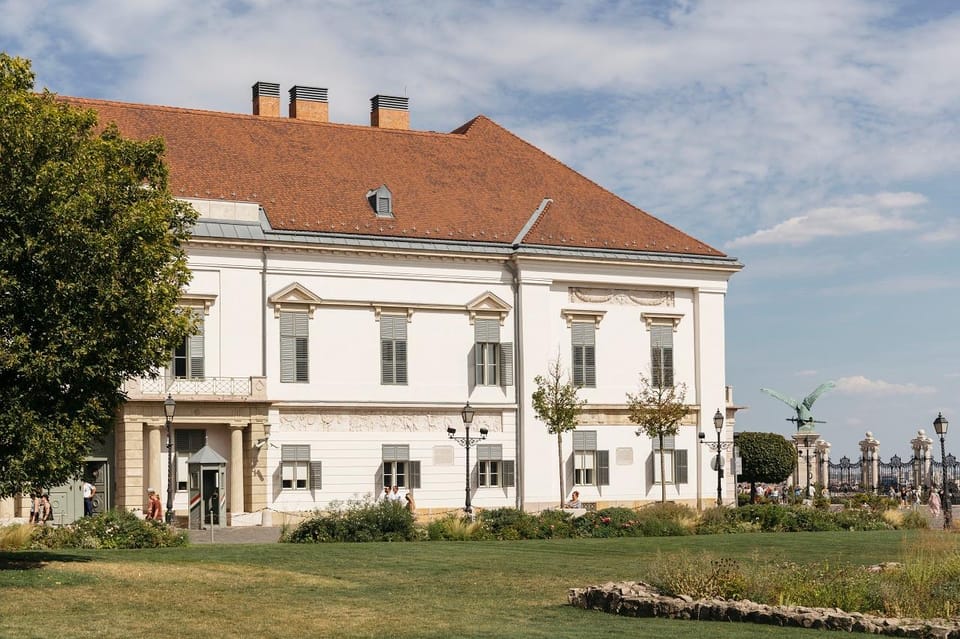
Then you reach the Royal Buda Palace, also called Buda Castle. You’ll spend about 50 minutes at this phase, including walking and scenic viewing along the way.
This is where the tour becomes more than landmark-hopping. The guide explains that the palace served as the royal seat of Hungarian rulers throughout the centuries. You get a sense of power here, but also the cultural ambition tied to rulers and their choices.
The focus includes King Matthias, described as a man who made Buda Castle one of the centers for Renaissance culture in Europe. That sounds big, but the guide’s job is to bring it down to human scale—what it meant on the hill, what it changed, and how it echoes in what you see now.
One of the standout story details is the mention that granite fountains bubbled with wine. Even if you treat it as a legend-like image, the point is clear: the palace wasn’t just stone and ceremony. It was staged life—feasts, display, and culture.
If you’re a fan of political history, you’ll appreciate how the tour keeps pointing you back to why the palace mattered. If you prefer art and culture, you’ll enjoy the Renaissance framing and the way it connects to your surroundings.
Also, along this portion, the tour brings in a food-cultural stop tied to locals and royalty: the pastries from Budapest’s oldest confectioner, loved even by Queen Elisabeth, Sisi. It’s not a full “taste tour” described here, but it does add a fun, human layer to all the grandeur.






Government buildings and the Pest-side panorama you shouldn’t skip
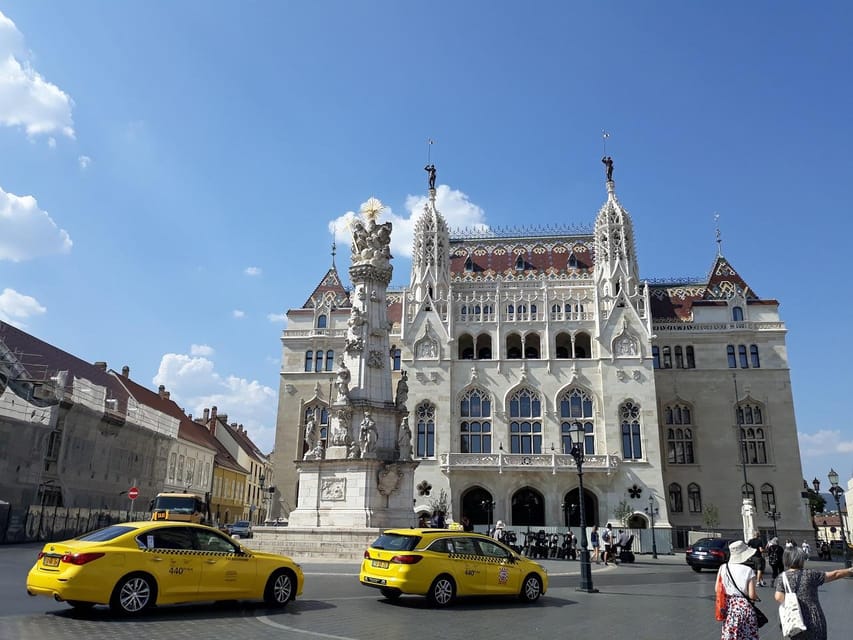
As you keep moving, you’ll see two major governmental buildings of Hungary. The exact names aren’t spelled out in the tour description you have, but the idea is consistent: you’re watching old royal terrain shift into national significance.
Then the guide takes you to a spot built for views. You’ll get breathtaking panoramic views on the Pest side of the city while also getting pointed to the second funicular built in Europe.
This viewpoint part is one of the most “do-it-now” reasons to take a guided tour. Without a guide, it’s easy to look, take photos, and move on. With a guide, you start noticing patterns: where the river sits, how the city spreads, and how the funicular fits into the hill’s function.
It’s also a good moment for questions. One of the strengths shown in the experience’s feedback is that the guide answers patiently and turns curiosity into part of the walk.
Tóth Árpád sétány: finishing with a calmer, scenic stretch
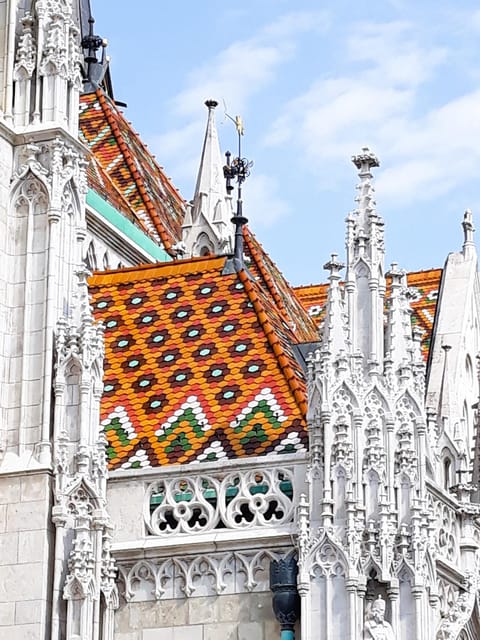
You’ll walk to Tóth Árpád sétány for about 15 minutes, which is a scenic finishing stretch. This section matters because it gives you a gentle change of pace after the palace intensity and view hunting.
At this stage, I like how the tour structure supports a natural rhythm: you move from monumental sights into open-air perspective. You’re still on Castle Hill, but the “story” shifts toward atmosphere.
If the weather is clear, this is also a good time to pause for photos without feeling rushed. The whole tour is built so you don’t end in a sprint.
The Hungarian folk music and dance performance: why it works
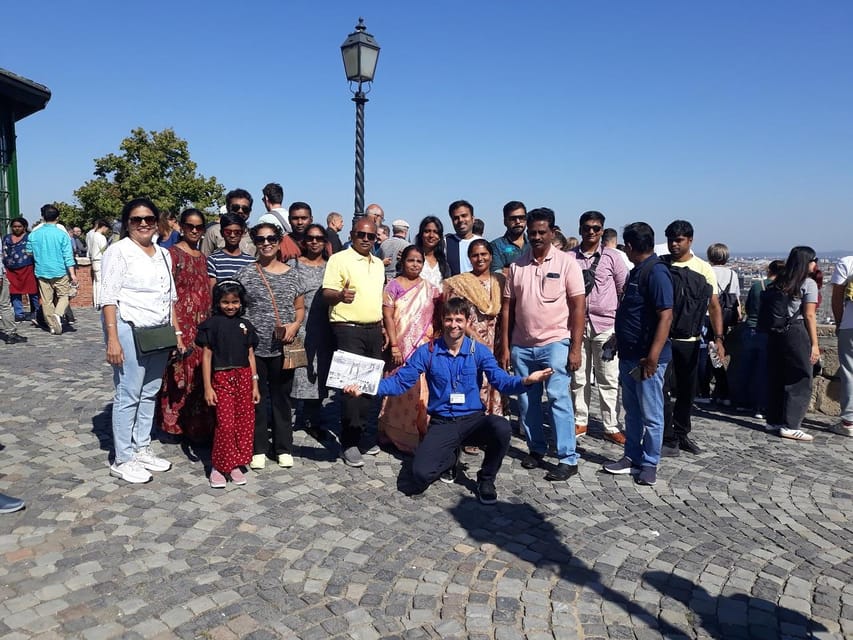
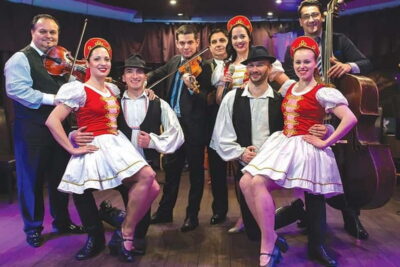
The tour ends with a unique Hungarian folk music performance made by the guide. You’ll hear Hungarian folk songs through singing, plus a guide-led look at traditional dance steps.
This is the piece that turns a standard walking tour into something you remember. Photos help, but sound and movement are how culture sticks. And because you’ve walked the Castle District first, the performance doesn’t feel pasted on at the end.
Kristóf’s approach is described as passionate and engaging, with clear explanations of the songs and dance. In feedback, people also singled out the showmanship—like how he keeps the mood warm and approachable, not staged or stiff.
Even better: the guide’s personal stories add glue. One account mentions personal family stories involving his grandmother, and that kind of detail makes the cultural presentation feel lived-in rather than performed from a distance.
If you want a Budapest experience that includes both history and culture, this ending is the reason the tour has such strong appeal.
Price and value: is $58 worth it for 2 to 2.5 hours?
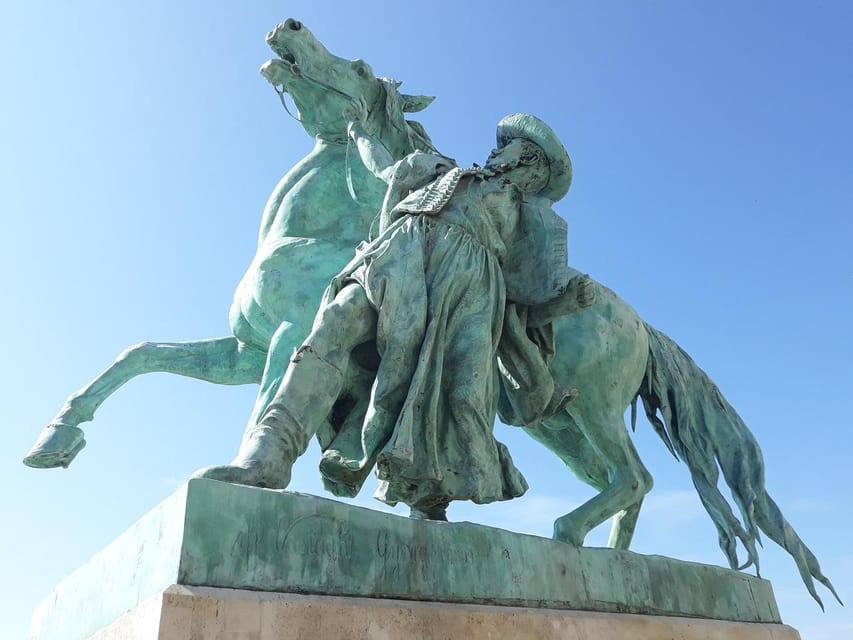
At $58 per person for about 2 to 2.5 hours, this isn’t a budget “quick walk” and it’s not a premium day-long production either. The value comes from what’s included:
- A professional licensed guide in English
- Exterior visits to major sights on Castle Hill
- A live Hungarian folk music and dance performance
You’re paying for interpretation. That’s the main difference between wandering on your own and booking a guide here.
The main cost you might add is monument entry tickets, since those are not included. If you want inside visits to things like Matthias Church, you’ll likely spend extra time and money beyond this tour’s time window.
So here’s the practical math:
If you want stories, views, and a live performance, $58 can feel very fair. If you mainly want interior ticketed sites, you may feel a bit limited unless you pair this with separate ticket plans.
Logistics that actually matter on Castle Hill
This is a walking tour, so plan for real walking. The route includes multiple short legs between stops, and you’ll want comfortable shoes.
The tour operates in all weather conditions, so dress for the forecast and don’t count on perfect skies. Bring water if you tend to get thirsty during long city walks.
Also note the rules listed: no alcohol and drugs and no explosive substances. It’s a typical respectful tour setup.
Finally, group format: private or small groups are available. If you prefer a quieter experience or want more back-and-forth questions, that’s worth considering.
Who this tour suits best (and who might want to skip it)
This works especially well if:
- You want the Castle District explained clearly in English
- You like a mix of major landmarks and smaller street details
- You want culture at the end, not just photos
- You enjoy an interactive guide who answers questions
You might not love it if:
- Your top priority is inside-the-building access and you don’t want to pay separate entry fees
- You dislike walking or prefer a vehicle-based tour
- You want a performance that’s more formal than participatory storytelling (this is explained and presented, not described as a ticketed theater show)
Should you book this Buda Castle walking tour with folk music?
I’d book it if you want Budapest to feel layered and human. The best reason is the pairing: Castle Hill monuments first, then a live Hungarian folk performance that brings the culture into your ears and eyes.
It’s also a smart choice if you enjoy guides who talk like people, not like audio guides. Kristóf’s style comes across as warm, interactive, and personal, with attention to making the experience feel welcoming.
Just be honest about the tradeoff: you’re seeing the sights mostly from the outside, and entry tickets aren’t included. If that’s not your priority, you’ll likely feel like you got your money’s worth in stories, views, and the closing performance.
FAQ
How long is the Budapest Buda Castle walking tour with folk music?
It lasts about 2 to 2.5 hours.
Where does the tour start?
The meeting point is in front of the Holy Trinity Statue (Szentháromság-szobor) at Holy Trinity Square (Szentháromság tér).
What is included in the tour price?
You get a professional guided walking tour by a licensed Hungarian guide in English, exterior visits to monuments, and a Hungarian folk music performance made by your guide.
Are monument entry tickets included?
No. Entry tickets are not included for the visited monuments.
Is the tour performed in English?
Yes, the tour is in English with a live tour guide.
Do they offer private or small-group tours?
Yes. Private or small groups are available.
What should I bring and wear?
Wear comfortable shoes, and dress for the weather since it operates in all weather conditions. Water is recommended.
FAQ
Can I cancel for a full refund?
Yes. You can cancel up to 24 hours in advance for a full refund.
Is alcohol allowed during the tour?
No. Alcohol and drugs are not allowed.
What is the reserve now and pay later option?
You can reserve your spot and pay later, which keeps plans flexible.