Budapest tastes better when you walk first. This small-group experience pairs a guided city stroll through major landmarks with a kitchen session where you cook Hungarian dishes and then sit down to a full dinner. I love how the stories connect Hungary’s shifting past to what you’ll eat next, and I like the small group size that keeps the pace human. One thing to consider: you’ll be on your feet for a good chunk of time, so it’s not the best pick if you want a fully relaxed, stop-and-shop day.
After a meeting in Budapest and about 1.5 hours of guided walking, you head to the kitchen for the cooking portion of the day. You’ll trace culinary influences back to the same chapters you just saw outside, including Ottoman-era connections and the history of Budapest’s Jewish community during the Second World War. I also like that you’re not sent off to fend for yourself in the kitchen, because the workshop is part of a structured evening for a group capped at 10.
If you enjoy practical travel days where you learn, cook, and eat, this format fits like a glove. If you’re only interested in checking off landmarks quickly, the cooking component may feel like extra time—though it’s usually the part that makes the history stick.
In This Review
- Key highlights at a glance
- A 5-hour Budapest walk with dinner and a cooking workshop
- Gul Baba’s Tomb: Ottoman connections you can taste later
- Hungarian Parliament Building: big architecture and big political shifts
- Great / Central Synagogue: Jewish memory and how food carries meaning
- From streets to stove: how the cooking workshop connects the dots
- The full dinner menu: what you’ll likely eat (and why it fits the theme)
- Price and value: what $131.06 includes (and what it saves you)
- Small group size and guide attention: why 10 people changes the day
- Who should book Walk and Cook Budapest
- Should you book this tour or skip it?
- FAQ
- FAQ
- How long is the Walk and Cook Budapest tour?
- How many people are in the group?
- What language is the tour offered in?
- Does the experience include a full dinner?
- What stops are included during the city walk?
- What kinds of dishes are on the sample menu?
- Is a mobile ticket provided?
- What is the cancellation policy?
Key highlights at a glance
- Three landmark stops: Gul Baba’s Tomb, Hungarian Parliament, and the Great/Central Synagogue
- About 1.5 hours of walking before you switch to hands-on cooking
- Maximum 10 travelers for a more personal guide-to-question ratio
- Full dinner included, not just a snack or tasting
- Classic Hungarian dishes like töltött paprika and mákos guba on the menu
A 5-hour Budapest walk with dinner and a cooking workshop
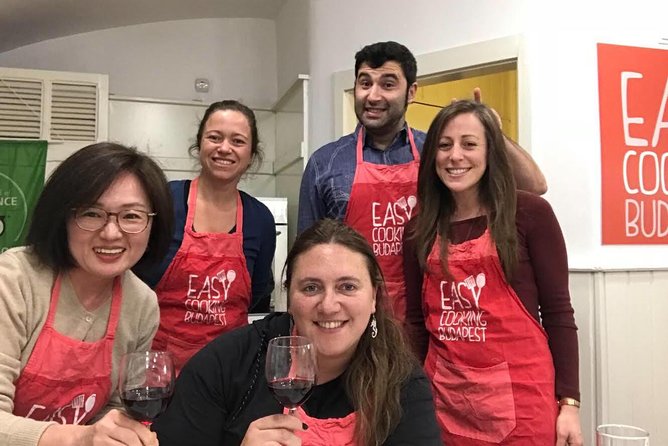
This is the kind of tour that helps you understand Budapest in layers. You start outdoors, moving through a few big visual anchors of the city, then you shift indoors to cook and eat. The goal is simple: when food is linked to real historical context, it becomes memorable instead of just tasty.
The total time is about 5 hours, which feels like a sweet spot. Long enough to see and learn, short enough that you can still plan the rest of your evening on your own. You also get an English-language guide and a mobile ticket, which keeps things straightforward.
One value point that matters: the dinner is built into the experience, so you’re not trying to figure out where to eat right after a walk. That is often where self-guided plans get messy. Here, you already know the plan is to cook, then sit down and enjoy what you made and what’s served to you.
You can also read our reviews of more walking tours in Budapest



Gul Baba’s Tomb: Ottoman connections you can taste later
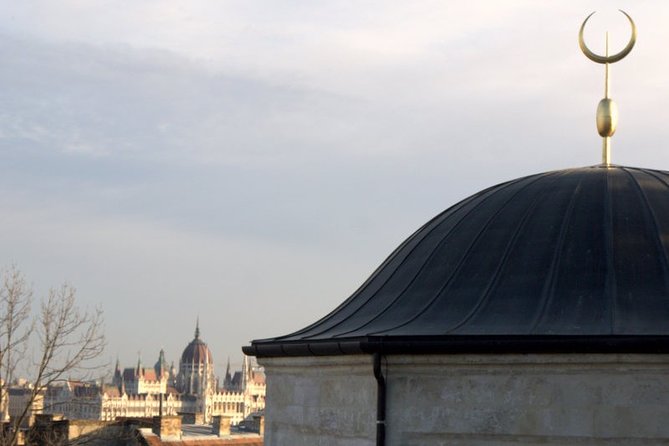
Your first stop is Gul Baba’s Tomb (Gul Baba Turbeje). The tour frames this site through the lens of Ottoman influence in Hungary. Even if you’ve only read a few pages about Ottoman rule, seeing a place tied to that era can make the story feel less abstract.
What I like about starting here is how it sets a theme for the day. Instead of treating landmarks as separate photo stops, you’re being guided to notice how one historical thread leads into another. Later, when you’re cooking, the workshop aims to connect those same influences to what ends up on the table.
If you prefer tours that explain why a place matters, this opening is a good signal. It’s not just an exterior viewing moment. You’re learning the connection between the past and the culinary influences you’ll hear about in the kitchen.
Potential drawback: if you’re not interested in Ottoman-era connections at all, you might have to lean on the cooking portion for your enjoyment. In that case, the kitchen and menu are what will carry the day for you.
Hungarian Parliament Building: big architecture and big political shifts
Next up is the Hungarian Parliament Building. This stop is tied to the Austro-Hungarian period in the way the tour narrates Budapest’s development. The key word in the experience is connection. You’re learning what the Austro-Hungarian era left behind, especially in terms of the kind of impressive civic buildings that still shape the city’s skyline today.
This matters for your day because it changes how you see what’s around you. Budapest isn’t just pretty streets and riverside views. It’s also layers of power, identity, and cultural change. The tour uses the Parliament Building as a visual anchor for that idea.
If you’re the type who likes to understand what you’re photographing, you’ll probably appreciate this stop. It gives you context that makes the architecture feel purposeful rather than decorative.
One consideration: Parliament is a major landmark, and your time there is part of a moving schedule. That’s great for staying efficient, but it means this is not a long, freeform sightseeing session.
Great / Central Synagogue: Jewish memory and how food carries meaning
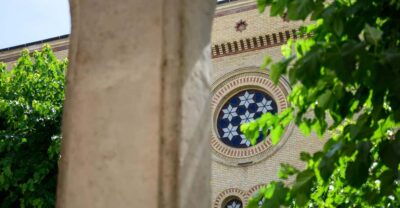
Your third scheduled stop is the Great / Central Synagogue (Nagy Zsinagoga). The tour links this area to the story of Jewish people in Budapest during the Second World War. That kind of connection changes how you experience a landmark. Instead of seeing a building as a static monument, you’re encouraged to connect it to real lives and real disruption.
This is one of the parts of the day where the tour’s format earns its keep. A lot of walking tours stop at the photo and move on. Here, the story is meant to follow you into the kitchen. The cooking workshop uses those connections to explain how different influences show up in Hungarian dishes.
You don’t need to be a history nerd to benefit. If you like travel that feels grounded in people and place, this stop gives you that grounding.
Quiet practical note: because this is a guided city walk leading into cooking, you’ll want to wear shoes you can trust. You’ll be moving, and you’ll likely want your comfort to be boring and reliable.
From streets to stove: how the cooking workshop connects the dots
After the walking portion, you head to the kitchen area for the hands-on cooking. The day’s structure is designed around one idea: you learn about historical influences outside, then you cook with those influences in mind.
The workshop includes hints of the influence of each nation linked to the history you covered on the walk. That means the cooking isn’t just procedural. You’re meant to understand why Hungarian dishes are what they are—how different chapters in Hungary’s past helped shape flavor habits, ingredients, and cooking styles.
Even if you’re an experienced cook, you’ll likely find this helpful because the framing is travel-focused. You’re not just making food. You’re using food as a language for a country’s story.
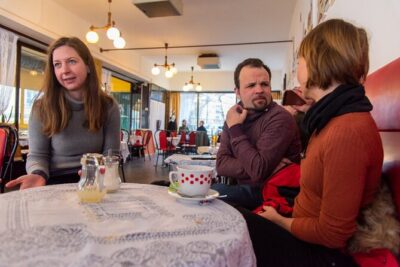
Group size keeps this practical. With a maximum of 10 people, you’re more likely to get guidance while you cook. In larger classes, the instructor can’t catch everything, and questions get lost. Here, the format is built for attention.
What you should expect: a transition from walking to working, then from working to eating. You’ll move from learning to doing without your brain needing to completely restart from scratch.





The full dinner menu: what you’ll likely eat (and why it fits the theme)
This tour doesn’t treat food like an afterthought. It builds a dinner from multiple Hungarian favorites, plus desserts that bring the day home.
Here’s the sample menu you can expect:
- Main: töltött paprika (stuffed peppers)
- Dessert: mákos guba (dumps with poppy seeds)
- Main: roast goose with onion potatoes and braised cabbage
- Dessert: fánk (special donut)
- Main: székelygulyás (goulash soup with sauerkraut)
- Dessert: szilvásgombóc (plum dumplings)
Why this menu works for the tour: it spans different types of Hungarian cooking. You get stuffed pepper comfort, poppy seed sweetness, roasted poultry, a donut-style dessert, soup with sauerkraut, and fruit dumplings. That variety matters because it helps you taste the breadth of the cuisine rather than getting stuck on one style.
Also, the menu supports the tour’s theme of historical influence. Stuffed peppers and goulash-style dishes are the kind of hearty food that feels deeply local, while desserts like poppy seed guba and plum dumplings help you understand Hungarian sweets as a serious part of the meal culture—not a quick afterthought.
If you’re the type who wants to eat well without doing planning math during your trip, this is a big advantage. You’re essentially buying a guaranteed, structured dinner that matches the day’s learning arc.
One thing to consider: this is a full meal plan with multiple courses. If you tend to eat lightly, you’ll want to go into the experience with a normal appetite rather than trying to save calories for later.
Price and value: what $131.06 includes (and what it saves you)
At $131.06 per person for about 5 hours, this tour is priced like an experience rather than a basic walking tour. You’re paying for three things working together:
- a guided city walk through major stops
- a hands-on Hungarian cooking workshop
- a sit-down dinner built from a multi-course menu
That combo is the core value. Many Budapest walking tours sell the first part and then leave you to solve the second part: where to eat, what to order, how to manage timing. Here, the meal is included and aligned with what you learned.
The small-group cap of 10 travelers also matters for value. It tends to mean more time for questions and more interaction in the kitchen. You’re not competing with a large crowd for attention.
If you’re deciding between a cheaper walking tour and a separate cooking class plus dinner, this format can be a time-saver. You get a packaged day with fewer moving parts, and the learning flows into the cooking instead of being two separate activities.
As always, compare what you’d likely spend solo. In busy tourist areas, a guided tour plus a high-quality dinner can add up quickly. The key is that your money here is doing more than paying for a guide—it’s paying for a complete experience.
Small group size and guide attention: why 10 people changes the day
A maximum of 10 travelers might sound like a detail, but it changes how the tour feels. It’s easier for the guide to keep track of the group, easier to ask follow-up questions, and easier for everyone to participate during cooking.
This matters most during the workshop. When people cook, they need room to work and a chance to get feedback. With a smaller group, the workshop can stay practical instead of chaotic.
The guide names Kata and Karolina were specifically mentioned in a 5-star note, which tells you that the staff style likely focuses on warmth and making the day feel personal. I can’t promise which guide you’ll get, but it’s a good sign that guides are being recognized for how they teach, not just where they take you.
One practical tip: if you like to chat, this kind of group size makes it easier. If you prefer quiet observation, it’s still manageable—you’re not stuck with constant noise from a big crowd.
Who should book Walk and Cook Budapest
This tour is a strong fit if you want:
- a Budapest walk with real narrative connections, not only photo stops
- hands-on cooking where you learn something and then eat it
- a full sit-down dinner plan included in the price
- a small group day with a cap of 10
It’s also a good choice if you want history explained in a way that doesn’t stay trapped in lecture mode. The Ottoman, Second World War Jewish history, and Austro-Hungarian building themes connect directly to what happens in the kitchen.
On the other hand, if you hate walking, prefer solo pacing, or want mostly free time at each landmark, you might find the schedule tighter than you like. The experience is designed to move from stop to stop and from walking to cooking without much dead time.
If you’re traveling with kids, this could work depending on their interest in food and history, but the data you have here doesn’t confirm child-friendly pacing. You’ll want to consider your family’s tolerance for time on your feet and multiple-course dining.
Should you book this tour or skip it?
I’d book this if you like travel days that connect the head and the stomach. You’ll get three meaningful city stops, then a cooking workshop that turns historical influence into flavor you can actually make and taste. The multi-course dinner is a real bonus, because it makes the day feel complete and removes the guesswork of where to eat.
Skip it if you mainly want self-paced landmark time, or if you don’t like structured activities where the group moves together. Also skip if you’re likely to be too full for a full meal plan, since this includes multiple mains and desserts.
FAQ
FAQ
How long is the Walk and Cook Budapest tour?
It lasts about 5 hours.
How many people are in the group?
The tour has a maximum of 10 travelers.
What language is the tour offered in?
It’s offered in English.
Does the experience include a full dinner?
Yes. The tour includes a full dinner, and you also cook during the workshop.
What stops are included during the city walk?
The walk includes Gul Baba’s Tomb, the Hungarian Parliament Building, and the Great / Central Synagogue.
What kinds of dishes are on the sample menu?
The sample menu includes töltött paprika, mákos guba, roast goose, onion potatoes, braised cabbage, fánk, székelygulyás with sauerkraut, and szilvásgombóc.
Is a mobile ticket provided?
Yes, it includes a mobile ticket.
What is the cancellation policy?
Free cancellation is available up to 24 hours in advance for a full refund. If you cancel less than 24 hours before the start time, the amount paid is not refunded.