REVIEW · BUDAPEST
Budapest: Jewish History with Local Guide & Synagogue Ticket
Book on GetYourGuide →Operated by Hungaria Koncert Ltd. · Bookable on GetYourGuide
Budapest’s Jewish landmarks tell a story fast. This 2-hour, English walking tour follows the Jewish Triangle and connects names, neighborhoods, and traditions to what you see on the ground. I love that you get an expert local guide who can make Judaism feel human and understandable, and I especially love the Kazinczy Street Synagogue stop, including an exclusive gallery visit normally closed to the public. One consideration: it is not suitable for people with mobility impairments, and it’s paced for walking between key points.
You’ll start at the Herzl Tivadar sign and finish back near the same area, with a mix of guided segments and photo stops. Expect a thoughtful route through major sites tied to community life, faith, and the Holocaust, including the Holocaust memorial park and key synagogues around the quarter. If you want Jewish history as more than just dates—this tour is built for that kind of clarity.
In This Review
- Key points before you go
- Budapest Jewish History on Foot: What This Tour Feels Like
- Price and Value: Why $34 Works Here
- Start at the Herzl Tivadar Sign: Easy Meeting, Clear Route
- Dohány Street Synagogue Exterior: The Scale That Changes Your Perspective
- Raoul Wallenberg Holocaust Memorial Park: A Photo Stop With History Attached
- Jewish Quarter Guided Segment: Learn the Neighborhood, Not Just the Buildings
- Rumbach Street Synagogue: Outside Views That Set Up Kazinczy
- The Jewish Ghetto Wall Fragment: Stop for a Reason, Not a Photo
- Kazinczy Street Synagogue Interior: The Tour’s Main Event
- What to Expect From the Guide (And Why People Notice Dora)
- Pace, Timing, and Practical Tips for 2 Hours in the Quarter
- Who Should Book This Tour
- Should You Book This Budapest Jewish History Walking Tour?
- FAQ
- How long is the Budapest Jewish history walking tour?
- Is the tour offered in English?
- What synagogue visits are included?
- Is admission to Kazinczy Street Synagogue included?
- Is the tour suitable for people with mobility impairments?
- Are pets allowed during the tour?
Key points before you go
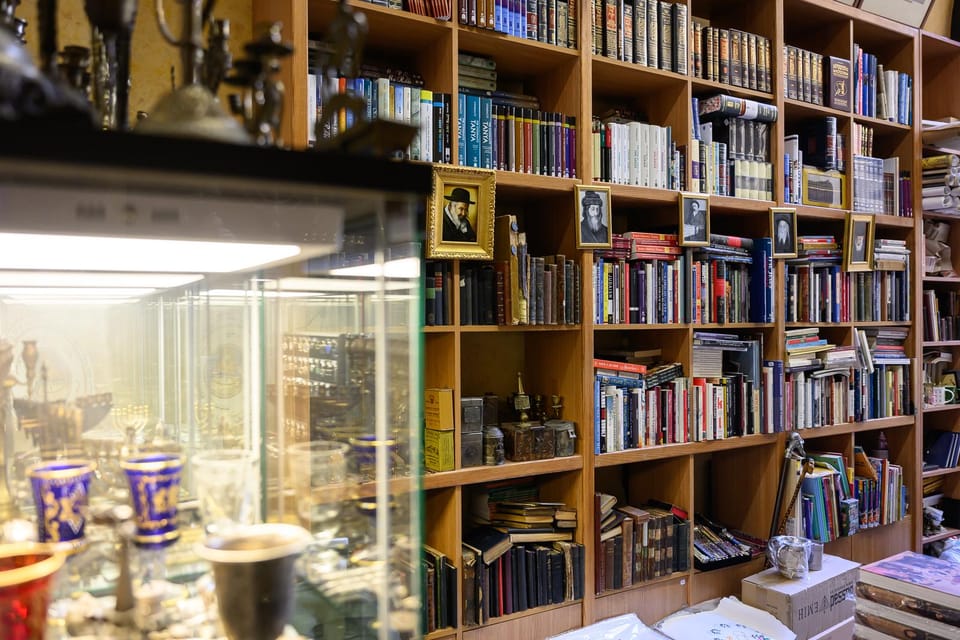
- Exclusive Kazinczy gallery access with your guide, not available to the general public
- English-speaking local expert guides who explain traditions and everyday Jewish life in Hungary
- Dohány Street Synagogue outside visit helps you place the big picture before you go inside Kazinczy
- Stops include Raoul Wallenberg Holocaust Memorial Park and Holocaust-related monuments
- A focused 2 hours with art-nouveau style Kazinczy interiors and multiple meaningful photo stops
Budapest Jewish History on Foot: What This Tour Feels Like
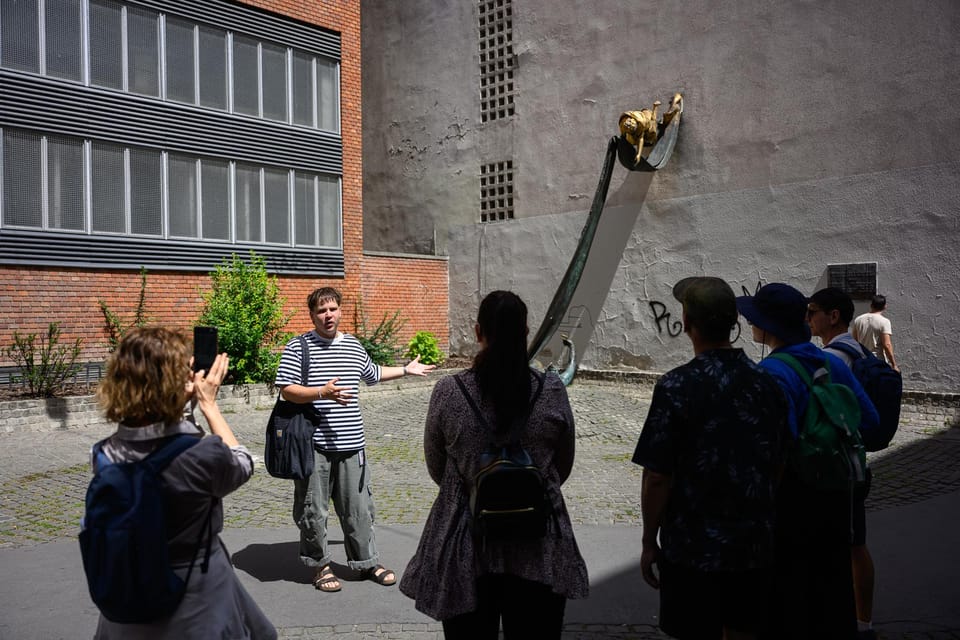
Budapest doesn’t hide its Jewish story—it puts it on the sidewalks. This tour walks you through the Jewish Quarter and the nearby synagogue triangle so you can read the city like a map. You start at the Herzl Tivadar sign, then move from major landmarks to smaller, quieter reminders of what happened here and what survived.
The best part is how the guide connects the dots. It’s not just architecture and names. You’ll learn about Jewish heritage, history, holidays, and day-to-day tradition in Hungary, and you’ll hear local stories tied to former ghetto areas. Guides like Dora (noted for clear, interesting explanations) can turn what looks like a street corner into a living historical clue. And because the tour stays tight at about 2 hours, it’s focused rather than exhausting.
If you’re hoping for a lot of sitting time, this isn’t it. You’ll be on your feet through synagogue exteriors, photo stops, and one meaningful interior visit where the pace stays guided and practical.
You can also read our reviews of more tours and experiences in Budapest

Price and Value: Why $34 Works Here
At around $34 per person for a 2-hour tour, the value comes from what’s included—not just what you see. You’re paying for an expert local guide plus a synagogue ticket for Kazinczy Street Synagogue, and you also get the special gallery access that’s otherwise closed to regular visitors.
If you’ve priced synagogue admissions and self-guided tours before, you know the real cost can creep up once you add guide services. Here, the ticket is built into the tour, so you don’t have to coordinate separate entry times and ticket counters. In practical terms, it’s a good deal for travelers who want guided context without extra admin.
One more value point: your route is deliberately structured. You don’t only walk past big places—you get a guided explanation at the Jewish Quarter segment and then a guided interior at Kazinczy, where the art-nouveau design and orthodox setting become easier to understand because you’ve already been given the background.
Start at the Herzl Tivadar Sign: Easy Meeting, Clear Route
The meeting point is straightforward: meet your guide at the Herzl Tivadar sign. That matters more than you might think. Jewish Quarter routes can be a little confusing if you’re trying to line up transit, synagogue tickets, and your bearings at the same time. Having a fixed start point helps you relax and get oriented early.
From there, the tour moves to the first major site area and builds your understanding step by step. You’ll begin with the Dohány Street Synagogue area (outside visit), then continue to the Holocaust Memorial Park photo stop, and onwards through the Jewish Quarter and the synagogue triangle.
The tour ends back at the original meeting point. That keeps the logistics simpler than tours that dump you far away from transit. If you plan dinner afterward, you’ll likely be able to reset without a complicated return plan.
Dohány Street Synagogue Exterior: The Scale That Changes Your Perspective
The tour begins at the Dohány Street Synagogue area. You won’t go inside here—this is an outside visit—but it’s still a powerful opener because Dohány Street Synagogue is described as the largest in Europe and the second largest in the world. Seeing that scale before you enter Kazinczy helps you frame what you’re looking at later.
I like using a big landmark as a first anchor. It lets you understand why this neighborhood mattered so much. With your guide’s context, the outside look becomes a clue: this wasn’t just a church-like building for worship. In many cases, synagogues were community centers, identity markers, and places where tradition was kept visible and organized.
You’ll also be prompted to connect what you’re seeing with what your guide is explaining about Judaism, holidays, and everyday life in Hungary. That groundwork pays off when you get to the Kazinczy interior.
Raoul Wallenberg Holocaust Memorial Park: A Photo Stop With History Attached
Next comes the Raoul Wallenberg Holocaust Memorial Park. This is a photo stop, pass-by style, meaning you’ll likely get a moment to take pictures and hear the key facts that connect Wallenberg’s legacy to Budapest’s story.
Even as a quick stop, it’s valuable because it prevents the tour from feeling like only religion and architecture. The Holocaust monuments and memorial spaces are part of Jewish history here—not a separate topic you tack on at the end. Your guide ties it back to the ghetto area stories so the route stays emotionally and historically consistent.
If you’re the type who likes to understand the why behind monuments, you’ll appreciate that you’re not just seeing a spot on a map. You’re getting context right when you’re standing near it.
You can also read our reviews of more guided tours in Budapest





Jewish Quarter Guided Segment: Learn the Neighborhood, Not Just the Buildings
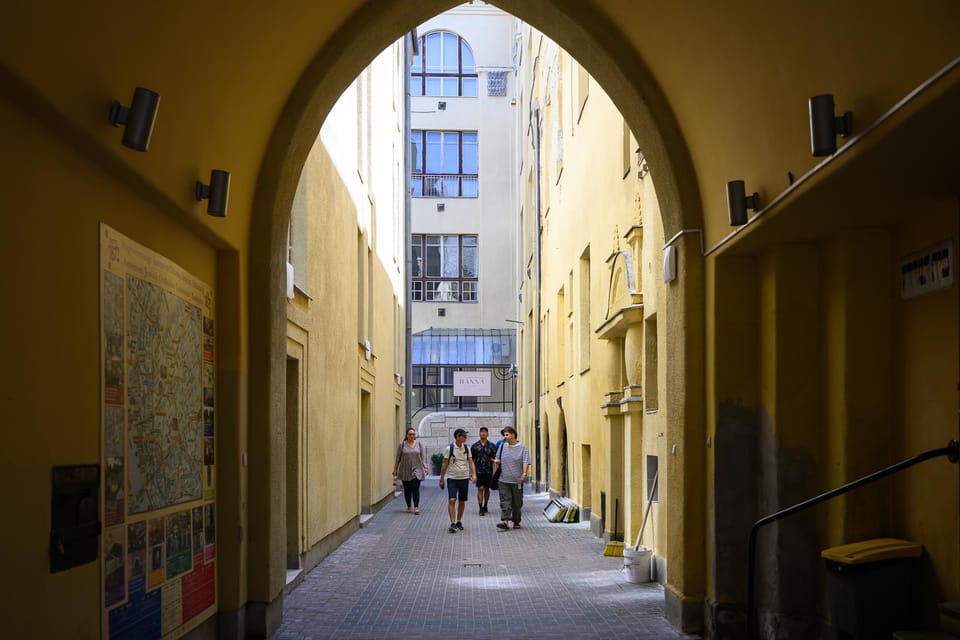
The tour includes a guided look through the Jewish Quarter, Budapest. This is one of the places where you’ll get the most “useful understanding” per minute.
Here’s what makes this segment work: your guide focuses on tradition and everyday life, including how holidays connect to community rhythms. You’ll also hear how the former ghetto areas shaped people’s lives, which changes how you read the street-level cityscape.
This is the stop I’d recommend to travelers who don’t want a cold list of historical facts. Instead, you get stories and explanations that make the neighborhood feel connected to people, not just places.
Rumbach Street Synagogue: Outside Views That Set Up Kazinczy
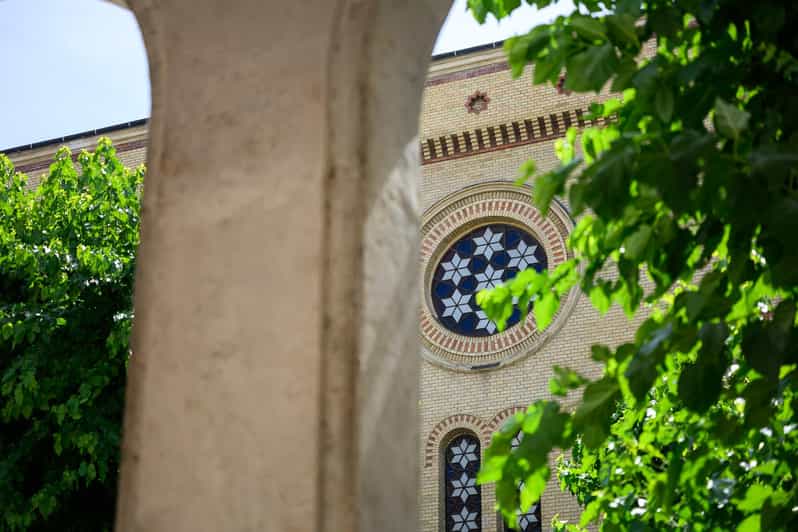
After the Jewish Quarter segment, you’ll reach Rumbach Street Synagogue. This is another outside visit, mainly a pass-by and photo stop.
That might sound like less, but it’s still useful. The tour is building a triangle of key synagogues, and seeing multiple exteriors helps you understand the variety of design and community presence in the area. By the time you arrive at Kazinczy, you’ve already been “trained” to notice what makes each building distinctive.
If you’re taking photos, this is one of your chances to capture the area’s overall feel before the main indoor moment at Kazinczy.
The Jewish Ghetto Wall Fragment: Stop for a Reason, Not a Photo
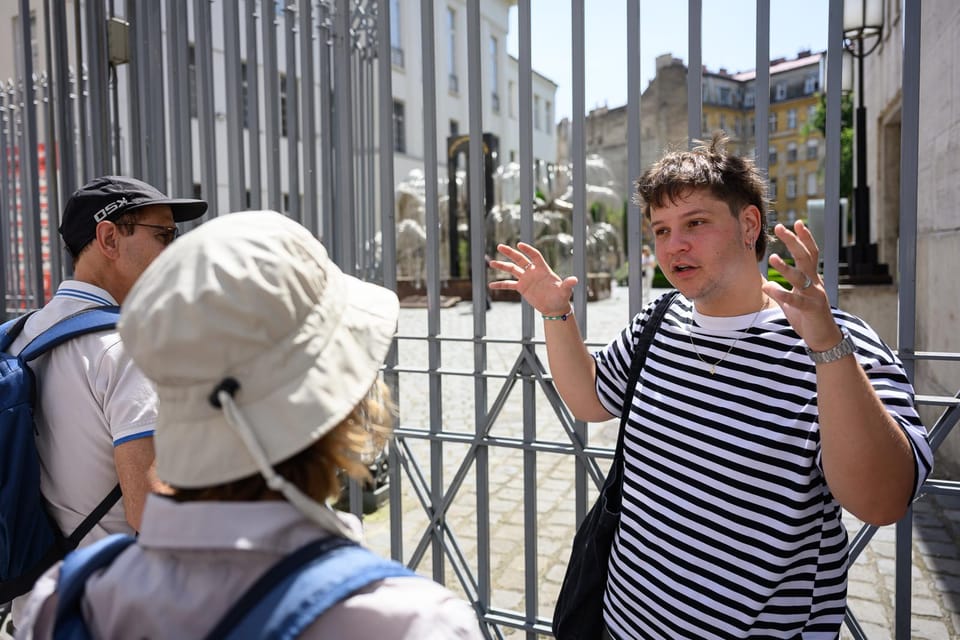
You’ll also see a Jewish Ghetto Wall Fragment as a photo stop. This is one of those locations where a short pause can hit hard, even if you don’t linger.
What’s important is how your guide frames it in context. It’s not just a remnant; it’s evidence of how lives were physically constrained. When you pair this with the memorial park and the Holocaust-related monuments, the route creates a clear historical line between community life and persecution.
If you’re sensitive to heavy topics, it can help to know this stop is part of the design. The tour does not shy away from it, and your guide’s job is to keep it understandable.
Kazinczy Street Synagogue Interior: The Tour’s Main Event
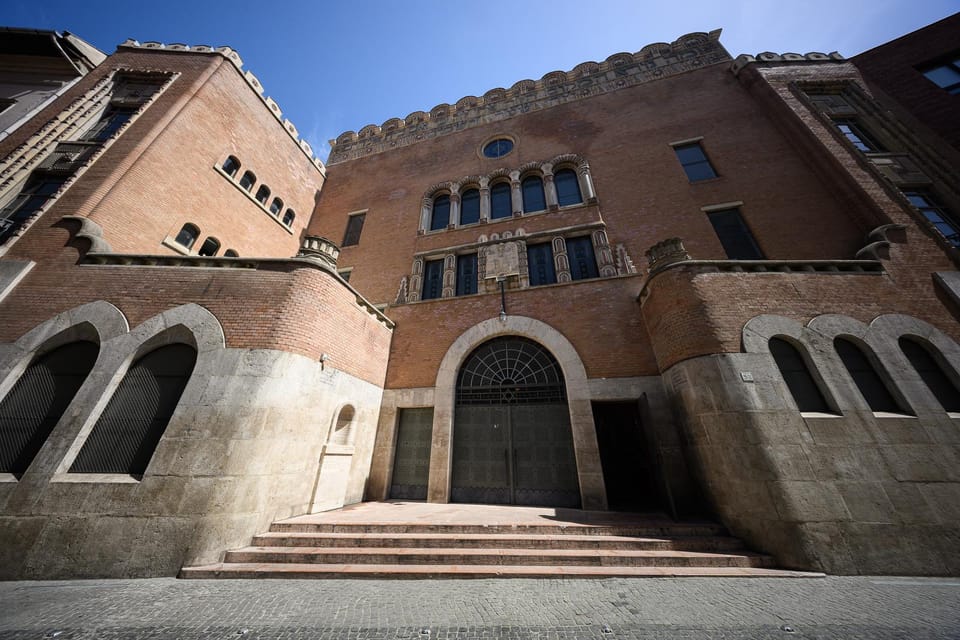
The third synagogue in the triangle is Kazinczy Street Synagogue, and this is where the tour really earns its keep.
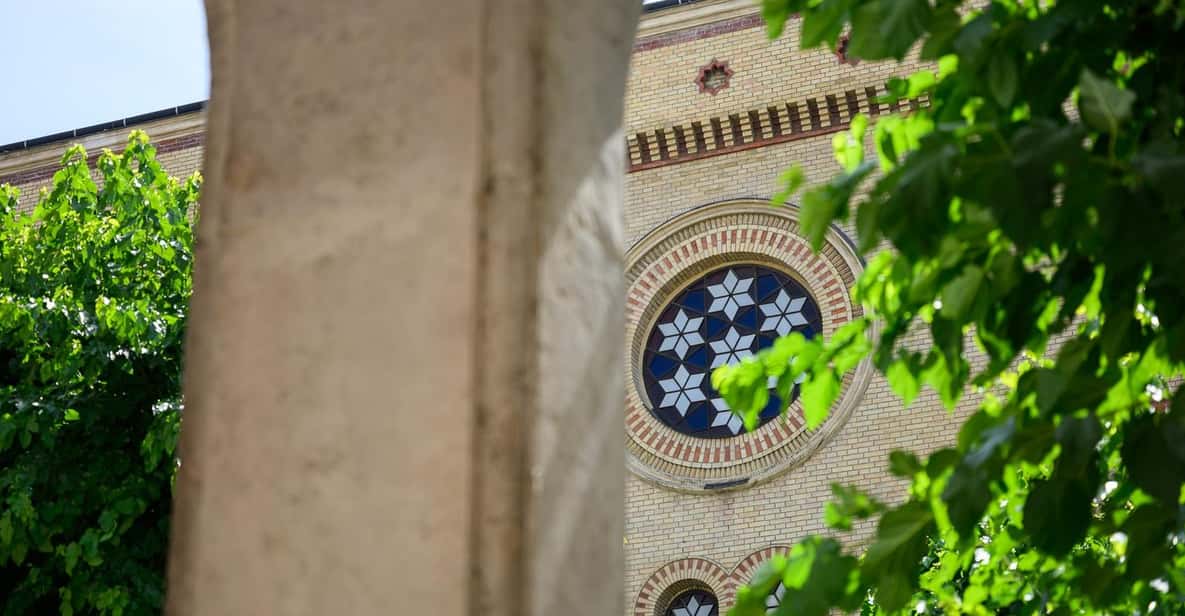
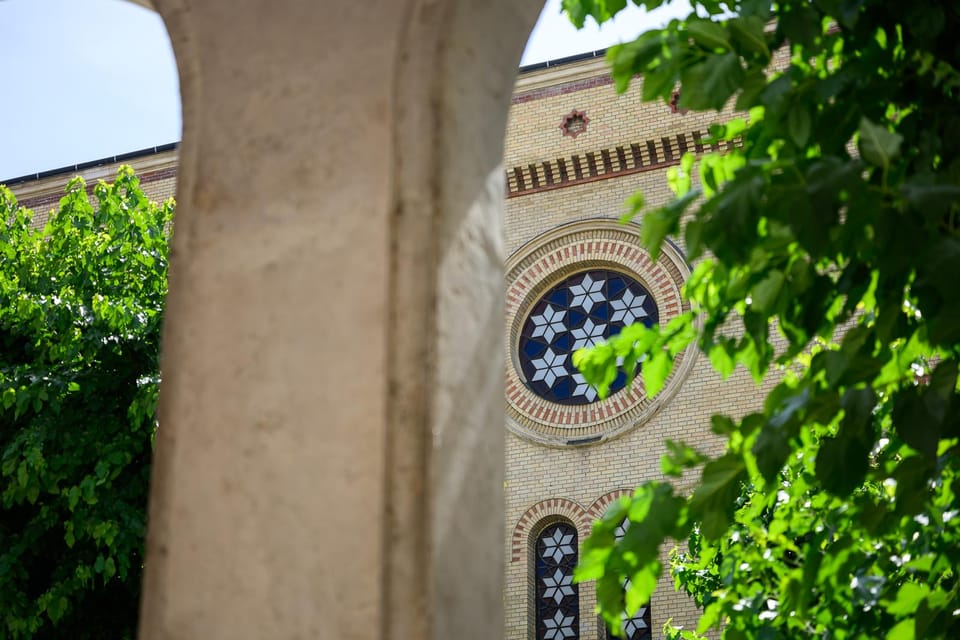
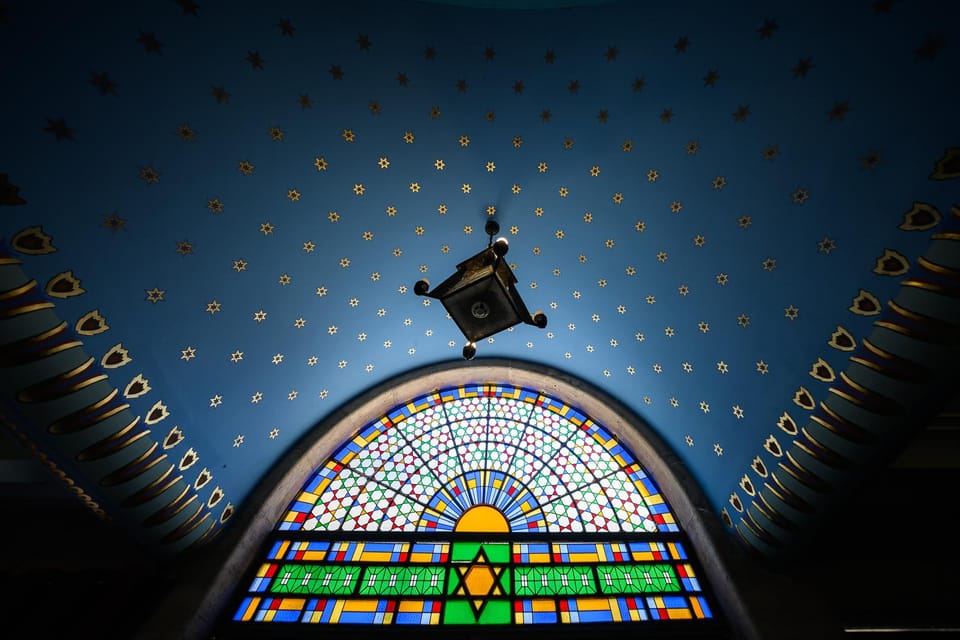
You get an interior visit with a guided tour, and your ticket is included. Kazinczy is described as one of the largest operating orthodox synagogues in Europe and is built in art-nouveau style. If you’re drawn to architecture, the art-nouveau element gives you something to look for beyond religious symbols. If you’re drawn to faith, the fact that it remains an operating orthodox synagogue gives the visit present-day relevance, not just museum vibes.
Here’s the special part: you also get an exclusive visit of the gallery, which is otherwise closed to the public. That detail matters. Galleries can change how you understand synagogue space because they show how worship and community roles were arranged within the building. With a guide, you’re less likely to miss what you’re looking at.
Also, your tour ends at Kazinczy Street Synagogue area and then returns you to the meeting point, so you’re not left scrambling to coordinate your next step.
What to Expect From the Guide (And Why People Notice Dora)
The tour is only available in English, and your guide is the key reason it’s rated so highly.
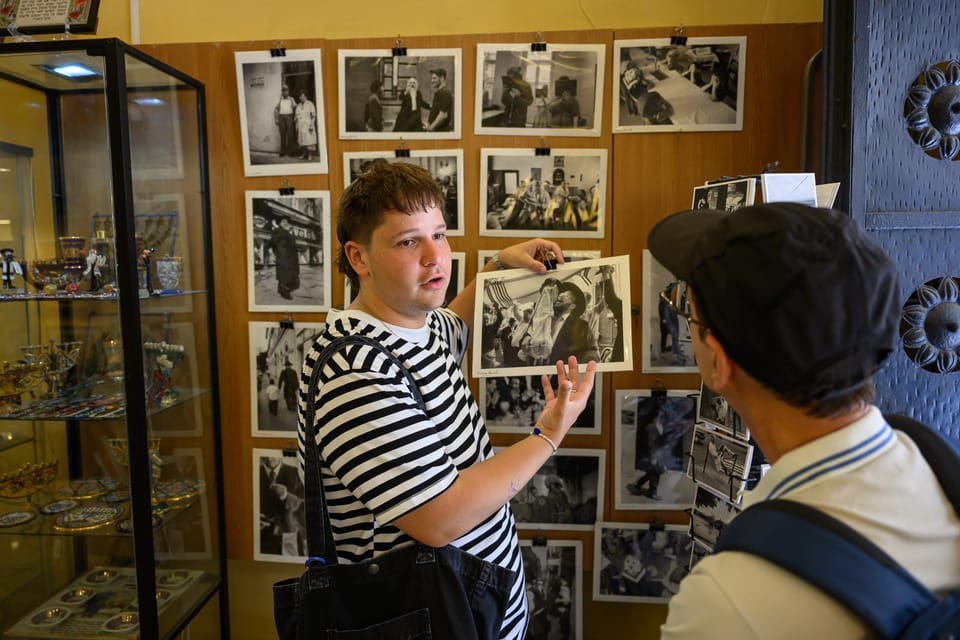
The information style is practical: your guide explains the meaning of what you’re seeing and ties it to Jewish tradition—holidays, beliefs, and everyday life in Hungary. That’s the difference between a building tour and a history tour. With Judaism, context is everything, because details like symbols, layout, and customs make more sense when you know what they’re connected to.
Dora is one example of a guide who stands out for making the explanations clear and interesting, and other guides are described as pleasant and focused on giving a fuller look into Jewish history and culture. In other words: you’re not just getting a lecture. You’re getting a guided narrative that helps you walk away with something you can actually use to understand Budapest.
Pace, Timing, and Practical Tips for 2 Hours in the Quarter
The duration is 2 hours walking tour, so plan on a steady rhythm rather than long breaks. Your stops mix guided time and pass-by/photo moments, so you’ll need to stay alert and move when the group moves.
If you’re bringing a bag or camera, remember you’re going to synagogues. The tour info notes that pets are not allowed inside the synagogue, though pets are welcome during the walking tour. If you’re traveling with anything like that, think ahead so you’re not stuck outside during the indoor segment.
Also, the tour is not suitable for people with mobility impairments. That’s worth taking seriously because the route involves multiple stops and walking between sites.
Finally, since it’s only in English, it’s a good fit if you want direct explanations without relying on translation apps. It also tends to make the interior visit more rewarding because you can ask questions in real time (when the guide is able).
Who Should Book This Tour
This works best for you if:
- You want Budapest Jewish history explained clearly, not just shown.
- You care about both religion and the real-world history connected to the ghetto and Holocaust memorials.
- You want one standout synagogue interior with the added bonus of exclusive Kazinczy gallery access.
- You like tours where the guide talks like a local who knows how to make complex topics understandable.
If you already know a lot of Jewish history and want a purely academic or museum-style experience, you might find the tour a bit short for that. But for most visitors, the 2-hour format hits the sweet spot: enough context to make the sights click.
Should You Book This Budapest Jewish History Walking Tour?
Yes, if you want a guided route that makes Budapest’s Jewish sites legible. The main reason to book is the combination: an expert English guide plus Kazinczy Street Synagogue ticket plus exclusive gallery access. That’s the kind of inclusion that turns a nice stroll into a real experience.
I’d skip it only if your mobility is limited, or if you strongly prefer a tour without any Holocaust-related stops. Otherwise, this is a solid choice for travelers who want meaningful context and good pacing in a compact time window.
If you’re choosing between a self-guided synagogue visit and a guided history walk, pick the guided option here. You’ll spend the same general time in the neighborhood, but you’ll leave with the connections your guide helps you make.
FAQ
How long is the Budapest Jewish history walking tour?
It lasts about 2 hours.
Is the tour offered in English?
Yes, the tour is available only in English.
What synagogue visits are included?
The tour includes an outside visit of Dohány Street Synagogue, photo stop at Rumbach Street Synagogue, and an interior visit of Kazinczy Street Synagogue with a ticket included.
Is admission to Kazinczy Street Synagogue included?
Yes. Admission to Kazinczy Street Synagogue is included, along with an exclusive gallery visit available only with the guides.
Is the tour suitable for people with mobility impairments?
No, it is not suitable for people with mobility impairments.
Are pets allowed during the tour?
Pets are not allowed inside the synagogue, but they are welcome during the walking tour.