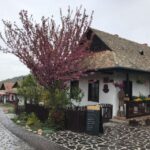
REVIEW · BUDAPEST
Szentendre: Self-guided Bicycle Tour with optional boat transfer
Book on Viator →Operated by BIKE & RELAX - Bike Tours and Bike Rental · Bookable on Viator
Budapest has a way of making you pedal slower. This self-guided bike tour takes you from downtown to the Danube, then north to Szentendre, with a boat-or-train return option. You ride at your own pace, but the route keeps you on mostly bike-friendly ways and helps you connect the sights without getting lost.
I like that the day is set up for real breathing room: a short start in the shop area, then a flow of stops with time to linger. I also like the optional finish—an easy 1-hour boat ride on weekends (or the frequent HEV train other days) keeps the return from feeling like another long slog.
One thing to consider: there’s no on-road technical help if your bike has a problem, so you’ll want to ride carefully, keep an eye on the route signs, and bring the basics you’d normally carry on a bike day.
In This Review
- Key highlights you’ll feel immediately
- From Madách Square to the Danube bank: why this route works
- What you do first: Bike & Relax stop and setup
- A practical tip
- Stop 2: Margaret Island (Margit-sziget) and the calmer side of Budapest
- A nice detail
- Stop 3: Obuda’s older streets and cobblestones to watch for
- Stop 4: Roman Beach to Lupa Lake—cool off, but follow the rules
- Then comes the forest and the mosquitoes
- Two route strategies
- Stop 5: Szentendre and the easiest way to enjoy it
- What I’d aim for
- The return plan: weekend boat vs daily HEV train
- Boat option (weekends): about 1 hour
- Train option (all days): frequent HEV service
- E-bike vs regular bike: how to choose your energy budget
- What’s included, what’s not, and the one thing you must plan for
- The no-technical-support part (read this twice)
- Weather and timing: when this plan feels best
- Should you book this Szentendre bicycle tour?
- FAQ
- FAQ
- Where is the meeting point and what time does the tour start?
- How long should I plan for this bicycle tour?
- Is this tour fully self-guided, or do I ride with someone?
- What bike options are included?
- How far is it to Szentendre from Budapest?
- What return options are available?
- If I choose the boat, where does it stop in Budapest?
- What’s included in the price, and is technical support provided?
Key highlights you’ll feel immediately
- Self-guided at your speed: choose breaks whenever you want, and use the route booklet as your safety net.
- Danube-side cycling connects the big landmarks: you pass major sights like St. Stephen’s Basilica and the Hungarian Parliament on the way out of downtown.
- Margaret Island to Buda via bike ways: cars are restricted on the island, which makes for a calmer pedal.
- Roman Beach plus a forest detour to Lupa Lake: you can cool off, snack, and still keep moving toward Szentendre.
- Two realistic return options: weekend boat (about 1 hour) or HEV train (runs several times per hour).
From Madách Square to the Danube bank: why this route works
This tour is built around a simple promise: you’ll ride from Budapest to the Danube, then continue north toward Szentendre without having to follow a group like it’s a moving museum. The start is at Madách Imre út 12 in Budapest (between Madách Square and Gozsdu-Court), and it kicks off at 11:00 am. The group size is capped at 8, and you get a mobile ticket, a route booklet, and a lock—small things that matter once you’re on the street.
The ride is aimed at people with moderate physical fitness. That doesn’t mean it’s hard, but you should expect a true cycling day. The good news is that the route leans on bike-friendly streets and the Danube-side bicycle corridors. Also, the option of a quality e-bike (pedelec) makes a huge difference if you want to arrive in Szentendre feeling like you still want to walk around, not like you just survived a test ride.
Value-wise, the price is surprisingly fair for what you’re getting: a bike rental (regular or e-bike), helmet availability (usage not required), bottled water, luggage storage during the tour, and guidance materials. At $34.55 per person, it’s not a “transport-only” deal, and it’s not an all-day museum ticket either. You’re paying for independence plus a route that avoids the guesswork.
You can also read our reviews of more boat tours in Budapest



What you do first: Bike & Relax stop and setup
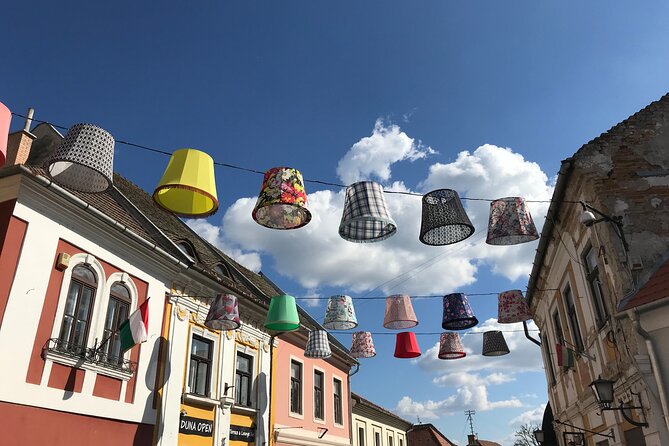
The first stop is right near your starting point—about 10 minutes at Bike & Relax on Madách Imre street. You’ll use this time to get your bearings, pick up what you need, and settle into the day. There’s free admission here because the real point is logistics: you’re getting ready to ride.
Then you roll out from the downtown area toward the Danube bank. This is one of those stretches where the route matters. The plan uses safe bicycle ways and quieter downtown roads so you can start with confidence. You’re also given a clear sense of landmarks to watch for—especially the big ones like St. Stephen’s Basilica and the Parliament. It’s a nice way to see the “postcard Budapest” highlights without waiting in a ticket line.
A practical tip
Since it’s self-guided, you’ll do best if you mentally switch to a rhythm:
short rides, then planned breaks at stops. The route encourages that pace, and it helps you avoid the common mistake of burning all your energy before the best scenery.
Stop 2: Margaret Island (Margit-sziget) and the calmer side of Budapest
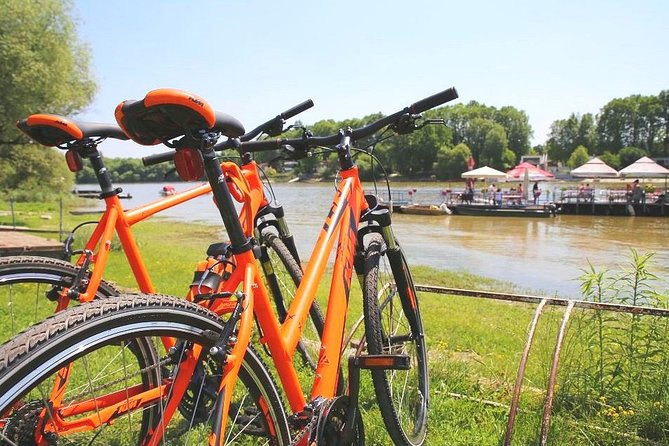
From Margaret Bridge, you head into Margaret Island. Here’s why this stop feels different: private car traffic is prohibited on the island. That naturally makes the cycling environment calmer than you’d expect in a major city.
Still, the instructions are clear—watch for public buses and pedestrians. An island full of people is still an island full of variables. So slow down near crowded areas, give walkers room, and keep your line predictable.
This is also where you start getting that “you’re not just cycling through” feeling. You pass through a scenery pocket that includes cafés and bars on the river bank. And the route nudges you toward the next phase: continuing to the Buda side, including Old Buda and the approach toward the Roman Beach area.
A nice detail
You’ll reach the next connection point via the north side of the island and the area around Árpád Bridge—you pass under the bridge and then take the bicycle way that climbs up to cross into Buda. That matters because it keeps your transition smooth rather than forcing you to figure out street by street.
You can also read our reviews of more guided tours in Budapest





Stop 3: Obuda’s older streets and cobblestones to watch for
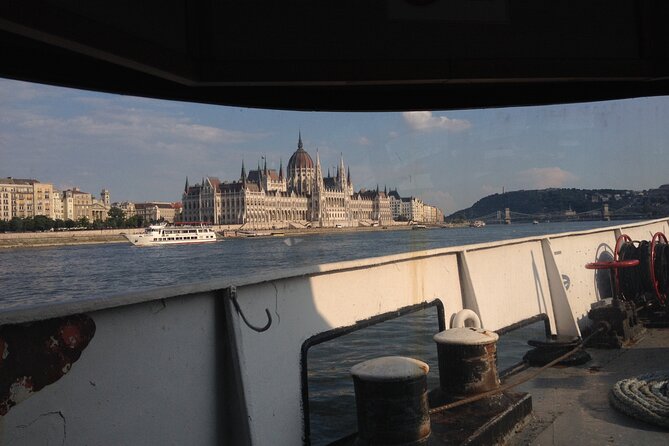
After the island section, you reach Óbuda—one of the older parts of Budapest. The route notes something you’ll likely notice quickly: you ride behind socialist apartment blocks for a bit. That sounds bleak, but it gives the area texture. Then, beyond that, you find the “small town” vibe with idyllic houses.
There’s also a heads-up: a short distance on cobblestones. That doesn’t make it a deal-breaker, but it changes how your bike feels. If you’re on a regular bike, slow down through those sections so you don’t bounce around or lose traction. If you’re on an e-bike, it can still be bumpy—traction is traction.
You can treat this as a flexible stop. If you want a break, it’s a reasonable place to pause, grab something, and decide whether you keep pushing toward Szentendre or detour into museums. The route also connects with the Danube bicycle corridor (EuroVelo 6) if you’re the type who likes to think in long-distance routes.
Stop 4: Roman Beach to Lupa Lake—cool off, but follow the rules
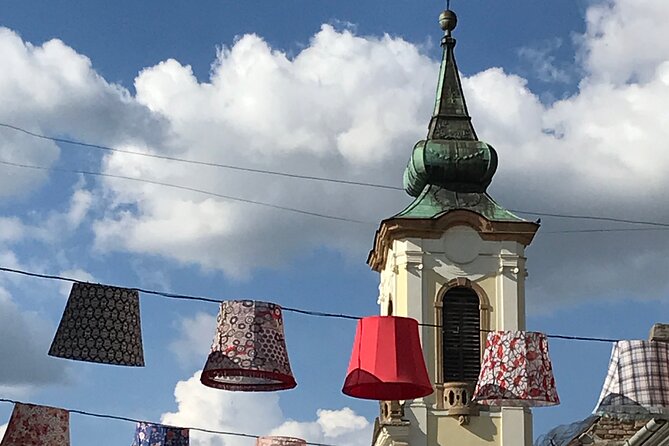
The Roman Beach area is your next big scene change. The route passes an old gas plant that’s now a software park, then goes under a railway bridge. After that, you arrive at a Danube recreational zone that can be crowded on summer evenings and weekends.
There’s plenty to do here: restaurants and beach bars, and a strong “people are here for the water” energy. Just don’t count on swimming as part of your plan. The instructions are direct: bathing is forbidden in this Roman Beach area.
Then comes the forest and the mosquitoes
After Roman Beach, the signage improves. You’ll follow directions to Szentendre and the Danube Bicycle Trail, and you get a newer cycling segment through a forest toward Lupa Lake.
This is where the experience can surprise you—in a good way. An artificial lake with a “real beach feeling” can feel like a mini escape from the city. The entrance to Lupa Lake is on the opposite side (south-western), where there are larger parking areas. If you’re hungry or tired, this is a sensible place to refuel.
One downside to plan for: mosquitoes. If you tend to get bitten easily, bring repellent. Even on a day that feels mild, this forest stretch can be an itch-factory.
Two route strategies
- If you’re set on reaching Szentendre the same day, you can ride past Lupa Lake on the bicycle way.
- If you want more leisure, you can postpone Szentendre to another day and stay near Lupa Lake longer.
Stop 5: Szentendre and the easiest way to enjoy it
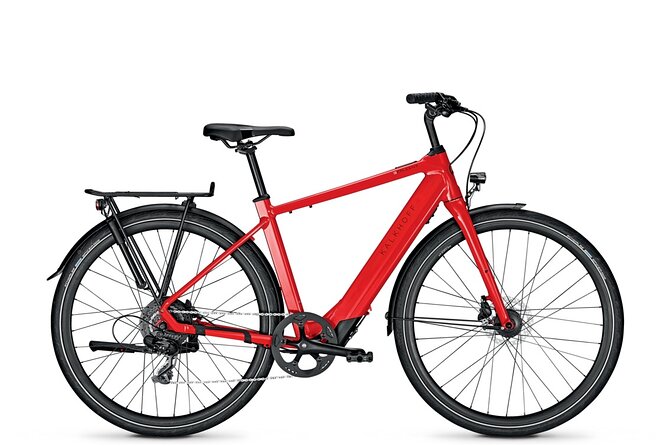
Szentendre is about 25 km north of Budapest. It’s known for a Mediterranean-feeling atmosphere and an arts scene. Historically, it was a Serb & Croat settlement, which shows up in the area’s standout Serb church.
The best move in Szentendre is simple: park your bike near the river and shift to walking. The pedestrian area is where you’ll feel the town. Expect lots of small places for food and drink, plus beaches where you can bathe—a nice contrast to the Roman Beach rule earlier in the day.
This is also one of those destinations where timing matters. If you arrive and immediately feel rushed, you’ll miss the charm. Give yourself enough time to stroll, look, and stop without checking your watch every five minutes.
What I’d aim for
You want to arrive with your energy intact. That makes the Szentendre walk enjoyable rather than exhausting, and it helps you avoid the most common self-guided problem: overcommitting early and then moving too fast later.
The return plan: weekend boat vs daily HEV train
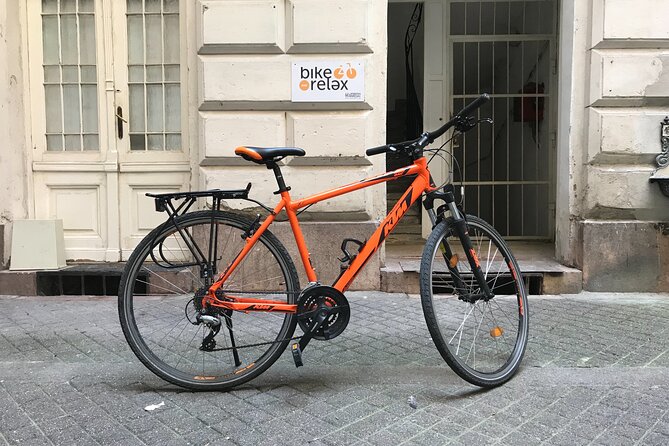
This is a big part of the value of the experience. You’re not stuck with a “back the way you came” fatigue.
Boat option (weekends): about 1 hour
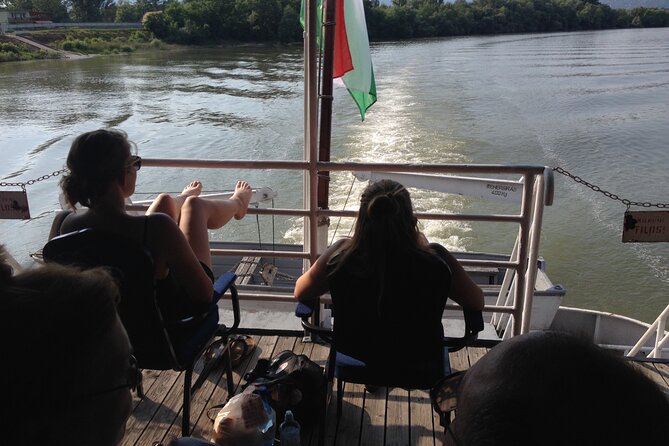
On weekends, there’s an option to book a boat ride of roughly 1 hour from Szentendre downstream to Budapest. You can bring your bicycle onto the boat. When you arrive on the Pest side, you’ll return to the office area from the downtown boat stop near Vigadó.
Pay attention to the route of the boat: it first stops at Buda and then at Batthyány Square before reaching the final stop at Vigadó. Also, there’s no service in the regular sense—though you can get soft drinks onboard.
One small practical point: because this option is tied to weekend operations, you’ll want to plan your day around it if you care about using the boat.
Train option (all days): frequent HEV service
On any day, you can return by regional train HEV to Budapest (if you booked the return-by-train option). The schedule gives you flexibility: it runs several times per hour.
That’s excellent if you hate rushing. If you take your time in Szentendre, you don’t have to panic about missing a narrow window. The train option also works well if the boat plan doesn’t line up with your timing or weather.
E-bike vs regular bike: how to choose your energy budget
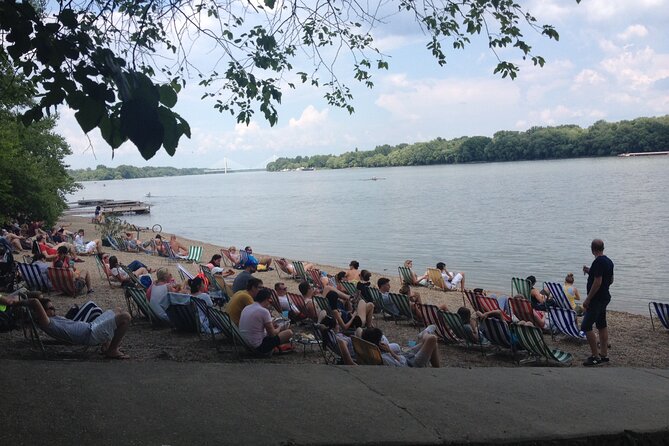
You can use either a regular bicycle or a quality e-bike (pedelec), and helmets are available (usage not required). I like that the choice is on you, not forced.
If you’re doing this in the warmer months or you want to spend more energy walking around Szentendre, an e-bike can make the difference between a “nice ride” and a “good ride, plus more exploring.” If you’re a comfortable cyclist and the idea of cobbles and long Danube stretches sounds fun, the regular bike should work.
Either way, treat this like a cycling day, not a stroll. Bring water habits into your plan (you do get bottled water included), and keep your expectations realistic: the best payoff is when you arrive in Szentendre ready to wander.
What’s included, what’s not, and the one thing you must plan for
Included is a nice starter package:
- Bottled water
- A lock
- Luggage storage during your tour
- Route recommendations and a booklet
- Bicycle use (regular or e-bike / pedelec)
- Helmets (not obligatory)
Not included items matter because they affect your day:
- Entrance fees if you stop in museums
- No on-site technical support along the way (no emergency pick-up if something breaks)
- Public transportation €30.00 per person
That last line is easy to misunderstand. The tour itself is centered on the bike, but you may still need public transport for getting around parts of your broader day, and it isn’t included in the tour price.
The no-technical-support part (read this twice)
Self-guided is liberating, but it’s also self-reliant. If you’re prone to flat tires or you don’t know basic bike troubleshooting, bring an extra layer of caution. Ride predictably, avoid risky shortcuts, and don’t ignore small handling issues early.
Weather and timing: when this plan feels best
This experience requires good weather. If the weather turns, you’ll be offered a different date or a full refund.
Start time is 11:00 am, and the total duration is listed as 5 to 8 hours. That range is mostly about how long you linger at Roman Beach, Lupa Lake, and especially in Szentendre. With a self-guided plan, your “real duration” mostly depends on how quickly you move and how long you pause for food and views.
If you want the day to feel easy, aim for steady cycling and intentional breaks. If you treat every stop like a full day, 5 hours can turn into 8 fast.
Should you book this Szentendre bicycle tour?
Book it if you want a day that mixes Budapest landmarks with a Danube-side ride, plus a real destination town. The combination of self-guided flexibility and a sensible return plan (weekend boat or HEV train) is what makes this worth your time.
Skip it or think twice if:
- You want staff to manage everything for you in real time.
- You’re uncomfortable with cobblestones and a forest section where mosquitoes can be a factor.
- You don’t want any chance of dealing with bike issues on your own, since there’s no on-route technical support.
One final note: I’ve heard the guide Laszló can do a great job with the handoff—helping you get oriented so you don’t spend your first hour guessing. Even though the ride is self-guided, a strong start makes the whole day feel smoother.
FAQ
FAQ
Where is the meeting point and what time does the tour start?
The meeting point is Budapest, Madách Imre út 12, 1075 Hungary, and the tour starts at 11:00 am.
How long should I plan for this bicycle tour?
The duration is about 5 to 8 hours.
Is this tour fully self-guided, or do I ride with someone?
It’s designed so you’re your own guide. You ride at your own speed and can choose your breaks, using the route booklet and recommendations.
What bike options are included?
You can use a regular bicycle or a quality e-bike (pedelec). Helmets are available, and helmet use is not obligatory.
How far is it to Szentendre from Budapest?
Szentendre is about 25 km north of Budapest.
What return options are available?
On weekends, you can book an optional boat ride of about 1 hour from Szentendre downstream to Budapest. All days also have the option to return by regional train HEV to Budapest (runs several times per hour).
If I choose the boat, where does it stop in Budapest?
The boat first stops in Buda and then at Batthyány Square, before crossing to the final stop at Vigadó.
What’s included in the price, and is technical support provided?
Included: bottled water, lock, luggage storage, and the route booklet/recommendations, plus bike use. Technical support is not provided on the way, so there is no on-site technical help or emergency pick-up.