
REVIEW · BUDAPEST
Stretched Strudel Making Class with 2 Different Fillings
Book on GetYourGuide →Operated by Cooking Hungary - Culinary Experiences · Bookable on GetYourGuide
Strudel gets personal in a Budapest apartment. In this hands-on class, you learn how Hungarians stretch ultra-thin dough, then bake and eat two different strudels together with a small group. It’s old-world comfort food, explained in plain steps by a chef who learned the craft at home.
I really like the stretching technique itself. Watching your hands turn dough into something almost see-through, while Chef Marti guides you through the do’s and don’ts, is the kind of skill you can’t get from a cookbook alone. I also love that the evening isn’t just about the strudel—while yours bakes, you get typical Hungarian snacks and drinks, and the meal feels like a friendly local pause rather than a rushed tasting.
One thing to consider: there’s no hotel pickup, and the class meets at a private apartment address in central Budapest (Király u. 77). Also, it’s not suitable for children under 10, so plan on it being an adult-focused food class.
In This Review
- Key things you’ll remember
- Finding the right address: Király u. 77 in central Budapest
- Why Hungarian strudel matters: Turkish influence meets Habsburg traditions
- The main skill: stretching elastic dough until it’s almost see-through
- Choosing fillings: poppy-seed, cabbage, cottage cheese—and sometimes fruit combos
- Baking time: Hungarian bites, wine, and a calm break
- Eating together and savoring what you made
- Taking the recipes home: family instructions you can actually use
- Price and value: $90 for technique, ingredients, and drinks
- Who should book this strudel class (and who might not love it)
- Quick practical expectations before you go
- Should you book? My take
- FAQ
- How long is the stretched strudel making class?
- Where do I meet for the class in Budapest?
- How many people are in the class?
- Is the class taught in English?
- What will I make and eat during the class?
- Does the class include recipes to take home?
Key things you’ll remember
- Two strudels, two fillings made from beginning to end in a small group (up to 10 people)
- Family-recipe focus: you take home the written “how we do it” instructions
- Hands-on stretching of the paper-thin, elastic dough with Chef Marti’s guidance
- Hungarian food pairings while the strudels bake: typical bites plus wine, coffee, and soft drinks
- Choice of traditional fillings, such as poppy-seed with pumpkin, cabbage (sweet or salty), and sweet cottage cheese cream
- Central Budapest apartment setting, so you get the real-life vibe of cooking at home
Finding the right address: Király u. 77 in central Budapest
This class starts right in the middle of Budapest, at the local partner’s private apartment on Király u. 77, 1077 Hungary. That sounds simple, but it’s the kind of detail that changes your experience. Since there’s no hotel pickup, you’ll want to plan a straightforward route in advance and arrive a few minutes early.
The “apartment kitchen” format matters more than you might think. In a big, public cooking school, you often feel like you’re cooking at a station. Here, you’re part of a small group and the pace feels more like family prep: you watch, you copy, you ask, and you get direct help when your dough needs a bit of tweaking. Reviews consistently point to that personal, patient vibe with Chef Marti—the teaching feels calm, not hurried.
Also, because it’s limited to 10 participants, you’ll actually get attention while you stretch the dough (which is usually the hardest part for first-timers). If you like learning by doing, this setup is a win.
You can also read our reviews of more tours and experiences in Budapest


Why Hungarian strudel matters: Turkish influence meets Habsburg traditions
Before the dough ever hits the counter, you’ll get the story that explains why strudel shows up in Hungarian everyday life—and especially in countryside wedding traditions. You learn that strudel is often described as a classic Habsburg Empire dessert, with origins traced back to Turkish influence in Hungary.
That background isn’t just trivia. It helps you understand why the method matters. Strudel wasn’t only about flavor—it was about technique: stretching thin pastry sheets, layering filling, and baking until everything turns cohesive. When you know the dessert’s cultural route, the hands-on process feels less random and more like a living craft.
You also learn how strudel fits into wider Hungarian cuisine and customs. The class treats food as more than a dish: it’s a way families share time, mark celebrations, and pass down recipes.
The main skill: stretching elastic dough until it’s almost see-through

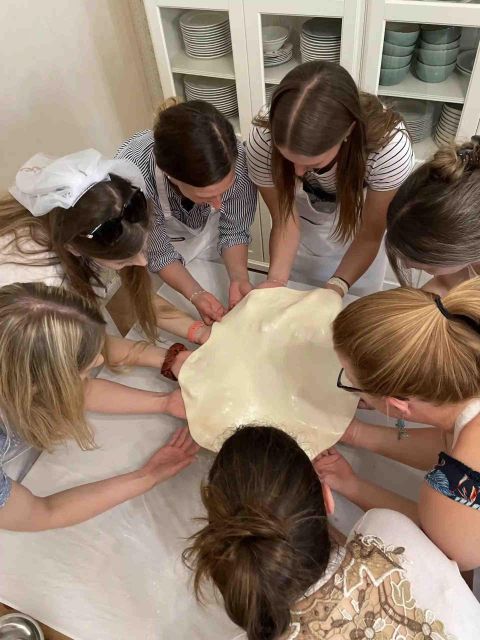
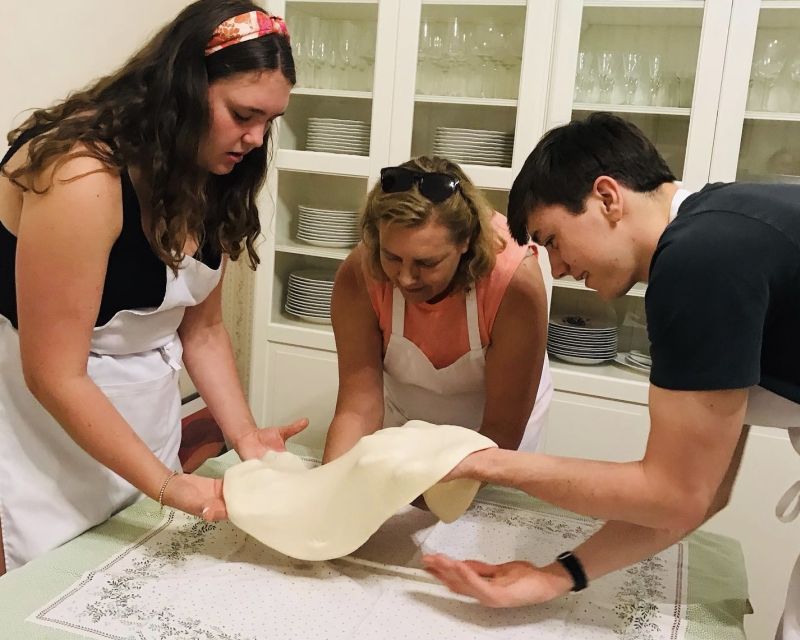
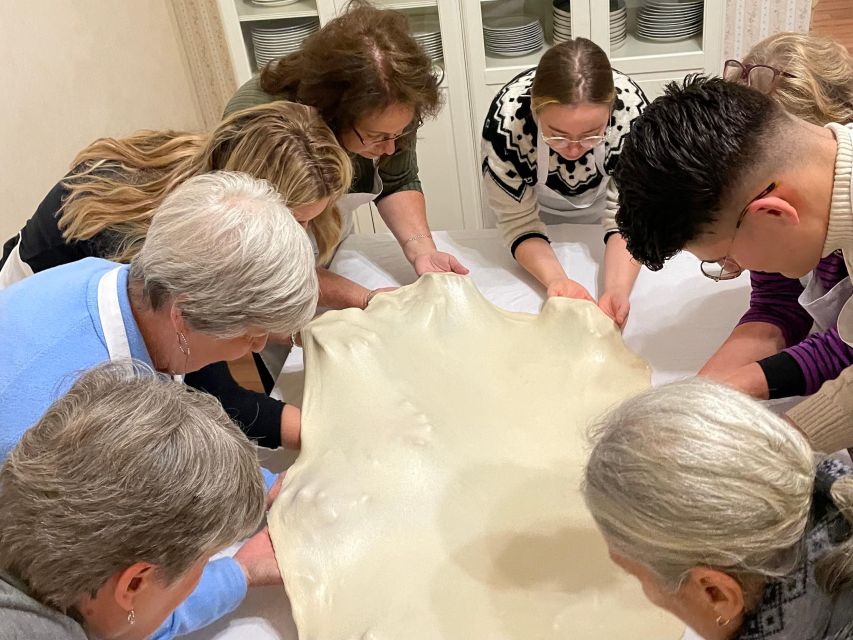
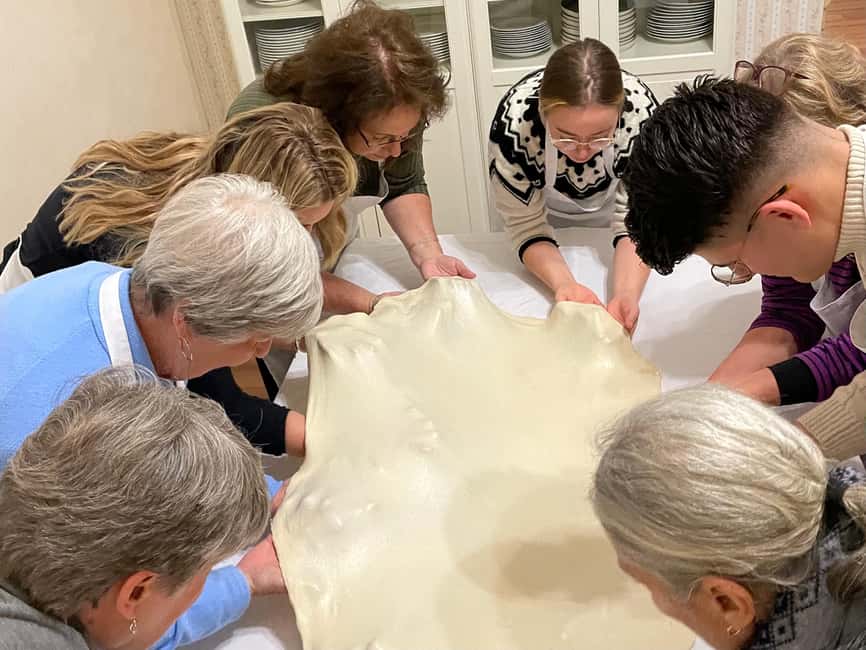
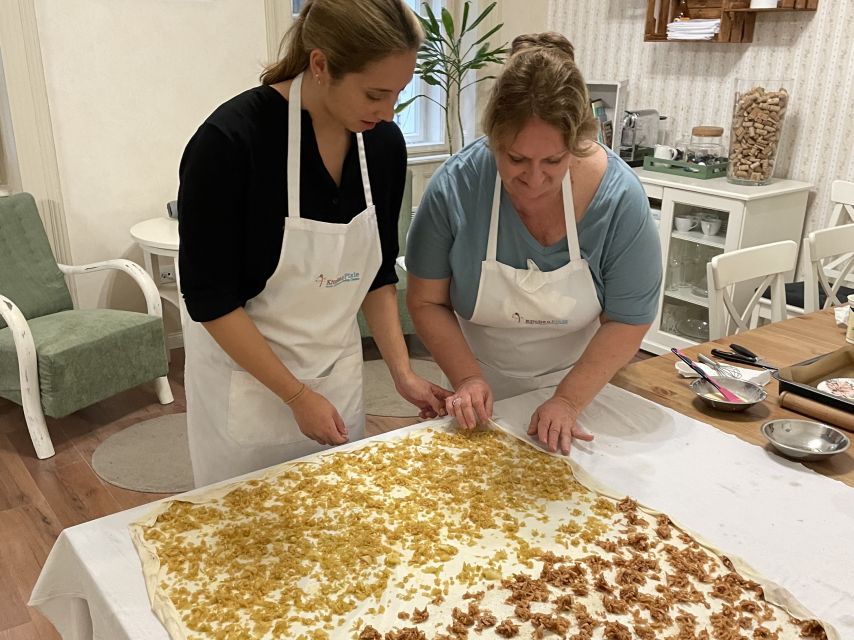
Here’s the core moment of the experience: you stretch the pastry by hand until it’s very thin. Chef Marti shows you how the dough behaves, what you do when it resists, and how to work it without tearing.
You’re not just rolling dough. You’re coaxing it. The pastry is described as elastic, and you’ll learn the mother-recipe approach to creating that stretchy, workable sheet. In plain terms, it comes down to using technique and gentle motion so it thins evenly instead of breaking into patches.
This is also where the small-group size pays off. With a group of up to 10, you can get corrections in real time. Reviews highlight how the process is taught clearly and patiently, with lots of those small details that make the difference between dough that tears and dough that stretches.
When your dough finally reaches that ultra-thin stage, you get a feeling that’s hard to explain: you realize the wow-factor is technique, not luck. And that’s exactly what you’ll be taking home.
Choosing fillings: poppy-seed, cabbage, cottage cheese—and sometimes fruit combos
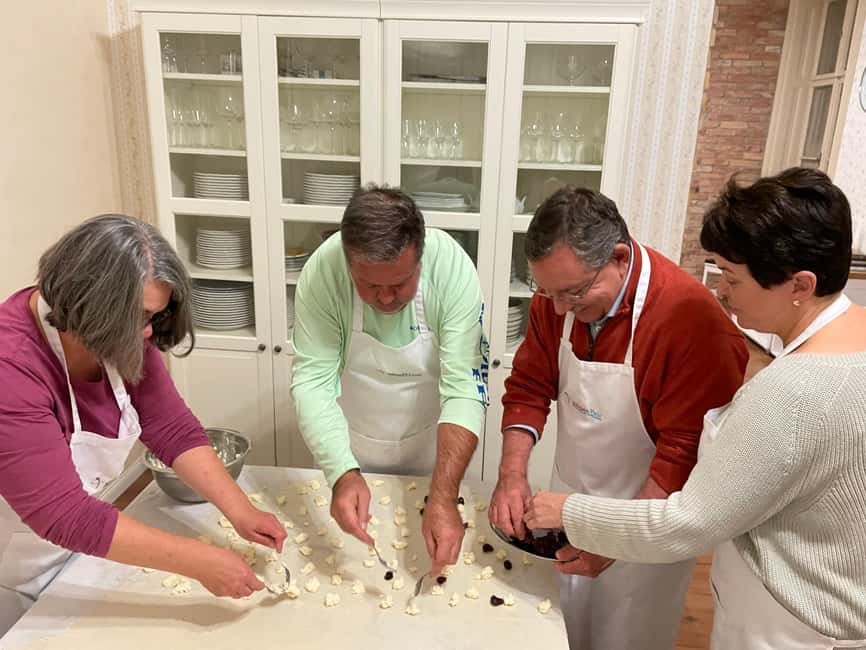
You’ll make two strudels, and you can choose your fillings so you end up baking two different flavors. Typical options include:
- Poppy-seed with pumpkin
- Sweet or salty cabbage
- Sweet cottage cheese cream
What’s helpful for planning is that these are all traditional flavors you can actually track in Hungarian cooking. They’re not just decorative choices—they reflect how Hungarian families think about comfort food and balancing sweetness, savoriness, and richness.
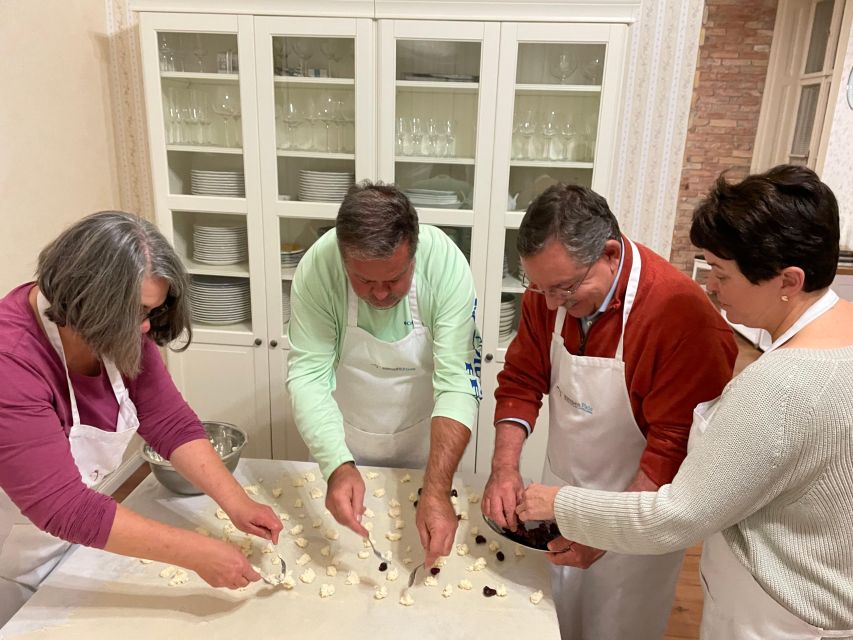
In one recent class example shared in reviews, the final strudels included apple and sour cherry with cottage cheese. That kind of fruit-and-cream pairing is exactly why this class works for beginners: it’s friendly, recognizable, and forgiving if you’re trying something new.
Key point: you’re not just filling pastry. You’re assembling two finished strudels that go into the oven. That means your filling choices become your personal practice run for recreating the method later at home.
Baking time: Hungarian bites, wine, and a calm break
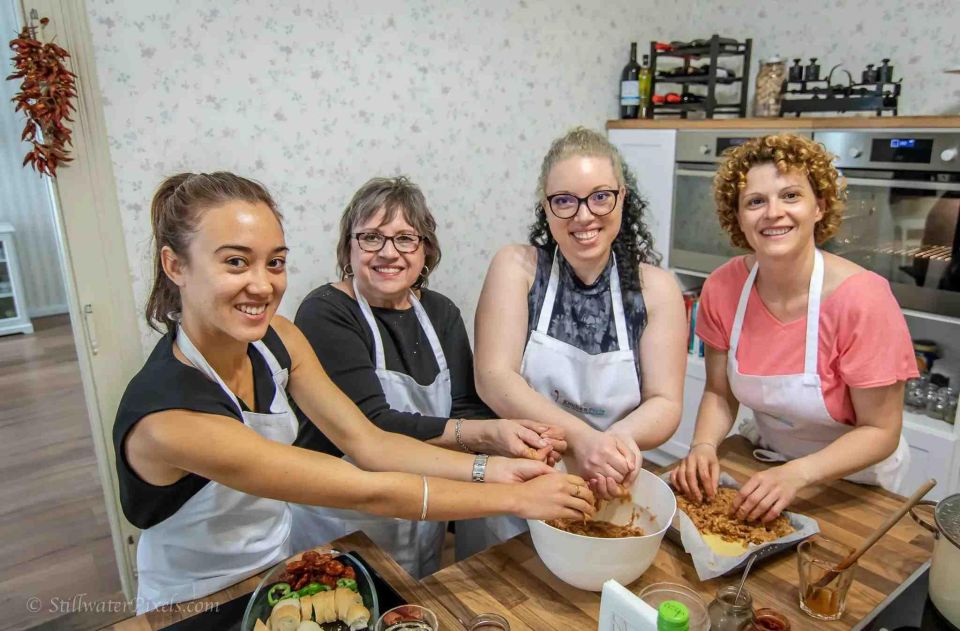
While your strudels bake, the class doesn’t leave you hovering. You sit down and taste other typical Hungarian bites, plus drinks: Hungarian wine (2 dl), soft drinks, mineral water, and coffee.
One review adds a memorable twist: a homemade soda served with syrup made from family-grown elderberries and raspberries. Even if your class is different, this is the kind of personal touch that shows the food here isn’t generic. It’s connected to home habits and local ingredients.
This break is practical too. Making strudel is hands-on and slightly messy. The waiting period gives you time to reset—then you return to the table for the best part: eating what you made while it’s still fresh from the oven.






Eating together and savoring what you made
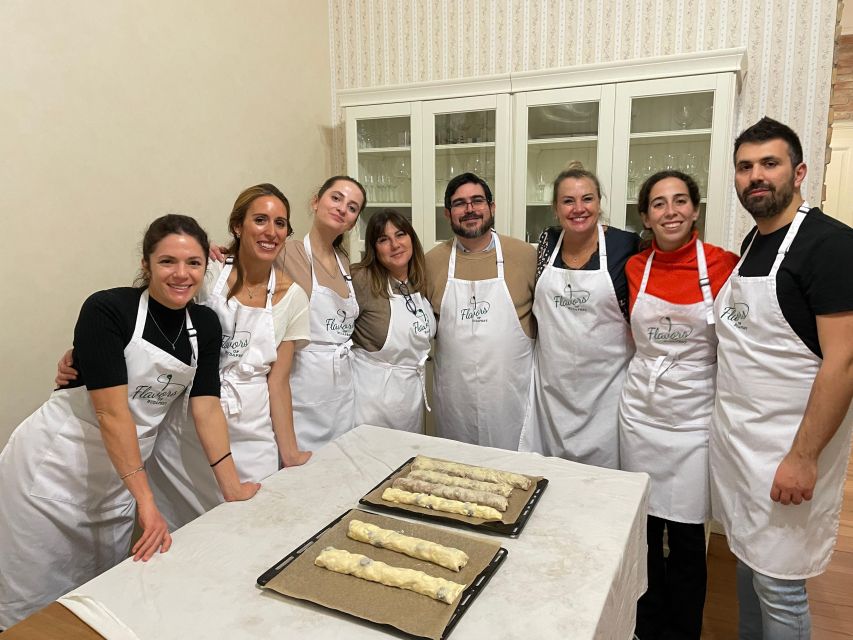
When the strudels come out, you sit down with your group and enjoy them together. This is where the whole lesson clicks.
You’ll taste the baked results of your choices—how the dough crisped, how the filling stayed cohesive, and what the balance of sweetness or savoriness feels like when it’s actually baked, not just imagined. Reviews repeatedly flag the strudels themselves as a highlight: people come for the class and leave talking about the final product.
It’s also a good reality check. If you’ve never baked strudel before, you might assume it’s complicated beyond repair for a home cook. In practice, this class gives you a clear workflow and the confidence to try again.
Taking the recipes home: family instructions you can actually use
The best souvenirs aren’t objects—they’re repeatable skills. At the end, you take home family recipes, so you can recreate the strudels later.
This matters because strudel-making isn’t only about measurements. It’s about how dough feels, how stretching changes the texture, and how filling behaves. Written recipes paired with hands-on instruction give you both the science and the “how it should look and feel” guidance.
If your goal is to bring Hungary home for real—something beyond photos—this is your ticket. You’re not just leaving with a sweet memory. You’re leaving with a process you can test with your kitchen tools and your own filling preferences.
Price and value: $90 for technique, ingredients, and drinks
At $90 per person for about 2.5 hours, this isn’t the cheapest food experience in Budapest. But the price makes sense when you look at what you’re actually getting.
You’re paying for:
- A guided, hands-on class with professional instruction from Chef Marti
- All ingredients and kitchen equipment, so you aren’t buying supplies separately
- Two baked strudels made by you, plus typical Hungarian snacks
- Drinks including wine, coffee, soft drinks, and mineral water
- Family recipes to take home
The value is strongest if you want the method, not just the taste. If you’re the type who learns by doing—especially with pastry—this class gives you a skill you can repeat.
If you’re expecting a casual walk-in tasting where you only sample small bites, the class format might feel like more work than you planned. But if you want to leave with both a satisfying meal and a real home-cooking project, it’s a fair deal.
Who should book this strudel class (and who might not love it)
This class is a great fit if you:
- Want hands-on cooking instead of watching from the sidelines
- Like learning traditional Hungarian technique, not just eating dishes
- Enjoy a small group pace where the chef can correct your stretching
- Want two different strudels you can compare immediately
It’s less ideal if you:
- Need hotel pickup, since you’ll meet at the apartment address on your own
- Are traveling with kids under 10, since it’s not suitable for children under 10
- Prefer fully hands-off experiences, because you’ll be stretching dough and building strudels yourself
Quick practical expectations before you go
A few things will help you get the most out of the 2.5-hour format:
- Come ready to get involved. You’ll be stretching pastry by hand and assembling two strudels.
- Plan your hunger. By the end, you’re eating what you made, plus snacks and drinks while you wait.
- Bring questions. The pace works best when you ask about what you’re seeing and feeling in the dough.
Also, the class is English-taught, and it’s limited to 10 participants, so the session stays focused. Reviews repeatedly mention Chef Marti’s patience and kindness, which is exactly what you want when learning something as touch-sensitive as strudel stretching.
Should you book? My take
Book it if your idea of fun in Budapest includes learning a classic technique and then eating the results. The standout is the combination of hands-on stretching, a mother-recipe teaching style, and a finish that’s more than symbolic—you get to taste your own two strudels right away.
Skip it only if you dislike apartment-meet locations or you’re looking for a purely passive tasting. Otherwise, this is one of those food experiences that changes how you cook afterward, not just what you remember.
FAQ
How long is the stretched strudel making class?
The class lasts about 2.5 hours.
Where do I meet for the class in Budapest?
You meet at the local partner’s private apartment in central Budapest, at Király u. 77, 1077 Hungary.
How many people are in the class?
The group is limited to up to 10 participants.
Is the class taught in English?
Yes, the instructor teaches in English.
What will I make and eat during the class?
You will make two strudels with two different fillings, bake them, and then eat them together with your group.
Does the class include recipes to take home?
Yes. You’ll receive family recipes to recreate the strudels at home.