
REVIEW · BUDAPEST
Hungarian Cooking Class with Iconic Dishes
Book on GetYourGuide →Operated by Cooking Hungary - Culinary Experiences · Bookable on GetYourGuide
Paprika and stories in a small studio. This hands-on class has you making an iconic dish like goulash or paprikash, guided by Marti, with plenty of cultural context as you cook. You’ll also leave with take-home recipes so you can recreate the flavor at home.
I like that the experience is set up for comfort, not a conveyor belt of tourists. The group is limited to 8, and you’re hosted in a cosy studio apartment in central Budapest, with tasting stops and homemade drinks along the way.
One thing to consider: you cook one dish (chosen from four options), so if you want to sample every classic in one night, this may feel a bit focused.
In This Review
- Key highlights worth your time
- A 2.5-hour Hungarian meal you can cook at home
- Where it happens: a cosy studio apartment in central Budapest
- Choose one dish: goulash, chicken paprikash, stuffed cabbage, or Hortobágy crêpe
- Goulash soup (beef, celery)
- Chicken paprikas with small dumplings
- Stuffed cabbage (pork, dairy, egg)
- Savoury meat crêpe – Hortobágy style
- About dietary needs
- The class flow: cooking, tasting Hungarian bites, and learning why it matters
- 1) You settle in, then start with Hungarian bites and a farmer’s plate
- 2) You cook your chosen iconic dish with tips as you go
- 3) The cultural stories come while you work
- 4) Drinks keep the evening moving
- 5) You finish with your dish and leave with recipes
- What you actually learn: classic Hungarian flavor patterns
- Drinks and bites: the part that makes it feel like a real evening
- Dietary needs and ingredient flags you can plan around
- Price and value: is $102 worth a 2.5-hour class?
- Should you book this Hungarian cooking class in Budapest?
- FAQ
- FAQ
- How long is the Hungarian cooking class?
- Where does the class meet?
- What does the price include?
- How many people are in the group?
- What dishes can I choose from?
- Are dietary needs accommodated?
- Are drinks included during the class?
- Do I get recipes to take home?
- Is the class held in a restaurant setting?
Key highlights worth your time
- One classic dish, cooked hands-on with a professional local chef (Marti)
- Hungarian bites and drinks during the class, not just at the end
- A cosy studio apartment in central Budapest, kept small with a maximum of 8 participants
- Family-rooted recipes and lots of stories about Hungarian customs and history
- All recipes plus kitchen tips to help you repeat it at home
- Dietary flexibility by request, including vegetarian and common allergies
A 2.5-hour Hungarian meal you can cook at home
Hungarian food is all about comfort: paprika-forward sauces, slow-simmered dishes, and hearty plates meant for real appetites. What makes this class smart is that it doesn’t stop at tasting. You actively cook your chosen dish, guided step by step, so you learn what to do and why.
The chef running the show is Marti, and the vibe is more like coming to dinner with a practiced host than joining a scripted show. Expect lots of practical kitchen talk plus stories about Hungarian customs and everyday life that explain why certain dishes matter.
You also get take-home recipes and useful kitchen tips. For me, that’s the real win. A good cooking class gives you memories, sure. A great one gives you the tools to recreate the meal when your week gets busy.
You can also read our reviews of more cooking classes in Budapest
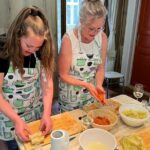


Where it happens: a cosy studio apartment in central Budapest
This isn’t a big cooking school with rows of students. The class takes place in a private, cosy studio apartment in the centre of Budapest, starting at Flavors of Budapest on Király u. 77. The small group size (limited to 8) matters here. You’ll have space to work, ask questions, and actually hear the chef instead of shouting over a crowd.
One detail I appreciate from the description and reviews: the studio is set up for classes, and it’s not described as the chef’s personal home. That helps the atmosphere feel calm and intentional—quiet enough that cooking feels relaxed, not chaotic.
Also, being in central Budapest is practical. You’re not building your evening around travel time across town. It’s the kind of plan that works well if you want a cultural evening that still feels efficient.
Choose one dish: goulash, chicken paprikash, stuffed cabbage, or Hortobágy crêpe
You’ll pick one iconic dish from four options. That choice shapes the whole night, from ingredients to what you’ll learn.
Goulash soup (beef, celery)
If you love deep, paprika-scented comfort, goulash soup is a strong pick. The listing specifies beef and celery, and the classic character is that hearty soup feeling with rich flavor.
Good for you if you want something that reheats well and tastes even better the next day.
Chicken paprikas with small dumplings
Chicken paprikas is known for a creamy, paprika-driven sauce, and this class pairs it with small dumplings. The menu notes the dumplings include dairy, egg, and flour, so it’s a clear heads-up if you’re dealing with dietary restrictions.
Pick this if you want a dish that feels special but still very doable at home.
You can also read our reviews of more tours and experiences in Budapest





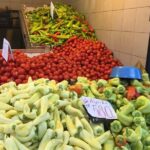
Stuffed cabbage (pork, dairy, egg)
Stuffed cabbage is the kind of meal that signals tradition. Here it includes pork, dairy, and egg, which helps give that classic, comforting richness.
It’s a great option when you want a more structured dish with satisfying layers.
Savoury meat crêpe – Hortobágy style
This option is a fun twist: a savoury meat crêpe in the Hortobágy style. The listing shows dairy, egg, and flour, so it’s another one where ingredient knowledge matters.
Choose this if you like the idea of something a little different from the usual soup-or-stew Hungarian lineup.
About dietary needs
The class is designed to handle needs if you ask ahead or speak up during the session. Vegetarian options are mentioned, and the notes specifically say you can request gluten-free, lactose-free, or nut-free adjustments.
The best move: let them know your needs clearly before you arrive, and be ready to discuss what’s possible for your chosen dish.
The class flow: cooking, tasting Hungarian bites, and learning why it matters
Even without a minute-by-minute schedule, you can count on the 2.5 hours being tightly focused on doing, eating, and learning. This is a hands-on cooking experience, and the format includes tasting during the session, not just at the end.
Here’s what the evening tends to look like in practice:
1) You settle in, then start with Hungarian bites and a farmer’s plate
The experience includes a farmer’s plate plus Hungarian bites during the cooking. This is a good start because it gives you flavor context right away. You’re not only learning the recipe; you’re getting a sense of how Hungarian meals are paced: bite, sip, cook, then taste again as your dish progresses.
2) You cook your chosen iconic dish with tips as you go
The chef provides all ingredients and kitchen tools and equipment. That’s not a throwaway detail. It means you don’t have to worry about missing spices or finding the right pan once you get home.
You’ll also get cooking tips and tricks, and that’s where these classes earn their keep. Most people can find a recipe online. Fewer people learn the practical shortcuts and timing cues that help your food land where it should.
3) The cultural stories come while you work
One of the strongest parts of this experience is the story element. Expect lots of talk about Hungarian customs, culture, and history. Reviews add that Marti brings a personal touch, with family-rooted recipes and stories connected to Hungarian Jewish life too.
That matters because it changes the taste of the night. You’re not just making dinner. You’re understanding why certain flavors and dishes are remembered.
4) Drinks keep the evening moving
Included drinks range from mineral water (still or sparkling) to two types of homemade soft drinks, plus wine (white and/or red). This is more than “hydration.” It’s part of the rhythm of the evening, and it helps you slow down and enjoy the moment as you eat what you made.
5) You finish with your dish and leave with recipes
The class includes take-home recipes and useful kitchen tips. That’s your bridge from vacation brain to weeknight reality.
If you’ve ever made a dish once and then forgotten the key detail, the recipes here are meant to prevent that. You’ll have a home version of what you cooked, plus the extra notes that help you get it right again.
What you actually learn: classic Hungarian flavor patterns
A Hungarian cooking class can drift into entertainment if it’s poorly run. This one is different because it centers on technique and repeatable know-how. Even when the dishes vary—soup, dumplings, cabbage, or crêpes—the learning points tend to be the same: building flavor, managing texture, and getting the sauce or filling to the right feel.
What I’d expect you to walk away with, based on the format and what’s emphasized:
- How to work with paprika-based, traditional Hungarian flavor without guessing at intensity
- How to approach a hearty dish so it stays satisfying, not watery or thin
- How to balance your dish so it feels cohesive—sauce, filling, and serving all match
- Practical kitchen workflow: what to prep, what to cook first, and how to keep things moving in a small studio
And because the chef provides recipes and tips, you’re not stuck with only a memory of taste.
Drinks and bites: the part that makes it feel like a real evening
This is not a dry, instructional meal. You’ll eat Hungarian bites during the session, plus a farmer’s plate, and then enjoy your main dish with included drinks.
What stands out in the descriptions and reviews is that the soft drinks are homemade, not bottled for convenience. You’ll also have wine options (white and/or red), and Marti’s background is highlighted as someone who knows wine well, connected to growing up in a wine region.
For you, the practical value is this: you’ll learn what Hungarians often pair with home-style meals, at least in the way this host serves it. Even if you don’t copy the exact pairing, you’ll get a feel for how wine and homemade soda-style drinks fit into the course rhythm.
Dietary needs and ingredient flags you can plan around
The class explicitly says dietary needs can be accommodated if you ask. That includes vegetarian, and also gluten-free, lactose-free, and nut allergy requests.
Because each menu option includes different core ingredients (for example, dumplings with dairy/egg/flour, stuffed cabbage with pork/dairy/egg, and crêpes with dairy/egg/flour), it’s smart to tell the host what you can and can’t eat before you choose your dish.
My advice: choose the dish that matches your comfort level with those ingredient families. Then ask how they’ll handle substitutions for your specific constraints. This is the kind of setting where clear communication helps a lot.
Price and value: is $102 worth a 2.5-hour class?
At $102 per person for about 2.5 hours, this class sits in the “worth it if you care about food” category.
Here’s why the value feels solid:
- You get hands-on cooking with professional guidance, not a passive demonstration
- You receive all ingredients and equipment
- The experience includes drinks (wine, mineral water, and two homemade soft drinks) plus Hungarian bites and a farmer’s plate
- You leave with take-home recipes and kitchen tips, which adds value beyond the evening itself
- The group stays small (max 8), which usually means more attention and better interaction
The main reason someone might hesitate is the one-dish format. You’re not cooking four full courses in one session. But if your goal is to learn one iconic dish deeply and bring it home, the focus is a plus, not a drawback.
Who it fits best:
- You want a food-focused night in Budapest without tourist-trap energy
- You like learning recipes you can repeat, not just collecting restaurant recommendations
- You appreciate cultural context while you cook
- You’re traveling with a small group or want a calmer, personal class vibe
Who might skip it:
- You want a multi-dish sampling evening where you cook everything
- You dislike intimate apartment-style settings and prefer large commercial kitchens
Should you book this Hungarian cooking class in Budapest?
I think you should book it if you want a practical cooking experience with real Hungarian flavor and a host who tells you what matters as you work. The best part is that you cook, you eat, you taste homemade drinks, and you leave with recipes and tips that make the night useful after your trip ends.
If you’re the type who learns by doing, and you’d rather cook one dish well than check off multiple dishes with less instruction, this is a smart choice. Pick the dish that excites you most—goulash for comfort, paprikash for the sauce-and-dumpling feeling, stuffed cabbage for tradition, or Hortobágy crêpe for something slightly different.
FAQ
FAQ
How long is the Hungarian cooking class?
It lasts 2.5 hours.
Where does the class meet?
The start point is Flavors of Budapest, Király u. 77, 1077 Hungary. The activity ends back at the meeting point.
What does the price include?
It includes your cooking experience, a main homemade Hungarian dish, Hungarian bites, drinks (mineral water, homemade soft drinks, and wine), the farmer’s plate, and take-home recipes plus kitchen tips.
How many people are in the group?
The group is limited to 8 participants.
What dishes can I choose from?
You can choose one of four options: goulash soup, chicken paprikash with small dumplings, stuffed cabbage, or savoury meat crêpe (Hortobágy style).
Are dietary needs accommodated?
Yes. Vegetarian options are available if you let them know, and gluten-free, lactose-free, and nut allergy needs can be requested.
Are drinks included during the class?
Yes. Included drinks are mineral water (still or sparkling), two types of homemade soft drinks, and wine (white and/or red).
Do I get recipes to take home?
Yes. You’ll receive all recipes and useful kitchen tips.
Is the class held in a restaurant setting?
No. It’s in a private cosy studio apartment in the centre of Budapest.