
REVIEW · BUDAPEST
Hungarian Home Cooking Class with Chef Marti
Book on Viator →Operated by Flavors of Budapest · Bookable on Viator
One meal can teach you a country fast. This Hungarian home cooking class in Budapest is built around hands-on cooking with Chef Marti, plus local food context you can actually use. I especially like the small group feel and the way you get practical taste-and-cook guidance, not just watching. The one drawback to plan for is that classic menus lean on dairy and butter, so even when vegetarian or other options are available, you’ll want to say your needs clearly.
I’m also drawn to how flexible the experience can be. You’re not locked into one strict script, and you can steer choices toward what you’re curious to learn (plus you’ll still get a proper Hungarian spread). The other consideration is that the class requires at least 4 participants to run, so if you’re booking very last minute, it’s worth double-checking.
In This Review
- Key reasons this class works in Budapest
- Budapest by paprika and sweat (in the best way)
- Getting picked up, then getting cooking
- The menu: what you might cook and eat
- Starter: Hungarian bites (a farmer’s plate-style opening)
- Main dish options (sample menu)
- Stop 1: Flavors of Budapest (and why it’s more than food)
- Drinks, recipes, and those “wait, that’s how they do it” moments
- What you drink during the class
- Tastings that actually teach
- Take-home recipes
- Dietary needs: doable, but tell them what matters
- Your chef and the local perspective you’ll actually use
- A realistic sense of the flow (so you know what you’re signing up for)
- Value: why $106.92 can make sense in Budapest
- Who should book Chef Marti’s class
- Should you book it? My straight answer
- FAQ
- How long is the Hungarian home cooking class with Chef Marti?
- What’s included in the price?
- Is there a vegetarian option?
- Can they handle gluten-free or lactose-free diets?
- Do I get hotel pickup and drop-off?
- What are the group size limits?
Key reasons this class works in Budapest
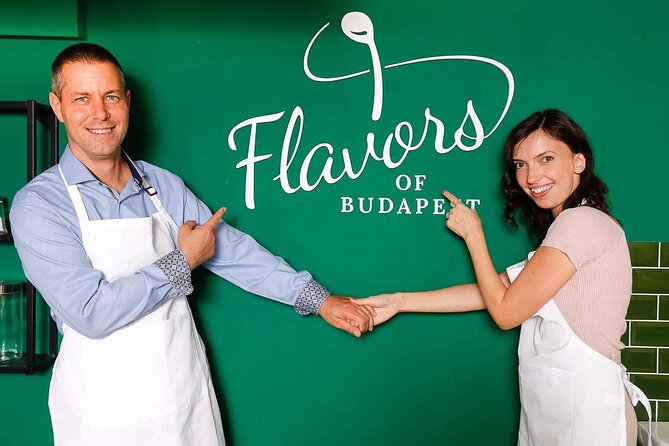
Hands-on cooking in a cozy studio apartment right in the city.
Chef Marti’s explanations connect ingredients like paprikas, meats, and dairy to everyday Hungarian cooking.
A real meal plus tastings throughout, not just one final plate.
Dietary requests are taken seriously if you ask in advance (vegetarian, gluten-free, lactose-free, nut allergy).
Free hotel pickup and drop-off makes it easy to fit into a sightseeing day.
Up to 10 people means you’ll get more personal help than a big-group tour.
Budapest by paprika and sweat (in the best way)
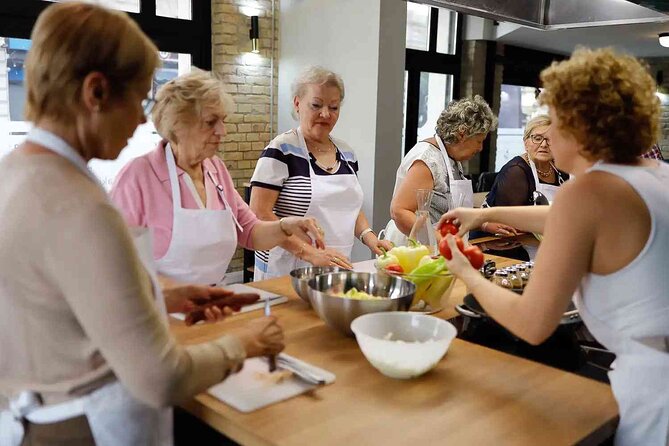
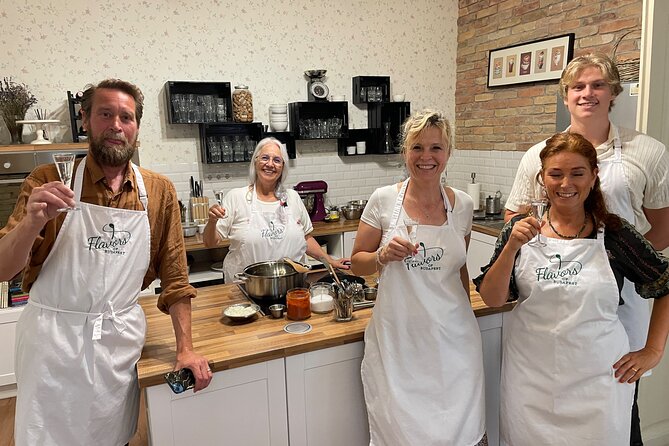
Let’s be honest: Budapest can feel like it’s all about landmarks and views. This experience pulls you into the other side of travel—the kitchen side. You’ll start in the heart of the city and spend about 2 hours 30 minutes cooking and eating Hungarian food with a professional chef in a cozy flat-style studio.
The setting matters. Instead of a commercial kitchen or a lecture room, you’re in a comfortable, apartment-like space in a historic building. That change in vibe is why this feels more personal and less staged. You’ll also see how “home cooking” in Hungary is both practical and proud—recipes built for real life, not food shows.
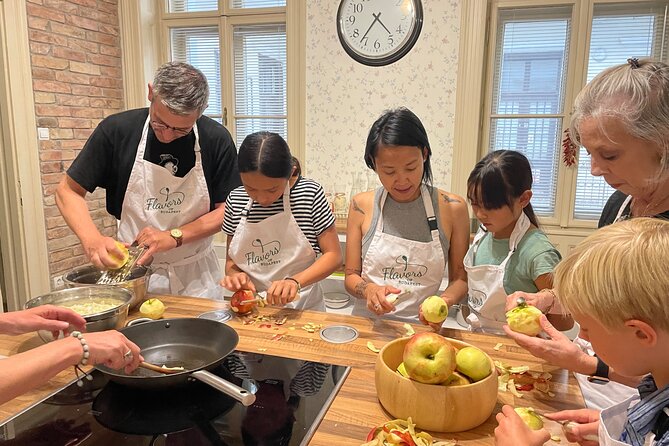
Two details from the experience that made it click for me: family friendly pacing and small-group attention. With a maximum of 10 travelers, it’s easier to ask questions and get your technique corrected. And because it’s described as flexible, you’re not boxed into a single “take it or leave it” menu.
You can also read our reviews of more cooking classes in Budapest


Getting picked up, then getting cooking
Logistics can ruin a good day of travel. Here, that risk is low. You get free hotel pickup and drop-off, and the class ends back at the meeting point. The start point listed is Király u. 77, 1077, and it’s also noted as near public transportation—useful if you want to return on your own.
The schedule is simple. You meet, you head to the studio kitchen, and then cooking starts with drinks and food bites. Since it’s offered in English and runs with a max group size of 10, it’s fairly easy to follow along even if your Hungarian cooking skills are currently… zero.
One small but smart note: the class needs a minimum of 4 participants. If you’re traveling close to the trip end or booking in a hurry, I’d keep an eye on your exact date availability.
The menu: what you might cook and eat
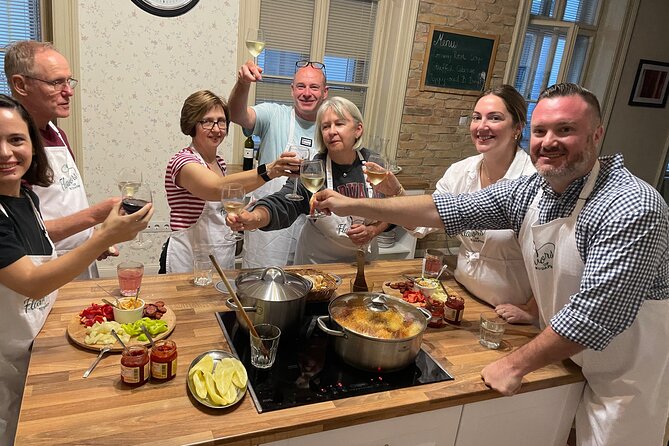
Hungarian home cooking has a few headline dishes—and this class leans into them. During your session, you’ll taste Hungarian bites while you cook and then sit down to enjoy a homemade main dish. The sample menu includes a starter and several classic options, which makes the meal feel like a choice rather than a script.
Here’s what the experience lists as possible components:
Starter: Hungarian bites (a farmer’s plate-style opening)
You’ll start with Hungarian bites where the focus is on ingredients—especially different kinds of paprika, sausage, and spicy curd cheese cream. That’s not just “snacking.” It’s a mini crash course in what Hungarian cooking tastes like.
Main dish options (sample menu)
Depending on your menu selections and how the class is structured that day, you may make one or more of these:
- Goulash soup with beef and celery
- Chicken paprikas with small dumplings (listed as dairy, egg, flour)
- Stuffed cabbage (pork, dairy, egg)
- Savoury meat crepe a la Hortobagy style (listed as dairy, egg, flour)
What I like about this menu mix is the balance. You get paprika-forward comfort (soups and stews), plus dumpling-style technique, plus a cabbage dish that feels very “winter Hungary,” plus something more unusual like the meat crepe style.
And if you want to cook something specific, the experience is described as customizable. In one case, the class went fully private with just two people, and the menu was adjusted so the students could pick what they were curious about.
You can also read our reviews of more tours and experiences in Budapest





Stop 1: Flavors of Budapest (and why it’s more than food)
The itinerary is basically one flowing cooking session—Stop 1 is called Flavors of Budapest—but the “why” is important. Hungarian cuisine is tightly tied to ingredients you’ll recognize if you’ve walked a Hungarian market before. Paprika isn’t just a seasoning; it’s part of identity. Dairy shows up in both richness and texture. And the way dishes are assembled—soups, paprikas, cabbage, dumplings—reflects home cooking that feeds families and keeps well.
In practical terms, this stop helps you connect what you’re eating today with what you’ll order later tomorrow. You’ll learn how different ingredients behave in heat, how paprika changes flavor, and why certain combinations show up repeatedly in everyday Hungarian meals.
I also like the way the class frames Hungarian food as part of daily life. You’re not only learning recipes; you’re learning the cultural logic behind them—what people cook for guests, how food traditions carry through generations, and how cooking styles change over time.
Drinks, recipes, and those “wait, that’s how they do it” moments
Food classes can be either instructional or performative. This one aims hard at being useful.
What you drink during the class
You’ll have mineral water, homemade soft drinks, and wine. That matters because it keeps the session relaxed while still moving at a real cooking pace. You’re not just rushing to finish a dish; you’re eating, tasting, and adjusting as you go.
Tastings that actually teach
The experience includes tasting Hungarian bites during the session. The value here is simple: you learn flavor before you commit your hands to the next step. In other words, you get a sense of the difference between spice levels, paprika character, and creamy curd notes before the meal hits the table.
Take-home recipes
You’ll receive take-home recipes for what you cooked. I love this part because it turns the class into a lasting skill instead of a one-evening memory. Even if you can’t recreate Hungarian ingredients perfectly, you can still reproduce technique and flavor balance.
Dietary needs: doable, but tell them what matters
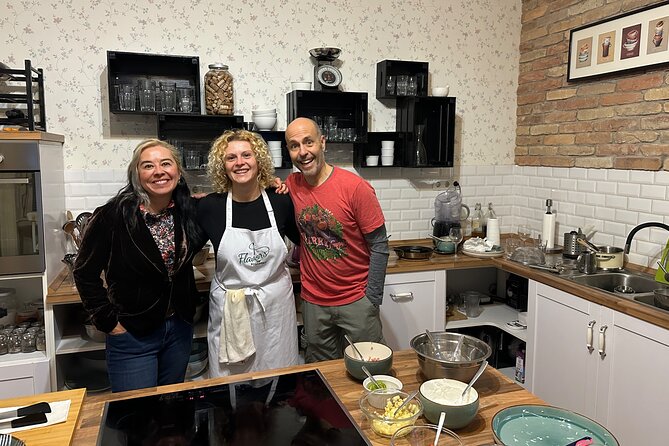
This class explicitly says dietary needs are manageable. You can request vegetarian, and for more specific needs like gluten-free, lactose-free, or nut allergy, you’re told to ask.
Here’s the realistic planning angle: the standard sample menu includes items with dairy, egg, and flour for several dishes. Butter is mentioned as a factor in the standard menu, so if your restrictions are strict, you’ll want to confirm what can be swapped.
In practice, the class is described as adjustable for at least some restrictions, and the people running it sound comfortable working with different needs—just make the message clear during booking (or as early as possible after). That’s how you get the best chance of ending up with a meal that matches both your diet and your taste.
Your chef and the local perspective you’ll actually use
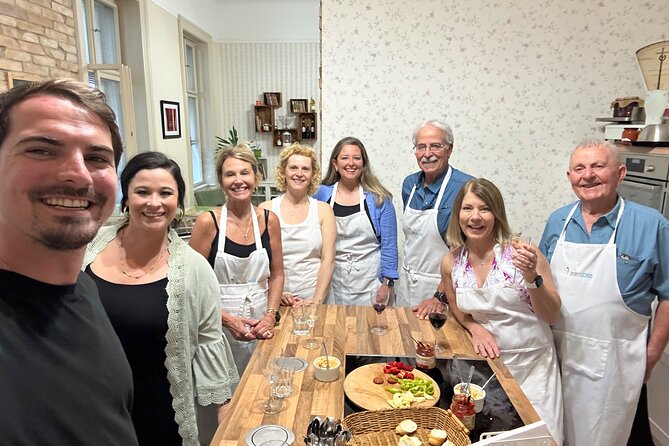
The chef leading the experience is Chef Marti. In a private setting, Marti was described as patient and informative, sharing not only cooking methods but also personal life and food stories that connect the dish to the wider culture.
A second guide name that comes up is Gabor, who shows up in the same operating team in at least one experience narrative. That matters because a small team usually means better odds of you getting direct help when something doesn’t go right.
What you’ll leave with goes beyond recipes. You’ll also get recommendations for restaurants and other places to visit and practical advice about where to buy specific products. That’s the kind of local help that saves time—especially in a city where it’s easy to spend an afternoon walking in circles.
A realistic sense of the flow (so you know what you’re signing up for)
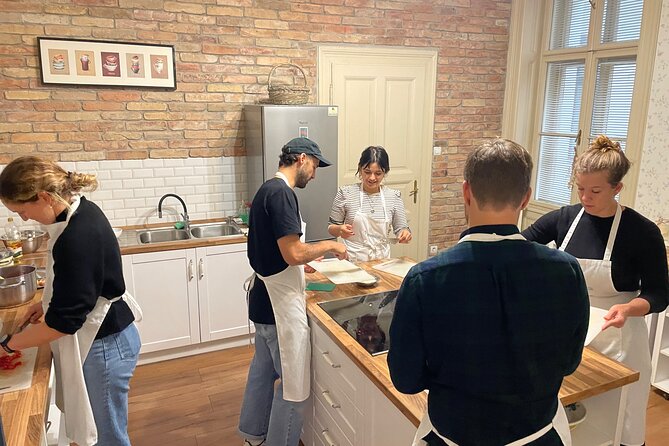
Even though you aren’t given a minute-by-minute timeline, the experience is structured as a true cooking session:
- You arrive at the studio and start with drinks and a first taste.
- You begin cooking steps together, guided by the chef.
- You taste starter components and learn about ingredients like paprika types and curd-based flavors.
- You cook your selected main dish, with technique broken down step by step.
- You eat the results and keep the conversation moving with cultural stories.
One thing I’d prepare for: this is not a sit-down tasting menu. It’s hands-on. If you’re someone who likes to chop, stir, and learn by doing, you’ll feel right at home. If you hate mess or fast kitchen action, you might want to temper expectations and mentally switch to a workshop mode.
Value: why $106.92 can make sense in Budapest
$106.92 per person sounds like a splurge until you break down what’s included.
You’re paying for:
- 2.5 hours of guided instruction from a professional chef
- A homemade starter and main (sample menu lists multiple iconic dishes)
- Tastings during the session
- Drinks: mineral water, homemade soft drinks, and wine
- All ingredients, kitchen tools, and equipment
- Take-home recipes
- Cozy private studio apartment setting
- Free hotel pickup and drop-off
- A local cultural lens on food customs and everyday life
When I evaluate cooking classes, I look at two things: how much food you get and how much learning you actually take home. This experience scores well because you don’t just end with one plate—you end with food, stories, and a recipe pack you can use later.
And the small group cap (max 10) plus the possibility of a private class if you happen to book with fewer people makes the value even stronger. You’re not paying for a crowd.
Who should book Chef Marti’s class
This fits best if you want more than a dinner out.
You’ll likely love it if you:
- enjoy learning by cooking, not just watching
- want a deeper understanding of Hungarian flavors like paprika and dairy-rich dishes
- want a fun, family friendly activity that still feels meaningful for adults
- like the idea of bringing skills home, not only photos
It might be less ideal if you:
- need very specific dietary restrictions and can’t communicate them ahead of time
- want a quiet, museum-style experience with little interaction
- dislike hands-on cooking steps and kitchen prep
Should you book it? My straight answer
Yes, I think you should book this if your schedule includes a free evening and you’re even a little curious about how Hungarian home cooking works. The pairing of hands-on cooking, local cultural stories, and take-home recipes is a strong mix, especially in a city where you can easily spend money on sightseeing without learning anything you can use.
Book it with confidence if you tell them your dietary needs early and you’re ready for a real cooking session. If your main goal is pure relaxation, consider that this is a working kitchen experience. But if your goal is to eat well, learn technique, and get a local view of Hungary from inside the kitchen, this class is a smart play.
FAQ
How long is the Hungarian home cooking class with Chef Marti?
The class lasts about 2 hours 30 minutes.
What’s included in the price?
You get a 2.5-hour hands-on cooking experience, a homemade dish plus tastings, cooking tips and cultural insights, drinks (mineral water, homemade soft drinks, and wine), the studio kitchen setting, all ingredients and tools, and take-home recipes.
Is there a vegetarian option?
Yes. Vegetarian is available if you advise at booking.
Can they handle gluten-free or lactose-free diets?
They say you can request gluten-free, lactose-free, and nut allergy needs by asking. It’s best to mention details during booking so the menu can be adjusted.
Do I get hotel pickup and drop-off?
Yes, free hotel pickup and drop-off are included.
What are the group size limits?
The class has a maximum of 10 travelers, and it requires a minimum of 4 participants to run.
If you tell me your dietary needs and your travel dates, I can help you decide which main dish options you’d most likely want to request.