REVIEW · BUDAPEST
Capital Budapest – Half Day Private Tour (4hr)
Book on Viator →Operated by Fungarian · Bookable on Viator
Budapest feels like three cities in one. This half-day private route stitches them together fast and smart.
I like that you get a private guide and a focused plan, not a vague hop-on route. I also really enjoy the balance between big-photo sights and everyday Budapest corners like Clark Ádám Square and transport hubs such as Széll Kálmán tér.
One thing to consider: several major landmarks have admission fees not included, so you’ll want to decide ahead of time what you’ll enter versus photograph only.
In This Review
- What You’ll Actually Get From This 4-Hour Private Tour
- Getting Oriented Fast with Metro M1 and a Private Guide
- Liberty Bridge to St Gellért Square: Danube Views and Big-Picture Budapest
- Clark Square and the Castle Road: Where You Feel Budapest’s Layers
- Buda Castle District Stops: Fisherman’s Bastion, Matthias Church, and Dísz tér
- Heroes’ Square and the Parliament Building: Big Symbols in a Short Time
- St Stephen’s Basilica, Deák Ferenc tér, and the Evening-Feeling District
- Great Synagogue Area and Kamara Café: A Calm Finish with a Real Local Pause
- Price and Value: Is $489.24 for Up to 4 Worth It?
- Who This Private Budapest Half-Day Fits Best
- One Small Communication Thing to Watch
- Should You Book This Budapest Private Half-Day Tour?
- FAQ
- What is the duration of the Capital Budapest half-day private tour?
- How much does the tour cost, and what group size is it for?
- Is pickup offered from my hotel?
- Does the tour include public transportation?
- Are admission tickets included for all the main landmarks?
- What’s included besides sightseeing?
What You’ll Actually Get From This 4-Hour Private Tour
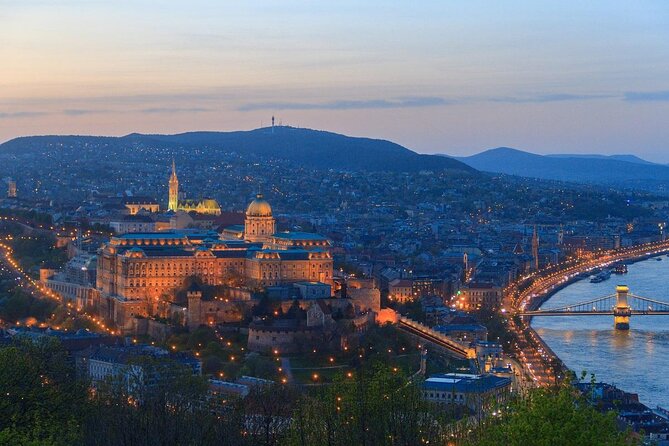
- A real sequence of viewpoints, from Liberty Bridge to Buda Castle terraces and on to the Parliament area
- Metro Line M1 in the mix (the old underground line) so you experience Budapest travel, not just walking
- Time to pause and look at Fisherman’s Bastion, Matthias Church, and Heroes’ Square without racing
- A café break included at Kamara Café with one hot or cold beverage
- Small-group feel: private for only your party (up to 4), with pickup possible from your hotel or a agreed central spot
Getting Oriented Fast with Metro M1 and a Private Guide
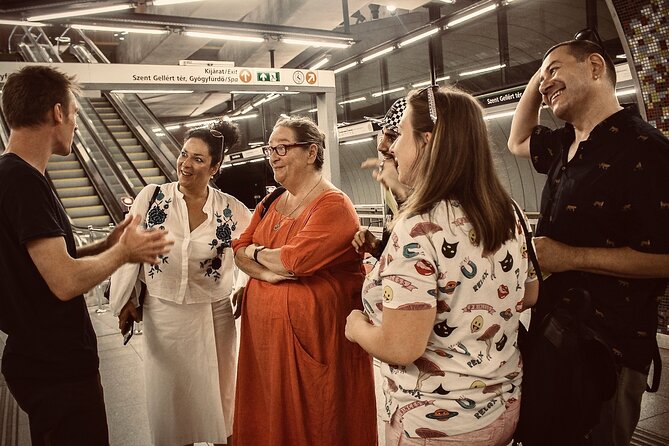
This tour is built for people who want Budapest to make sense quickly. In about four hours, you move from “what is that?” sights to “oh, that’s why it’s important” context. The route also uses public transit, including Metro Line M1, so you see how locals actually get around the city.
Because it’s private, you can move at a pace that fits you. If you want a few extra minutes on a terrace for photos, you can usually get it. If you’d rather keep moving and save entrances for later, you can do that too.
You also get practical extras with the experience: a city map, a notebook with pen, and a public transport pass. That combination matters. It turns the day from one “sightseeing hit” into something you can extend afterward on your own.
You can also read our reviews of more private tours in Budapest

Liberty Bridge to St Gellért Square: Danube Views and Big-Picture Budapest
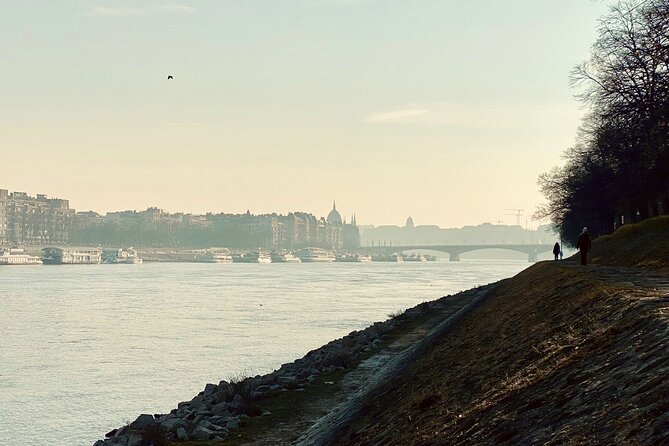
You start with a simple pickup option: the guide can meet you at your hotel or at a central meeting point you agree on. Then you head toward Liberty Bridge (Szabadság hid), a key river crossing linking Buda and Pest.
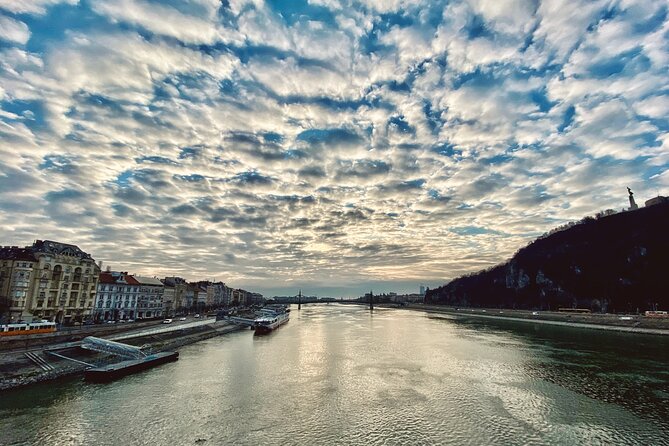
Liberty Bridge is the kind of spot where the city instantly shows its layout. You get a sense of river geography and how the two halves of Budapest relate. It’s also close enough to the city centre that it works as a clean opening act rather than a “travel day” chore.
From there, the tour moves into Buda territory around St Gellért Square, named for Bishop St Gellért (often called the Martyr for Hungarian Christendom). This isn’t just a name card. The square helps anchor the story of Buda’s hills—where faith, history, and viewpoints overlap.
What I like for your planning: these early stops are mostly outside and quick. They’re perfect if you’re trying to beat jet lag, and they’re low-stress if the weather is a little moody.
Possible drawback: if you’re hoping to spend most of the time inside major museums, this isn’t the kind of tour that guarantees that. It’s more about the city’s shapes, streets, and outlooks.
Clark Square and the Castle Road: Where You Feel Budapest’s Layers
Next up is Clark Ádám Square, one of those places you walk through almost without noticing—until you realize it’s a crossroads for major connections. This is where several big routes converge: the Chain Bridge area, the tunnel approach toward Castle Hill, and the funicular up to Szt. György Square by the Royal Palace.
In plain terms: it’s a shortcut to understanding how Budapest is engineered. You’re not just seeing a landmark; you’re seeing the city’s logic.
Then the tour heads toward the Buda Castle approach, where the winding road runs right under Fisherman’s Bastion toward the Royal Palace. That stretch is made for photos because you get that dramatic uphill feeling without needing to climb every step immediately.
Practical tip for you: keep your phone/camera charged. This part of the route naturally creates “just one more angle” moments.
Buda Castle District Stops: Fisherman’s Bastion, Matthias Church, and Dísz tér
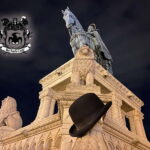
The Castle District sequence is the main reason many people book a short private tour like this. You’ll spend time at Dísz tér and then move to Fisherman’s Bastion (Halászbástya). Fisherman’s Bastion is one of Budapest’s most recognizable monuments, famous for the terrace viewpoints over the Danube and Pest skyline.
Even if you don’t go inside (and admission isn’t included here), the exterior terraces still do a lot of work. The seven towers symbolism—linked to the seven chieftains who founded Hungary in 895—adds meaning to what you see. You’ll also notice how the building’s Neo-Romanesque look reads from multiple angles.
Next is Matthias Church (Mátyás-templom), located in front of Fisherman’s Bastion. Like Fisherman’s Bastion, it’s a stop where you can choose your level of commitment: the tour time is set aside, but admission isn’t included. The church’s Roman Catholic identity and its prominent location in the Castle District make it a natural “anchor” stop.
Then the route includes a stop at the area connected with the Vienna Gate (Bécsi kapu). The name tells you the function: it was the port connecting the Castle with the highway to Vienna. It’s one of those details that makes the place feel less like a backdrop and more like a working historical boundary.
Finally, you pass through Dísz tér (part of the Castle District’s old residential fabric). The square’s medieval roots show in the way the area is framed, with hints of older Gothic houses in foundations and walls.
What this portion does well: it gives you context for views you’ve likely seen in photos before, so your brain can connect the postcard to the real geography.
Heroes’ Square and the Parliament Building: Big Symbols in a Short Time
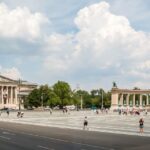
After the Castle District, you travel toward Pest and hit Heroes’ Square. This square is known for its statue complex featuring the Seven chieftains of the Magyars and other important Hungarian national leaders, plus the Memorial Stone of Heroes (often mistakenly called the Tomb of the Unknown Soldier).
Heroes’ Square is a strong “scale check.” It’s grand, formal, and symmetrical in a way that makes the city feel official and historic at the same time. For me, it’s the kind of stop where you either enjoy standing and taking it in, or you want to move quickly. The tour gives you just enough time to do both without forcing you to linger.
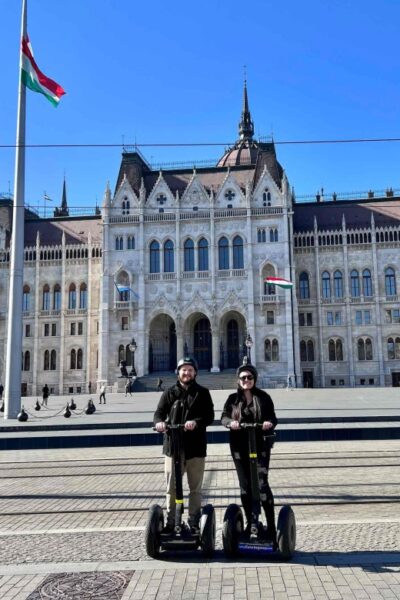
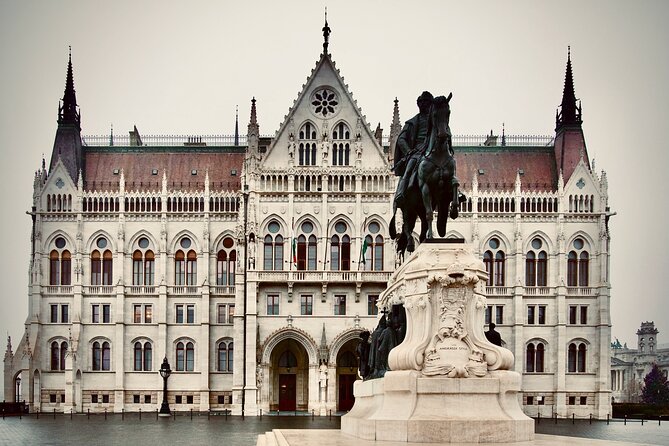
Then you head to the Hungarian Parliament Building area on Kossuth Square. This is one of Budapest’s headline landmarks, designed by Imre Steindl in neo-Gothic style and opened in 1902. It has been the largest building in Hungary since completion, which helps you understand why it dominates the waterfront view.
Admission for the Parliament isn’t included, so you’re mainly looking from outside during this half-day. Still, you’ll get time to orient yourself and understand what surrounds it—like nearby institutions that face or frame the square.
Value angle for your wallet: you pay a private-guide rate, but you’re not paying extra admission fees for every single stop. The tour time focuses on the architecture you can appreciate immediately.




St Stephen’s Basilica, Deák Ferenc tér, and the Evening-Feeling District
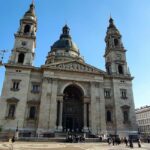
The route then brings you to St Stephen’s Basilica (Szent Istvan Bazilika). The basilica is named for Stephen, the first King of Hungary, and tradition says his right hand is housed in the reliquary. Admission isn’t included, but the exterior and the area around it help you see why it’s such a major stop in any Budapest itinerary.
Right after, you’ll be near a lively youth gathering area by Deák Ferenc tér. The park next to the square is a popular evening meeting point, and it’s common for people to hang around until late hours.
This part of the tour is useful because it shifts your perspective from “monument mode” to “city life mode.” You’re not only collecting landmarks—you’re understanding where people actually spend time.
If you’re traveling with older kids or teens: this is a good moment because the environment feels real, not staged.
Great Synagogue Area and Kamara Café: A Calm Finish with a Real Local Pause
The last big landmark stop is the Great Synagogue (Dohány Street Synagogue, Nagy Zsinagoga). It’s one of the most significant Jewish sites in Budapest and is known as Europe’s largest synagogue, with seating for 3,000 people. It’s also the centre of Neolog Judaism.
Admission isn’t included, so plan your time based on what you want to do inside. Even if you stick to the exterior and the immediate area, the scale and setting make it a memorable final “cultural anchor.”
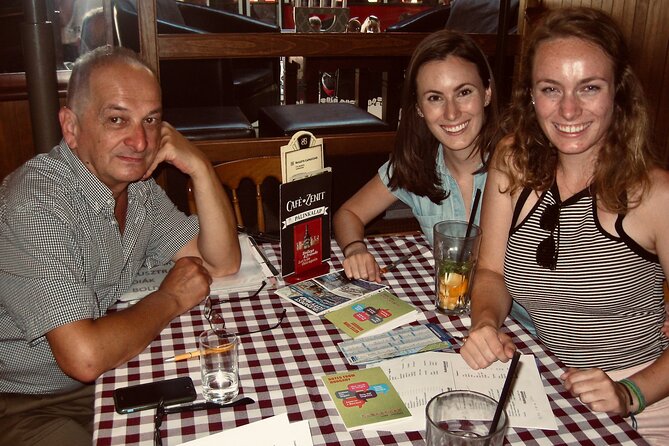
Then you slow down at Kamara Café. This is the quiet reset built into the tour: you get one hot or cold beverage included, and you’ll have a chance to review what you saw, practice a bit of Hungarian, and plan the best next move for the rest of your stay.
This café stop is smarter than it sounds. Private tours can run warm and intense. Having a built-in pause helps the day settle into your memory.
Price and Value: Is $489.24 for Up to 4 Worth It?
At $489.24 per group (up to 4), you’re paying for a private half-day guide experience that includes transport support and small-but-useful add-ons. That price can be a bargain or a splurge depending on how you travel.
Here’s how I’d judge value for you:
- If you’re traveling with 2 to 4 people, the per-person cost drops quickly compared to paying separate ticketed tours.
- You get a public transport pass and the guide handles route flow, so you spend less time figuring out the best way to bounce between Buda and Pest.
- You also get tangible extras: map, notebook/pen, and the café beverage. Those don’t sound huge, but they reduce little frictions on a short day.
What you’re not paying for: several major attractions listed along the way have admission fees not included. That doesn’t make the tour bad—it makes your planning easier. You can choose entrances intentionally instead of being forced into every fee.
My practical take: this is best value when you care about context and want to hit top sights efficiently without losing time to transit confusion.
Who This Private Budapest Half-Day Fits Best
This tour fits you if:
- You want a private guide and you like having a plan
- You enjoy mixing classic landmarks with normal city streets
- You’re comfortable using public transport for a short segment (the tour uses Metro Line M1)
- You want a quick, high-impact orientation before you explore further on your own
It may not be ideal if:
- You want a strictly museum-heavy itinerary with multiple paid interiors guaranteed
- Your group wants to spend most of the day deep inside churches, synagogues, or Parliament (admissions aren’t included for several of these stops)
Also, since it’s designed as a private group up to 4, it’s a strong option for families, friend groups, and couples who want flexibility.
One Small Communication Thing to Watch
One detail worth noting: meeting logistics are handled through the booking system messaging. If the platform you use doesn’t allow email-style communication, you may not get updates as smoothly as you’d like. I’d recommend you confirm the meeting time and exact pickup point the day before, just to keep everything calm.
Should You Book This Budapest Private Half-Day Tour?
Book it if you want a smart introduction to Budapest’s major “signature” areas—Buda Castle District, Parliament, Heroes’ Square, and the Great Synagogue—wrapped into a route that also makes room for real breaks.
I’d skip it if your group’s main goal is spending hours inside many paid attractions. This is a great match for outdoor sight time, city orientation, and photo-ready viewpoints, with optional entries you can manage based on your interests.
If you’re unsure, think about this: you’re buying time saved, story context, and a clean path through places you’d otherwise connect less efficiently.
FAQ
What is the duration of the Capital Budapest half-day private tour?
The tour lasts about 4 hours.
How much does the tour cost, and what group size is it for?
It costs $489.24 per group for up to 4 people.
Is pickup offered from my hotel?
Yes. The guide can meet you at your hotel or at a central meeting point you agree on.
Does the tour include public transportation?
Yes. A public transport pass is included, and the route uses Metro Line M1.
Are admission tickets included for all the main landmarks?
No. Some stops have admission not included (for example, Fisherman’s Bastion, Matthias Church, the Parliament Building, St Stephen’s Basilica, and the Great Synagogue). One café beverage is included at the end.
What’s included besides sightseeing?
You get a city map, a notebook with pen, and one hot or cold beverage at Kamara Café.
If you want, tell me your travel dates and how many people are in your group—I can help you decide which of the paid entry stops are most worth it for your priorities.