REVIEW · BUDAPEST
BUSÓJÁRÁS Unesco Heritage Folklore Carnival in Mohács
Book on Viator →Operated by Explore Hungary · Bookable on Viator
Masks, rattles, and spring magic in Mohács. The Busójárás carnival is an end-of-winter tradition with UNESCO Intangible Cultural Heritage status, and it’s one of those rare cultural events that feels both old and oddly entertaining. I love how the day is built around the festival itself, not a long bus ride with rushed stops.
My favorite part is the private transport from Budapest—door-to-door hotel pickup and drop-off, in an air-conditioned vehicle—so you can skip the stress of packed public transit. You also get a flexible flow (no fixed schedule), which matters when a real festival doesn’t run like a museum.
One thing to consider: even when you’re taken close by private vehicle, you may still need a bit of walking from parking areas and plan for festival food that can feel pricey once you’re inside the action.
In This Review
- Key highlights to know before you go
- What Busójárás Means (and Why UNESCO Cares)
- Why This Private Day Trip Works Better Than Public Transit
- The 10-Hour Plan: Flexible Enough to Feel Like a Festival
- Mohácsi Busójárás in Action: Cloaks, Masks, Rattlers, and Noise
- A note on what you’ll actually do there
- Food and Drinks: Where Your Budget Can Surprise You
- Price and Value: Is $250 Worth It?
- What Kind of Traveler Should Book This?
- Quick practical tips before you head to Mohács
- Should You Book This Busójárás Private Trip?
- FAQ
- How long is the Busójárás tour?
- How much does it cost?
- Is pickup and drop-off included?
- Is this tour private?
- What language is the tour offered in?
- Do I get a mobile ticket?
- Is admission to the festival included?
- What is the cancellation policy?
- Are service animals allowed?
Key highlights to know before you go
- UNESCO Intangible Cultural Heritage: Mohácsi Busójárás is on the UNESCO Representative List.
- Private vehicle from Budapest: door-to-door pickup and drop-off at your hotel, in an air-conditioned car/van.
- Flexible timing: the transfer isn’t tied to a rigid clock, so your day can adjust to the festival rhythm.
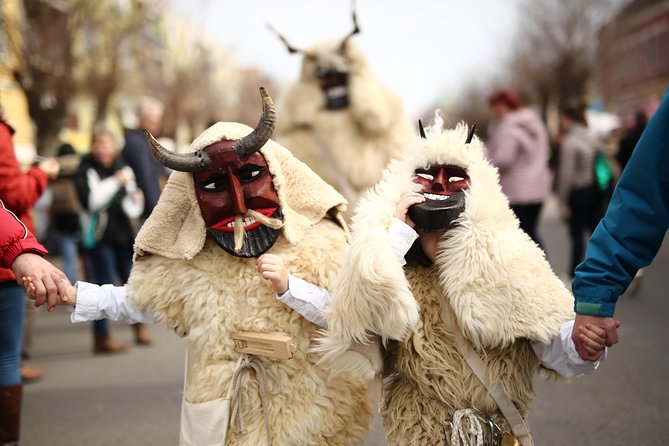
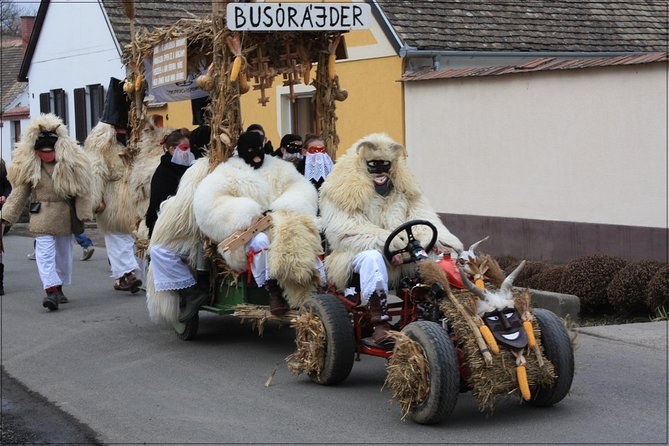
- Old rites, strong visual impact: woolly sheepskin cloaks, masks, hay-filled trousers, rattlers, and clapper bells.
- Legend behind the masks: the story centers on tricksters scaring away the Turks during the historic fighting around Mohács.
- Bring cash for snacks: the food scene can be pricey once the carnival is underway.
What Busójárás Means (and Why UNESCO Cares)
Busójárás is a big traditional carnival from Mohács in southern Hungary, staged at the end of winter and the start of spring. The core idea is protection and fertility—through old rituals, loud noise, and dramatic disguise. Adults dress the part and “send off” the tough season, then make a joyful break for the brighter months ahead.
This is also why UNESCO lists it: it’s not just costume party energy. The festival’s specific elements—how people dress, the masks, and the ritual sounds—are part of a living tradition that continues to be practiced. If you like cultural events where you can see the rules and symbolism in the details, this one rewards your attention.
There’s also a broader connection to carnival traditions elsewhere. The masks and play share similarities with festivals like Rio and Venice, and there are echoes of mask-wearing customs found in indigenous communities in parts of Africa. In Mohács, the local explanation is wrapped in legend: masked men who scare the Turks and save the town.
You can also read our reviews of more historical tours in Budapest



Why This Private Day Trip Works Better Than Public Transit
From Budapest, Mohács is far enough that transport can make or break the day. Here, you avoid the classic problem: getting stuck on cramped routes or fighting for space while you’re trying to time a festival. Instead, you get private transportation in an air-conditioned vehicle, plus the convenience of pickup and drop-off right at your hotel.
That matters more than it sounds. With this kind of event, your “start time” is less about an exact minute and more about when you can settle into the center and enjoy the parade and performances at a comfortable pace. A private vehicle helps you reach the festival without burning your energy before the fun even starts.
It also keeps the day calmer. One of the best feelings here is that the schedule feels responsive: you’re not forced into a rigid rail-and-bus choreography when the carnival is doing what carnivals do—happening in real time, with people moving and gathering.
The 10-Hour Plan: Flexible Enough to Feel Like a Festival
The tour runs about 10 hours total, and the festival time is long enough to actually experience it rather than just take a quick look. Importantly, there’s no fixed schedule for the transfer. That gives you breathing room if your group wants more time watching, or if the flow of people changes.
A typical pattern at events like this is that the center can be crowded, and vehicle access may be limited. Even with a private drop-off strategy, plan for some walking once you’re near the core festival area. One practical tip: wear comfortable shoes and keep your shoulders free—bags and bulky coats slow you down when you’re trying to move with the crowd.
You’ll also want to think about pace. The festival experience isn’t only “see the main show.” It’s noise, movement, costumes, and the repeated moments where people react to the Busó figures—so going slow enough to notice details makes the day better.
Mohácsi Busójárás in Action: Cloaks, Masks, Rattlers, and Noise
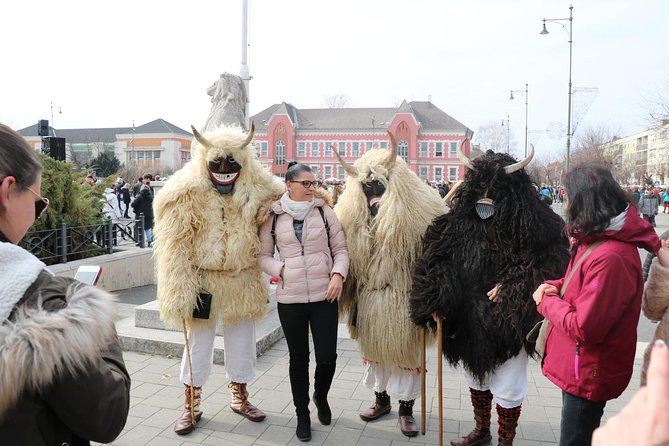
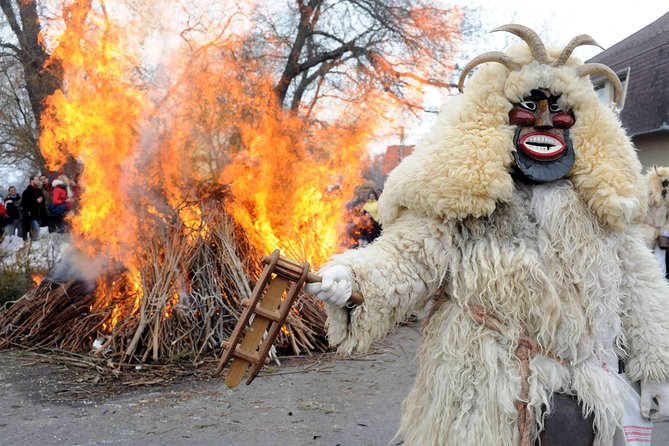
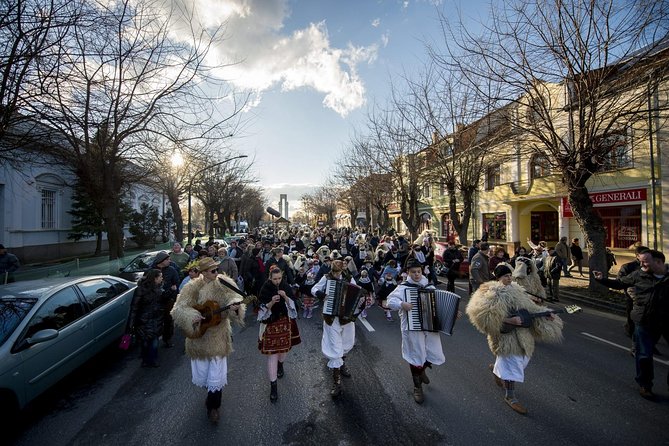
When Busó characters appear, they don’t do it quietly. The traditional Busó look is unmistakable: woolly sheepskin cloaks, carved masks, and trousers that are filled with hay. People wear decorated stockings as part of the overall costume. The effect is theatrical—half human, half folklore creature.
Then there are the sound-makers. Busó participants use large loud rattlers and clapper bells as part of the ritual. This isn’t random noise. It’s part of the festival’s role in warding off the old season and making space for the new one. If you’re the kind of person who enjoys atmosphere as much as sightseeing, you’ll appreciate how the sound becomes part of the storytelling.
The legend is another key. The tradition is often explained through the story of the second battle of Mohács, when people took refuge from Turkish occupation on the so-called Mohács Island (on the far side of the Danube). They dressed in disguise and crossed back, then scared the superstitious Turks who fled when they saw the masked men. Whether you look at it as history or folklore, it’s the reason the masks feel like more than costumes.
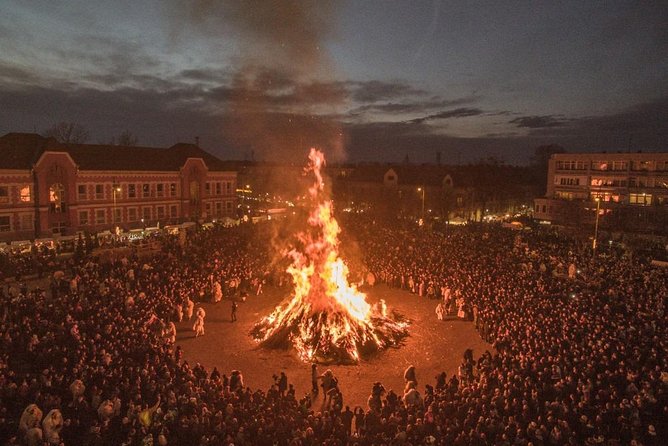
Also, the event is huge in Hungary. Think of it like one of those national “must-see” days when the entire town participates in a recognizable set of rituals. That’s why UNESCO gave it attention: the festival isn’t a one-off performance. It’s a community tradition with continuity.
A note on what you’ll actually do there
You’ll be focused on Stop 1: Mohácsi Busójárás itself. The time is long enough to watch the characters, move around, and experience the festival atmosphere without feeling rushed back to the van every 20 minutes.
If you want photos, you’ll get plenty of opportunities because the costumes are consistent and highly visual. Just don’t treat it like a museum shoot. Stay aware of foot traffic and give space where needed—these crowds form naturally around the action, and your best shots often come from being patient.






Food and Drinks: Where Your Budget Can Surprise You
Carnivals have a way of adding small costs. The festival food situation can be on the pricey side once you’re in the center and options get limited to vendor stalls. I’d plan a realistic snack budget even if your main goal is cultural viewing.
On the plus side, the day has strong drink culture. One highlight that shows up in people’s experiences: lots of pálinka, Hungary’s fruit brandy. If you want to try it, do it thoughtfully—treat it like a tasting, not a challenge. A little goes a long way when you’re walking around in festival crowds for hours.
If you’re trying to keep costs down, eat before you fully enter the densest area. Then treat festival food as part of the experience rather than your full meal plan. It’s the best way to avoid the sticker-shock feeling.
Price and Value: Is $250 Worth It?
At $250 per person, this isn’t the cheapest way to see Busójárás. But it’s also not trying to be. The value math here is about what you get for your money: private transportation from Budapest, air-conditioned comfort, and door-to-door hotel pickup and drop-off.
When you’re traveling from a major city to a festival that happens in a different region, private transport can be the difference between a relaxed day and a day spent wrestling logistics. The flexibility of the transfer also adds value. You’re not just paying for a car—you’re paying for time that feels under your control.
Another value point: the festival admission is listed as free. That means the price is mostly about transportation and the experience design. If you’re comparing this to ticketed tours that include less direct cultural time, this one has a strong focus: get you there and let you enjoy the event.
There are also group discounts mentioned. If you can travel with friends or family, it can be easier to justify the cost and still keep the vibe private.
What Kind of Traveler Should Book This?
This tour suits you if you want a cultural event day without the stress of public transit planning. You’ll likely like it most if you care about old traditions, symbolic costumes, and watching how communities perform their identity.
It’s also a good fit for people who value comfort and timing. If you don’t want to spend your morning figuring out connections, this setup saves energy. If you’re traveling with family or a small group that wants a calmer experience, the private nature helps.
On the other hand, if you love improvising your own travel schedule and you’re comfortable with buses or trains to get to Mohács, you might not need a private car. But if your goal is to focus on the festival and not on transportation math, this is the smarter route.
Quick practical tips before you head to Mohács
- Wear comfortable shoes for festival walking. Even with private transport, you might walk from parking areas.
- Keep your phone charged and consider a power bank if you plan lots of photos and videos.
- Bring a small cash buffer for snacks and drinks, since festival food can cost more than you expect.
- Dress for winter-to-spring weather swings. End-of-winter festivals can still feel cold, especially during waiting and moving.
- Go slow enough to notice the details: masks, hay-filled trousers, rattlers, and the ritual movement style.
Should You Book This Busójárás Private Trip?
If your idea of a great day is: one major cultural event, a calm ride there, and enough time to actually watch and understand what you’re seeing, then book it. The private door-to-door transport, the UNESCO-listed tradition, and the flexible schedule make this a strong choice when you want the festival experience without the hassle.
Skip it only if you’re determined to DIY your way to Mohács and you don’t mind dealing with the public-transit side of getting there. With a day this time-sensitive, the private format removes friction—so you can spend your energy on the masks, the noise, and the spring-symbol magic of Busójárás.
FAQ
How long is the Busójárás tour?
The tour lasts about 10 hours.
How much does it cost?
The price is $250.00 per person.
Is pickup and drop-off included?
Yes. It’s door-to-door, with pickup and drop-off at your hotel.
Is this tour private?
Yes. It’s a private tour/activity, and only your group participates.
What language is the tour offered in?
The tour is offered in English.
Do I get a mobile ticket?
Yes, a mobile ticket is provided.
Is admission to the festival included?
The festival admission is listed as free.
What is the cancellation policy?
Free cancellation is available up to 24 hours in advance for a full refund. If you cancel less than 24 hours before the experience starts, you won’t receive a refund.
Are service animals allowed?
Yes, service animals are allowed.