REVIEW · BUDAPEST
Budapest: Organ Concert in St. Stephen’s Basilica
Book on GetYourGuide →Operated by Hungaria Koncert Ltd. · Bookable on GetYourGuide
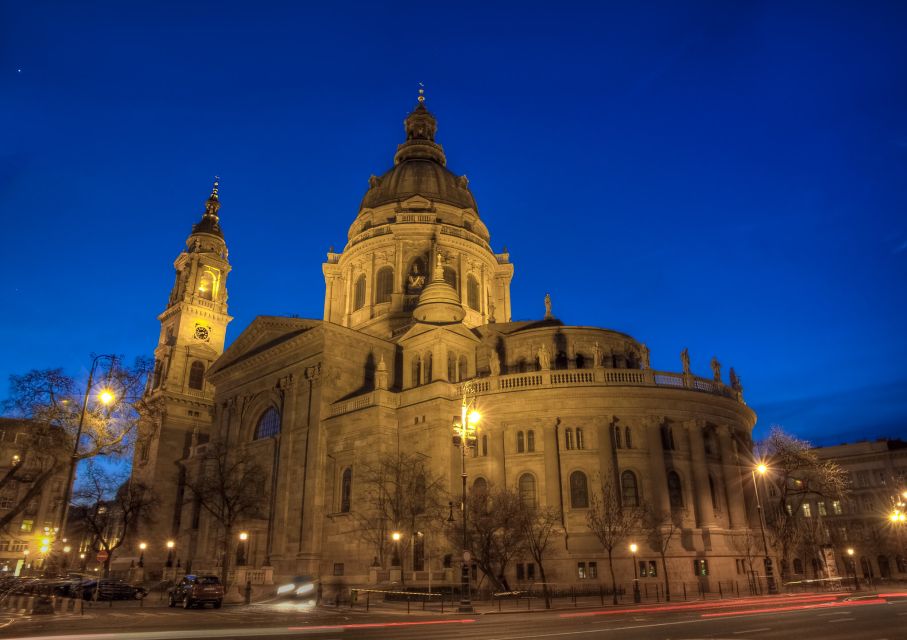
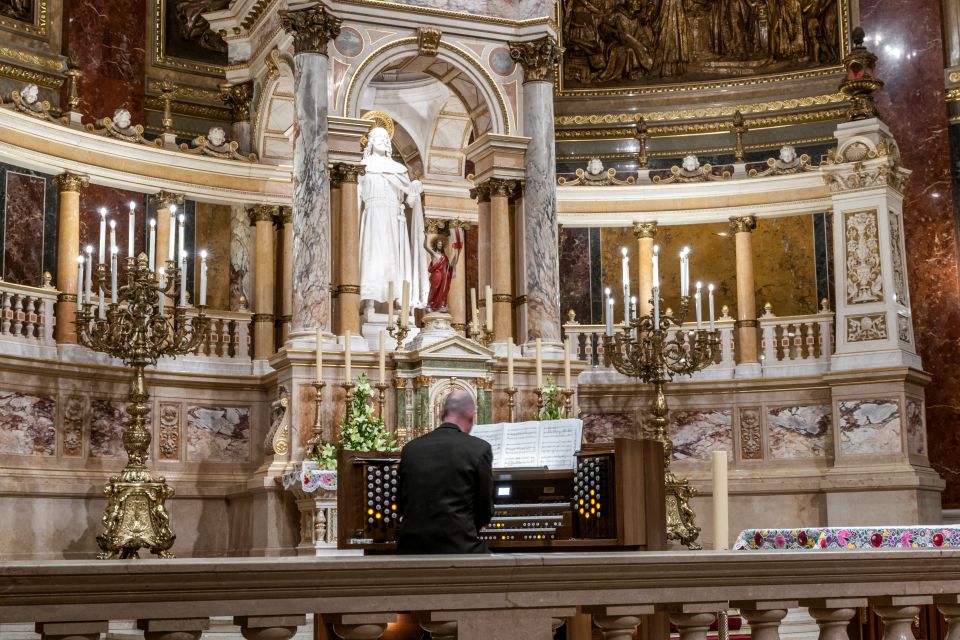
Organ in a landmark basilica hits differently. I love the way Kolos Kováts brings emotion to the vocal arias, and you’ll also get flute color thanks to Eleonóra Krusic—a nice change from hearing only organ. The setting helps, too: St. Stephen’s Basilica is one of Budapest’s most striking neo-classical buildings, and it’s the built-in stage for this concert.
One practical thing to consider: there’s no pick-up or drop-off included, so you’ll want to plan your own trip to St. Stephen’s Basilica and arrive by 19:40.
In This Review
- Key highlights you’ll feel right away
- St. Stephen’s Basilica: the “why” behind an organ concert in Budapest
- The performers: Kolos Kováts, Eleonóra Krusic, and Miklos Teleki
- Program walkthrough: what you’ll hear, and why it works as a set
- Mozart: Fantasie in F minor, K 506
- Stradella and Albinoni: prayer and quiet gravity
- Liszt Ferenc and Camille Saint-Saëns: Legend in A major (St. Francis of Assisi’s Sermon to the Birds)
- Verdi: Prayer of Fiesco from Simone Boccanegra
- Bach (Suite in B minor): Polonaise, Minuet, and Badinerie
- Bach: Toccata and Fugue in D minor, BWV 565
- Ticket categories and seats: rows 1–6 vs 17–26
- Timing and meeting point: arriving at 19:40 without stress
- Included vs not included: what you should plan to pay attention to
- Who this is best for (and who might want to think twice)
- Should you book this Budapest organ concert?
- FAQ
- What time should I arrive at St. Stephen’s Basilica?
- Where is the concert held?
- Who performs in the concert?
- What’s included in the booking?
- Are pick-up and drop-off included?
- How do the ticket categories work?
Key highlights you’ll feel right away

- St. Stephen’s Basilica venue: a neo-classical landmark designed for resonant sound
- Kolos Kováts on arias: famous Hungarian concert and oratorio singer with major national awards
- Eleonóra Krusic flute feature: a solo voice that contrasts beautifully with organ sonorities
- A program with real variety: Mozart, Baroque, Romantic-era works, and Bach’s big finale
- Ticket rows matter: Category I is rows 1–6, Category III is rows 17–26
St. Stephen’s Basilica: the “why” behind an organ concert in Budapest
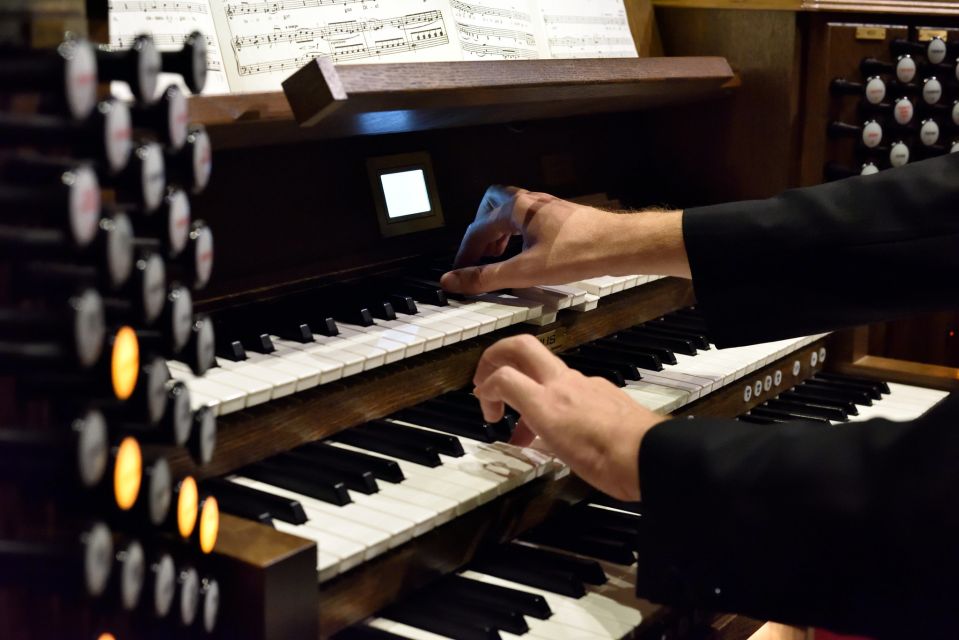
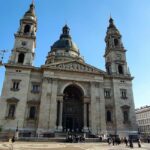
This isn’t just organ music in a church. It’s organ music in St. Stephen’s Basilica, a neo-classical showpiece that already tells your ears to listen bigger. The building’s style matters because organ and architecture are a team: sound blooms, hangs, and then settles back in a way that feels tailored to the space.
I also like that the concert isn’t purely instrumental. With vocal selections and a flute passage built into the program, you’re not stuck in one sonic lane for the whole evening. That mix helps if you’re curious about classical music but don’t want an all-organ test of endurance.
The best part is simple: you’re in Budapest, and you’re spending your evening on something cultural that doesn’t need extra explanation to be enjoyable.
You can also read our reviews of more tours and experiences in Budapest


The performers: Kolos Kováts, Eleonóra Krusic, and Miklos Teleki

The lineup gives the concert a “featured artists” feel. Kolos Kováts performs the vocal arias on the program, and he’s not a random name on a poster—he’s a well-known concert and oratorio singer in Hungary, with honors including the Liszt Ferenc prize and the Kossuth Prize (plus other major art recognition). If you care about interpretation—phrasing, drama, clarity—this is the kind of performer whose reputation suggests you’ll hear care in every line.
Then there’s Eleonóra Krusic on flute. The flute part is a big deal because it adds air and light to a setting that can otherwise feel heavy and grand. The data you have also says she has played many times in Hungary and abroad during recent years, including in orchestras, so this is not a one-off cameo.
And you’ll also hear Miklos Teleki in the program. The specific role isn’t spelled out in the provided details, but the fact he’s listed alongside the vocal and flute performers means you should expect him to be part of the featured musical fabric, not just background staffing.
Program walkthrough: what you’ll hear, and why it works as a set
This concert is programmed like a musical tour across eras. You move from Classical-era elegance into Baroque-style drama and then into later Romantic flavor, before landing on Bach’s most famous kind of fireworks. That ordering is smart: even if you only know one or two composers, you’re likely to find something that “clicks” at some point.
Mozart: Fantasie in F minor, K 506
You start with Mozart’s Fantasie in F minor. This piece is a great opening because Mozart can sound both controlled and emotionally restless, and that contrast is perfect for a first impression in a big basilica space. If you’re warming up your listening ear, Mozart gives you solid structure without feeling stiff.
Stradella and Albinoni: prayer and quiet gravity
Next comes Alessandro Stradella’s Pietà Signore (a prayer-like title), followed by Tomaso Albinoni’s Adagio. The emotional center here shifts toward stillness and expression. In a venue like this, slower passages tend to feel especially vivid because the acoustics help shape the silence between notes.



Liszt Ferenc and Camille Saint-Saëns: Legend in A major (St. Francis of Assisi’s Sermon to the Birds)
Then you get Legend in A major, tied to St. Francis’s sermon to the birds. Even if you don’t know the piece, the story gives you an easy mental picture: it’s lyrical, bright, and meant to feel like wonder rather than argument. The flute feature can be a natural match for this kind of imagery, since flute is so good at sounding like something alive.
Verdi: Prayer of Fiesco from Simone Boccanegra
After that, Verdi’s Prayer of Fiesco arrives, and this is where you can really lean into the vocal strength. Verdi isn’t subtle in the way some composers are—his vocal writing often sounds like human emotion on full volume. If you enjoy opera even casually, you’re likely to recognize that Verdi “human drama” feel in the way the vocal line rises and turns.
Bach (Suite in B minor): Polonaise, Minuet, and Badinerie
Then the concert brings you into Bach’s world with Polonaise, Minuet, and Badinerie from Suite in B minor BWV 1067. This section works as a palate cleanser. You get clear dance rhythms (even when the notes are intricate), and that helps your brain reset after the more lyrical vocal and Romantic material.
Bach: Toccata and Fugue in D minor, BWV 565
The closer is Bach’s Toccata and Fugue in D minor (BWV 565). This is the kind of ending that leaves an imprint: fast energy, counterpoint, and that big sense of architectural momentum. If you want one “big moment” to remember from Budapest, this is it—especially in a basilica where the organ can fill the room like it’s meant for it.
Ticket categories and seats: rows 1–6 vs 17–26
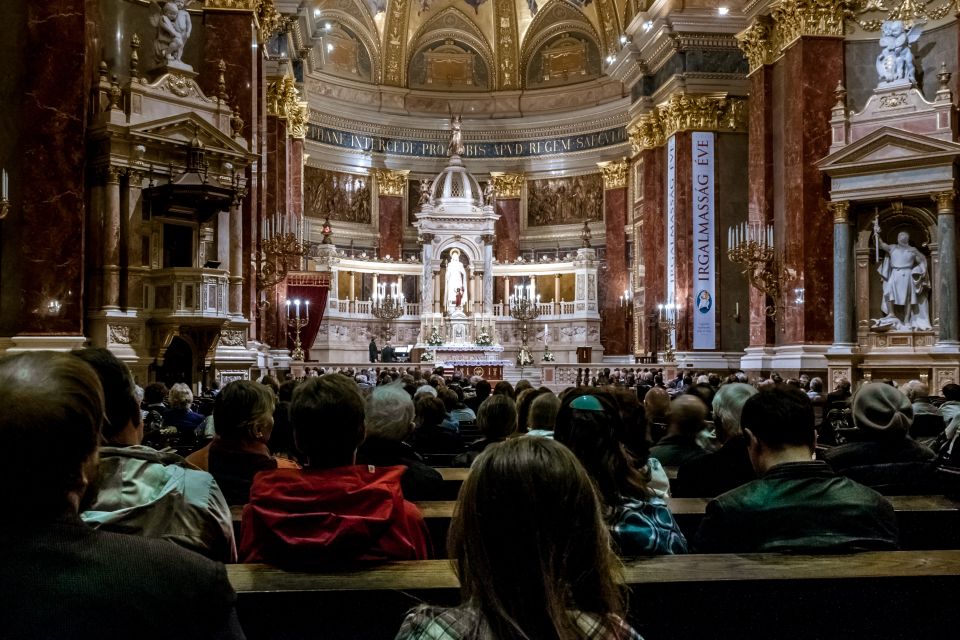
You’ll choose between three ticket categories, each tied to specific row ranges:
- Category I: rows 1 to 6
- Category II: rows 7 to 16
- Category III: rows 17 to 26
Since the details only specify row ranges, the practical takeaway is about comfort and perspective. Close seats (Category I) generally make it easier to track performers and see facial expression for the vocalists, plus you’re less likely to feel “far” from the sound. Farther seats (Category III) can be just fine acoustically, but you might need to focus more on listening than on visuals.
If you’re the type who likes to feel part of the performance—especially for the sung arias—Category I is usually the best value for your money. If you’re more budget-minded and just want the music, Category II can be a sweet spot based on how they split the room. Choose with your priorities in mind: sightlines vs cost.
Timing and meeting point: arriving at 19:40 without stress
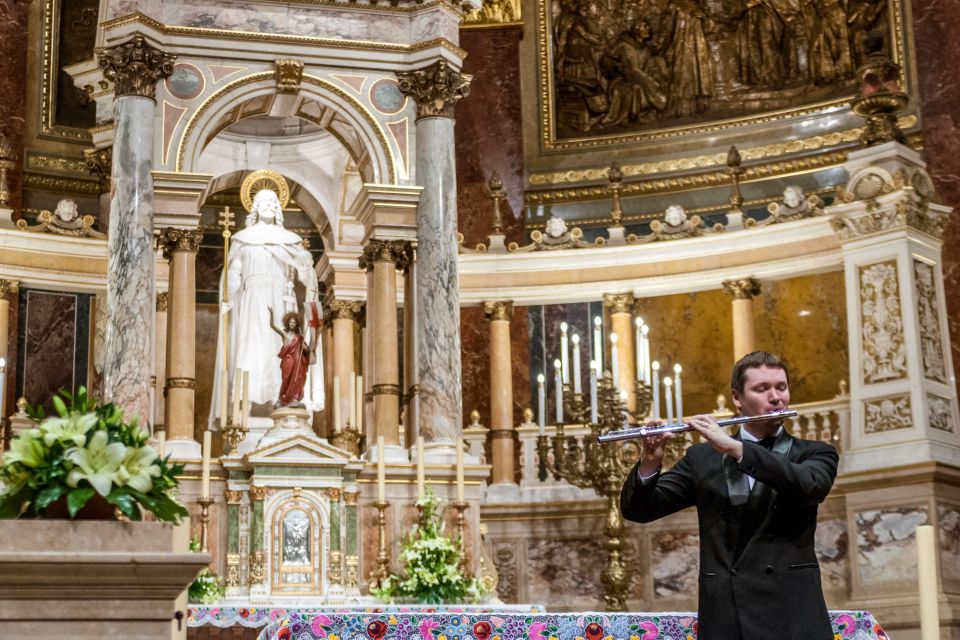
Your meeting point is St. Stephen’s Basilica, and you should come at 19:40. That’s a helpful detail because concerts often start with a rush, and you don’t want to be stuck figuring things out while the music is already moving.
Plan to arrive ready to walk in and settle. Even if you’re excited, take the moment to get your bearings inside the basilica. In a concert like this, your first few minutes are not just waiting—they’re your chance to line up your listening position so the organ’s sound sits right in your ears.
Also note the provider: Hungaria Koncert Ltd. If you ever need to confirm your booking, that name is what you’re looking for in any communication.
Included vs not included: what you should plan to pay attention to
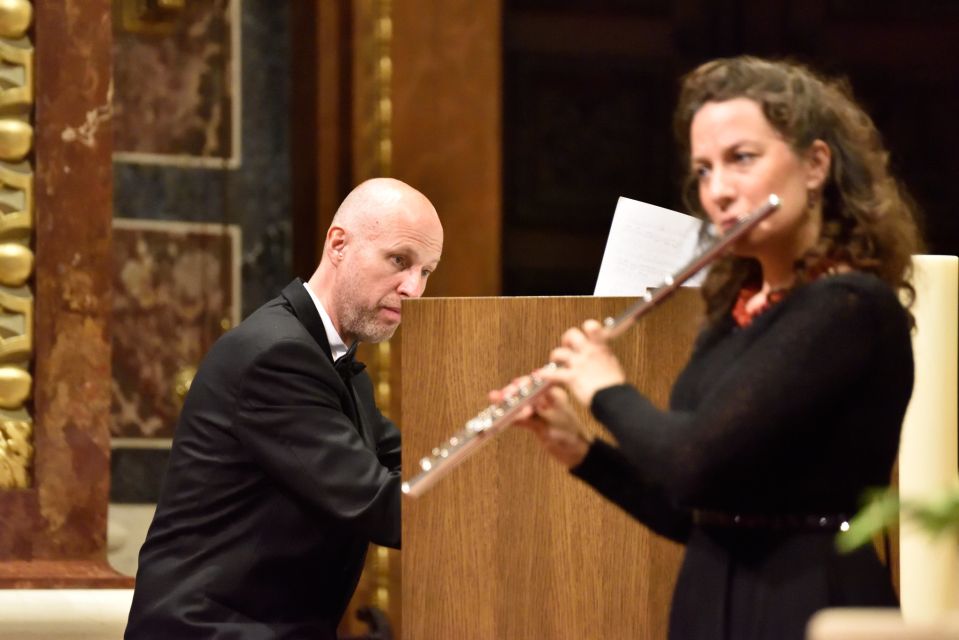
This experience includes concert tickets. It does not include pick-up and drop off (available for an extra cost).
So the value question becomes: are you already planning to be near St. Stephen’s Basilica around 19:40? If yes, you’re set. If not, build extra time into your evening plan so you don’t turn a music night into a transport scramble.
Who this is best for (and who might want to think twice)
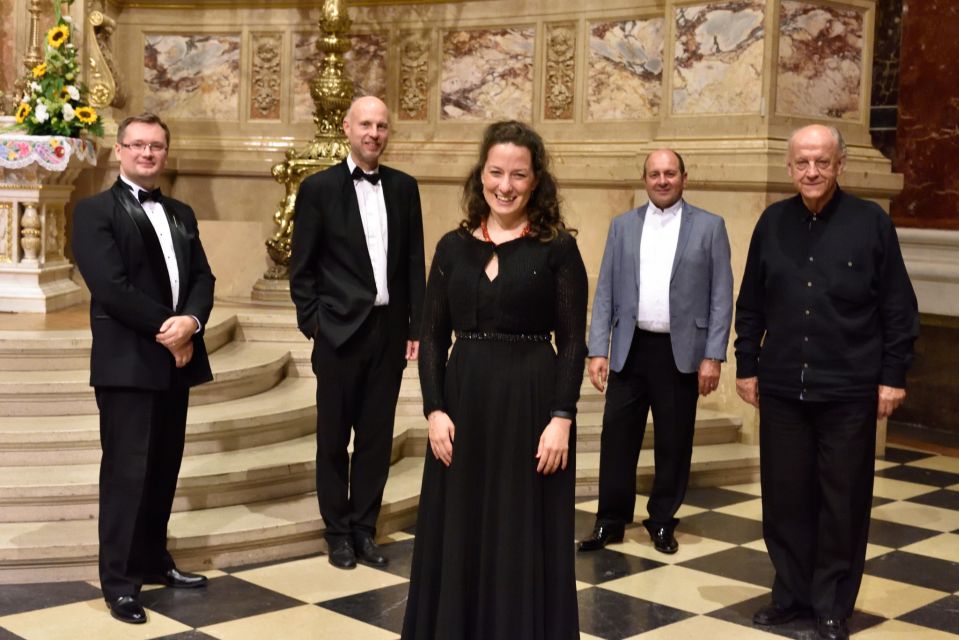
This concert suits you if you want a Budapest evening that’s cultural and easy to follow. The program is a good mix: Mozart opens the door, Verdi adds vocal drama, and Bach ends with serious musical muscle. With Kolos Kováts and Eleonóra Krusic both featured, there’s enough variety to keep things interesting even if you don’t read music.
You might want to think twice if you prefer background music more than attentive listening. This is a structured concert program with big, focused works like Bach’s Toccata and Fugue—great, but it asks for your attention.
If you’re traveling as a couple or small group, this works well because the seating categories let you pick how close you want to be. If you’re solo, it’s also a nice way to experience a landmark without needing a long tour.
Should you book this Budapest organ concert?
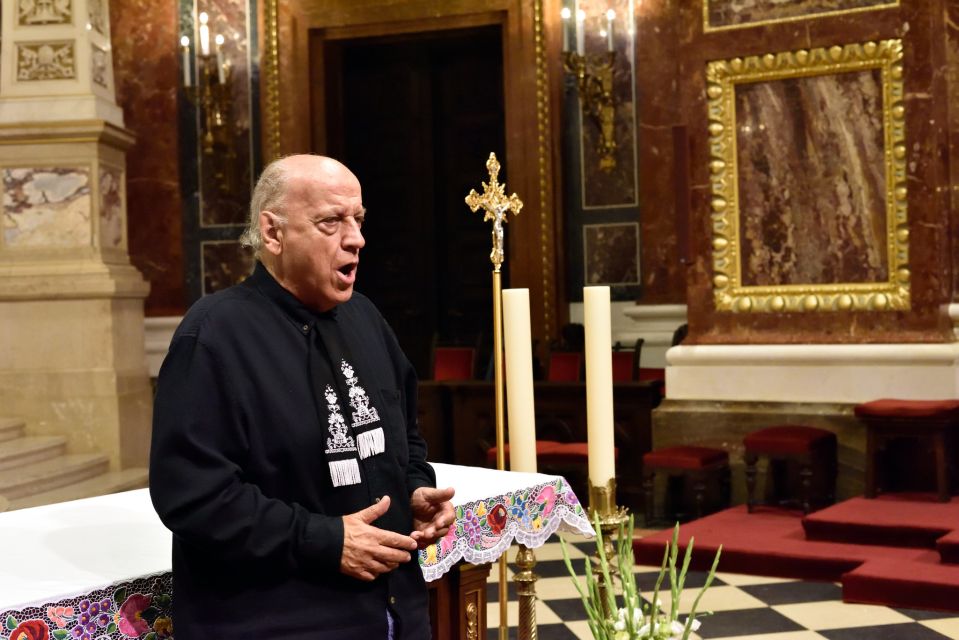
I think you should book it if you want a high-impact, one-location evening with famous classical composers and strong featured performers. The combination of Kolos Kováts on arias, Eleonóra Krusic on flute, and Bach’s dramatic finale makes the program feel purposeful rather than random.
One more smart reason: you’re not paying for a long day of transit or extra activities. You’re paying for concert tickets, and your main job is to show up at 19:40 and pick the row category that matches how you like to experience music—up close for expression, or farther back for a calmer budget-friendly view.
FAQ
What time should I arrive at St. Stephen’s Basilica?
The meeting point is St. Stephen’s Basilica, and you should come at 19:40.
Where is the concert held?
The concert takes place in St. Stephen’s Basilica.
Who performs in the concert?
The listed performers are Miklos Teleki and Kolos Kováts, plus flute by Eleonóra Krusic.
What’s included in the booking?
The booking includes concert tickets.
Are pick-up and drop-off included?
No. Pick-up and drop-off are not included, but they are available for an additional cost.
How do the ticket categories work?
Ticket categories are based on row numbers: Category I (rows 1–6), Category II (rows 7–16), and Category III (rows 17–26).