REVIEW · BUDAPEST
Budapest Dohany Synagogue & Hungarian Jewish Museum & free extras
Book on Viator →Operated by Hidden Treasure Tours · Bookable on Viator
Big, beautiful, and heartbreaking in one stop. This is a focused Budapest experience that pairs Dohány Street Synagogue with solemn Holocaust sites, while also giving you museum time for breathing room. You’ll learn how Hungarian Jewish life flourished, and how it was shattered, in a way that feels both architectural and human.
I love that your visit is built around pre-booked entry times, so you aren’t juggling ticket lines on the fly. I also like the quality of the English-speaking guiding, with strong history and a friendly tone (one guide name you may run into is Milan, praised for humor and clarity).
The main consideration is the schedule: in about 45 minutes, the guided portion is short, so you may want more time with a guide if you prefer deeper commentary.
In This Review
- Key things to know before you go
- Why Dohány Street feels different from a typical church tour
- Getting in smoothly: time slots, dress code, and bag rules
- Stop 1: Inside Nagy Zsinagoga and why the building matters
- A small comfort tip
- Stop 2: Raoul Wallenberg Memorial Park and the Holocaust Cemetery
- Practical note for pacing
- Stop 3: Hungarian Jewish Museum access on your own time
- Price and value: what $44.89 gets you in Budapest
- Group size and guide style: why your experience may feel personal
- Who this suits best (and who might want a different format)
- Should you book this tour?
- FAQ
- What sites does this tour include?
- How long is the tour?
- Is the tour offered in English?
- Are there different entry times available?
- What should I wear to enter?
- Will I go through security screening?
- Is the museum part included?
- Is it refundable if plans change?
Key things to know before you go
- Pre-set entry times (3 options daily) help you plan around the rest of your day.
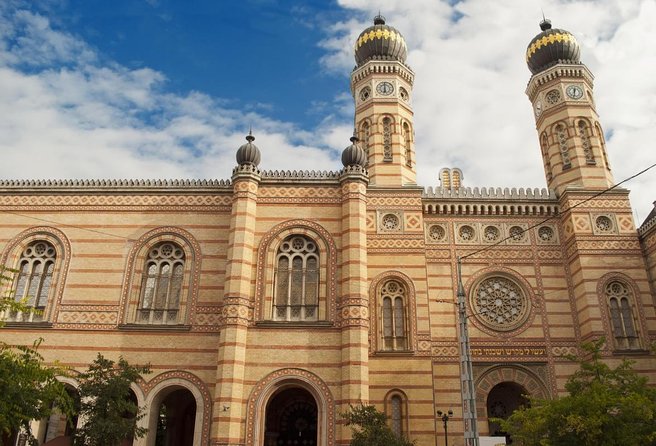
- Nagy Zsinagoga’s 1850s architecture is the star, with a connection to Franz Liszt and the synagogue’s organ legacy.
- Raoul Wallenberg Memorial Park focuses on rescue stories and the Emmanuel Tree of Life Memorial.
- Holocaust Cemetery on the ghetto site includes the graves of more than 2,000 victims.
- Hungarian Jewish Museum access at leisure lets you slow down after the guided walk.
- Dress code + security screening are part of the deal, so bring the right clothing and travel light.
Why Dohány Street feels different from a typical church tour
Budapest has a lot of impressive sights, but this one hits two tones at once: awe and grief. The Dohány Street Synagogue is visually striking, yet the surrounding memorial spaces shift the mood quickly and honestly.
What makes this experience worth your time is the way the stops are linked. You start with community and culture, then move to the Holocaust memorial landscape, then end with museum materials you can revisit at your own pace.
You can also read our reviews of more museum experiences in Budapest



Getting in smoothly: time slots, dress code, and bag rules
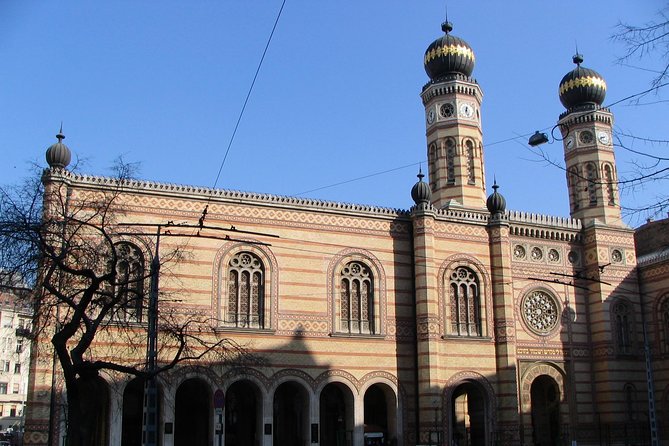
This tour gives you three entry times each day, so you can choose what fits your schedule. That choice matters in real life because Budapest days get busy fast, and nothing kills momentum like waiting around for the right moment to enter.
Plan for the practical realities at the synagogue complex:
- Dress code: shoulders and thighs must be covered; legs must be covered down to the knee. Beach-style outfits aren’t accepted.
- Cover help: you can get cover-ups on the spot if needed, and men can receive a head cover at entry.
- Security control: expect screening, and large backpacks or suitcases aren’t allowed (and can’t be stored).
If you’re carrying a big daypack, keep it as small as possible. A tight, hassle-free entry makes the rest of your visit feel calmer.
Stop 1: Inside Nagy Zsinagoga and why the building matters
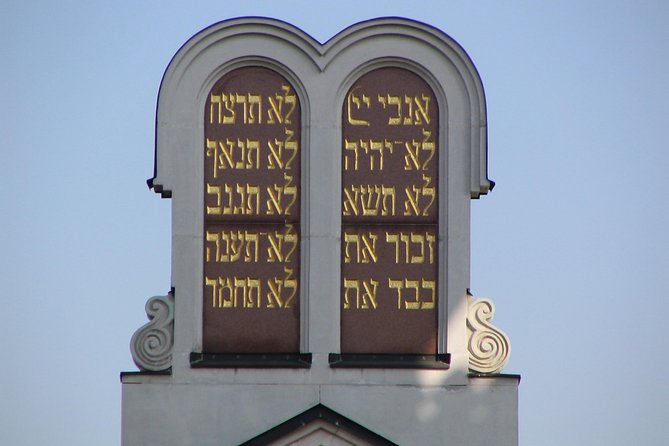
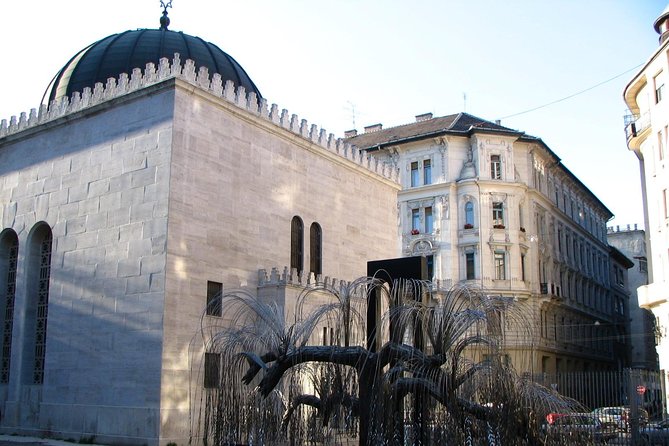
Your first stop is Nagy Zsinagoga (Great/Central Synagogue), the largest Jewish temple in Europe. This isn’t just a quick look at a famous building. You get a guided walk that explains the Hungarian Neologue community and how the wider story of Hungarian Jewry connects to what you see.
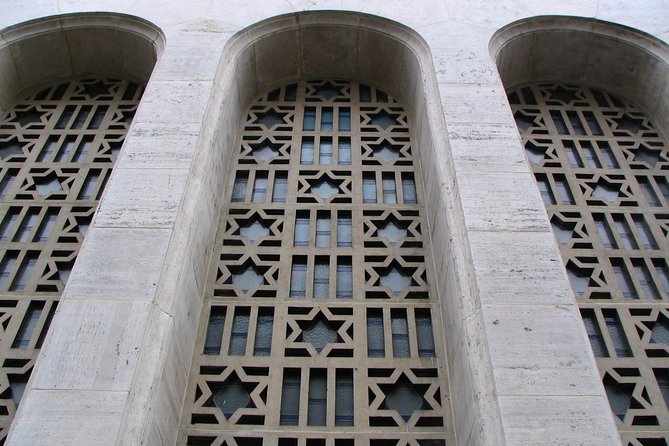
The architecture is a big part of the impact. The building’s design reflects its 1850s era in Budapest, and the result is more than pretty stonework—it’s a statement of identity made visible.
One detail worth paying attention to is the mention of music heritage: the tour points to the synagogue’s organ tradition and the legacy of Franz Liszt, who is tied to the space through the organ played there. Even if you aren’t a music person, it helps you understand the synagogue as a cultural center, not only a worship space.
A small comfort tip
Synagogues can be loud with multiple groups moving at once, so come prepared to focus. If you notice the guide speaking a bit fast in the louder moments, don’t be shy about asking for clarification when you get a quieter beat.
Stop 2: Raoul Wallenberg Memorial Park and the Holocaust Cemetery
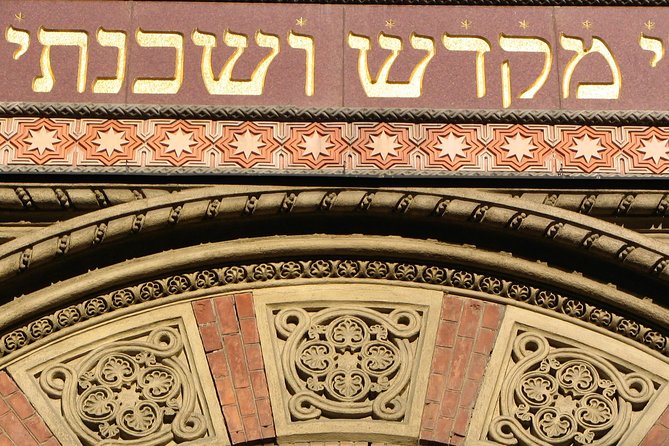
After the synagogue, the tour moves into Raoul Wallenberg Holocaust Memorial Park, and the atmosphere changes quickly—in the best way. Here, you focus on the Hungarian Holocaust and on the people called Righteous Gentiles, including those who saved tens of thousands of Hungarian Jews while risking their own lives.
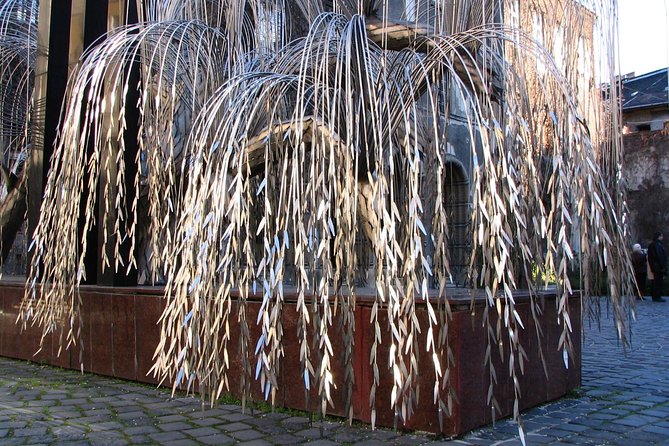
You’ll also visit the Emmanuel Tree of Life Memorial. It’s the kind of memorial element that gives grief a physical shape you can stand in front of and process, rather than just reading dates and numbers.
Then comes the most solemn stop: the Holocaust Cemetery created on the territory of the Budapest ghetto. This is where more than 2,000 victims are laid to rest. The guided time is short, but the emotional weight is heavy—and that’s exactly why it’s structured here after the cultural introduction.





Practical note for pacing
This portion can feel intense. If you’re sensitive to darker history, take it slowly at each memorial point. You’ll get a chance to reset later with the museum time.
Stop 3: Hungarian Jewish Museum access on your own time
Your synagogue visit includes entry to the Hungarian Jewish Museum and Archives, and you’re free to explore at your own pace. This is the “free extras” part in practice: the tour gives you a guided framework, then lets you spend time where your interests actually land.
You’ll have around 45 minutes total for the museum component as part of the overall timing. Some areas may be more accessible than others depending on what’s open during your visit, so I’d keep expectations flexible and follow what the staff indicate you can see.
For me, this museum break is the best way to turn a short guided tour into something you can actually digest. After you absorb the building and memorial park, the museum lets you slow down and connect the dots with documents and context.
Price and value: what $44.89 gets you in Budapest
At $44.89 per person for about 45 minutes, the value isn’t about filling every second with guided talking. It’s about what you’re purchasing: secure entry to key sites, guided orientation at the synagogue, and structured access to the memorial park plus museum time.
Here’s how that works in your favor:
- You’re not doing the “ticket scramble” around a complex that has security and strict entry rules.
- You get the context that turns architecture and memorial design into meaning.
- You still control your pace once you enter the museum.
It’s also worth noting that one short-tour tradeoff came up: if you’re the type who loves hours of guided storytelling, you may wish the guide had more time in the synagogue complex. If you’re more interested in seeing everything efficiently and then reading/exploring on your own, this time length can feel just right.
Group size and guide style: why your experience may feel personal
The tour is capped at 35 people, which is big enough to move efficiently but small enough that you shouldn’t feel lost in a crowd. I like that the format keeps a human pace for questions and direction.
The guiding style matters a lot for emotionally intense sites. In the feedback associated with this experience, a name that shows up is Milan—praised for strong English, historical clarity, and humor. Some guides also weave in personal context from wartime experiences in their explanations, which can make the story feel closer and easier to understand.
One caution: in busy spaces, it can be hard to hear. If you want crisp listening, stand where you can face the guide, and don’t hesitate to ask for repetition.
Who this suits best (and who might want a different format)
This is a great fit if you want:
- A structured way to see the synagogue, Wallenberg memorial park, and the Holocaust cemetery without planning each step.
- Museum time included, so you’re not rushed through the last stop.
- A clear English guide who can explain what you’re looking at, not just point and move on.
You might want a longer or different option if you:
- Know you prefer deep guided storytelling for the full visit.
- Want extended time inside the synagogue complex beyond a short guided window.
- Need extra time to process the memorial cemetery without pressure of the next stop.
For most people, the mix works well: culture first, then memory, then self-paced learning.
Should you book this tour?
I’d book it if you want a high-impact, time-efficient way to connect Dohány Street Synagogue, Raoul Wallenberg Memorial Park, and the Holocaust Cemetery with museum access. The biggest practical win is that you’re set up with entry timing and included tickets, while the guide helps you interpret what otherwise could feel like a list of important places.
If your schedule allows, pair this with a slower stretch of walking afterward—so your mind has room to land after the cemetery stop. And pack with the dress code in mind so you don’t waste energy on last-minute adjustments.
FAQ
What sites does this tour include?
It includes the Great/Central Synagogue (Nagy Zsinagoga), Raoul Wallenberg Holocaust Memorial Park (including the Emmanuel Tree of Life Memorial and the Holocaust Cemetery), and entrance to the Hungarian Jewish Museum and Archives.
How long is the tour?
The duration is approximately 45 minutes.
Is the tour offered in English?
Yes, it is offered in English.
Are there different entry times available?
Yes. You can choose an entry time that’s convenient, with three times available daily.
What should I wear to enter?
Shoulders and thighs must be covered, and legs must be covered down to the knee. Beach-type outfits aren’t acceptable. Covers are available for purchase on the spot, and men can receive a head cover upon entry.
Will I go through security screening?
Yes. You must go through security control, and large backpacks or suitcases are not allowed and can’t be stored.
Is the museum part included?
Yes. Your synagogue program includes the entrance ticket to the Hungarian Jewish Museum, which you can explore at leisure.
Is it refundable if plans change?
Yes. Free cancellation is available, and you can cancel up to 24 hours in advance for a full refund. Within 24 hours, refunds are not available.