REVIEW · BUDAPEST
Budapest: Light Art Museum – Immersive New Media Experience
Book on GetYourGuide →Operated by Intersputnik Kft · Bookable on GetYourGuide
Light art turns a market hall into play. I like the hands-on light installations and the way Budapest repurposes a historic farmers’ market space into a contemporary art stop. One thing to consider: there’s an area labeled for adults, so families with very young kids should plan their route.
For about 2 hours, you can wander at your own pace through light, color, and optical-illusion setups. I also like the built-in convenience of a skip-the-line ticket, which helps when you’re fitting this into a tight day. The experience is built around art plus new media, so go with curiosity, not a checklist of paintings and frames.
A quick heads-up: if you’re sensitive to visual effects (bright colors, projection changes, moving light), go slowly and take breaks. And if you’re hoping for a classic quiet museum vibe, this place is more like a technology-meets-art walkthrough.
In This Review
- Key things I’d prioritize before you go
- From Farmers’ Market to Light Art Museum Hall
- Your Two Hours of Light, Color, and Optical Tricks
- Projection Mapping and New-Media Installations to Watch For
- Air-Lock Dome and the Sphere: Photo Moments That Feel Physical
- Art History Nerds: Moholy-Nagy and Vasarely Through Light
- Family Fit: Kids Love It, but the 18+ Zone Matters
- What Can Go Wrong: Crowds, Closed Works, and Flipping Info Screens
- Price and Value in Budapest
- Practical Tips for a Smooth Visit Without a Tour Guide
- Should You Book Light Art Museum Budapest?
- FAQ
- How long is the Light Art Museum ticket valid for?
- What’s included with admission?
- Do I need a tour guide?
- Where does the experience start and end?
- What languages are available at the start of the visit?
- How much does it cost?
Key things I’d prioritize before you go
- Historic farmers’ market setting: the big hall is where the experience starts, and it matters for the atmosphere.
- Capacity control: the museum limits entry, which keeps you from feeling swallowed by crowds.
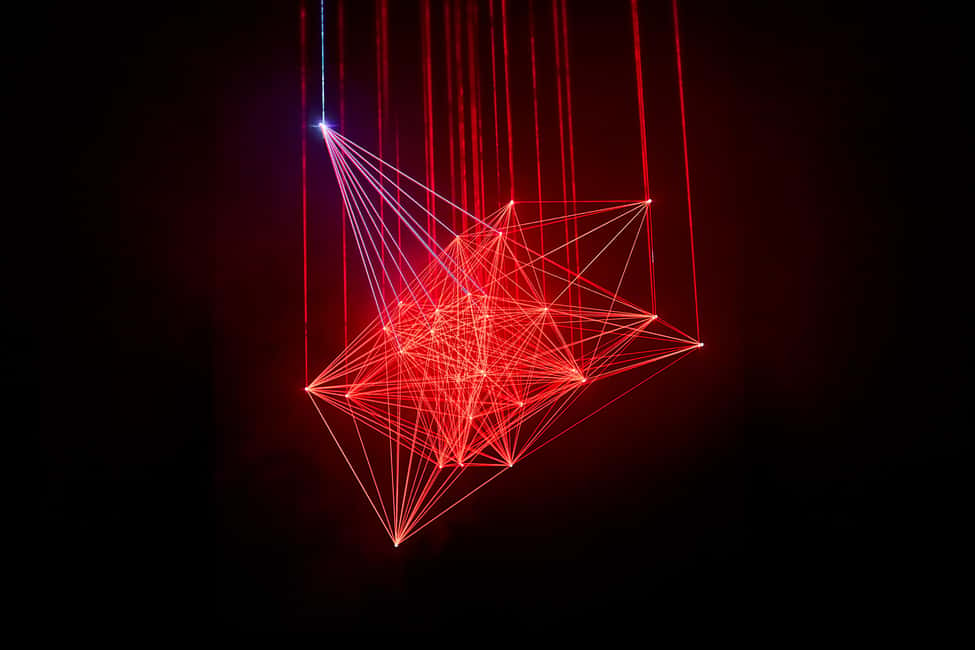
- Photo-friendly installations: you’ll see works designed for cameras, not just for looking.
- Adult-only section: part of the museum is marked for 18+.
- Big light-art names: you’ll get a chance to spot works connected to László Moholy-Nagy and Victor Vasarely.
- New-media formats: projection mapping, optical illusions, and site-specific light pieces keep the show moving.
From Farmers’ Market to Light Art Museum Hall
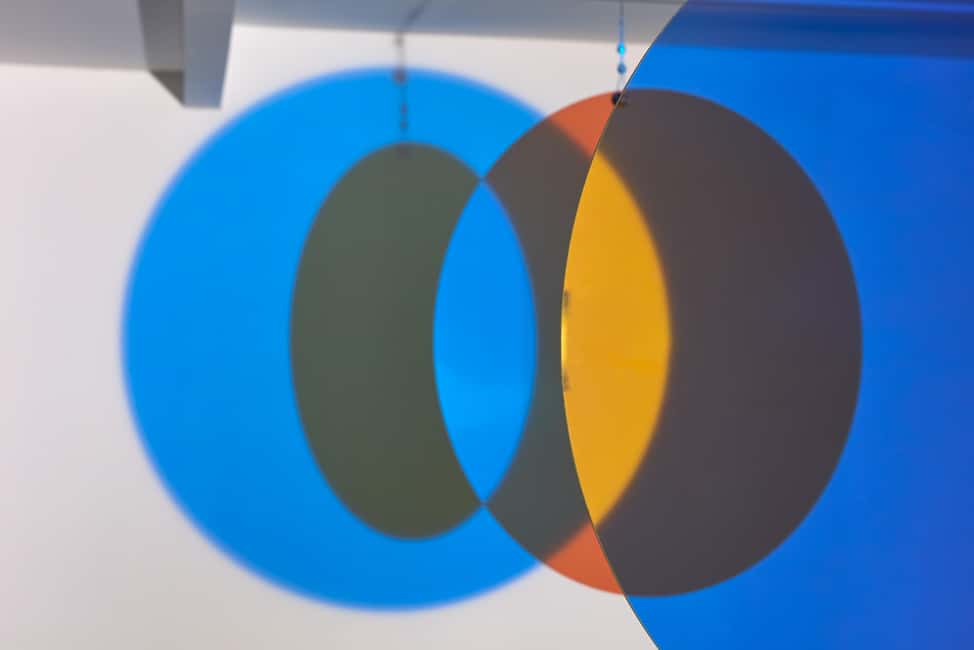
The Light Art Museum Budapest is housed in a former farmers’ market hall in the city center area of Central Hungary. That sounds like a detail you’d skip, but it’s the whole point. A traditional museum would put objects behind glass. Here, the room itself becomes part of the show, with light doing the heavy lifting across the space.
The ticket is timed by availability on a given day, and you get about 2 hours to explore. That’s a very workable window. You’re not signing up for an all-day commitment, and you still have enough time to pause, walk, and re-watch effects as your eyes adjust.
Also, this is contemporary art that uses light and technology as the medium. If you love art that plays tricks on perception, you’ll feel at home right away. If you want calm rooms and conventional displays, you may find some installations more interesting than others.
You can also read our reviews of more museum experiences in Budapest


Your Two Hours of Light, Color, and Optical Tricks
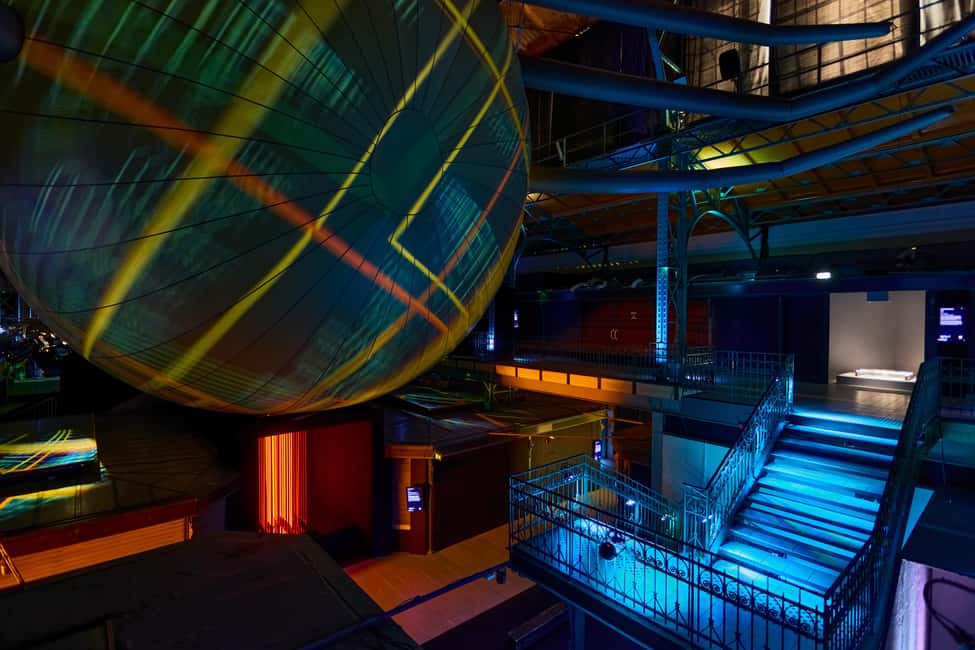
Your visit is basically a self-guided circuit through multiple light-based installations and interactive spaces. You start by stepping into a world of colored lighting and optical illusions designed to shift how you see the room.
The experience leans heavily on the idea of art-as-technology. That means you’ll spend time looking at how effects behave: how projections change, how color spreads, how your position affects what you perceive. It’s not just passive viewing. Even when the space isn’t asking you to touch something, it’s asking you to notice.
Here’s the best way to get value from the time you have:
- Take one slow lap first, so you know what’s where.
- Then do a second pass only on the installations that genuinely hold your attention.
- When you find a photo spot, give yourself an extra minute. Light art rewards patience.
A couple of exhibits are described as closed at times, and that’s the downside of any evolving museum setup. If several pieces happen to be offline, your walk-through can feel shorter than you hoped. Still, most setups are designed to stand on their own, so you’re rarely left with nothing to see.
Projection Mapping and New-Media Installations to Watch For
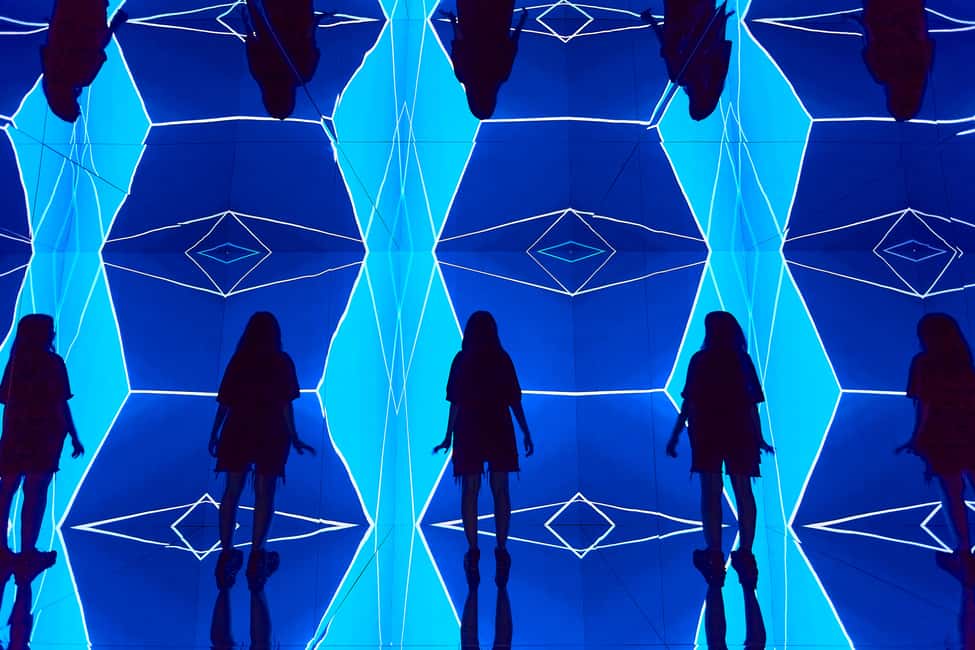
Light art here isn’t just colored walls. You’ll encounter projection mapping and other new-media formats that use the architecture as a screen. Some installations are designed for you to look up, some for you to look around, and some to get close enough that the light feels almost physical.
This is where the museum earns its popularity. Projection-based work creates motion without needing dancers or soundtracks. You get a sense of the art constantly recalculating itself as you move your body through the space.
I also like that the museum connects the visual experience to art-and-science ideas. Even if you don’t read every label carefully, the setups are built to communicate the “how” through the “wow.” You’ll likely leave thinking about perception, color, and pattern in a new way.
One practical note from how the experience has been described: information screens can sometimes switch language unexpectedly. If you want the English labels to stay readable, keep an eye out and be ready to move closer to a panel when it’s showing the language you need.
Air-Lock Dome and the Sphere: Photo Moments That Feel Physical
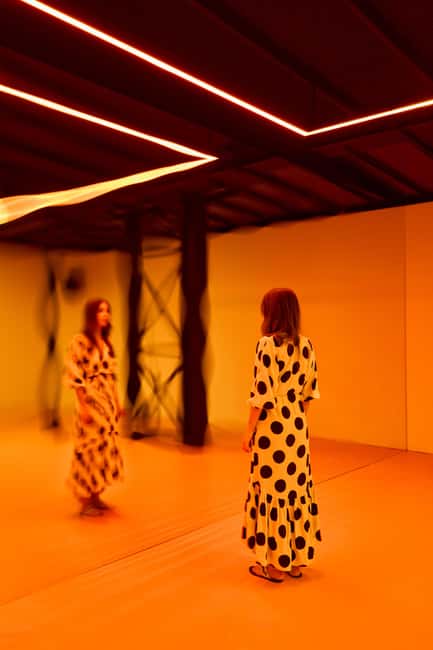
Some installations are the kind you only fully understand when you’re in the effect. The airlocked dome is one of those. The best way to experience it is to lie down and let the dome surround you. That simple change—your body position—turns it from a “cool structure” into a full-on sensory effect.
There’s also mention of a sphere installation that people describe as unbelievable. That tracks with the idea of light art behaving like a three-dimensional object. The attraction of spheres, domes, and enclosed setups is that light can wrap around you and create stronger optical illusions than a flat projection ever could.
Another fun detail: there’s even mention of a blimp-like piece. If you like quirky, surreal moments tucked into the broader light theme, this museum can deliver that kind of surprise.
If you’re booking for a group, these installations are great for splitting roles:
- One person spots the layout and moves you to the next stop.
- Another person handles photos.
- Someone else makes sure nobody gets left behind during the “lie down and watch” moments.
Art History Nerds: Moholy-Nagy and Vasarely Through Light
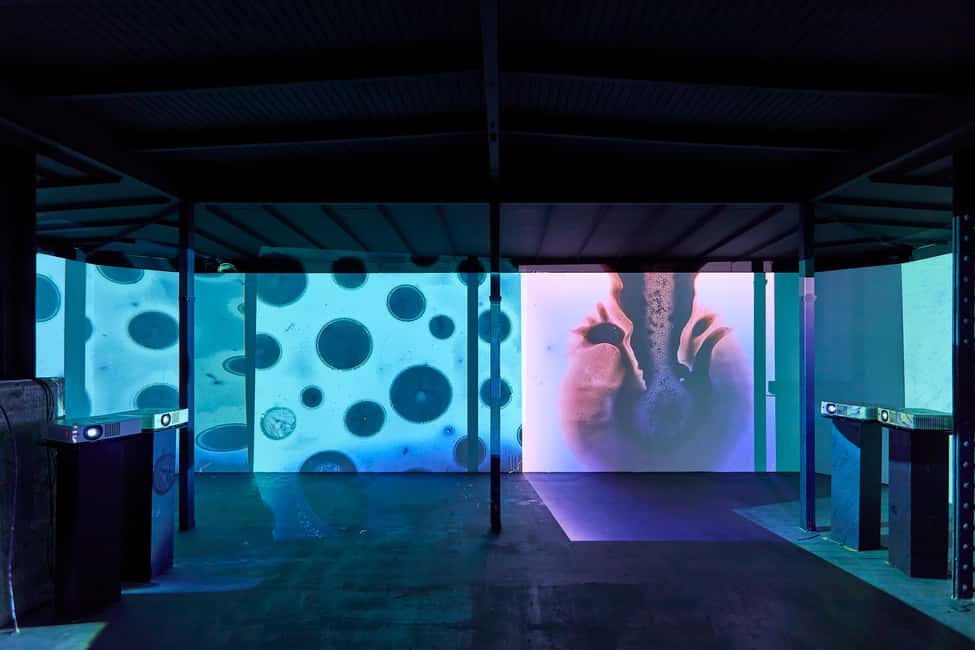
One reason I’d add this to a Budapest itinerary even if you’re not a modern art superfan: you can connect the visuals to major figures in light and optical art.
The museum highlights works associated with László Moholy-Nagy and Victor Vasarely. Moholy-Nagy is tied to early ideas about light, perception, and modern visual language. Vasarely is a key name for op-art, where patterns and geometry mess with what your eyes think they see.
What you gain from that context is a clearer reason behind the look of the installations. Even if you don’t memorize every date, you start noticing how the museum builds its effects from pattern, contrast, and rhythm.
If you like “I get it now” moments, arrive ready to pay attention to how the art uses:
- geometry and repeating shapes
- contrast and color transitions
- perspective shifts as you move
That makes the museum feel less like random lighting and more like a guided conversation.






Family Fit: Kids Love It, but the 18+ Zone Matters
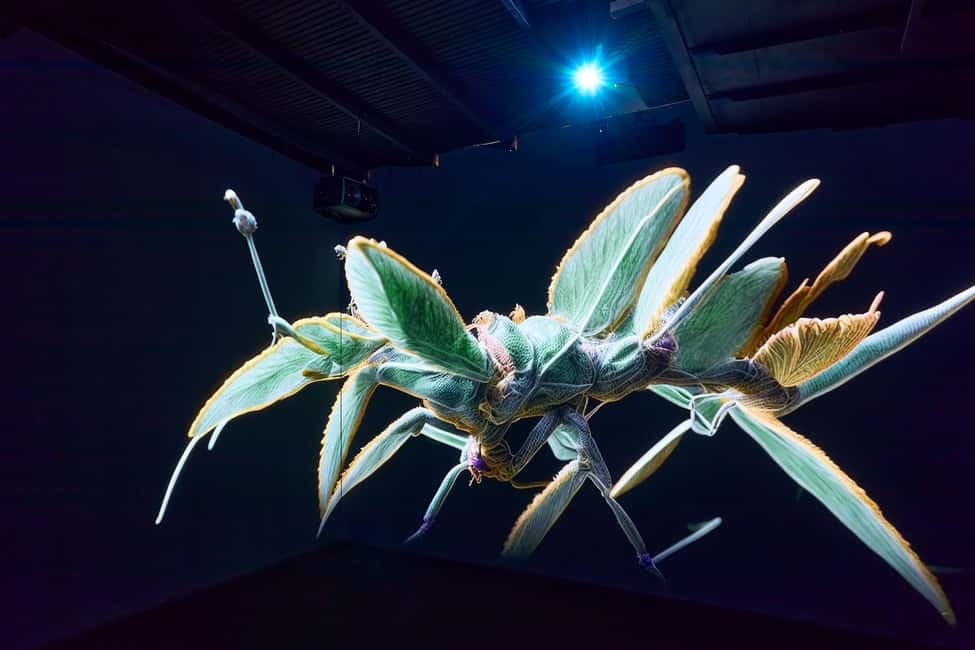
This is described as kid friendly, and the overall style is playful enough that young visitors often enjoy it right away. Interactive setups and the sheer look of the light effects can hold attention better than many conventional museum displays.
But there’s also an important caution: there’s a section specifically labeled for over 18s. That means families should expect to either avoid part of the museum or manage different comfort levels inside the same building.
My advice: if you’re traveling with kids, decide your “kid safety plan” before you enter:
- Focus on the installations that look fun and obvious first.
- Keep an eye out for any signage that indicates age restrictions.
- If you have older teens, they may handle the adult-labeled areas better than toddlers.
Also consider timing. If you visit when it’s less busy, kids usually do better because there’s less waiting and fewer people crowding the photo spots.
What Can Go Wrong: Crowds, Closed Works, and Flipping Info Screens
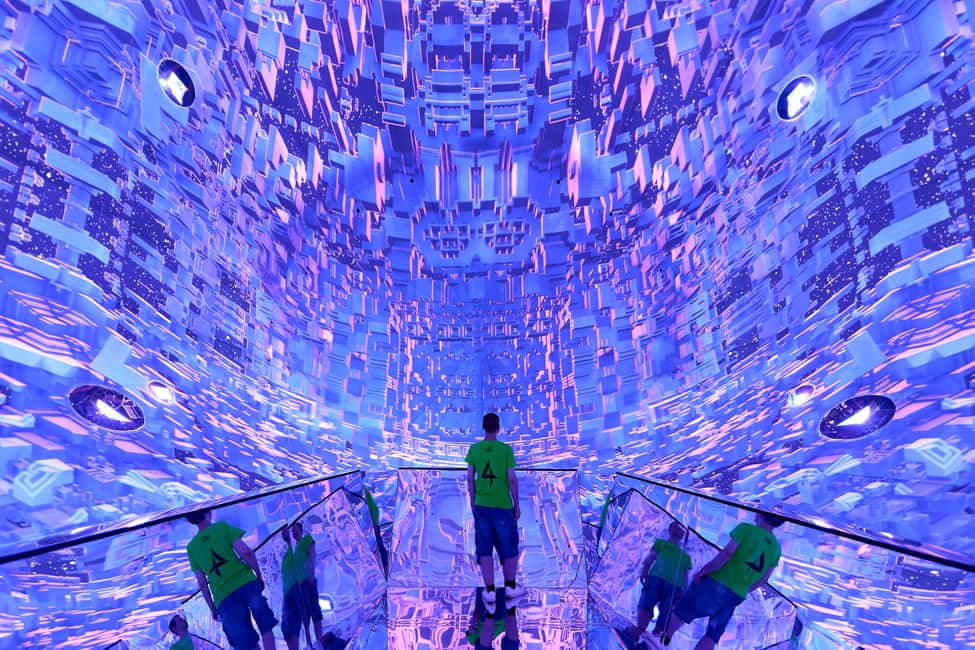
The best part of this museum, based on how the experience is described, is that it limits entry so it doesn’t become a crush. That’s a big deal in a light installation space, because crowded rooms make it harder to see details and harder to get photos without somebody standing in your frame.
Still, nothing is guaranteed. Some artworks can be closed on certain visits. If you come expecting a perfectly complete “full set” of installations, you might feel a bit disappointed if a portion of the circuit is unavailable.
Then there’s the practical irritation factor: the screens with information may sometimes change language. If you rely on English text for the meaning of each piece, stay flexible. Move closer when the language you want appears, or plan to focus more on the visual experience than on reading every label.
Finally, not every exhibit will land for everyone. One described concern is that a few pieces can feel vague or less impactful than others. That’s normal for any museum mixing interactive light with contemporary art. The payoff is that the stronger installations can be genuinely memorable.
Price and Value in Budapest
The ticket price is $18 per person, and you get access with skip-the-line. You also get about two hours to explore.
Is it expensive? In Budapest terms, $18 is a fair amount for a short, timed, high-impact experience where you’re not just looking at objects—you’re experiencing a show built from light, projections, and interactive setups. The key value is that you get a compact museum adventure that’s different from the city’s more traditional sights.
You should think of this as a “one good stop” rather than the centerpiece of your whole day. It’s ideal if you want variety: a contemporary art break in the middle of castles, churches, and river views.
If you’re traveling with family, the value can go up because kids and adults often enjoy different installations for different reasons. And if you’re a photo enthusiast, the camera-friendly nature can make the time feel extra worthwhile.
Practical Tips for a Smooth Visit Without a Tour Guide
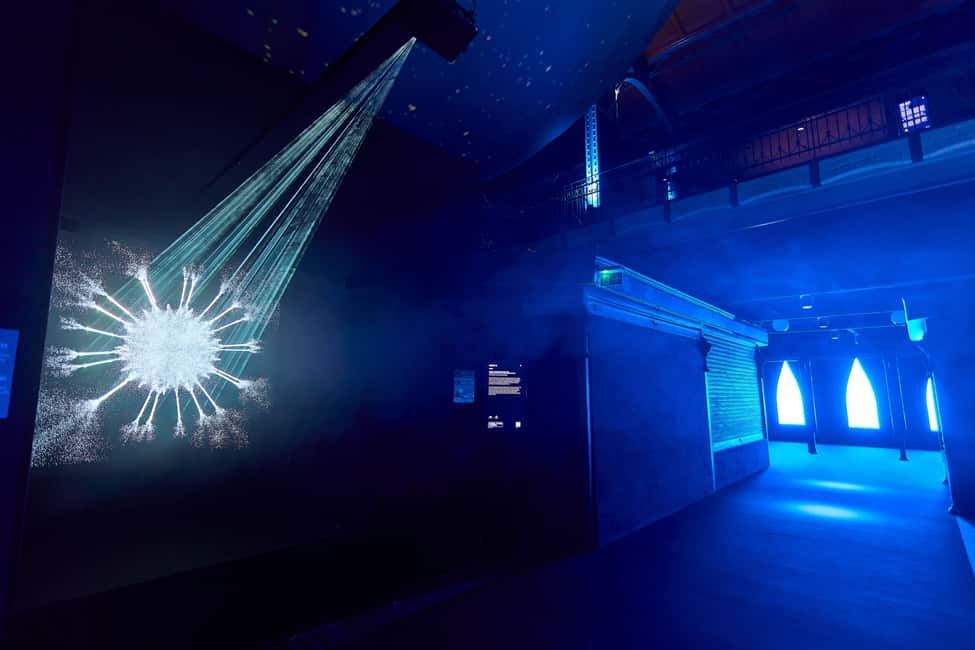
There’s no tour guide included. You’ll have admission and access, plus staff as hosts or greeters (English and Hungarian). That means you should go in with your own pace and curiosity.
Here are tips that help most people get more out of a self-guided light museum:
- Use the host to your advantage: if you want to skip the line, tell them at the start.
- Wear shoes you can stand in. Even if you’re not walking miles, you will be moving through a few distinct zones.
- Bring a phone for photos, but also take moments with your eyes only. Some optical effects look best before you start scanning through screens.
- If you’re sensitive to shifting projections, take breaks in quieter pockets rather than forcing the full loop.
Also, the museum is listed as having hosts or greeters who speak English and Hungarian. If you have any questions during the visit, you can reach out via phone during opening hours.
Should You Book Light Art Museum Budapest?
Book it if you want a modern, creative break that’s short, fun, and built for your senses. The top reasons to choose it are the hands-on light installations, the historic market setting, and the chance to see important light-art ideas tied to artists like László Moholy-Nagy and Victor Vasarely.
I’d hesitate if your travel style is strictly traditional museums, or if you’re bringing very young kids who can’t manage being near an 18+ labeled section. Also, if you’re the type who needs every exhibit to be your taste, remember that some pieces can be closed and some installations may land better than others.
If you’re planning a smart Budapest day, this fits nicely when you want something different from the usual landmarks, without committing your whole afternoon.
FAQ
How long is the Light Art Museum ticket valid for?
The ticket is valid for 1 day. The actual visit time is about 2 hours of exploration.
What’s included with admission?
Your admission ticket includes entry with a skip-the-line option and about 2 hours exploring light, art, science, and new media.
Do I need a tour guide?
No. A tour guide is not included. You’ll explore on your own with a host/greeter available.
Where does the experience start and end?
It starts at the meeting point, and it ends back at the meeting point.
What languages are available at the start of the visit?
The host or greeter provides English and Hungarian support.
How much does it cost?
The price is listed as $18 per person.