REVIEW · BUDAPEST
Budapest City Walk in Jewish Quarter
Book on Viator →Operated by Budapest Jewish Walk · Bookable on Viator
Budapest’s Jewish Quarter hits hard and human. In about four hours, you’ll move through one compact corner of Pest and see why this neighborhood still matters—synagogues, ghetto traces, memorials, and the everyday places locals use.
I love the story-first way this tour is built. You’re not just collecting dates; you’re getting a guide who explains the area’s history—especially during WWII—and ties it to what Budapest’s Jewish community is like now.
One thing to plan for: there’s moderate walking, plus synagogue visits may add entrance costs (up to €46 per person, with discounts if you qualify).
In This Review
- Key Highlights That Make This Walk Worth Your Time
- Why Budapest’s Jewish Quarter Works Best on Foot
- The City Walk Start: Pickup, Small Group Feel, and What That Changes
- The Synagogue Triangle: Kazinczy, Rumbach, and Dohány Street
- The trade-off
- Raoul Wallenberg Memorial Garden and the Emmanuel Tree
- Budapest Jewish Museum and Jewish Archives Exhibitions
- A small practical note
- Vasvári Street Synagogue and the Carl Lutz Memorial
- Stumbling Stones, WWII Ghetto Wall Remnants, and the Danube’s Shoes
- What to expect emotionally
- Local Life Stops: Gozsdu Courtyard, Shops, Cafés, and Ruin Bars
- Why this matters for your trip
- How the Timing Works: Four Hours, Flexible Pacing, and Smart Planning
- Moderate walking: what that means for most people
- Price and Value: $356.90 Per Group Up to 6
- Best Fit: Who Should Book This Jewish Quarter Walk
- Should You Book This Budapest Jewish Quarter City Walk?
- FAQ
- What’s the duration of the Budapest City Walk in the Jewish Quarter?
- How much does the tour cost?
- Is hotel pickup included?
- How many people are in the group?
- What sites does the tour cover?
- What’s included in the price?
- Are food and drinks included?
- Are there entrance fees?
- How much walking is involved?
- Is the tour only in English?
Key Highlights That Make This Walk Worth Your Time
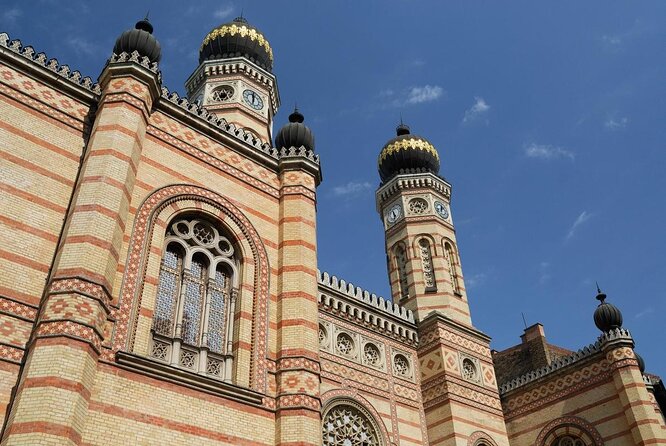
- Synagogue Triangle in one loop: Kazinczy, Rumbach, and Dohány Street Synagogue, seen with real context around them
- WWII memory you can stand in: the last remaining ghetto wall sections and the Shoes on the Danube
- Memorials with meaning: Raoul Wallenberg Memorial Garden and the Emmanuel tree
- Museum + archives focus: Budapest Jewish Museum and Jewish Archives exhibitions in the mix
- Local-life stops: places tied to courtyards, cafés, shops, and ruin bar culture like Szimpla
- Flexible pacing: you can spend more time on what you care about and skip less-relevant parts
Why Budapest’s Jewish Quarter Works Best on Foot
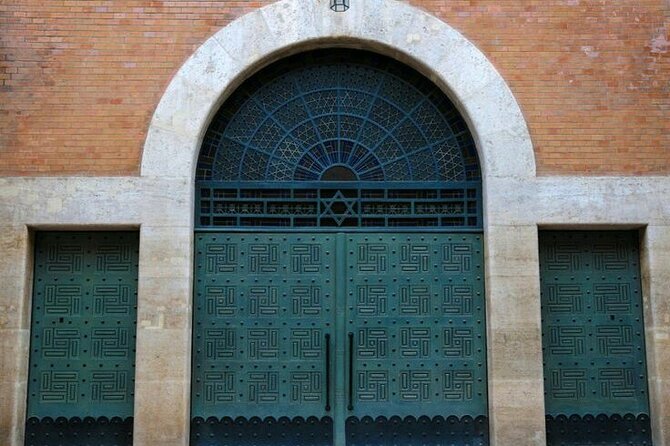
The Jewish Quarter in the 7th district (on Pest’s side) is compact. That’s exactly why walking makes sense here. You get the close-up feel of small streets, courtyards, and memorial markers—things you’d miss if you zip by on a bus.
This tour is designed for that “small area, big story” effect. You’ll see a heavy mix: major religious landmarks, quieter prayer houses, residential streets, and memorial places tied to World War II.
If you like history but don’t want a museum lecture vibe, this format is a good fit. You’ll get enough structure to stay oriented, then enough room to ask questions and adjust the pace.
You can also read our reviews of more walking tours in Budapest



The City Walk Start: Pickup, Small Group Feel, and What That Changes
Convenience matters on a half-day tour. You can get hotel pickup and drop-off, or a restaurant drop-off if you’re doing lunch or dinner plans. That reduces time spent hunting down transit and lets you start the walk already “in the story.”
The group size is limited: the experience is capped at a maximum of 10 travelers, and the pricing is listed per group up to 6. Either way, you’ll likely feel the difference versus large coach tours—more chances to ask follow-ups, and less time waiting for the slowest person to catch up.
You’ll also receive a mobile ticket, and the meeting point is straightforward: the lobby of your hotel or in front of your accommodation (including rented flats). It’s the kind of setup that keeps your first hour from feeling like logistics.
The Synagogue Triangle: Kazinczy, Rumbach, and Dohány Street
A big reason this tour stands out is that it connects the “synagogues you’ve heard of” with the surrounding neighborhood. You’ll focus on the synagogue triangle—Kazinczy, Rumbach, and the Dohány Street Synagogue—without treating them like isolated postcards.
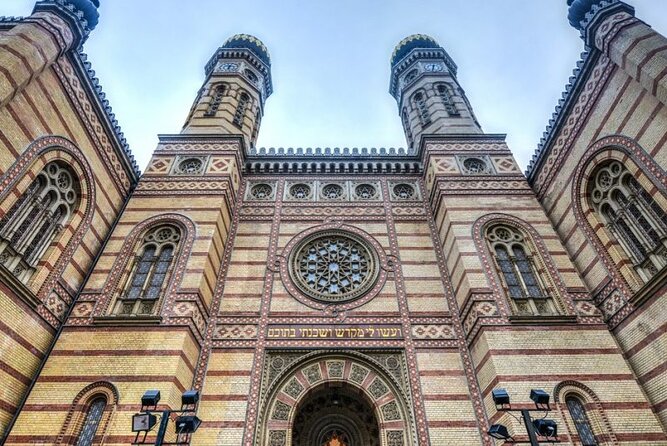
Dohány Street Synagogue is the headline, and it’s also a gateway into the broader story: Jewish religious life in Budapest, how the community took shape over time, and what changed in the WWII era. The guide’s job here is to help you read the building and the street it sits on.
Kazinczy and Rumbach come next, and that’s where you often get a more layered view. These are not all the same in scale or style, and the differences help you understand the neighborhood as a living network of Jewish institutions—not one monolith.
One detail I think you’ll appreciate: you can also encounter the mikveh in Kazinczy Street as part of the walk. That’s the kind of stop that reminds you these places weren’t only about visitors and tourists—they were part of daily life and practice.
The trade-off
Synagogues can involve entrance fees not included in the price. The listing notes an additional total cost up to €46 per person, with discounts if you qualify (like family or senior rates). If you’re the type who wants to see everything, budget a little extra.
Raoul Wallenberg Memorial Garden and the Emmanuel Tree
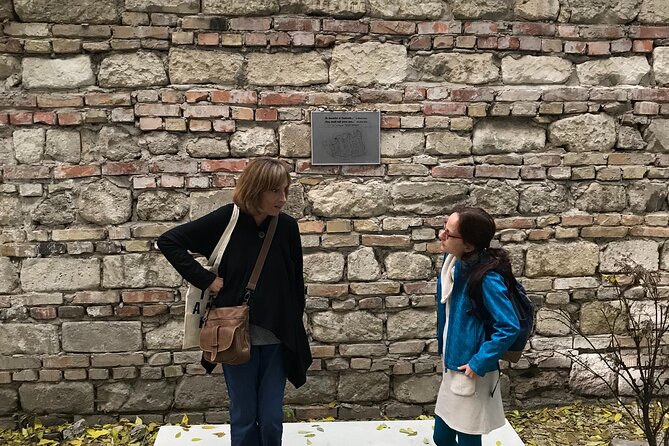
After you’ve built context through the synagogues, the memorial stops hit differently. The tour includes the Raoul Wallenberg Memorial Garden, including the touching Emmanuel tree.
This is one of those moments where a guide can do a lot of heavy lifting—explaining not just what the site is, but why it exists. You’re not expected to absorb it like a signboard. You’re meant to stand there with the story in your head.
If you’re sensitive to WWII themes, don’t skip this section. It gives the walk emotional balance: you come to understand the tragedy, but you also see the idea of rescue, survival, and community resilience.
You can also read our reviews of more city tours in Budapest




Budapest Jewish Museum and Jewish Archives Exhibitions
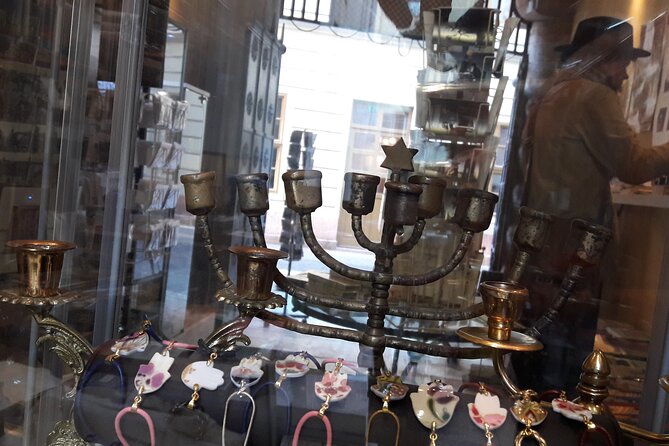
Next up is the culture-and-memory layer: the Budapest Jewish Museum and exhibitions connected to the Jewish Archives.
Think of this part as your “slow down” area. Even if you’re walking most of the time, museum stops give your brain a breather. And for history-minded visitors, archives are where the story becomes specific—names, documents, and the real texture of lived experience.
This is also where the guide’s storytelling style matters. The best tours don’t just point at objects; they help you understand what you’re looking at and why it’s there.
A small practical note
Museum and archive time can shift based on your interests. The tour is described as flexible, so if you want more time here, you can ask. If you want to keep moving, you can usually adjust as well.
Vasvári Street Synagogue and the Carl Lutz Memorial
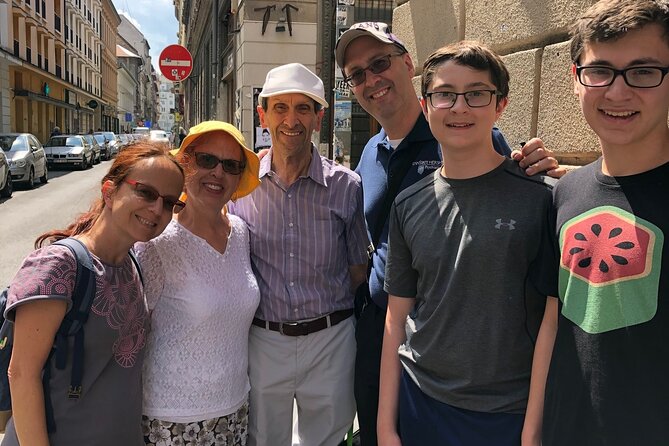
Two more names you’ll hear on the route are the Vasvári Street Synagogue and the Carl Lutz Memorial. These stops help the walk stay broader than the big, famous attractions.
Vasvári adds variety. Even if you’ve visited one synagogue elsewhere in Europe, you’ll still be learning here. Budapest’s Jewish Quarter isn’t a single “one style” experience—it’s a range of religious spaces and community needs over time.
Carl Lutz’s memorial offers another perspective on WWII rescue efforts. The inclusion of multiple memorials (not just one) helps you understand the neighborhood as a place where life was disrupted, but also where people fought for others.
If you’re the type who likes a clear takeaway, here’s a good one: you’ll see how the story spreads across religious sites and memorials, not only through one chapter.
Stumbling Stones, WWII Ghetto Wall Remnants, and the Danube’s Shoes
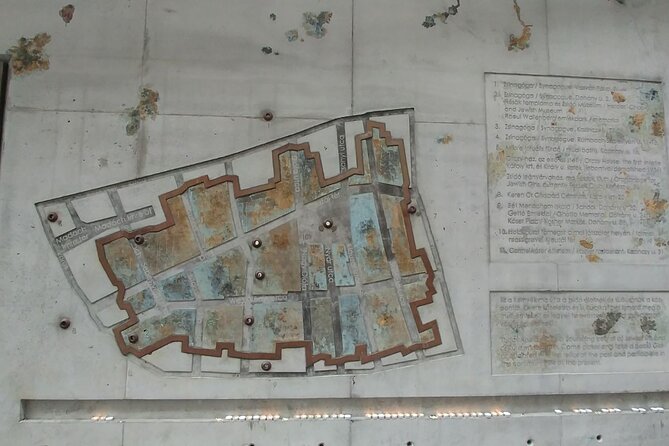
This is the hardest stretch of the walk. You’ll encounter stumbling stones across the quarter’s streets, plus the last remaining part of the WWII ghetto wall.
Stumbling stones are not “background decor.” They’re markers tied to individual lives and to the way memory is placed into everyday paths. Seeing them while you’re walking helps them feel less like history homework and more like you’re traveling through a lived landscape.
Then you reach the iconic Shoes Monument on the riverbank of the Danube. The Danube area adds a different kind of scale. You go from intimate street-level memory to a public landmark tied to a brutal chapter of WWII.
What to expect emotionally
This portion can feel heavy. That’s normal. If you want a smoother pace, you can ask for a break. The tour notes a moderate walking level and that you can request pauses.
Local Life Stops: Gozsdu Courtyard, Shops, Cafés, and Ruin Bars
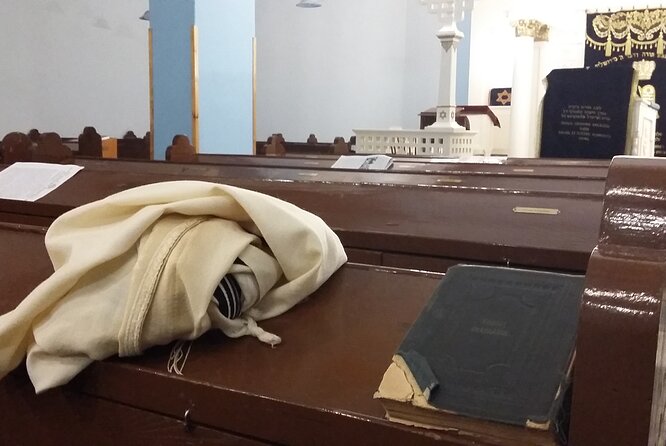
Here’s the part I really like for everyday travelers: you don’t finish the tour only thinking about suffering. You also see how people live here now.
The walk includes places used by locals, including Gozsdu Courtyard, plus little shops, eateries, and confectioneries. You’ll also encounter an art gallery feel and even festival scenes in the right season.
Old and newly opened cafés show up along the way too, which helps you connect the neighborhood’s past to current rhythms. The tour also includes the mikveh stop (as mentioned earlier) and the broader street-scene context around it.
And yes, ruin bars are part of the atmosphere—specifically the iconic Szimpla. This doesn’t erase the darker parts of the story. It just shows what the neighborhood has become: a place where community life continues in new forms.
Why this matters for your trip
If all you do in Budapest is hit the main sights, you’ll leave feeling like you visited a city. This kind of walk helps you feel like you understood a neighborhood. It gives you the “where to return for a coffee” instinct too.
How the Timing Works: Four Hours, Flexible Pacing, and Smart Planning
This tour runs about four hours. The listing notes daily availability in the given date range, and the opening hours window is listed as Monday 9:00 AM–2:00 PM within the broader date range.
Because the itinerary is described as highly flexible, the exact order and time at each stop can shift depending on your interests. If you want more time at memorials, you can lean that way. If synagogues are your priority, you can focus there.
That flexibility is useful for couples, families with teens, and anyone who doesn’t want to feel trapped in a rigid checklist.
Moderate walking: what that means for most people
Moderate walking doesn’t mean easy sidewalks only. Expect to move through a compact area on foot, with periods of standing and changing streets. You can ask for breaks, and the tour notes you should have a moderate physical fitness level.
Bring a hat/cap and scarf if you don’t want to use pieces provided by the synagogues. Dress code is real here, but it’s also manageable.
Price and Value: $356.90 Per Group Up to 6
At $356.90 per group (up to 6), you should think of this tour as a “buy back your time” experience. Hotel pickup and drop-off are included, plus a professional, licensed local guide.
If your group is full, the math works out to roughly $59 per person for the guide + tour structure before any synagogue entrance fees. If your group is smaller, the per-person cost rises—but you still get the small-group attention and pacing.
Entrance fees are not included, with an additional cost up to €46 per person noted. Food and drinks are also not included, but kosher meals/snacks can be arranged if required, and the guide can recommend and even help book a table.
In other words, you’re paying for:
- a guide who can explain the WWII context clearly
- a walking route that links major sites with neighborhood life
- convenience through pickup/drop-off
That combination is where the value usually shows up.
Best Fit: Who Should Book This Jewish Quarter Walk
This tour is a great match if you want a serious historical framework without feeling like you’re sitting in one place for four hours.
You’ll also enjoy it if you like:
- synagogues and Jewish cultural sites
- WWII-era memorials and ghetto history explained in context
- getting practical ideas for how to spend the rest of your Budapest time
It’s also a good fit for families with teens who can handle complex topics but still want a guided, narrative flow. The guide style described in past tours is conversational and question-friendly, which helps keep younger travelers engaged.
If you strongly dislike walking, or you want a strictly relaxed sightseeing pace with minimal standing, this might feel like more movement than you want. In that case, you could consider a lighter option or be ready to request breaks.
Should You Book This Budapest Jewish Quarter City Walk?
I’d book it if you want the Jewish Quarter to make sense beyond the big-name landmarks. The best part is the blend: you get synagogues like Kazinczy, Rumbach, and Dohány Street, then you move into memorials like Raoul Wallenberg and Carl Lutz, and you end with the Shoes Monument on the Danube. Along the way, you also see how locals actually occupy courtyards, cafés, and even ruin bars like Szimpla.
Also, the small-group structure and hotel pickup are real travel wins. They reduce friction, so you start the walk focused on the story.
If you go, plan for entrance fees at synagogues and wear comfortable shoes. Bring a scarf/hat if you prefer your own. Then let the guide steer you through a neighborhood that carries memory in both stone and street life.
FAQ
What’s the duration of the Budapest City Walk in the Jewish Quarter?
It’s about 4 hours (approx.).
How much does the tour cost?
The price is $356.90 per group (up to 6).
Is hotel pickup included?
Yes. Hotel pickup and drop-off are offered for added convenience (or restaurant drop-off for lunch/dinner).
How many people are in the group?
The experience has a maximum of 10 travelers.
What sites does the tour cover?
You’ll see a range of places in the Jewish Quarter, including synagogues (Kazinczy, Rumbach, Dohány Street, and Vasvári Street), memorials (Raoul Wallenberg Memorial Garden and Carl Lutz Memorial), the Jewish Museum and Jewish Archives exhibitions, stumbling stones, the last remaining part of the WWII ghetto wall, and the Shoes Monument on the Danube.
What’s included in the price?
Included are a professional licensed local guide, hotel pickup and drop-off (or restaurant drop-off), and the guide’s help recommending and booking a table. Kosher meals/snacks can also be arranged if required.
Are food and drinks included?
No. Food and drinks are not included.
Are there entrance fees?
Entrance fees are not included. The maximum additional cost for entrance fees is given as €46.00 per person, and you may be able to get discounted prices for certain visitors. You can choose to visit one synagogue only.
How much walking is involved?
There is a moderate amount of walking. You can always ask for a break, and travelers should have a moderate physical fitness level.
Is the tour only in English?
Yes, it’s offered in English.