REVIEW · BUDAPEST
Authentic Jewish Cooking Class by a Professional chef
Book on Viator →Operated by Flavors of Budapest · Bookable on Viator
Food lessons are better when you make them.
This hands-on Budapest class turns you into the cook for a traditional 3-course Jewish meal (starter, main, dessert), with stories about Central European Jewish life along the way. I like that you get full, practical guidance from chef Marti as you actually do the prep and cooking, not just watch.
Two things I really like: the class stays hands-on with you mixing, shaping, and cooking throughout, and you take home English recipes plus you get to taste everything together at the end. The one possible drawback is that it is not kosher and the menu includes pork-free Jewish dishes using typical ingredients you should expect to match Hungarian/Jewish home cooking, so if you follow specific religious rules, you’ll want to check details when booking.
In This Review
- Key Things You’ll Do (and Why They Matter)
- A Budapest Cooking Class That Feels Like Someone’s Kitchen
- What’s Included (So You Don’t Get Surprised Mid-Class)
- The menu (exact dishes you’ll make)
- The 4-Hour Flow: How the Class Usually Unfolds
- Starter: Jewish Egg Paté with Challah (Salty, Creamy, Comforting)
- What to pay attention to while you cook
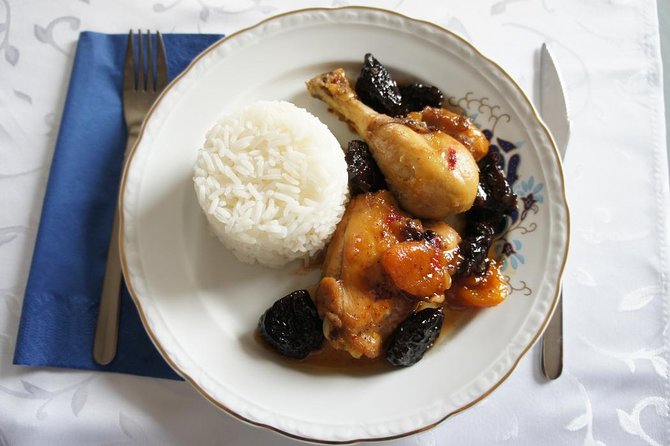
- Main Course: Honey Chicken with Dried Plum and Apricot + Rice
- Pairing matters: honey, fruit, and plain rice
- Dessert: Rugelach (The Small Crescent That Disappears)
- Why rugelach works in a cooking class
- The Cultural Layer: Jewish Life and Central Europe Stories
- Drinks and Eating Together: More Than a Token Tasting
- Location and Meeting Point: Simple Start, No Chaos
- Group Size: Why Up to 8 People Is Better
- Price and Value: What $119.21 Really Covers
- Who This Cooking Class Is Best For
- Should You Book It? My Take
- FAQ
- How long is the cooking class in Budapest?
- Is the class offered in English?
- What menu will I cook during the class?
- Is the food kosher?
- Does the class include drinks?
- Do I get hotel pickup and drop-off?
- Can I choose between a morning and an afternoon time?
Key Things You’ll Do (and Why They Matter)
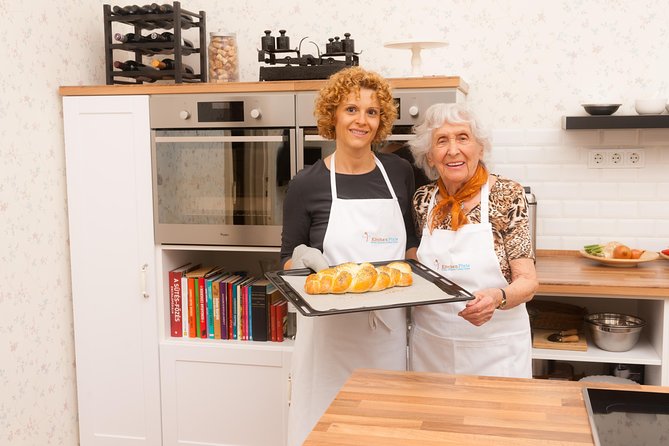
- Cook a full 3-course menu: egg paté with challah, honey chicken with dried fruits and rice, plus rugelach.
- Learn by doing, with chef Marti guiding you step-by-step, so you’re not stuck waiting your turn.
- Enjoy a friendly, non-basement setting with a cosy atmosphere rather than a cramped back room.
- Drink like a local: Palinka fruit brandy, Hungarian wine, homemade soft drinks, plus tea/coffee.
- Go home with recipes in English for the dishes you made.
- Small group size up to 8, which usually means more attention and easier questions.
A Budapest Cooking Class That Feels Like Someone’s Kitchen
Budapest has plenty of food tours, but this one is different. Instead of walking around and collecting bites, you create the meal yourself—starter, main, and dessert—under the guidance of a professional chef.
What you’re really buying is time and comfort. The class runs about 4 hours, you choose the time that fits your day (morning or afternoon), and you’re not juggling ingredients or equipment. By the end, you’ll eat what you made, with drinks flowing and recipes packaged so you can recreate it later.
You can also read our reviews of more cooking classes in Budapest


What’s Included (So You Don’t Get Surprised Mid-Class)
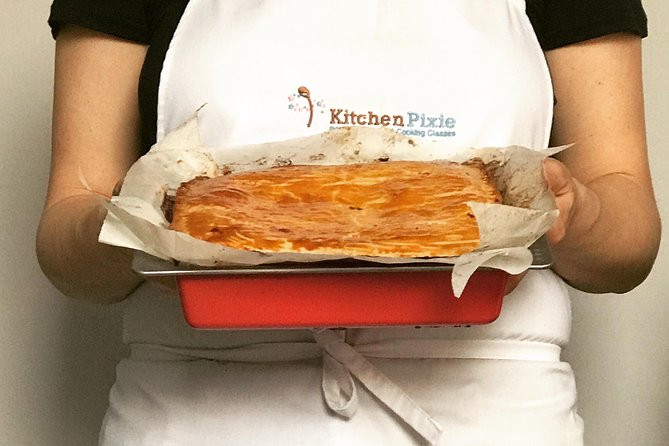
The inclusions here are unusually clear, and that matters because cooking classes can get vague. You get everything needed to cook: all ingredients, the kitchen pots and equipment, and even the apron. You also get the recipes in English to take home, so you can repeat the results instead of remembering only the taste.
On top of that, the experience includes more than just meal-making. You’ll start with a Jewish welcome snack, and you’ll also have drinks during the session: Palinka (fruit brandy), 2 dl Hungarian wine, homemade soft drinks, mineral water, and tea and coffee. At the end, you sit down together and eat.
The menu (exact dishes you’ll make)
Starter: Jewish egg paté with challah
Main: Honey chicken with dried plum and apricot + boiled rice
Dessert: Rugelach
The 4-Hour Flow: How the Class Usually Unfolds

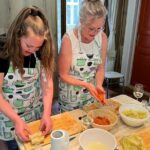
You’re in the kitchen for about four hours, and it’s structured so you don’t feel like a passenger. The pace is built around a simple cycle: learn the step, then do it. That’s a big deal if you’ve ever taken a class where the chef cooks and you stir once.
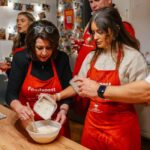
Chef Marti’s approach is hands-on. She shows you what to do, then you take over the mixing, kneading, or stirring. If you’re worried about not being a confident cook, this style is exactly what you want. You’ll still rely on her guidance, but you won’t spend most of the time watching.
Starter: Jewish Egg Paté with Challah (Salty, Creamy, Comforting)
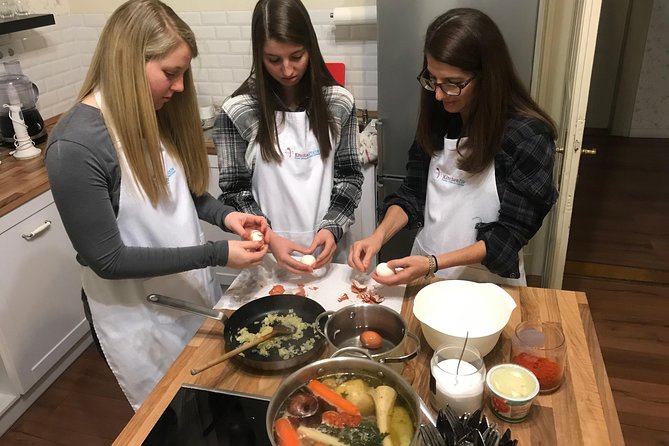
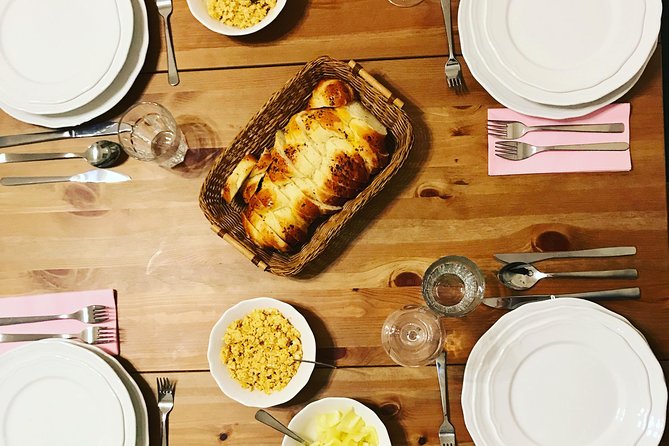
This starter is classic Jewish home-style cooking: egg paté with challah. The egg part is creamy and spreadable, and the challah brings bread sweetness and comfort to the table.
Challah is a braided Jewish bread, and here it’s served with a soft egg cream. Even if you’ve tasted challah before, making it as part of a starter meal gives you a better sense of how the texture and richness work together.
You can also read our reviews of more tours and experiences in Budapest




What to pay attention to while you cook
You’ll learn the rhythm of paté-style prep—mixing and getting the right texture for serving. This part tends to be a confidence builder because the ingredients are straightforward and the result is immediately useful: once it’s ready, it becomes a real bite, not just a lesson.
Main Course: Honey Chicken with Dried Plum and Apricot + Rice
The main dish is where this class gets especially memorable. Honey chicken is sweet and savory at the same time, and the dried fruits—plum and apricot—bring a deeper, almost caramel-like complexity.
This dish is traditionally made for Rosh Hashanah, when families eat honey and other sweets as a wish for a lucky year. So the food isn’t just delicious—it’s also a story you can taste.
Pairing matters: honey, fruit, and plain rice
The menu includes boiled rice for a reason. Rice gives the honey sauce somewhere to land without overwhelming the palate. You get contrast: the sticky-sweet flavor of the chicken and dried fruit against the neutral base of the rice.
If you like meals that are comforting but not heavy, this is the one that often makes people leave thinking, I could make that at home.
Dessert: Rugelach (The Small Crescent That Disappears)
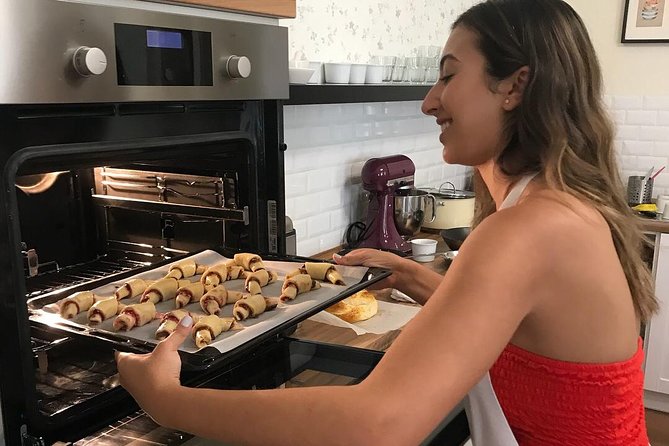
Rugelach is a Hanukkah dessert, and this version is made in a way that feels very modern and very satisfying: today it’s typically made with cream cheese, which makes the pastry tender and rich.
The finished dessert is shaped into small crescents. That shape is practical too—you get portion-size sweets that are easy to share during a class meal. And because it’s small, you can taste it without feeling overloaded, even if you’ve already had paté and chicken.
Why rugelach works in a cooking class
Rugelach is a great “capstone” dish because it has a clear before-and-after. You’ll see the dough come together, shape it, and then eat the result together. It’s the kind of dessert that makes people start talking during cleanup, which is always a good sign.
The Cultural Layer: Jewish Life and Central Europe Stories
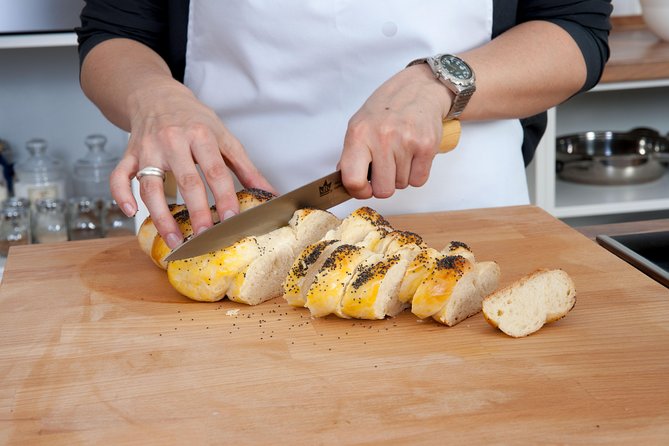
A cooking class that only teaches food can feel like a chore. Here, the chef also shares information and stories about the history of Central European Jews and about Jewish life in Budapest.
That storytelling matters for two reasons. First, it explains why certain flavors show up at certain holidays—like honey for Rosh Hashanah and rugelach for Hanukkah. Second, it turns the meal into a living tradition instead of a list of steps.
You’ll also get to hear context as you cook, which helps the flavors make more sense while you’re working. It’s easier to remember a technique when you also know what role it played at a table.
Drinks and Eating Together: More Than a Token Tasting
This is not just a quick sampling of one course and a photo. You get a food tasting with local ingredients, and drinks are part of the rhythm of the evening or morning session.
You’ll have:
- Palinka, a fruit brandy
- Hungarian wine (2 dl)
- Homemade soft drinks
- Mineral water
- Tea and coffee
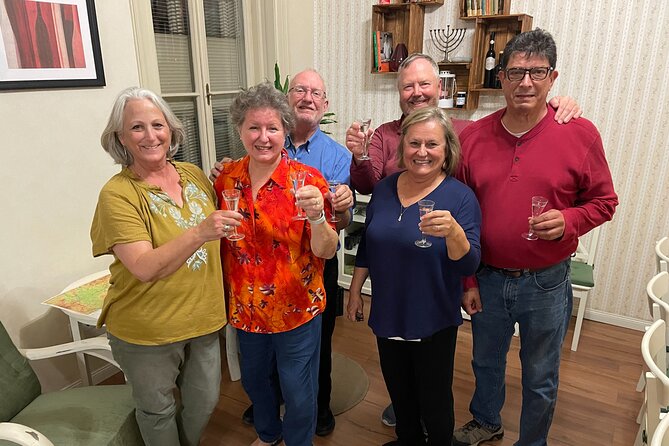
At the end, you eat what you cooked. That’s when the class clicks. You taste each course with the actual flavor profile you worked for, and you can compare what you made to what you remember from eating out.
Location and Meeting Point: Simple Start, No Chaos
The activity starts at Budapest, Király u. 77, 1077 Hungary. It ends back at the meeting point. There’s also hassle-free pickup and drop-off by taxi from your Budapest hotel, included.
That hotel pickup is more valuable than it sounds. Budapest can be easy to explore on foot, but a timed cooking class wants you to arrive calm and on time. Having the transfer handled means you spend your energy on the kitchen, not on navigating.
Also, the class is described as taking place in a cosy atmosphere that is not a basement room. If you’ve ever sat in a dull, damp-looking space for a food activity, this matters.
Group Size: Why Up to 8 People Is Better
The class maxes out at 8 travelers. That small group size usually makes a noticeable difference: you’ll be able to ask questions without shouting across a room, and the chef can keep an eye on technique.
In practical terms, small groups often mean you get more chances to actually do the work—rather than waiting for a turn. If you’re going with a friend, this still works well. If you’re going solo, it’s friendly without being crowded.
Price and Value: What $119.21 Really Covers
At $119.21 per person, you’re paying for a full half-day experience with real costs covered upfront. The big value pieces are:
- 4 hours of guided cooking with a professional chef
- 3-course meal you make and eat (not just samples)
- All ingredients and kitchen equipment, plus apron
- English recipes you can take home
- Drinks (Palinka, Hungarian wine, soft drinks, water, plus tea/coffee)
- Taxi pickup and drop-off from your hotel
If you price it out separately, the combination of chef time + ingredients + drinks + private-ish taxi logistics adds up quickly. You also get something many classes don’t offer: a recipe packet in English so you’re not stuck “recreating from memory” like a hope-and-pray experiment.
Who This Cooking Class Is Best For
This class is a strong fit if you:
- want a hands-on food experience in Budapest that goes beyond sightseeing
- like Jewish cooking stories tied to holidays and everyday life
- enjoy practical, step-by-step teaching
It’s also a good choice if you’re traveling with someone who doesn’t cook much. The class format is built for beginners who still want to feel capable by the end.
If you’re very strict about dietary laws or religious kosher standards, the experience states the dishes are not kosher, so ask questions during booking.
Should You Book It? My Take
Book this class if you want a memorable meal and a real skill you can repeat at home. The value is strong because you’re not just tasting food—you’re making three dishes, learning techniques, and getting the recipes in English to back it up.
If you hate cooking activities where you mostly watch, you’ll likely enjoy this one more than most. The teaching style is set up so you do the work, with chef Marti stepping in to guide you when needed.
The only reason to hesitate is if you need kosher-only ingredients or have tight dietary constraints that aren’t addressed in the booking details. Otherwise, this is a reliable, satisfying Budapest experience.
FAQ
How long is the cooking class in Budapest?
It lasts about 4 hours.
Is the class offered in English?
Yes, it is offered in English.
What menu will I cook during the class?
You will make a 3-course menu: egg paté with challah (starter), honey chicken with dried plum and apricot plus boiled rice (main), and rugelach (dessert).
Is the food kosher?
The dishes are not kosher.
Does the class include drinks?
Yes. You’ll have Palinka, Hungarian wine, homemade soft drinks, mineral water, and tea and coffee.
Do I get hotel pickup and drop-off?
Yes. Taxi pickup and drop-off from your Budapest hotel is included.
Can I choose between a morning and an afternoon time?
Yes. You can choose the class time that works best for you in the morning or afternoon.
If you tell me your travel dates and whether you’re going morning or afternoon, I can help you plan what to do before and after the class so your day flows smoothly.