REVIEW · BUDAPEST
Budapest Jewish Cuisine & Culture Walk
Book on Viator →Operated by Taste Hungary · Bookable on Viator
Budapest’s Jewish quarter tells two stories at once. You get the WWII memory of the old ghetto and the down-to-earth joy of Jewish food in a small-group walk, with flodni and other tastings that actually teach you what Hungarians ate and why. One thing to plan for: entry fees to the Dohány Grand Synagogue are not included, so the building you see from outside may cost extra if you want to go inside.
What I like about this tour is the balance. You’ll see WWII memorials and learn how that neighborhood reshaped itself into today’s culture-and-food scene, then you’ll keep eating: pastries like turos taska, savory bites, and a proper lunch with wine plus kosher pálinka later. The pace is easy enough for most people, but do bring comfy shoes and expect a lot of walking through historic streets.
In This Review
- Key points worth your attention
- Seventh District: where Budapest’s Jewish story still shows
- 11:00 start at Madách Imre tér, and how long it really takes
- The Dohány Street Synagogue exterior and WWII memorial stops
- Food tastings that teach Jewish-Hungarian cooking, not just snack shopping
- Pastries: turos taska and flodni
- Savory bites: goose and sausage flavors
- What varies by day
- Lunch in Budapest: solet and goose soup with wine
- Coffee and kosher pálinka: the end stop that feels like Budapest
- Small-group guiding: why the food stories land better
- Price and value: what $155 buys you (and what it does not)
- Who should book this Jewish cuisine and culture walk
- My decision guide: should you book
- FAQ
- What is the duration of the Budapest Jewish Cuisine & Culture Walk?
- Where is the meeting point, and when does the tour start?
- How many people are on the tour?
- Is the tour offered in English?
- What’s included in the price?
- Are Dohány Grand Synagogue entrance fees included?
- Can I request dietary requirements?
- Is the tour generally accessible for most people?
- What happens if the tour is canceled due to minimum numbers?
- Is the booking refundable or changeable?
Key points worth your attention
- Small-group feel (max 8, often kept to 6) for more Q&A and tighter guiding.
- WWII memorial context paired with food stops, so it is not just eating for eating’s sake.
- Dohány Street Synagogue sights with exterior views and important local landmarks on the route.
- Jewish-Hungarian flavors you can name: flodni, turos taska, solet, goose soup.
- Lunch plus drinks built in, including wine and kosher pálinka at the end.
- Guides vary by day, and some have been led by people like Orsi, Anna, Andrew, Eszther, Elza, Dora, and Daniel in past runs.
Seventh District: where Budapest’s Jewish story still shows
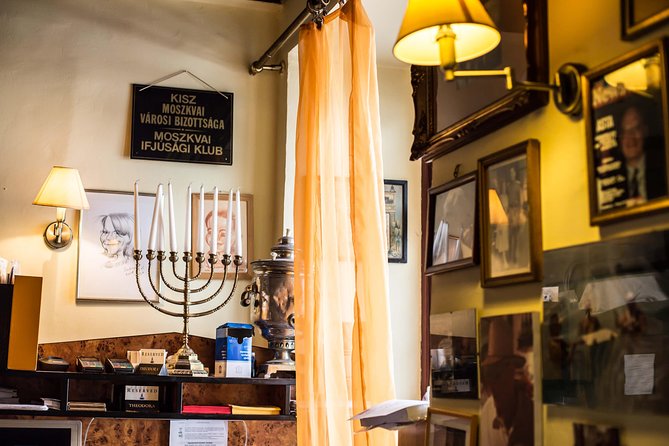
Budapest’s Seventh District has a “now and then” effect. You walk past neoclassical facades and synagogues, then hit memorials that stop you in your tracks. During WWII, this area became the Jewish ghetto, and the neighborhood’s story did not end when the war did. The surviving community helped shape what became today’s Budapest Jewish life, including the modern restaurant and bar scene that locals and visitors enjoy.
The tour keeps that contrast front and center. You are not just checking off landmarks. You are connecting them to the food you are about to eat. When you taste dishes tied to Jewish culinary traditions, the history on the street starts to make more sense. That pairing is what turns a “food walk” into a full cultural visit.
You can also read our reviews of more walking tours in Budapest



11:00 start at Madách Imre tér, and how long it really takes
Your tour meets in the Seventh District at Madách Imre tér and starts at 11:00 am. It ends back at the same meeting point. The scheduled time is about 4 hours, and most days it fits that. That said, some runs can stretch closer to 5–6 hours depending on the day and the group pace.
This matters because the itinerary is built around multiple stops: snacks along the way, then a traditional lunch, then a final drinks stop. If you treat it like a quick stroll, you’ll miss the rhythm. If you treat it like a half-day plan, you’ll be glad you did it.
You also get a practical advantage: the route is near public transportation. So if you want to pair it with a morning of sightseeing or keep your afternoon free, it is workable.
The Dohány Street Synagogue exterior and WWII memorial stops
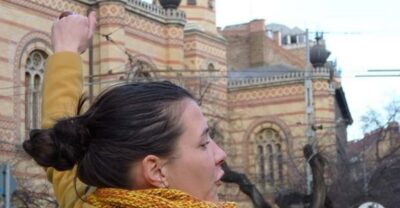
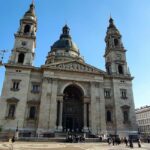
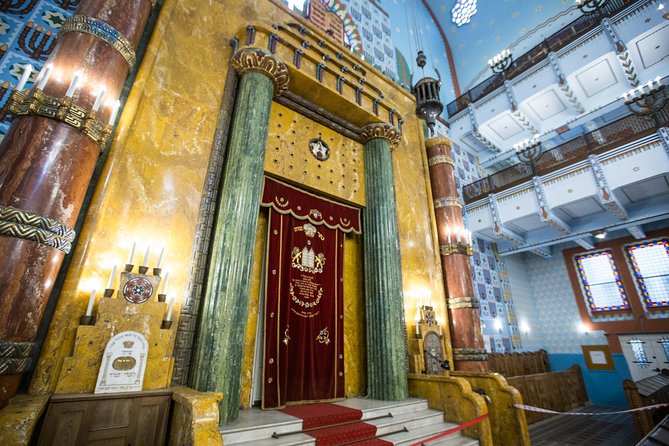
One of the core moments is seeing the Moorish-style Dohány Street Synagogue. You get to admire the exterior as you walk, along with other Jewish WWII monuments in the area. These memorial stops are the emotional anchor of the tour. They remind you this neighborhood is not history on a plaque. It is a lived place, with losses you should recognize.
About the synagogue visit detail: entrance fees to the Dohány Grand Synagogue are not included. The good news is you still get the architectural impact of the building and the memorial context around it. If you care about going inside, budget extra.
Another planning note: some people have taken the tour on Shabbat, and certain synagogue access can be limited. If your travel dates include Shabbat, don’t build the whole day around one indoor visit. Use the walk as your main experience, and treat any museum or indoor site as a bonus if it is open.
Food tastings that teach Jewish-Hungarian cooking, not just snack shopping
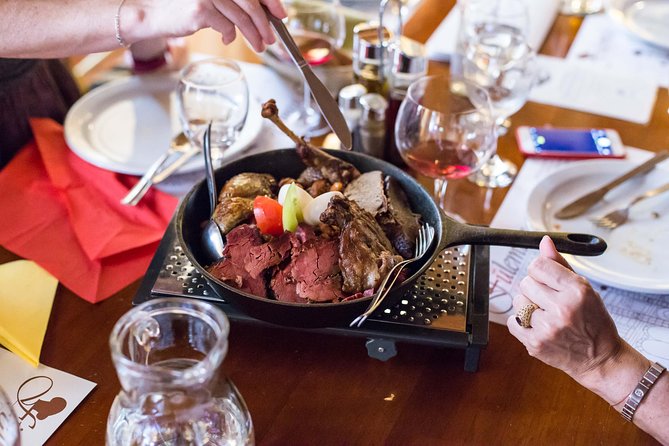
This is where the tour earns its price. You do not just get a token bite. You get multiple tastes across different categories: pastries, savory dishes, and classic flavors that show up again at lunch.
Pastries: turos taska and flodni
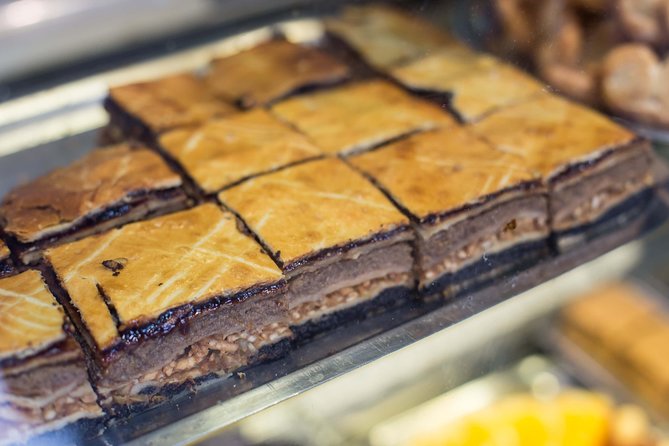
You’ll likely sample turos taska, a curd-cheese pastry that feels both comforting and distinctly local to the Jewish culinary mix in Hungary. You may also try flodni, another sweet treat you’ll recognize once you taste it. Think of these as your “map” foods. When you later read restaurant menus or bakery signs in Budapest, you’ll know what they are aiming for.





Savory bites: goose and sausage flavors
Savory tastings can include sausage and goose crackling. Those ingredients connect Jewish traditions with Hungarian cooking habits. It is one of the reasons the food feels grounded rather than imported.
What varies by day
The exact tasting menu can change depending on availability. That flexibility is actually useful. It means the guide can steer you toward what is fresh and what the partner spots are serving that day, rather than recycling a set script.
If you have a strong allergy or strict diet, tell the operator at booking. The tour asks for dietary requirements in advance, and that is your best shot at avoiding unpleasant surprises at the table.
Lunch in Budapest: solet and goose soup with wine
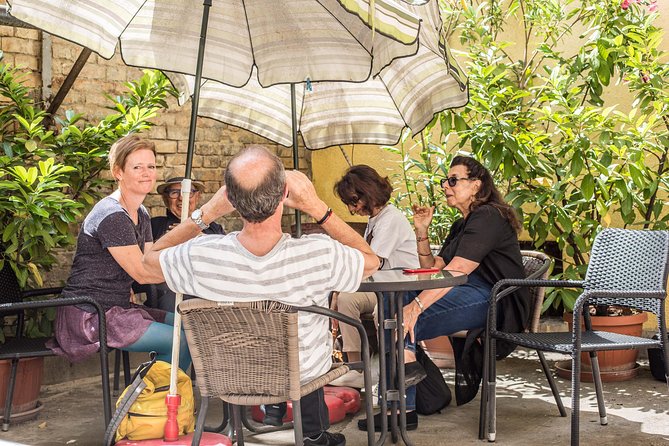
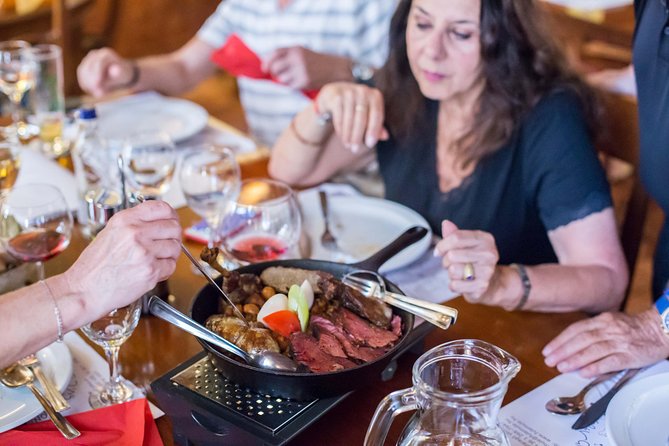
After you’ve walked, tasted, and learned, you sit down for a traditional Jewish lunch. One of the featured dishes is solet, a Hungarian take on bean stew. You’ll also have goose soup as part of the lunch.
This part is valuable for two reasons. First, it is not just more snacks. You get a real meal so you can slow down, ask questions, and compare notes with your guide and group. Second, you get wine included alongside the meal, which makes it easier to treat the lunch as a cultural experience instead of a budget stop.
Lunch timing is also why I recommend you eat lightly beforehand. Some people have suggested doing a lighter breakfast because the tour keeps feeding you across multiple stops. If you start hungry and pace yourself, you’ll have a better time than trying to power through everything stuffed into a backpack of snacks.
Coffee and kosher pálinka: the end stop that feels like Budapest
Once lunch is done, you head to a coffee bar to regroup. Then comes the signature finish: kosher pálinka at a ruin pub or a wine bar. This is one of those Budapest experiences that feels very local, because ruin pubs are part of the city’s identity. Adding kosher pálinka ties the ending back to the tour theme.
Two practical tips here:
- If you do not drink alcohol, tell the guide in advance. The tour specifically includes pálinka tastings, so you’ll want to know what options you have.
- If you plan to keep sightseeing afterward, pace yourself. Pálinka can be strong, even when it is served as a tasting.
Small-group guiding: why the food stories land better
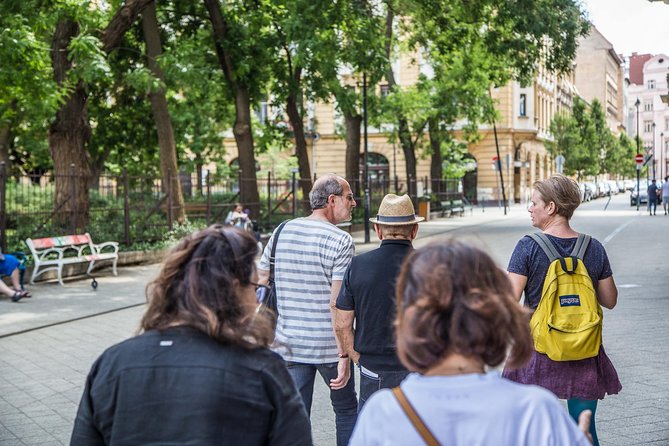
This walk is limited to small numbers, with a maximum of 8 and a focus on a more personalized feel for groups of 6. That small size changes how the tour works. You can ask follow-up questions. You are less likely to get “rushed through” moments that deserve a pause—especially around memorial sites.
You’ll also notice the guides bring more than facts. People guiding this walk have been praised for strong English and thoughtful explanations that connect Budapest’s larger story to the Jewish quarter. Names that have appeared in past tour runs include Orsi, Anna, Andrew, Eszther, Elza, Dora, and Daniel. If you get one of those guides, you’re likely in for a tour that answers the why behind the food and the how behind the neighborhood’s transformation.
At the end, you also get recommendations for what to do on your own. That is useful because the tour shows you a side of Budapest that you’ll probably want to revisit with your own route.
Price and value: what $155 buys you (and what it does not)
At $155 per person, this is not a budget snack crawl. It is priced like a guided cultural meal experience. And in practice, a lot is included: an expert guide, food tastings, drink tastings (including pálinka), and lunch with wine. You also get entrance fee coverage to a synagogue included in the package.
The one clear extra cost to plan for is Dohány Grand Synagogue entrance, which is not included. That is the main “gotcha,” and it is easy to handle if you know it upfront.
When it feels like value, it is because you are paying for three things at once:
1) Context for the WWII ghetto story and the memorial sites.
2) Multiple food samples, not just one stop.
3) A full lunch so you leave satisfied and informed.
If you only want a quick photo circuit of the Jewish quarter, you might find cheaper ways to do it on your own. But if you want the food and the history connected, the pricing makes more sense.
Who should book this Jewish cuisine and culture walk
Book this if you fit one of these:
- You want your Budapest sightseeing to include WWII memory and a real cultural narrative, not just pleasant streets.
- You enjoy food tours when they teach you what ingredients and traditions mean.
- You want a guided way to taste Jewish-Hungarian classics like turos taska and solet.
- You prefer a small group over a big bus vibe.
You might skip it (or pair it differently) if:
- You absolutely need the Dohány Grand Synagogue interior as part of the main plan, since that fee is not included.
- You do not want alcohol at all, since wine with lunch and pálinka tastings are part of the tour.
My decision guide: should you book
Yes, I’d book this if you want a half-day in Budapest that hits both sides of the Seventh District: remembrance and everyday food culture. The small-group feel, the number of tastings, and the fact that lunch plus wine are included make it easier to justify the price. The tour also helps you navigate a neighborhood that has meaning beyond what you see at street level.
If you do book it, do these three things:
- Eat lightly beforehand so you can enjoy tastings without feeling stuffed early.
- Tell the operator your dietary requirements at booking.
- If you care about Dohány Grand Synagogue interiors, plan for the separate entrance fee.
FAQ
What is the duration of the Budapest Jewish Cuisine & Culture Walk?
It runs for about 4 hours (approx.).
Where is the meeting point, and when does the tour start?
You meet at Madách Imre tér, Hungary. The start time is 11:00 am, and the tour ends back at the same meeting point.
How many people are on the tour?
The tour is limited to a small group, with a maximum of 8 travelers.
Is the tour offered in English?
Yes, it is offered in English.
What’s included in the price?
Included are an expert guide, food tastings, drinks tastings (including pálinka), lunch with wine, and an entrance fee to a synagogue.
Are Dohány Grand Synagogue entrance fees included?
No. Entrance fees to the Dohány Grand Synagogue are not included.
Can I request dietary requirements?
Yes. You should advise any dietary requirements at the time of booking.
Is the tour generally accessible for most people?
The tour notes that most people can participate.
What happens if the tour is canceled due to minimum numbers?
The experience has a minimum number of travelers. If it is canceled because of that, you will be offered an alternative date/experience or a full refund.
Is the booking refundable or changeable?
This experience is non-refundable and cannot be changed for any reason.