REVIEW · BUDAPEST
Café Wandering: An Excursion through Budapest’s Belle Epoque
Book on GetYourGuide →Operated by insightcities.com · Bookable on GetYourGuide
Ornate cafés, big ideas, and architecture on foot. This 3-hour walk ties Budapest’s 19th and early 20th century style to the poets, artists, and writers who made café culture famous, starting at Café Gerbeaud and ending near the art nouveau Kazinczy Street Synagogue. I love how the guide turns decoration into stories, especially when you’re hunting for design details like Asian motifs. I also like the clean structure of the route, where each café signals a new chapter of Imperial Budapest. One catch: refreshments like coffees and cakes are not included, so you’ll likely spend extra if you want to taste your way through every stop.
You’ll go with a small group limited to 8, led by an English-speaking art historian (often with academic and professional credentials like professors, doctoral students, historians, journalists, and published authors). The pace is meant for seeing interiors up close and hearing what to look for, without racing you from one address to the next.
If you’re into architecture, you’ll get more than pretty buildings. You’ll also get context: what these cafés meant socially, why their interiors were designed the way they were, and how the city’s Belle Epoque identity still shows up in details.
In This Review
- Key things you should notice on this tour
- Budapest’s Belle Epoque starts inside a café
- Starting at Café Gerbeaud: where Imperial Budapest feels real
- Central Cafe and Restaurant 1887: formal café culture with Habsburg power behind it
- Café Astoria: the lavish room that turns coffee into theater
- Museum Café and the design-language mix, including Asian motifs
- Művész Coffee House: a café built for artists
- New York Palace Café: grandeur with a name that hints at ambition
- Urania Café on Rákóczi Street: where ideas met an audience
- Closing at the Kazinczy Street Orthodox Synagogue: art nouveau architecture with meaning
- Price and value for a 3-hour guided architecture walk
- What this tour is best for
- If you get Kota, pay attention to the explanations
- Should you book Café Wandering?
- FAQ
- How long is Café Wandering?
- Where does the tour start?
- What’s the group size?
- What language is the tour in?
- What’s included in the price?
- Are refreshments included?
- Which major places will you visit?
- Is there more than one start time?
- What should I be most interested in?
Key things you should notice on this tour
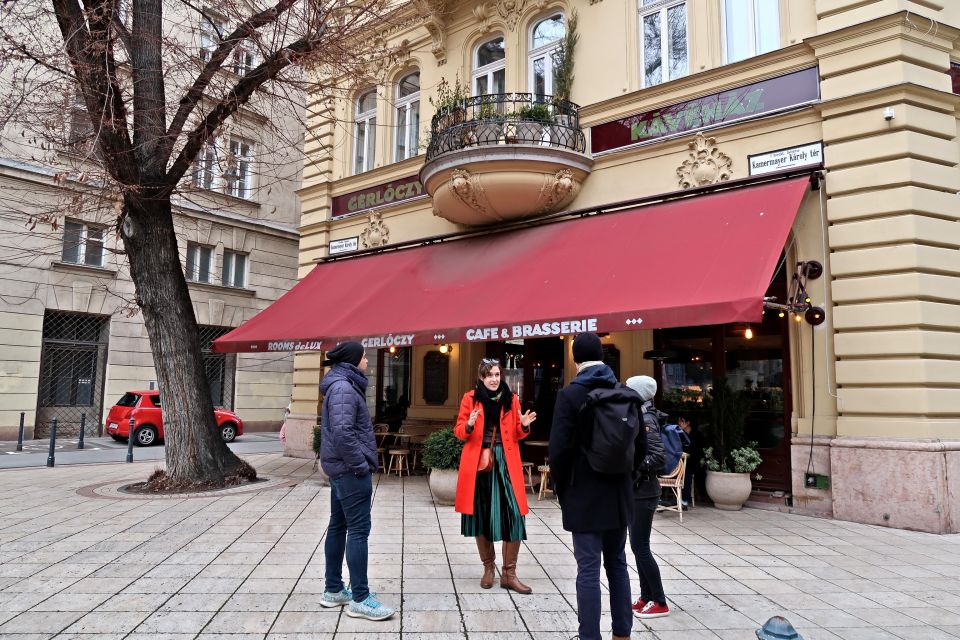
- Café Gerbeaud sets the tone with more than a century of café-house life and Imperial Budapest swagger
- You’ll ride the tram along the Danube to connect the café world to the city’s historic geography
- Habsburg-era “dignity” at Central Cafe and Restaurant 1887 where the atmosphere feels formal, not just cozy
- Ornament as a clue, including Asian motifs that designers worked into the mix
- Urania Café on Rákóczi Street brings intellectual culture into the story, tied to the oldest film theater in Budapest
- The art nouveau orthodox Kazinczy Street Synagogue finale gives you a big architectural payoff at the end
Budapest’s Belle Epoque starts inside a café
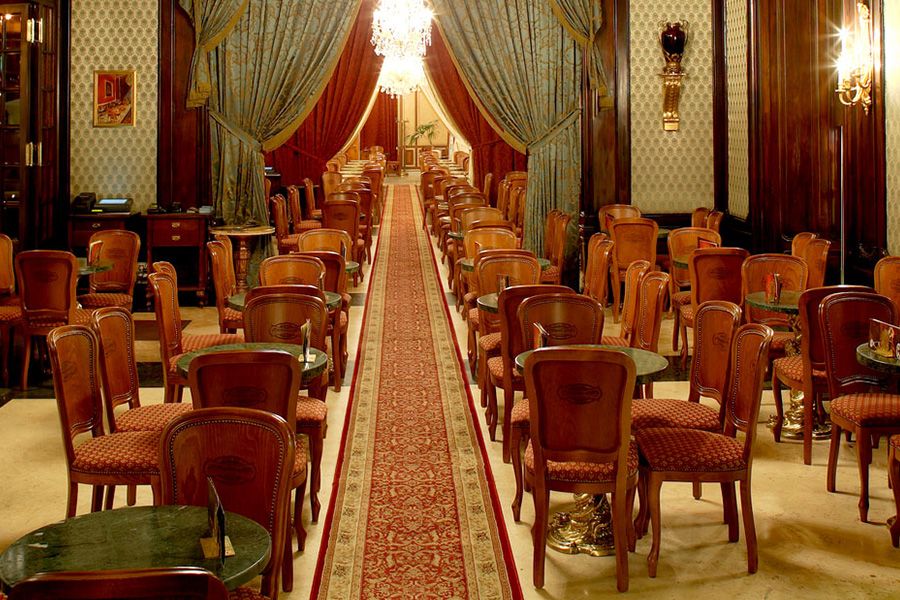
Budapest can look timeless from a distance. Up close, the city’s identity is built from small choices: how a ceiling is painted, how light hits carved wood, and how a room is meant to slow you down. That’s exactly what this kind of “café architecture” tour is about. You’re not just walking streets. You’re reading the city’s style the way you’d read a menu—item by item.
The tour is only 3 hours, and that matters. In a short window, you want concentrated stops that feel different from each other, not a scatter of quick photo stops. Here, the route is built like a timeline: late 1800s elegance, the height of Habsburg cultural and economic power, then the shift toward early 1900s design languages that show up in later interiors and the synagogue’s art nouveau sensibility.
You’ll start in the heart of the city at Café Gerbeaud on Vörösmarty tér, so the tour begins where people naturally gather. From there, you move through classic café interiors that were designed to be social stages, places where conversation mattered as much as the coffee.
You can also read our reviews of more tours and experiences in Budapest.



Starting at Café Gerbeaud: where Imperial Budapest feels real
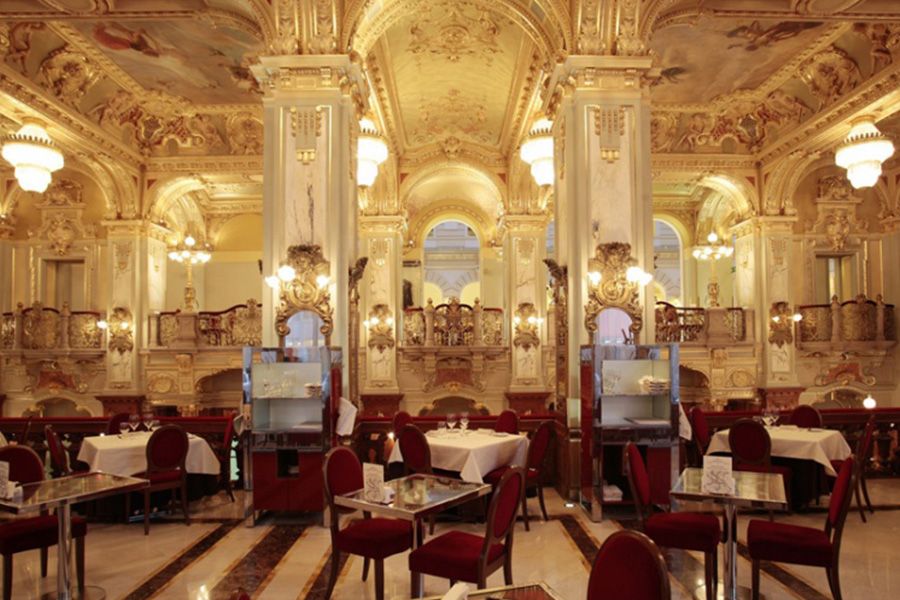
Café Gerbeaud is the kind of address that helps you understand the whole premise fast. It’s not a random stop. It’s a statement of place and period, with more than 100 years of history and a reputation as a central social hub in late 19th-century Budapest.
What I like about beginning here is that it gives you a baseline. Before you’re shown how later cafés use different design tricks, you first learn what “grand café culture” looks like in practice: the idea that a café is a public room for private moments. Your art historian guide will likely point out how the café’s interior sets a mood and why people would have wanted to show up for daily life as much as for a treat.
Also, you’ll be ready for the tour’s main method: looking past the surface. In places like Gerbeaud, the details are doing work. The shapes, colors, and ornamental themes are not just decoration. They’re signals of taste, status, and influence. That helps you understand the later stops, too.
Central Cafe and Restaurant 1887: formal café culture with Habsburg power behind it
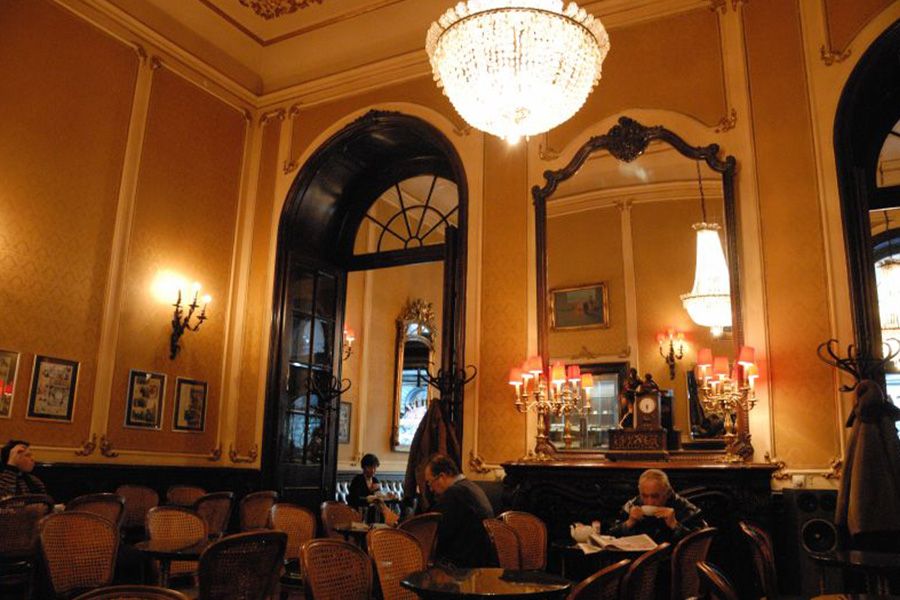
From Gerbeaud, you’ll take a tram along the Danube to Central Café and Restaurant 1887. That transit segment matters more than you might think. It connects the architecture you’re learning about to the city’s bigger story, and it breaks the walk into a rhythm that keeps the tour from feeling like a museum line.
Central Café is described as dignified, and that word fits what these grand coffee houses try to do. In a space like this, the decor and layout communicate that café culture is not only for leisure—it’s part of cultural life at the top of the social ladder. You’ll get a sense of a bygone era where the economic and cultural power of the Habsburg Empire shaped public spaces, from dining rooms to the way people dressed and gathered.
Even if you’re not ordering anything, your best move is to watch how the room is built. Look for the “stage” effect—places where conversation naturally clusters, where the eye goes when you enter, and where the interior creates a sense of occasion. Your guide’s job is to help you read those cues.
Café Astoria: the lavish room that turns coffee into theater
After Central Café, you’ll see Café Astoria, known for evoking the grandeur of classic European coffee houses. It’s also described as more than a century old, which means it isn’t just a pretty interior—it’s part of the continuity of Budapest’s café tradition.
This is where you’ll probably start noticing the tour’s recurring theme: cafés as social institutions. The highlight mentions the lavish interior, and in practice that means you’ll get plenty to talk about. How a room is finished. How ornate features guide your attention. How a café becomes a place where you’d expect writers, artists, and intellectuals to show up and be seen.
I also like that the tour doesn’t treat these spaces like isolated attractions. Each stop builds meaning by comparing it with what came before. Astoria feels like a step further into “grand European café identity,” but you’ll understand that growth because you’ve already seen the earlier cues at Gerbeaud and Central.
Museum Café and the design-language mix, including Asian motifs
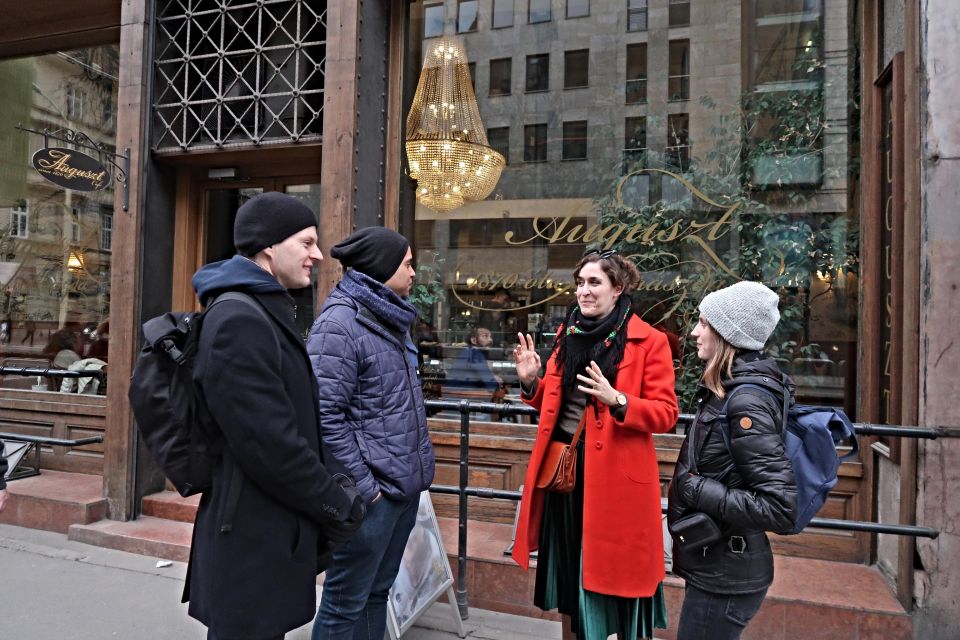
One of the most interesting parts of this tour is that it trains your eyes on influences you might not expect to see in Hungarian city centers. The highlights call out Asian motifs and elements used by designers, and that’s a key clue to how historic European styles often worked. Designers borrowed ideas from far outside the local tradition and blended them into fashionable interior language.
The Museum Café stop is specifically flagged for its lavish walls. That’s a practical invitation: go in with the mindset of “where do the patterns live, and what do they do?” Lavish walls often mean more than one type of ornament—possibly framed panels, detailed borders, or a layered look that changes as you move around the room.
If you’re the type who likes noticing the “why” behind a look, this section rewards you. You’ll be able to see how a city’s café culture wasn’t just about coffee. It was about taste-making. It was a way to display a worldview—sometimes local, sometimes global.



Művész Coffee House: a café built for artists
Next you’ll visit Művész Coffee House, also called the Artist Café. Even the name points you toward the kind of conversation these rooms attracted. This isn’t just décor-first tourism. It’s culture-first tourism, where you’re learning how artistic circles used cafés as meeting points and creative fuel.
What makes this stop valuable is the angle it gives you. Instead of treating cafés as static historical objects, you can see them as “social tools” people used to work, talk, and collaborate. Your guide’s background as an art historian helps here, because you’re not only looking at how the room looks—you’re hearing how people used rooms like this in their daily lives.
New York Palace Café: grandeur with a name that hints at ambition
The tour then goes to New York Palace Café. If you already know the building’s fame, this stop can feel like a reward. If you don’t, it still works, because the name signals an intentional identity: grand, cosmopolitan, and performance-ready.
In café interiors of this type, ambition usually shows in the same places: the sense of scale, the finishing materials, and the way the room is composed for visual impact. You’ll be asked (directly or indirectly) to look for those cues, since that’s how the tour teaches you to move through historic interiors without getting lost.
If you enjoy architecture that carries a message, New York Palace is a good mid-to-late tour payoff.
Urania Café on Rákóczi Street: where ideas met an audience
You’ll also stop at Urania Café on Rákóczi Street. The standout detail here is that it houses the oldest film theater in the city, and it’s known for lectures given by prominent intellectuals before large audiences.
That’s a strong reminder that café culture wasn’t only about poets and painters in the abstract. It also connected to public events, lectures, and a broader intellectual scene. This stop helps you see the cafés as part of an entire city ecosystem: entertainment, ideas, and social life all braided together.
Practical advice: when you’re in Urania Café, pay attention to the “audience” concept. Even if the architecture isn’t explained the way a theater tour would, the story link is clear. Your guide is helping you understand how a café could function as a doorway into public culture.
Closing at the Kazinczy Street Orthodox Synagogue: art nouveau architecture with meaning
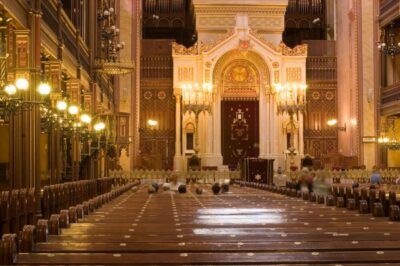
The tour ends at the art nouveau orthodox Kazinczy Street Synagogue. This is an important finish because it takes you from café interiors to religious architecture, still connected through style and through the bigger theme: historic Budapest was full of rooms built to impress.
An art nouveau synagogue is not something you see every day in European city walking tours. It gives you a fresh architectural lens, and it also changes the pace of your attention. In a café, you’re often thinking about social mood. At a synagogue, the mood is shaped by sacred purpose, craft, and community identity. Your guide will help you shift gears from ornament-as-fashion to ornament-as-language.
If you like your architecture tours with an emotional arc, this finale has it. It leaves you with a distinct image to carry home: Belle Epoque café grandeur leading into a standout art nouveau religious landmark.
Price and value for a 3-hour guided architecture walk
At $123 per person for a 3-hour tour, this is not a budget coffee-and-pastry outing. But the cost can make sense if you’re paying for expert interpretation.
You’re getting:
- a 3-hour guided walk
- an art historian guide
- access to multiple major café interiors and a guided stop at the synagogue
- a route that uses the city’s own transit context (tram along the Danube) rather than just crossing streets on foot
What’s not included is the fun part many people assume is covered: refreshments, cakes, and coffees selected at the café stops. That’s the main practical drawback. If you want to sample at every stop, your bill can climb quickly. The good news is that you can still get full value just by observing interiors, listening to context, and choosing one or two treats rather than treating it like an all-you-can-eat history lesson.
For value, the small group size matters too. Limited to 8 participants, you’re more likely to get questions answered and have time to actually look instead of just shuffle.
What this tour is best for
This tour fits best if you:
- care about architecture details more than big sweeping viewpoints
- like culture stories that explain why a room exists, not just what room it is
- want a route that connects cafés to writers, artists, and intellectual life
- prefer guided structure over “wander and hope” sightseeing
It’s less ideal if you want a pure food tour. You won’t be going cafe-to-cafe for guaranteed tastings. The stops are designed for history and design, with optional purchases.
And if you’re short on time in Budapest, 3 hours is a smart compromise. You’ll get a concentrated slice of Belle Epoque identity without taking half the day.
If you get Kota, pay attention to the explanations
One detail that stands out from the experience feedback is how much people value the guidance. An English guide named Kota has been described as excellent, and that matters because this type of tour lives or dies on clarity. If your guide can point out what to look for—motifs, interior choices, and the social meaning of café culture—you’ll leave with more than photos. You’ll leave with a mental map of how Budapest’s style evolved.
Even without a specific name, the promise is that guides come from academic and professional backgrounds such as historians, art critics, published authors, and doctoral students.
Should you book Café Wandering?
Yes, if your Budapest style is “walk, learn, look closely.” This tour is built for people who enjoy design as a story. The combination of major café interiors, the connection to intellectual culture, and the art nouveau finale at Kazinczy Street Synagogue makes it feel like one coherent experience, not a list of pretty stops.
Skip it only if you want a mostly food-focused plan with included tastings, or if you get impatient in interior-heavy visits. Otherwise, book it, wear comfortable shoes, and plan to choose just one or two coffees or cakes so you can enjoy the atmosphere without turning history into a budget stress test.
FAQ
How long is Café Wandering?
The tour lasts 3 hours.
Where does the tour start?
The meeting point is Café Gerbeaud, Budapest Vörösmarty tér 7-8 1051.
What’s the group size?
It’s a small group limited to 8 participants.
What language is the tour in?
The guided tour is in English.
What’s included in the price?
You get a 3-hour guided walk and an art historian guide.
Are refreshments included?
No. The cost of refreshments, cakes, and coffees selected at the cafés visited is not included.
Which major places will you visit?
You’ll visit Café Gerbeaud, Central Café and Restaurant 1887, Café Astoria, Művész Coffee House, New York Palace Café, and you’ll end with a guided tour connected to the Kazinczy Street Orthodox Synagogue. The tour also includes stops like Urania Café on Rákóczi Street and a Museum Café interior.
Is there more than one start time?
Yes. Duration is 3 hours, and you can check availability to see starting times.
What should I be most interested in?
This is best for people who want Hungarian architecture from the 19th and early 20th centuries plus café house culture, with explanations from an art historian guide.