REVIEW · BUDAPEST
Budapest: Virtual Reality Tour in 8 Languages
Book on GetYourGuide →Operated by VR Tours · Bookable on GetYourGuide
Budapest’s history comes alive in VR. I love how the tour builds six VR moments around the Buda Castle District, then ties each one to what’s happening in Hungarian history. I also like the setup: a live guide (English or Hungarian) plus an audio guide available in 8 languages. One drawback: it includes a light hike, and VR isn’t a good match if you get migraines or you’re sensitive to screens plus motion.
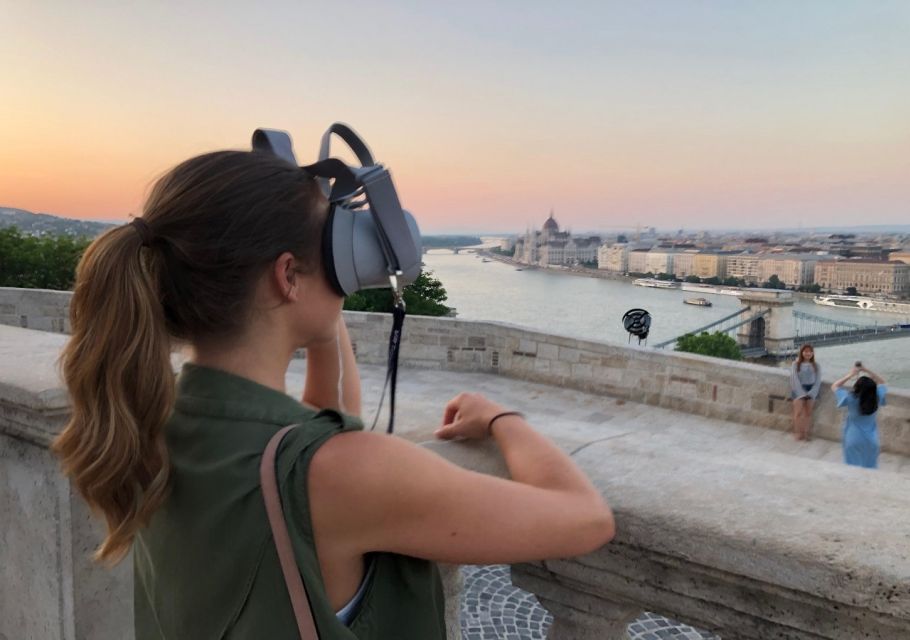
Your tour starts on the Buda side, near the Chain Bridge area, and you’ll walk between stops with help from your guide. The pay-off is big: you don’t just watch events on a screen, you look around like you’re actually there—whether that’s medieval construction, wartime destruction, or the Hungarian Revolution of 1956.
If you’re heading to Budapest for architecture, history, and a memorable evening, this is a strong use of time. Just remember that VR means you’ll want comfortable shoes and a calm, steady pace when the group moves between viewpoints.
In This Review
- Key highlights you’ll feel fast
- Where it starts near Chain Bridge and Clark Ádám Square
- VR time travel in the Castle District (and what to expect)
- Six VR pauses: medieval to WWII to 1956
- Buda Castle and the Royal Palace moment you’ll remember
- The history guide you actually want to listen to
- Languages: live guide in two, audio in eight
- Price and value: is $39 worth your evening?
- Practical tips that make the tour smoother
- Who should book this, and who should skip it
- Before you go: quick checklist that prevents day-of stress
- Should you book the Budapest VR Tour in 8 Languages?
- FAQ
- How long is the Budapest VR tour?
- Where do I meet for the tour?
- What languages are available?
- How many VR stops are included?
- What’s included with the ticket?
- What do I need to bring for the VR headset?
- Can I cancel for a refund?
- Is this tour recommended if I get migraines or have epilepsy?
- Is it suitable for people afraid of heights?
Key highlights you’ll feel fast
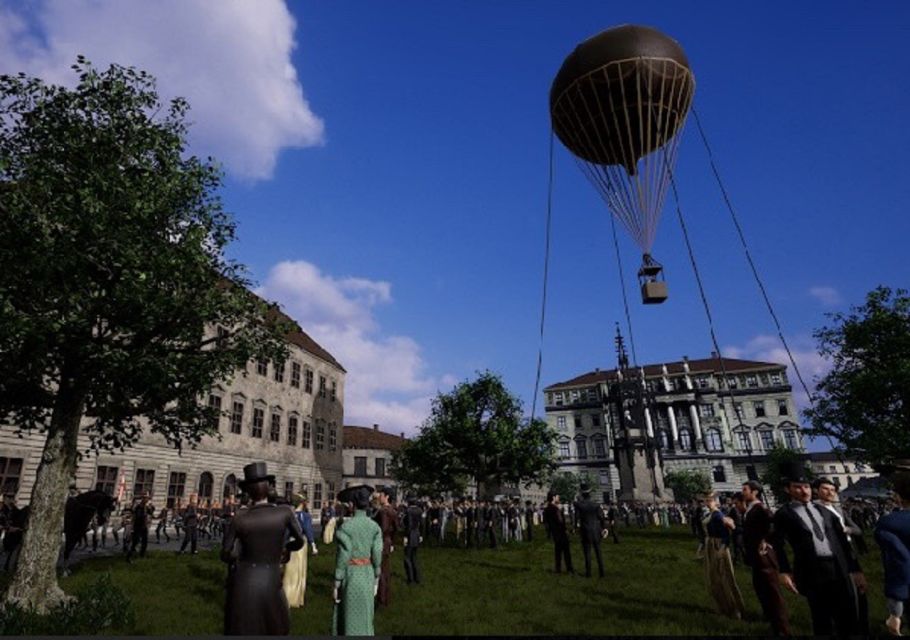
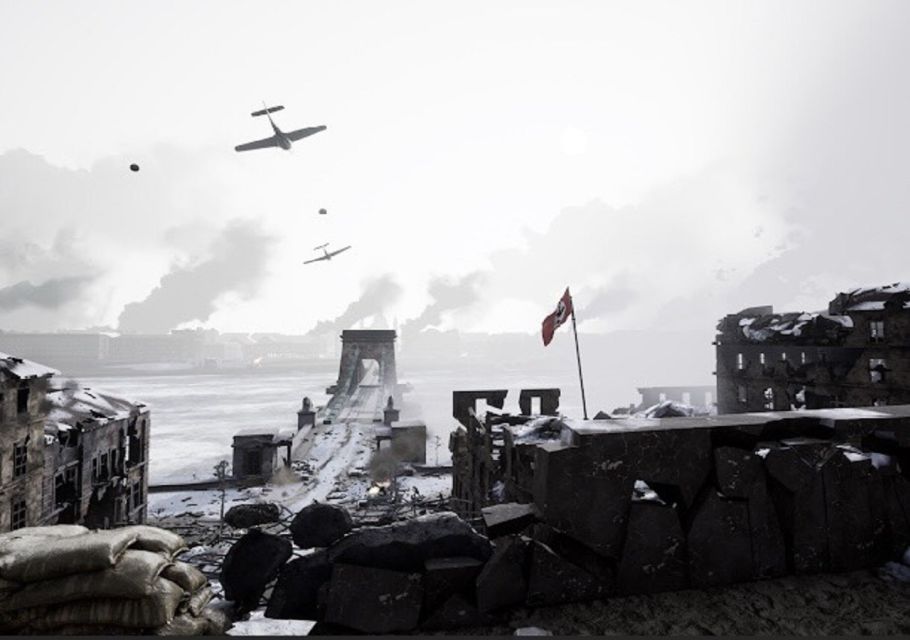
- VR time-travel across major eras: medieval Castle building, World War II destruction, and the 1956 revolution
- Buda Castle District focus: the sights you’re standing near become the backdrop for what you see
- Six VR stops: multiple scenes instead of one long presentation
- 8-language audio guide alongside a live guide in English or Hungarian
- Bird’s-eye view option over the whole city for a wow factor that’s easy to appreciate
- Quality-first VR approach that aims to make events feel close, not distant
Where it starts near Chain Bridge and Clark Ádám Square
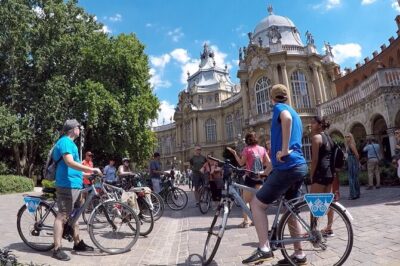
You meet at Budapest, Lánchíd u. 23, 1013 Magyarország, and you should look for the VR Tour flags facing the street. Plan to arrive 15 minutes early so you can get your gear squared away before the walk begins.
This location is a smart starting point. You’re on the Buda side near two easy reference points—the Chain Bridge area and Clark Ádám Square—so it’s simple to orient yourself even before you join the group.
From there, you head into the Castle District. Expect a light hike between VR stops. This matters more than it sounds: if you’re bringing sore knees, or you’re moving slowly, you’ll enjoy the tour less. Comfortable walking shoes are the real upgrade here.
You can also read our reviews of more tours and experiences in Budapest.



VR time travel in the Castle District (and what to expect)
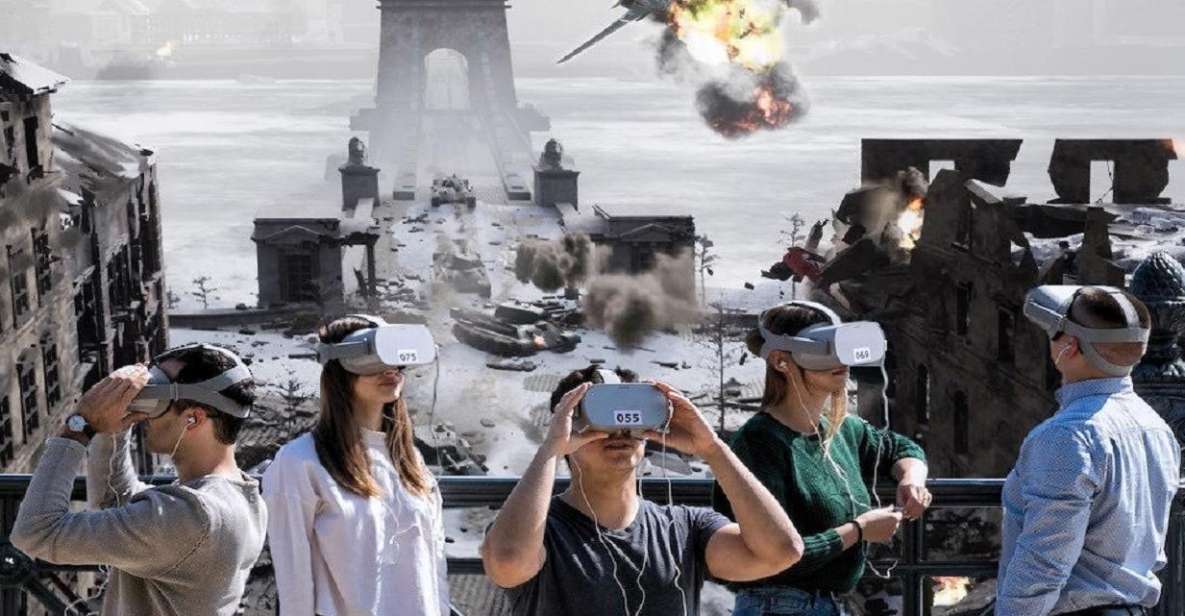
After meeting your guide and putting on the virtual reality gear, you’ll start the program in the Buda Castle District. Over the course of about 1.5 hours (check your starting time), you’ll pause around six times for VR displays, and each pause comes with audio guidance that explains what you’re seeing.
Here’s what I’d call the “mechanics” of the experience:
- Your guide leads you between stops and helps with getting around.
- At each VR moment, you’ll watch scenes tied to specific chapters of Hungarian history.
- The audio guide describes what’s unfolding and why it matters, so it doesn’t feel like random footage.
Also, the tour uses a sterile headset and provides a hygienic mask upon request. That’s a small detail, but it’s worth noting if you’re picky about shared equipment.
Six VR pauses: medieval to WWII to 1956
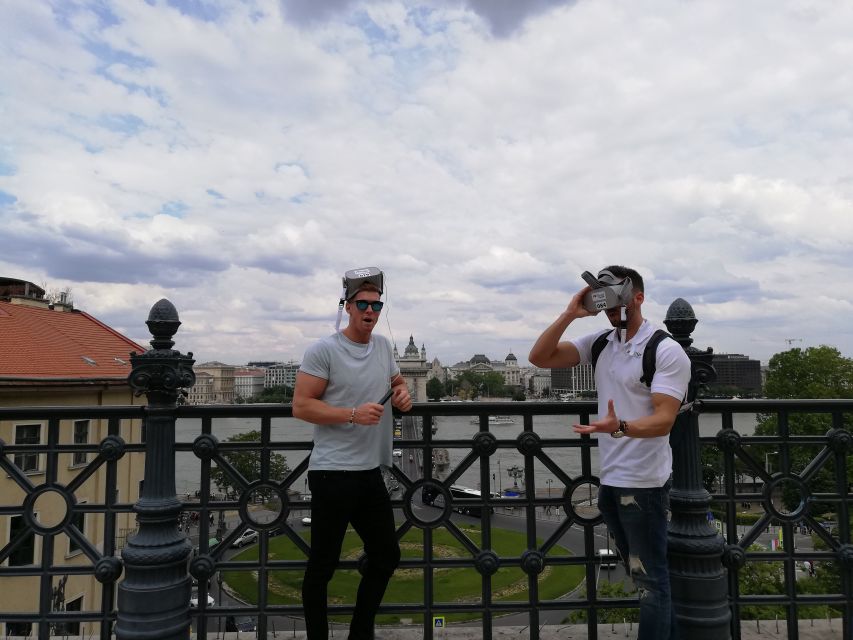
The tour doesn’t cover history like a textbook. It covers it like events that happened in layers—war, rebuilding, revolt—right where you’re standing.
You can think of the six VR pauses as a sequence of chapters:
Stop 1: Getting your bearings in the Castle District
You begin in the Buda Castle area with the guide’s context and your first VR introduction. This first moment is about orientation: you’re learning what you’re looking at before the big jumps through time start.
Stops 2–3: Medieval castle construction and earlier battles
You’ll be rocketed back to the Middle Ages, specifically to the construction of the castle. Then you move into the era’s conflict—brutal battles and big clashes that helped shape the city’s story.
What makes this section valuable is the way it connects place to period. Instead of only seeing the Castle today, you’re shown the earlier logic of how power and defenses worked.
Stop 4: A bird’s-eye view over Budapest
At one point, you get a higher vantage—an overhead perspective over the city. Even if you’re not a “big views” person, this pause helps you understand the geography. It makes the later war and revolution scenes easier to place because you can mentally map where everything sits.
Stop 5: World War II devastation
Then the tone shifts hard. You’ll witness brutal battles and the utter destruction of World War II. This isn’t presented as vague tragedy; it’s shown as a turning point with consequences that ripple into what comes next.
Stop 6: The 1956 Hungarian Revolution
The final major chapter focuses on the Hungarian Revolution of 1956—a moment people remember for its intensity and its role in Hungary’s modern story.
I like ending here because it’s the transition from “history you can look at” to “history that changed the direction of the country you’re visiting.” When the VR chapter reaches 1956, you usually walk away understanding why the city’s identity feels so strong.
Buda Castle and the Royal Palace moment you’ll remember
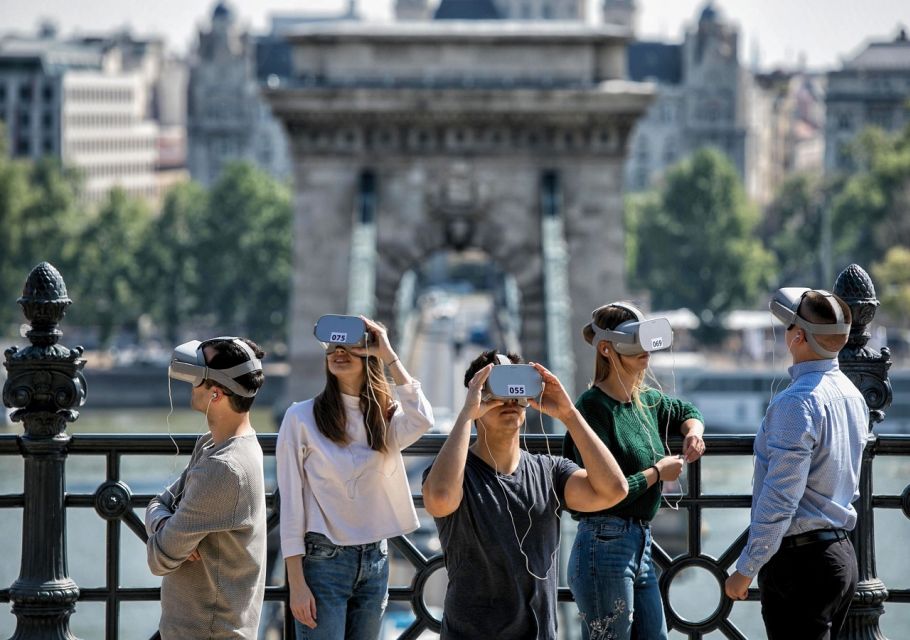
If you’re coming to Budapest for the big sights, this tour lines up with what you’ll be seeing in real life.
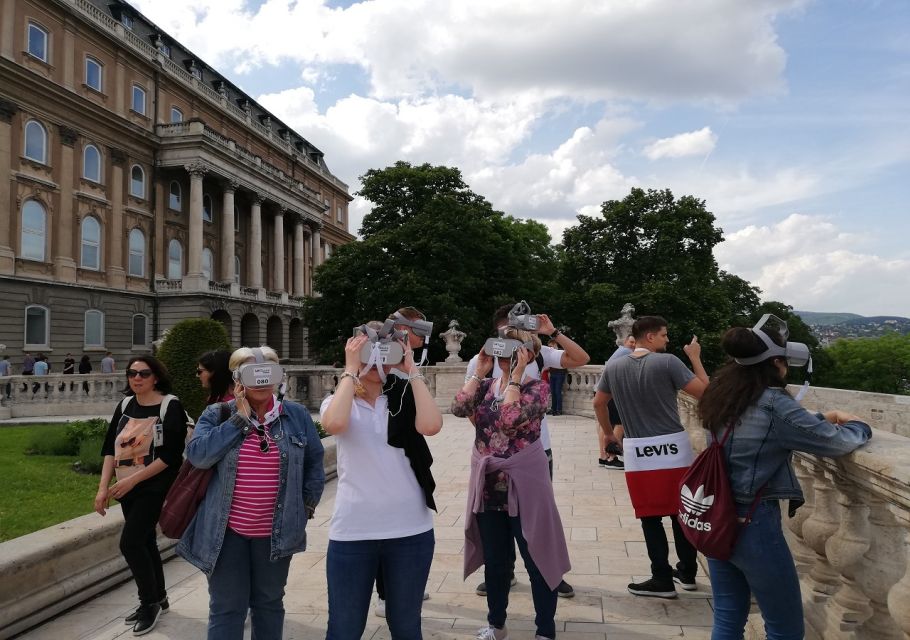
The highlight is the Buda Castle and Royal Palace area. Even with VR gear on, you’ll recognize the exterior setting around you, and that’s the trick: the technology layers a past scene over the present district.
That matters because your brain has two frames at once:
1) the historic place you’re standing near
2) the event being reenacted in VR
It’s not just a “show.” It’s a way to make the Castle District feel like a living timeline instead of a single stop on your itinerary.
The history guide you actually want to listen to
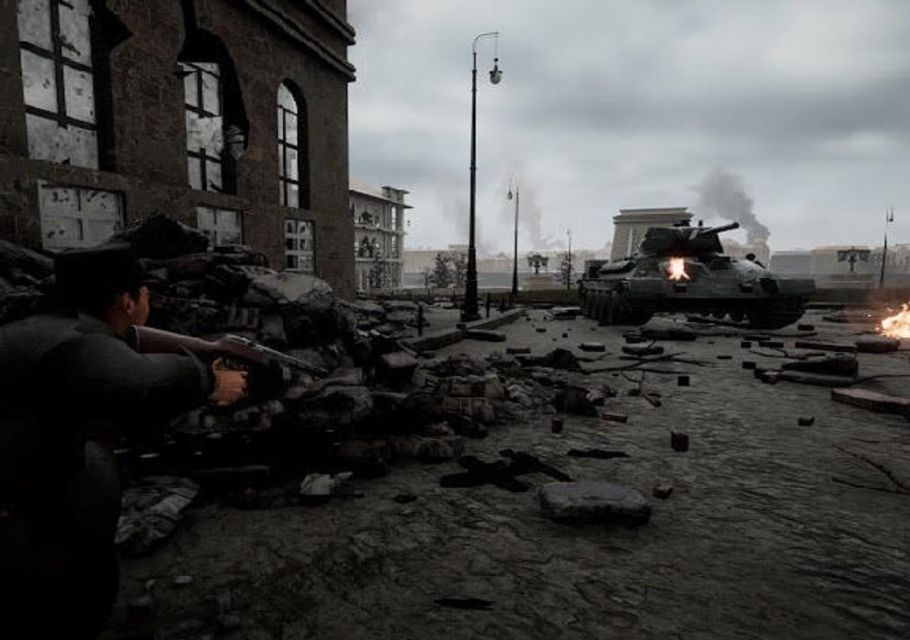
The VR visuals are the hook, but the guidance is what keeps it from feeling like sci-fi tourism.
Between each VR scene, an audioguide explains the intricacies of what’s happening and contextualizes why it matters in Hungarian history. Meanwhile, your live guide helps you during the walk so you’re not lost between pauses.
This is one of those setups where balance pays off. If you’ve ever watched videos in museums and felt you were missing the bigger point, this format helps. You get the emotional weight of the scenes, then you get the why.
And based on the strongest feedback from people who’ve done this, it’s the combination that lands: they felt like they were in the middle of the battlefields, and they also felt they learned real context without the experience turning heavy or boring.



Languages: live guide in two, audio in eight
One of the smartest things about this tour is language coverage.
You’ll have a live guide in English or Hungarian. On top of that, the audio guide is available in English, Chinese, German, Hungarian, Spanish, Russian, Italian, and French.
So if your group isn’t all speaking English, you’re still covered. This also helps when you’re the only one in your party who wants full detail—you can keep up comfortably without guessing what’s happening.
Price and value: is $39 worth your evening?
At $39 per person, the value comes from three things working together:
- VR adds novelty that most walking tours can’t copy.
- You get multiple time periods (not one quick highlight).
- You get interpretive context, not just visuals.
Is it expensive compared to a normal self-guided walking route? Yes. But it’s usually better value than a standard paid museum entry if your goal is to understand Budapest’s key historical moments in a more memorable way.
Also, the timing helps. It’s about 1.5 hours, so you can fit it into an evening without turning your day into a long marathon. If you’re already doing the big sights by daylight, this VR format is a good follow-up—history changes flavor after dark.
Practical tips that make the tour smoother
A few details make a noticeable difference when you’re the one wearing the headset and walking between stops.
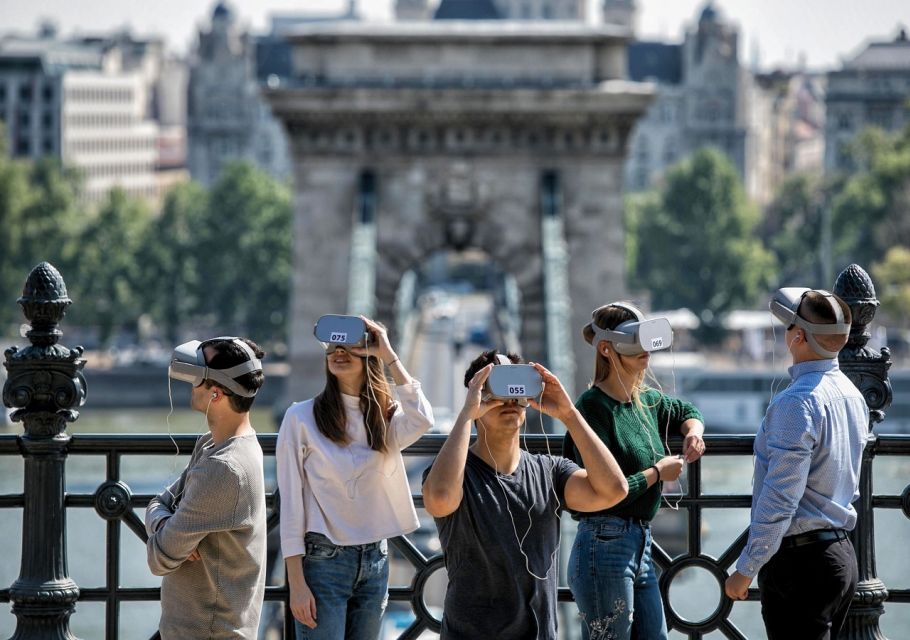
Bring comfortable shoes. The tour includes a light hike, and your best experience comes from staying steady rather than hurrying.
In hot summer tours, bring something to drink. You’re outside between VR pauses.
Bring a passport or ID card. You’ll need it for the VR headset deposit process. If you don’t use your ID, the tour notes that you can bring 200 euros as a deposit for the VR headset.
If you’re sensitive to VR, don’t gamble. The tour is not recommended for customers who suffer from migraines. It’s also not suitable for people with epilepsy or for anyone afraid of heights. If any of those apply, it’s better to find a history-focused alternative.
Who should book this, and who should skip it
This tour is a great match if you want:
- a memorable, modern way to understand Budapest’s turning points
- history that connects directly to places you’ll recognize in the Castle District
- a guided experience with context in multiple languages
It’s not a great match if:
- you have migraines or issues triggered by VR
- you have epilepsy
- you have heart problems
- you’re afraid of heights
- you have mobility impairments (it’s not suitable)
If you know you’re sensitive to screen-based experiences or you get motion discomfort, I’d skip. The point is to enjoy the story, not fight your body through it.
Before you go: quick checklist that prevents day-of stress
Here’s the short list I’d follow so nothing slows you down:
- Passport or ID card (or 200 euros deposit)
- Comfortable shoes for walking between VR stops
- Something to drink for warm weather
- Wear clothes that let you stay comfortable while wearing a headset
- If you want it, request a hygienic mask for added comfort
Since the meeting point is on Lánchíd u. 23, give yourself time to find the VR Tour flags. Arrival 15 minutes early is the sweet spot.
Should you book the Budapest VR Tour in 8 Languages?
Book it if you’re the kind of traveler who wants more than photos of the Buda Castle area. The VR structure—six pauses, major eras, and built-in narration—makes it easier to remember what you learned and where it happened.
Skip or choose something else if VR triggers headaches, you’re affected by motion, or you have epilepsy or strong concerns about heights. In those cases, you’ll likely lose the main benefit.
If you’re on the fence, here’s my simple rule: if you’re excited by the idea of seeing Budapest’s key events happen in the exact district where you’re standing now, this is a smart use of money and time.
FAQ
How long is the Budapest VR tour?
The duration is about 1.5 hours. Starting times vary, so it’s best to check availability for the schedule.
Where do I meet for the tour?
Meet at Budapest, Lánchíd u. 23, 1013 Magyarország. Look for the VR Tour flags facing the street, and arrive 15 minutes early.
What languages are available?
The live tour guide is available in English and Hungarian. The audio guide is available in English, Chinese, German, Hungarian, Spanish, Russian, Italian, and French.
How many VR stops are included?
The tour stops 6 times for VR displays around the city.
What’s included with the ticket?
Included are the virtual reality gear, a sterile headset, a tour guide, and the audio guide in the included languages. A hygienic mask is available upon request.
What do I need to bring for the VR headset?
Bring a passport or ID card. The tour also notes you can bring 200 euros as a deposit for the VR headset.
Can I cancel for a refund?
Yes. You can cancel up to 24 hours in advance for a full refund.
Is this tour recommended if I get migraines or have epilepsy?
It’s not recommended for people who suffer from migraines, and it’s not suitable for people with epilepsy.
Is it suitable for people afraid of heights?
No. The tour is not suitable for customers who are afraid of heights.