A Castle hill walk can feel like a single long climb. This one starts at the Buda side of the Chain Bridge and turns into a story-led route up to the highlights. You get a private guide who moves at your pace and can answer all your questions without rushing you.
I also love the way this tour is structured. You begin with the elegant path through the Castle Garden Bazaar, then you get real contrasts: 13th-century medieval remnants, an 18th-century Baroque palace, and then the wow-factor view across to Pest. The one drawback to plan for is basic mobility: the route is uneven at times, and there’s walking with a moderate fitness level needed.
In This Review
- Key things to know before you go
- From the Chain Bridge to the Castle: the perfect first move
- Castle Garden Bazaar: why this route feels smarter
- Medieval traces from the 13th century you can actually see
- An 18th-century Baroque palace walk, with secrets worth stopping for
- Matthias Church and the cobblestones of Buda Castle
- Fisherman’s Bastion: the wow moment, framed over Pest
- Price and logistics: is $230 per group good value?
- Who this private Castle tour fits best
- Should you book Conquer the Castle with Budapest Wonderguides?
- FAQ
- How long is the Budapest Buda side tour?
- What time does the tour start?
- Is this tour private?
- Do you get pickup?
- Is the tour in English?
- Is food included?
- What can I expect to see during the walk?
- What fitness level do I need?
- Can children join the tour?
- What if I need to cancel?
Key things to know before you go
- Start at the Chain Bridge, Buda side for an immediate sense of where the castle sits above the city
- Castle Garden Bazaar route to get up the hill in a more graceful way than huffing straight uphill
- 13th-century medieval remains plus context that makes what you see easier to understand
- 18th-century Baroque palace walk focused on the building’s secrets, not just photos
- Matthias Church and cobblestone streets for the best mix of details and atmosphere
- Fisherman’s Bastion viewpoint over Pest for the classic Budapest perspective
From the Chain Bridge to the Castle: the perfect first move
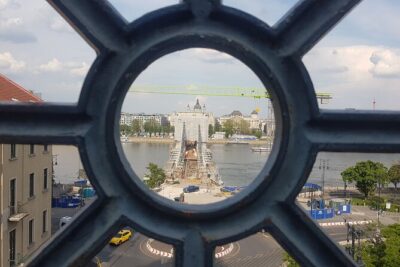
The best part of starting on the Buda side of the Chain Bridge is that it puts you in the right frame of mind right away. You’re not wandering into Castle Hill like it’s just another sightseeing stop. You’re starting where the city’s two sides meet, then shifting upward into Buda’s older layers.
If you want to ask questions, this tour is set up for that. You can set the pace, and the guide can slow down when something catches your attention. That matters here, because Castle Hill rewards curiosity. One minute you’re walking; the next you’re standing still to understand what you’re looking at.
One practical note: the start time is 9:00 am, so you’ll likely get cooler weather and less crowds than later in the day. Still, wear shoes you’re comfortable walking in for a full morning stretch.
You can also read our reviews of more tours and experiences in Budapest.



Castle Garden Bazaar: why this route feels smarter
The Castle Garden Bazaar isn’t just a backdrop. It’s a functional way up that also happens to look elegant. You get that feeling of entering the Castle district through a living, historical approach rather than showing up from the most obvious stair route.
This is also where the tone of the tour locks in. The guide’s job isn’t just to point. It’s to help you connect the place to stories—what you’re seeing, why it matters, and how it fits into Budapest’s bigger timeline. You’ll walk through a mix of character-filled lanes and viewpoints that make it easier to imagine how people moved through this area in earlier centuries.
A small downside: if you’re expecting a full-on shopping spree, this isn’t that kind of tour. The bazaar area is used as part of the walk and the context. If you want food stops, that’s on you. Food and drinks aren’t included, so plan to eat before or after.
Medieval traces from the 13th century you can actually see
The tour doesn’t just say medieval and move on. You’ll see the last remains of the medieval castle from the 13th century. That’s a big deal because ruins on their own can be hard to interpret. The value here is the guide connecting the dots so you’re not just walking past stones.
For your brain, it helps that the tour doesn’t leap around too fast. You move from one era to the next, with explanations designed to keep the geography and time period straight. When the medieval remnants come into view, you’ll have built a mental map already: where you are on the hill, what the district feels like, and how the layers of history sit on top of each other.
If you like history, you’ll probably enjoy how the guide also brings in lesser-known stories—especially those tied to famous Hungarian events. Even if you’ve read a little before, it’s often the side stories that make the whole hill feel less like a checklist.
An 18th-century Baroque palace walk, with secrets worth stopping for
Next comes a stroll around an 18th-century Baroque palace. Baroque can sound like a big fancy word, but on the ground it’s about style, power, and design choices you can see. The tour’s focus here is the secrets of the palace—so you’re not only looking at architecture, you’re also learning what to notice.
This is one of the tour moments I’d call “pause and look.” It’s the part where you benefit from having someone guide your eyes. Instead of taking generic photos, you’ll likely spend more time noticing details like how the building presents itself from the street and how the district’s layout shapes what you experience.
One consideration: it’s a walking tour, and Baroque palace highlights can involve standing still for a bit. If you’re traveling with anyone who gets restless, bring patience—and bring water if you’re sensitive to longer walks. Again, there’s no included food, so plan accordingly.
Matthias Church and the cobblestones of Buda Castle
As you continue through the colorful buildings and cobblestoned streets of the Buda Castle district, the vibe shifts. The earlier parts feel like you’re entering the story. This part feels like the story is happening right around you.
Reaching Matthias Church is a natural highlight for the day. Even if you’ve seen photos, it helps to arrive with context. This tour’s pacing lets you get there without feeling rushed, and that makes a difference for how much you take in—especially if your guide shares events and connections tied to Hungarian history.
Cobblestones matter here. They’re part of the charm, but they also mean slower footing. I recommend shoes with grip. If you’re traveling in light footwear, you’ll feel it after a while.
The upside is that you’re not just doing one big photo moment. The walk between spots is part of the experience. You get the district’s scale and texture, and the guide can slow down when a street detail or building element is worth your attention.



Fisherman’s Bastion: the wow moment, framed over Pest
Then comes the view moment you came for: the Fisherman’s Bastion look over the Pest side of Budapest. This is the kind of place where the guide’s job is to help you understand the view, not just admire it.
What makes this stop satisfying is timing and context. You’ve already walked through medieval traces, Baroque architecture, and the streets of the Castle district. So when you finally look out, the city below doesn’t feel random. You can see how Buda’s hill and Pest’s spread belong to the same story.
If you’re a “one photo is enough” person, you might be tempted to rush. Try not to. Give yourself a couple minutes to take it in, then ask your guide what landmarks you’re seeing and how the city layout connects to the history you just heard.
Price and logistics: is $230 per group good value?
The price is $230 per group with a maximum of up to 6 people, and it runs about 4 hours. That’s where the value math gets interesting.
If you fill the group (all 6), the cost per person lands around $38 for a private, guide-led morning walk. Even at fewer people, you still get a private guide and a structured route through the Castle district highlights. Add the fact that pickup is offered and you’re not left to coordinate multiple logistics on your own. You also get a mobile ticket, which keeps things simple.
What’s not included is also clear: no food and drinks. So plan one snack or a proper meal after the tour. If you’d rather have everything wrapped up, you’ll need to build that part into your day.
The practical trade-off of a private tour like this: it’s more expensive than joining a bigger group. But you’re paying for pacing, Q&A, and a guide who can tailor attention to what you actually want to know—especially around those lesser-known stories the tour highlights.
Who this private Castle tour fits best
This tour suits you if you want more than classic photo stops. You’re getting a guide who can explain what you see—medieval remains, a Baroque palace, and the story-shaped walk through the Castle district—without making it feel like a lecture.
It also fits well if you like flexibility. The tour emphasizes that you can set the pace and ask as many questions as you like. That’s great for couples, small families, and friend groups who don’t want to move in a crowd.
A few fit notes from the tour details:
- You should have moderate physical fitness, because you’ll be walking on uneven surfaces at times.
- Children must be accompanied by an adult.
- It’s private, so only your group participates.
- The route is near public transportation, which helps if you’re coordinating your own arrival.
If you’re traveling with someone who dislikes uneven cobblestones, consider whether they’re comfortable walking on them for several hours.
Should you book Conquer the Castle with Budapest Wonderguides?
If your goal is to understand Budapest’s Castle Hill instead of just ticking boxes, I’d book it. The big reasons are the private guide, the structured route that starts at the Chain Bridge, and the mix of eras—13th-century remnants, an 18th-century Baroque palace, then Matthias Church and the Pest-side viewpoint.
I also like that it’s built for questions and at-your-pace walking. One theme from feedback about this kind of tour is that the guide tends to mix historical context with practical city advice—how to get around Budapest and what to do next. That combination is hard to find in a basic walking tour.
The one reason to hesitate: if you don’t do well with walking (cobblestones, stairs, uneven ground), you may find the Castle district physically demanding. In that case, you might want a shorter, more level option instead.
FAQ
How long is the Budapest Buda side tour?
It runs about 4 hours.
What time does the tour start?
The start time is 9:00 am.
Is this tour private?
Yes. It’s private, and only your group participates (up to 6 people).
Do you get pickup?
Yes, pickup is offered.
Is the tour in English?
Yes, it’s offered in English.
Is food included?
No. Food and drinks are not included.
What can I expect to see during the walk?
You’ll visit the Buda side of the Chain Bridge area, the Castle Garden Bazaar, medieval remains from the 13th century, an 18th-century Baroque palace, the Castle district streets leading to Matthias Church, and you’ll finish with views from Fisherman’s Bastion over Pest.
What fitness level do I need?
You should have a moderate physical fitness level.
Can children join the tour?
Yes, but children must be accompanied by an adult.
What if I need to cancel?
You can cancel for a full refund with free cancellation up to 24 hours in advance of the start time.