Budapest changes fast when you start high. This private best-of route strings together the city’s top viewpoints and landmark interiors in about 3 to 4 hours, with hotel pickup to keep you from wasting time on transit. I like that it’s built around classic photo stops like Gellért Hill and Fisherman’s Bastion, plus major “you can’t miss it” buildings in Pest. I also love the guide time is focused on making sense of what you’re seeing, not just ticking boxes. One drawback: the schedule is tight, and if it’s chilly, plan for a colder ride and brisk walking.
This is for small groups (up to 6), offered in English, and it runs starting at 9:00 am. Most stops are easy because you’re mostly outside, and the route includes select paid entries so you don’t have to line up for everything. If you hate walking between neighborhoods, you may want to pace yourself and wear good shoes.
In This Review
- Key things you’ll notice on this tour
- Price and Logistics: Is This $516.68 per Group Good Value?
- Hotel Pickup That Actually Helps: How the 9:00 am Start Feels
- Gellért Hill and Citadella: Best Views First, With Minimal Fuss
- Chain Bridge, Castle Garden, and Fisherman’s Bastion: Icon Photos in the Castle Quarter
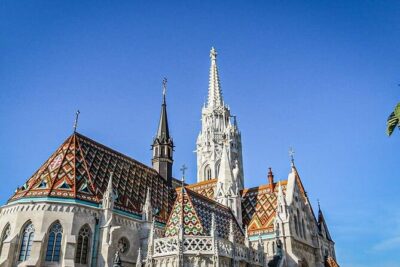
- Matthias Church Interior: Where the Building Looks Like It’s Wearing Jewelry
- Buda Castle Quarter Pass-By: A Whole Neighborhood of Styles
- Parliament and Nyugati: Pest’s Grand Icons From the Outside
- St. Stephen’s Basilica: One of Budapest’s Most Important Churches (Included Entry)
- Andrássy Avenue and the Opera House Facade: Budapest’s Elegant Boulevard
- House of Terror: A Powerful Memorial Stop Worth Approaching Carefully
- Heroes’ Square and City Park: Big Monuments and a Thermal-Bath Option
- Central Market Hall and Liberty Bridge: Food Energy With Danube Views
- A Note on Gellért Baths: Where Relaxation Could Fit
- Should You Book This Budapest Best-of Tour?
- FAQ
- Is hotel pickup and drop-off included?
- How long is the Best of Budapest Tour?
- What languages is the tour offered in?
- Are tickets included for every stop?
- Is the tour private?
- Can I cancel and get a full refund?
Key things you’ll notice on this tour
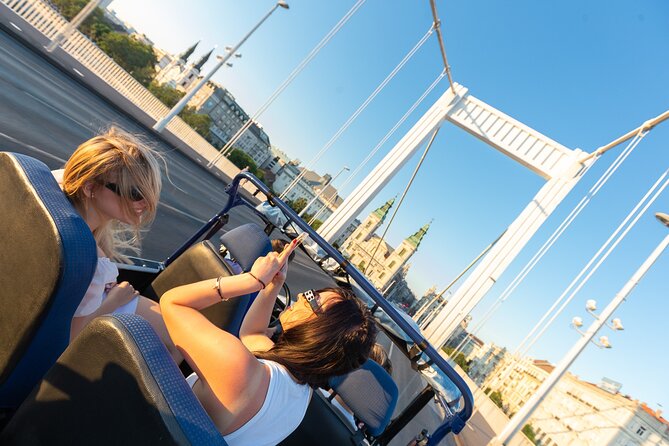
- Hotel pickup and drop-off make the start feel smooth and easy.
- Gellért Hill to Citadella gives you big Buda views early, before the day gets busy.
- St. Stephen’s Basilica and Matthias Church entry are included, so you get two interiors without extra planning.
- Fisherman’s Bastion has a paid upper level if you want the top viewpoint.
- Andrássy Avenue and Heroes’ Square line up UNESCO streets with monument-style landmarks.
- Central Market Hall is a real food-and-shopping stop that breaks up the sightseeing pace.
Price and Logistics: Is This $516.68 per Group Good Value?
The price is $516.68 per group (up to 6 people), so your effective cost per person drops if you’re traveling with friends or family. For a private tour in central Budapest, that matters. You’re not paying per head for a guide who waits while you move slowly through museums.
The biggest value is that you’re getting:
- a private guide for direction and context
- pickup and drop-off, which saves time and keeps your day from turning into a puzzle
- included entry for two major churches (Matthias Church and St. Stephen’s Basilica)
To be clear, not every stop is ticketed. Some sights are pass-by or outdoor viewpoints. Others, like the Opera House interior and the Great Synagogue, are not included. The tour is designed so you get major highlights without paying for everything.
You can also read our reviews of more tours and experiences in Budapest.



Hotel Pickup That Actually Helps: How the 9:00 am Start Feels

This tour starts at 9:00 am, and pickup is offered from hotels and other addresses (including the exact pickup address you provide). If you’re on a cruise, you enter your ship name so the operator can match the port.
Why I like this setup for Budapest: the city has big visual payoffs at different elevations—Buda Hill zones and Pest along the Danube. If you have to organize your own way between them, your morning can get chopped up. Pickup helps you begin with energy instead of stress.
Gellért Hill and Citadella: Best Views First, With Minimal Fuss

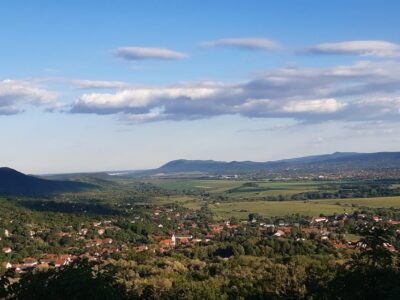
You start at Gellért Hill, where the fun is getting above the city. You’ll hop up the hill and then stroll to a prime lookout spot for photos of the Danube, bridges, and Buda Castle. This is the kind of viewpoint that makes the whole city map click in your head.
After that, you head to Citadella. The story here is part geography, part history: a fortress area on Gellért Hill, now known for the Liberation Monument. It’s also described as a UNESCO World Heritage Site, which tells you you’re standing somewhere that carries weight beyond the view.
Practical tip: these are hill stops. If your legs tire easily, take it slow on the walk and use the time for photos without rushing. The early start also helps you avoid the worst midday crowds.
Chain Bridge, Castle Garden, and Fisherman’s Bastion: Icon Photos in the Castle Quarter
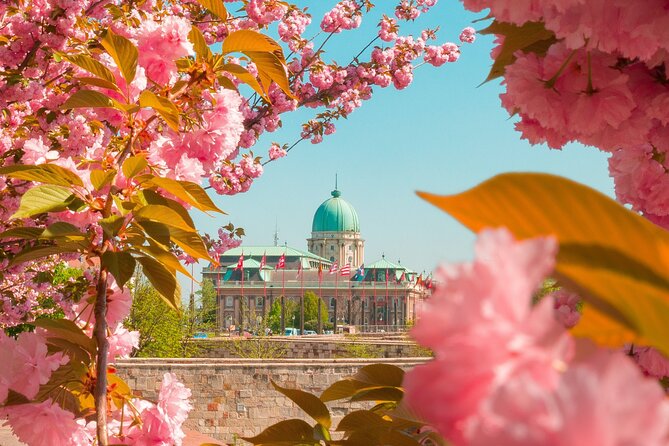
Next comes one of Budapest’s top “postcard” icons: the Széchenyi Chain Bridge. It connects Buda and Pest across the Danube and is named after Count István Széchenyi. Even when you think you already know this bridge from pictures, seeing it at close range helps. You can spot the scale and how it frames the river and castle views.
Then you step into Castle Garden inside the Buda Castle complex. This area is tied to the palace setting and described as Neo-Renaissance in style, with cultural activity like exhibitions and performances. Even if you don’t plan to attend anything, it’s a good spot to slow down and notice architecture in context.
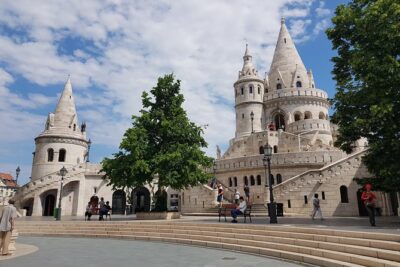
After that, it’s Fisherman’s Bastion. The big headline: it gives some of the best city views from the Buda Castle area. The twist is that it looks medieval, but it was built in the early 20th century to celebrate Hungary’s 1000th birthday. That contrast is part of why it works so well for visitors—you get a “historic-looking” place with a modern story.
One money detail to watch: only the upper level requires an admission fee. You can still enjoy plenty from outside angles, but if your goal is the top viewpoint, budget for the extra ticket.
Matthias Church Interior: Where the Building Looks Like It’s Wearing Jewelry

Now for the interior highlight: Matthias Church. This stop is included with an entry ticket, which is smart because churches like this often have tighter schedules and you don’t want to spend your limited tour time negotiating tickets.
What you’re looking at is a mix of styles. The interior is described as having oriental flair plus romantic historicism, with Neo-Gothic vibes on top. In plain terms: the church doesn’t look like a single-style European cathedral you’ve seen a dozen times. It’s more “designed,” more ornate, and it gives you lots to notice as you look around.
Practical tip: if you’re taking photos, be respectful of signage and people praying. You’ll get more out of this stop if you let your eyes adjust before you start shooting.


Buda Castle Quarter Pass-By: A Whole Neighborhood of Styles
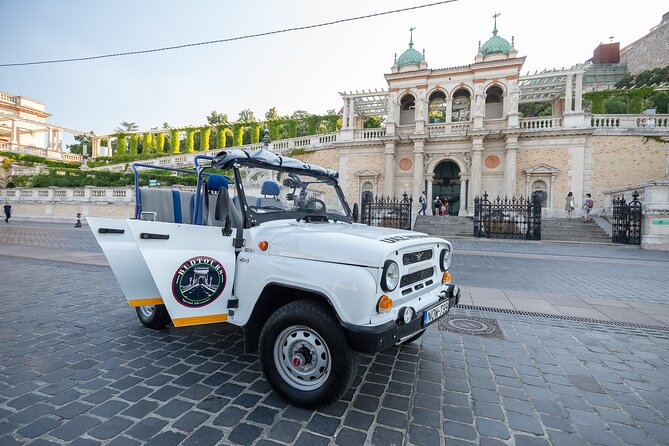
Between the “big named” stops, you’ll also be surrounded by the Buda Castle complex and the Castle Quarter. The area is described as a mix of Medieval, Baroque, and Neoclassical styles, and it’s a UNESCO World Heritage Site.
Even if the tour doesn’t turn every corner into a museum stop, this is where a guide helps most. You’ll see how different buildings relate to each other and why the Castle Hill area feels like a layering of eras rather than one snapshot.
Parliament and Nyugati: Pest’s Grand Icons From the Outside
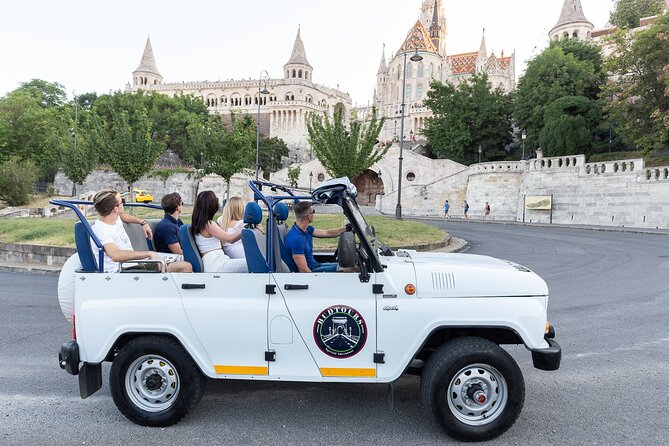
You’ll pass by the Hungarian Parliament Building along the Danube. It’s designed in a neo-Gothic style and has been Hungary’s largest building since it was built. Even if you don’t go inside on this tour, the exterior sets the tone for Pest: serious, formal, and built to impress.
Then you move toward Budapest Nyugati station (Nyugati). It’s one of the city’s main railway hubs on the Pest side, with history dating to 1877. The modern twist here is that it’s also associated with one of the world’s fanciest McDonald’s, plus a revamped square with trendy bars and cafés nearby.
Why this matters on a best-of tour: Nyugati and Parliament show you two sides of “Budapest at speed.” One is civic power. The other is historic infrastructure with modern city life around it.
St. Stephen’s Basilica: One of Budapest’s Most Important Churches (Included Entry)
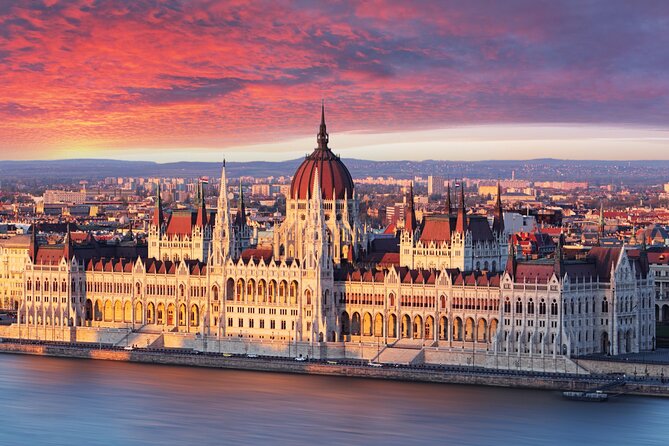
Next you reach St. Stephen’s Basilica (Szent István Bazilika) with included entry. This is a big one: it honors Hungary’s first king, it’s tied to the Roman Catholic Archdiocese of Esztergom–Budapest, and it’s described as the third largest church in Hungary and the tallest in Budapest.
It’s also listed as World Heritage Site status. For you, the practical benefit is simple: this is worth the ticket energy. The included entry means you’re not guessing how long you’ll spend lining up or whether you’ll get in at the right time.
If you’re sensitive to walking inside, go at a relaxed pace. Churches can feel louder and cooler than you expect.
Andrássy Avenue and the Opera House Facade: Budapest’s Elegant Boulevard
You’ll spend time on Andrássy Avenue, a UNESCO-listed boulevard with Neo-Renaissance buildings. This is one of those streets where you can feel the city’s “grand promenade” planning. Shops, cafés, and restaurants line the road, and there are cultural institutions along it.
The tour also references the Hungarian State Opera House on Andrássy út. The building’s described neo-Renaissance look is symmetrical, with sculptures of composers on the façade. Inside, it’s noted for marble sphinxes, frescoes, gold accents, and luxurious marble—but entry is not included for the opera house interior on this tour.
If opera isn’t your priority, focus on the building from the sidewalk and let the street architecture do the work.
House of Terror: A Powerful Memorial Stop Worth Approaching Carefully
The House of Terror at 60 Andrássy Avenue is included as a pass-by/memorial stop in this route. It’s described as a museum and memorial dedicated to Hungary’s 20th-century struggles under fascist and communist regimes—focused on people who were imprisoned, interrogated, tortured, or killed.
Even without buying extra entry time here, it’s worth slowing down mentally. This is not a light sightseeing moment. It’s more like a stop that gives you context for how the city’s history shaped everyday life and politics.
Heroes’ Square and City Park: Big Monuments and a Thermal-Bath Option
At Heroes’ Square (Hősök tere), you’ll see the Millennium Monument, including statues of important Hungarian leaders and the Seven Chieftains of the Magyars. The square sits at the end of Andrássy Avenue, near City Park. It’s a classic “stand here and take it in” location.
Then the route heads to City Park (Városliget). This area has multiple attractions, but the tour gives you a quick look at the neighborhood vibe. It points out:
- the largest thermal bath in Central Europe (you pay to go inside)
- the national zoo and circus options (you pay to enter)
- Vajdahunyad Castle, known for its architectural mix built for the Millennium celebrations
City Park is also a great place to stretch your legs between stops, even if you don’t go into baths or zoo areas.
Central Market Hall and Liberty Bridge: Food Energy With Danube Views
You’ll spend time at Central Market Hall (Great Market Hall). It’s described as Budapest’s oldest and largest indoor market, located at the end of Váci utca by Liberty Bridge on Fővám Square. This is a practical break in the itinerary because you can browse without committing to museum time. It’s a good place to try snacks or buy small items if you want a souvenir that feels local.
After that, you’ll connect visually with the Liberty Bridge (Freedom Bridge). The bridge links Buda and Pest, has Art Nouveau design elements, mythological sculptures, and the Hungarian coat of arms. It was originally named Ferenc József híd and built for the Millennium World Exhibition.
If you like walking in the city but don’t want to plan routes, this combination helps you understand how bridges stitch neighborhoods together.
A Note on Gellért Baths: Where Relaxation Could Fit
The tour includes a stop at St. Gellért Thermal Bath and Swimming Pool at the Hotel Gellért in Buda. The springs date back to the early 20th century, and it’s positioned as a peaceful soak-and-unwind option.
But admission is not included here, so think of this as a chance to see the venue and decide if you want to add a spa session on your own time.
Should You Book This Budapest Best-of Tour?
Book it if you want a small-group, private way to see Budapest’s heavy hitters without building a route yourself. The included entry for Matthias Church and St. Stephen’s Basilica makes it easier to get value out of a short day, and the early hill viewpoints help you understand the city’s layout fast.
Skip it if you’re the type who wants long time inside museums and churches. This tour is designed for smart pacing, not slow exploration. Also, if you have limited mobility, it’s worth asking specific questions before you go about walking segments and what the guide can accommodate—your success will depend on how your route is managed in real time.
If you’re planning a first trip to Budapest, this is a strong way to get oriented and collect photos you’ll still be proud of later.
FAQ
Is hotel pickup and drop-off included?
Yes. The tour includes hotel pickup and drop-off. You provide the exact pickup address, and if you’re arriving by ship you provide the ship name.
How long is the Best of Budapest Tour?
It runs about 3 to 4 hours.
What languages is the tour offered in?
It’s offered in English.
Are tickets included for every stop?
No. Entry tickets included are for St. Stephen’s Basilica and Matthias Church. Other stops may be free from the outside, and some have extra charges if you choose to go in (for example, only the upper level of Fisherman’s Bastion requires admission).
Is the tour private?
Yes. It’s a private tour/activity, and only your group participates. The group size is up to 6.
Can I cancel and get a full refund?
Yes. You can cancel for a full refund up to 24 hours before the experience starts.