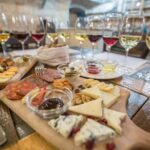
Budapest tastes better without meat. This vegan Hungarian food tour is led by Chef Edith and built around four all-vegan places, so you get Hungarian comfort food without the usual compromises. I also like that it’s a small group (max 15), which keeps the meal feeling personal and conversation-friendly. One thing to consider: sodas and pop are not included, so plan on tap water to stay on budget.
It’s a 3-hour lunch-style outing in English, starting and ending near Deák Ferenc tér. You’ll sample a sweet start, a hearty soup, a classic noodle stew, and Hungary’s famous chimney cake with ice cream, so you can treat this like a real meal, not a quick snack run.
The vibe is relaxed. You get context for dishes and venues, plus practical city tips (including how to handle public transport along the route). If you’re very picky about texture—say, seitan-based dishes—go in with an open mind and eat slowly.
In This Review
- Key highlights you’ll actually feel
- A vegan Hungarian lunch tour that works for real travel days
- The 3-hour route: four all-vegan places, one focused menu
- Stop 1: choco brioche and the bakery rhythm of Budapest
- Stop 2: bean gulyás soup in the city’s lunch zone
- Stop 3: paprikash with noodles and homemade seitan
- Stop 4: chimney cake with ice cream to close the meal
- What makes this tour feel different (in a good way)
- Value and portion math: is $85.82 worth it?
- Who this vegan Hungarian food tour suits best
- Logistics without the headache: where it starts and how it flows
- Should you book this vegan Hungarian food tour?
- FAQ
- How long is the vegan Hungarian food tour in Budapest?
- What does the tour include?
- Is the tour offered in English?
- How many people are in the group?
- Where does the tour start and end?
- Are soda or other drinks included?
- Is the tour suitable if I’m lactose intolerant or I don’t eat meat?
Key highlights you’ll actually feel
- Chef Edith guides the meal with local food stories, not just recipes
- Four all-vegan stops (bakery, bistro, and two restaurants) packed into about three hours
- Hungarian classics, veganized well: bean gulyás, paprikash with noodles, and more
- Come hungry: portions are big enough that you’ll likely skip dinner
- Small group up to 15 keeps the tour moving while still feeling personal
- English tour with a mobile ticket and easy access from public transportation
A vegan Hungarian lunch tour that works for real travel days
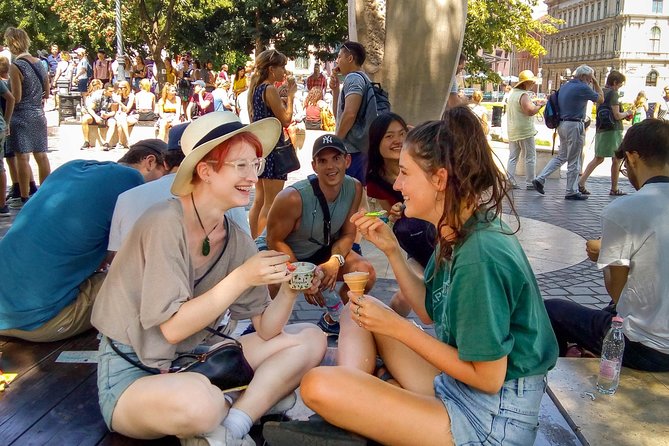
Budapest has plenty of food tours, but this one hits a specific sweet spot: Hungarian comfort food, done vegan and done carefully. You’re not just ordering plants and hoping it feels like the real thing. The point is to show you how Hungarian flavor can stand on its own—paprika, peppery heat, slow-simmered stews, and bakery sweets—without meat in the bowl.
The “small-group” limit matters more than it sounds. With a group capped at 15, you’re not stuck behind a slow-moving line of people at each restaurant. You also get more room for back-and-forth questions, especially because the tour leans conversational. That can make a big difference if you’re the type who likes to ask why a dish tastes the way it does.
Value-wise, the price (about $85.82 per person) is not “cheap lunch in the park.” But it isn’t overpriced for what you get either. This is four described food stops—so multiple tastings that add up to a full lunch experience.
You can also read our reviews of more food & drink experiences in Budapest


The 3-hour route: four all-vegan places, one focused menu

You’ll visit four all-vegan establishments: a bakery, a bistro, and two restaurants. The order is designed like a meal: sweet snack first, then soup, then a stew-course main, then dessert.
The tour starts at Deák Ferenc tér and ends back there. It’s also offered in English and uses a mobile ticket, which cuts down on paper-hunt stress.
One smart detail: the route uses public transportation to cover more ground efficiently. On top of the food, this can help you get your bearings fast—some guides on this tour also help with quick tram-ticket know-how like how to validate, which is handy if you’re new to Budapest.
Stop 1: choco brioche and the bakery rhythm of Budapest
You start with a choco brioche, a classic-feeling local snack that sets the tone for the whole day: cozy, sweet, and meant to be eaten on the move. You can also take it away, which is great if your schedule after the tour is tight.
This first stop works because it solves the biggest food-tour problem: arriving hungry and then waiting. You get fed right away, and you still have room for the heavier courses to come. It also gives you a quick taste of how Budapest bakery culture feels—warm, buttery (even in vegan form), and not too fancy. That’s the kind of comfort you want before you tackle soup and paprika-heavy stews.
Practical tip: if you’re sensitive to sugar swings, take a slow bite at the start and save the rest for walking between places.
Stop 2: bean gulyás soup in the city’s lunch zone
Next up is bean gulyás soup, described as a vegan version of the traditional bean gulyás served downtown-style. Gulyás is Hungary’s “stick-to-your-ribs” category, and soup is the right middle step: it warms you up without feeling like a full-on second dinner.
What I like about this choice is how it reveals technique. When you remove meat, you have to build depth another way—through paprika, aromatics, and slow-cooked flavor. Bean gulyás is a strong test of whether a vegan Hungarian kitchen can actually do Hungarian comfort, not just mimic it.
If you’ve had gulyás before in a non-vegan form, expect the flavor to lean paprika-forward and hearty, but the texture will be its own thing. Beans naturally give body, so the soup stays satisfying even without animal fat.
Stop 3: paprikash with noodles and homemade seitan
Then comes the main-course moment: vegan paprikash stew with noodles, served in a cosy vegan restaurant setting. Paprikash is one of those dishes people treat like a Hungarian signature, and here it’s made with homemade seitan.
Seitan can be a dealbreaker for some people, but if you’re open to it, this is the kind of dish where seitan usually wins. It can take sauces well and hold up against noodles, so the stew stays spoonable and filling instead of watery.
What to watch for: paprikash-style sauces are often rich and paprika-thick. If you’re heat-sensitive, you might want to pace your bites and sip water between spoonfuls. Also, if you’re used to very lean soups, plan for something more substantial here.
From the menu examples and dish variety, you may also encounter other classic Hungarian favorites in vegan form, such as vegan pepeikosh (mentioned as part of the tour experience) and plates like brassoi with seitan. That’s a good sign if you want variety beyond the exact sample menu.
You can also read our reviews of more tours and experiences in Budapest





Stop 4: chimney cake with ice cream to close the meal
Finally, it’s dessert—and a real Hungarian one: chimney cake filled with ice cream. Chimney cake is famous for a reason. It has that crisp-on-the-outside, soft-inside texture, and it’s the perfect end point after savory courses.
This is also why I recommend showing up with an empty stomach. Even if you only eat half of each savory dish, you’ll probably still be ready for dessert. And if you love bakery sweets, this finish feels like a reward rather than an afterthought.
One more practical detail: because it’s dessert with ice cream, eat it relatively soon after it’s served. That helps you get the best texture contrast, which is a big part of the chimney cake experience.
What makes this tour feel different (in a good way)
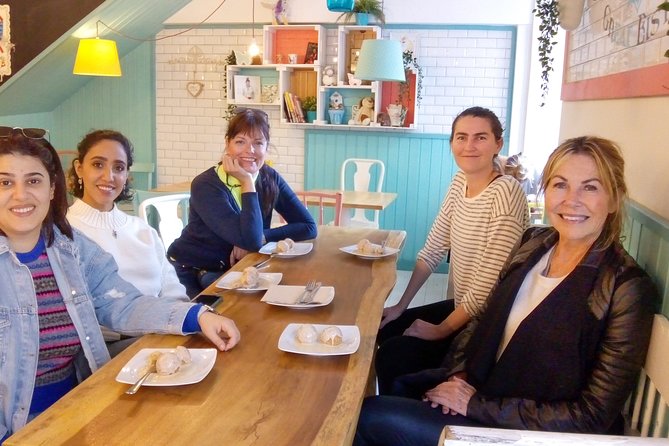
Plenty of tours promise local flavor. This one focuses on local flavor and the why behind it. Chef Edith’s role isn’t just walking you from place to place. The tour includes dish context—how vegan versions fit Hungarian tastes, why these foods matter in Budapest food culture, and how the venues connect to each other.
I also like that the tone isn’t stiff. One of the best parts of this style of tour is that the conversation can move with the group. If you like talking food and food culture, you’ll probably find the pacing comfortable. If you prefer quiet, you still get the structure of four clear stops and a full lunch schedule.
Small-group size (max 15) adds another layer: you’re not always repeating yourself or waiting for a guide to herd people. It keeps the flow smoother, which is especially nice in a city where walking times between spots can add up.
Value and portion math: is $85.82 worth it?
For $85.82, you’re paying for four described stops at all-vegan places, plus guidance in English, plus a 3-hour route that uses public transportation. On paper, it’s more than grabbing a sandwich.
In practice, it’s closer to paying for a meal that covers a lot of Hungary in one afternoon. The tour is explicitly lunch-focused, and the included foods are big enough that multiple people have suggested coming with an empty stomach. That’s the key for value: if you’d otherwise spend money on a full lunch plus dessert anyway, this starts to look like a smart “one price, one plan” deal.
The main cost caveat is drinks. Tap water is included at most places, but soda/pop drinks are not included. If you want soft drinks, you’ll likely pay extra. Still, for many travelers, keeping it to water is easy.
Who this vegan Hungarian food tour suits best
This tour is built for:
- Vegans and vegetarians, since every stop is all-vegan
- People who are lactose intolerant, since it’s listed as suitable
- Anyone curious about Hungarian classics without meat
I’d also say it’s a strong option for meat-eaters who want to taste the best of Hungarian food without treating vegan as a compromise. One of the most consistent points is that meat-eaters were pleasantly surprised, even preferring some vegan versions of Hungarian staples like gulyás in this format.
If you’re coming with a very limited diet, check your comfort with seitan, because paprikash is described as using homemade seitan. If seitan is not for you, you might still enjoy soup and pastries, but ask questions early.
Logistics without the headache: where it starts and how it flows
You meet in Budapest at Deák Ferenc tér, and the tour ends back at the meeting point. It runs about 3 hours, so it fits well into a first-day plan or a half-day food window before dinner.
Because it’s near public transportation, you can reach the start spot without a taxi. The tour also tends to move efficiently using public transit, which can help you learn the city while you eat. Some participants have said the guide even helped with practical tips like tram ticket handling, including validation.
What I’d do: after this tour, plan a light evening. Even if you like dessert, you’ll likely feel full from soup and stew plus a pastry finish.
Should you book this vegan Hungarian food tour?
Book it if you want a guided, all-vegan way to eat Hungarian classics in Budapest, with enough food to count as lunch and a guide who can explain what you’re tasting. The combination of four all-vegan stops, small-group size, and a menu built around gulyás and paprikash is a strong match for travelers who like food with real cultural context.
Skip or reconsider if:
- You’re only looking for a quick bite and not a full meal
- You know you won’t enjoy seitan-based mains
- You expect drinks like soda to be included (they’re not; tap water is the plan)
If you want an afternoon that feels like Budapest food culture, with vegan cooking done seriously, this is the kind of tour that makes the decision easy.
FAQ
How long is the vegan Hungarian food tour in Budapest?
It’s about 3 hours.
What does the tour include?
You get lunch with the described foods at four all-vegan places. Tap water is included at most places.
Is the tour offered in English?
Yes, it’s offered in English.
How many people are in the group?
The group is capped at a maximum of 15 travelers.
Where does the tour start and end?
It starts at Budapest, Deák Ferenc tér, Hungary and ends back at the meeting point.
Are soda or other drinks included?
No. Soda/pop drinks other than tap water are not included.
Is the tour suitable if I’m lactose intolerant or I don’t eat meat?
Yes. The tour is listed as suitable for vegetarians, vegans, and lactose intolerants.