REVIEW · BUDAPEST
Enjoy a Hungarian Strudel Class & Local Wine Tasting
Book on Viator →Operated by eatwith · Bookable on Viator
Cooking strudel beats watching it on YouTube.
In Budapest, this small Hungarian strudel class with guide Zita turns a calm morning into a hands-on food lesson, plus a local wine tasting in a real home setup on Pannónia Street. You’ll get technique, not just a recipe, and you’ll also get practical tips from the family about what to eat and see in the city.
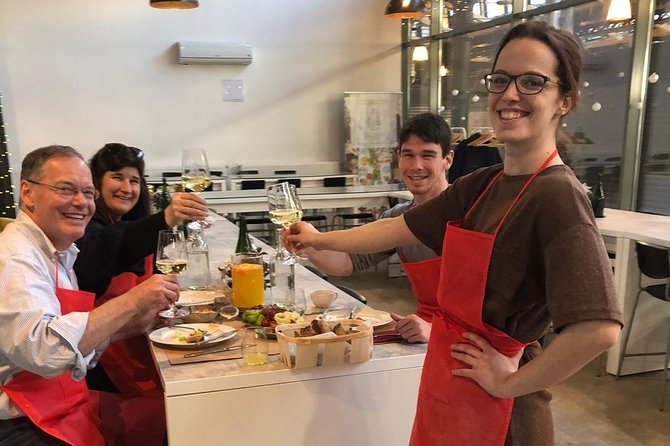
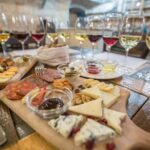
Two things I especially like are the hands-on flow and the dinner-table feeling. You’re not just mixing in the background. You learn dough basics, shape strudel, and work with classic fillings (like cottage cheese with sour cherry, poppy seed-zucchini, and apple-cinnamon) while the oven does its thing. And when you sit down, you’re eating what you made, with snacks first and Hungarian white/rose wine tasting alongside still water and Nespresso coffee.
One consideration: this is not a fit for gluten needs. The class can accommodate many dietary requests, but gluten is a key ingredient, so you need to flag allergies or special diets at least 48 hours ahead (and note that gluten cannot be accommodated). Also, alcohol service requires you to be of legal drinking age.
In This Review
- Key things you’ll notice right away
- The setting: Pannónia Street and a home-style rhythm
- What “learning strudel” really means in this class
- Snacks while the oven works: filling the time, not wasting it
- Wine tasting in context: Hungarian white and rosé
- The lunch part you actually care about
- Zita’s family approach: tips you can use right after class
- Price and value: is $126.66 per person fair?
- Who should book this class?
- Practical tips before you go
- Should you book this Hungarian strudel and wine class in Budapest?
- FAQ
- How long is the Hungarian strudel class and wine tasting?
- What time does it start in Budapest?
- Where do I meet the guide?
- Is the class offered in English?
- How big is the group?
- Is lunch included?
- What does the menu include?
- Can the class accommodate dietary restrictions?
- Are you allowed to drink wine during the tasting?
- What is the cancellation policy?
Key things you’ll notice right away
- A family-run feel: You’ll meet the household vibe, not a staged demo.
- Small group size (max 12): Easier to get help while you’re rolling dough.
- You make multiple strudels: Sweet and savory, with classic Hungarian-style fillings.
- Wine tasting is part of the meal: Hungarian white/rosé plus still water and coffee.
- Lunch is included: You can skip the hunt for a midday meal nearby.
The setting: Pannónia Street and a home-style rhythm
The morning starts at Pannónia Street (Pannónia u., 1136). That matters more than people think. A centrally located meeting point in Budapest is one less thing to stress about, especially if you’re already juggling tram/metro lines and a tight sightseeing plan.
The vibe is also a big part of why this class works. This isn’t an assembly line cooking school where you stand back and watch. It’s set up so you can jump in, ask questions, and keep moving at a pace that still feels relaxed. The family element comes through early. Several previous sessions mention meeting multiple generations and getting time to chat, which is exactly the kind of cultural contact that doesn’t happen when you just do restaurants and museums.
Timing is another plus. The class runs about 2 hours, starting at 10:00 am. That’s a sweet spot: early enough to avoid the late-afternoon crowd energy, but late enough that you’re not racing the city right from breakfast.
You can also read our reviews of more food & drink experiences in Budapest


What “learning strudel” really means in this class
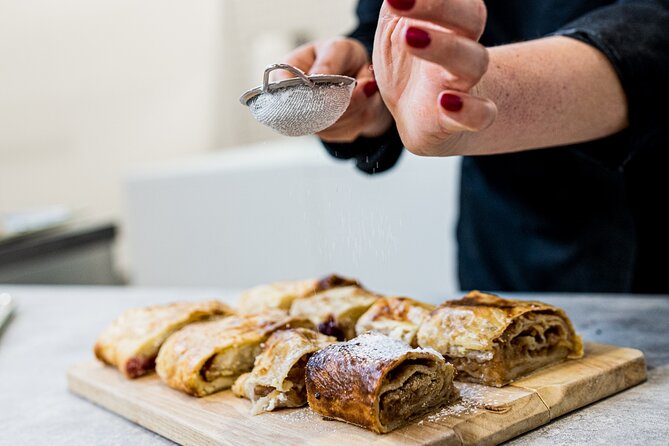
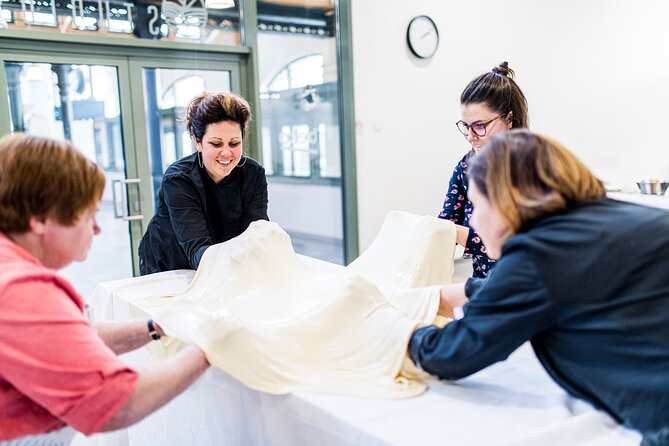
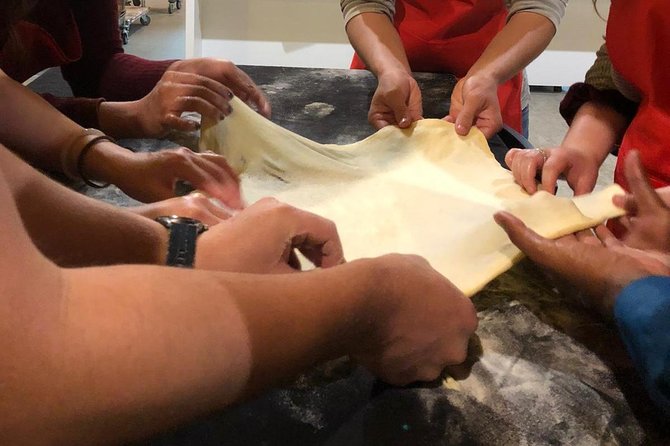
Strudel sounds simple until you try it. The dough needs to be handled right, and the stretching step is where many people get in trouble. This class is built for that reality: you’re taught the process in a way that aims for all skill levels, so you’re not stuck feeling like you must already be a baker.
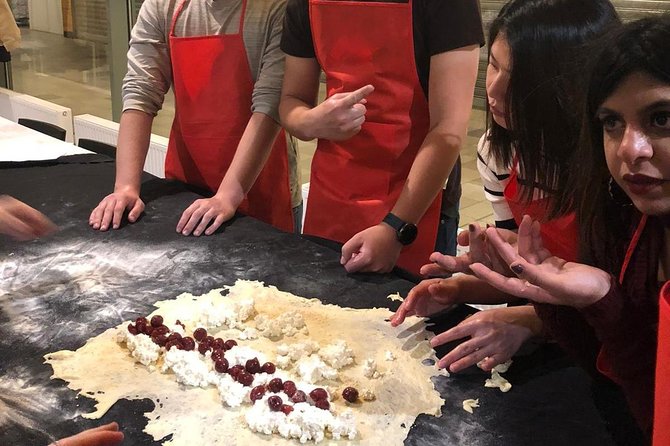
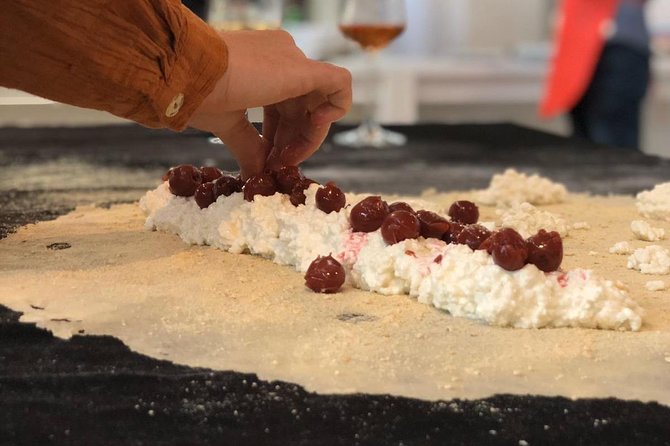
You’ll work with homemade strudel dough, then add seasonal fillings. The menu examples give you a clear sense of what you’ll be making, and why that’s useful for your brain as a traveler. Instead of one “generic” filling, you’ll likely rotate between sweet and savory combinations, including:
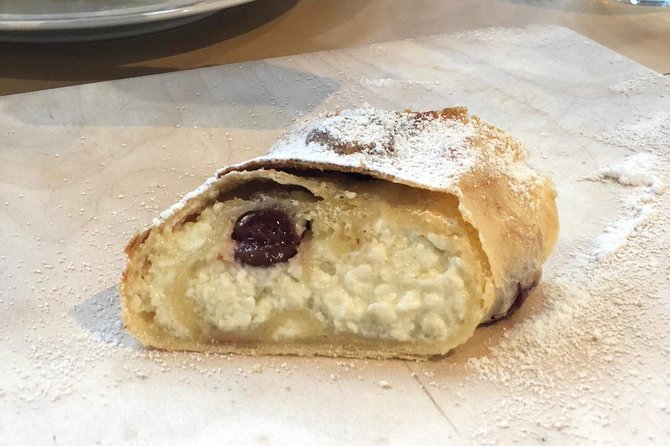
- Cottage cheese with sour cherry
- Poppy seed with zucchini
- Apple with cinnamon
That variety is a practical way to understand Hungarian flavor logic. Hungarian home baking often balances fruit, dairy, and spice in ways that feel both comforting and not overly heavy. Apple-cinnamon gives warmth and familiarity. Sour cherry and cottage cheese bring a tangy richness. Poppy seed adds a nutty, earthy depth that’s very common in Eastern-Central European pastries.
You also get the benefit of doing it in a group. A small class (max 12 travelers) means the instructor can check your technique while you’re actively working. If your dough tears, you’re not left to Google fixes between bites. You can get guidance right when you need it, while your hands are still learning.
And here’s what I’d keep in mind: you’re not expected to produce “perfect” strudel pastry on day one. The real win is understanding how the dough behaves and how the fillings are portioned and sealed so the strudel bakes up cleanly.
Snacks while the oven works: filling the time, not wasting it

One of my favorite class features is the part that comes while you wait. Here, you don’t sit around hungry. You’ll get snacks while the strudel is in the oven.
That small detail helps your whole experience. Cooking has waiting time. Food tours sometimes treat waiting like dead time. This setup uses it well, keeping you engaged, giving you a chance to taste something, and letting you chat without feeling rushed.
It also helps you understand timing. Strudel is not a dish where you can rush the bake and pretend it will turn out the same. Waiting a bit is part of the craft. You’ll get the full arc: shape, bake, then eat what comes out.
Wine tasting in context: Hungarian white and rosé
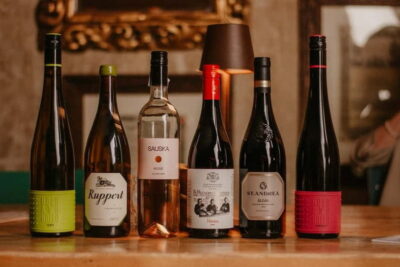
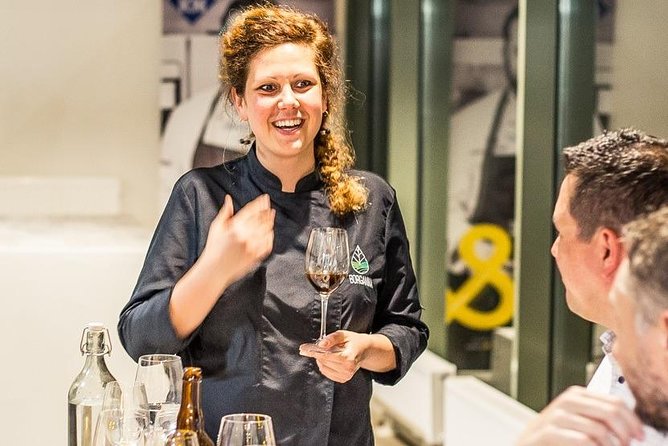
After you’ve done the hands-on work, you’ll move into the part that pairs food with place. The class includes a Hungarian white/rose wine tasting with still water, plus Nespresso coffee.
A wine tasting inside a cooking class is not just about alcohol. It’s about teaching you how locals think about pairing and balance. White and rosé make sense here because strudel can shift from tangy (like cottage cheese and sour cherry) to sweet-spiced (apple-cinnamon). You’re getting something that complements both without overwhelming the pastry flavors.
Two practical notes:
- You’ll need to be of legal drinking age to be served alcohol.
- If you’re taking this as a light cultural stop but want to stay alcohol-free, you’ll still have still water available, and coffee is included.
Also, since it’s part of the included meal experience, you’re not doing the awkward thing where you cook, then immediately go shopping for a drink somewhere else.
The lunch part you actually care about
This is one of those classes where the meal isn’t an afterthought. Your lunch is included, and you’ll be eating the strudels you helped make.
That changes the value calculation fast. Many food experiences charge you for instruction but leave you to handle food costs on your own. Here, you can skip the midday scramble and keep your budget tighter, especially if you’re already paying for a few tours during your Budapest days.
And because you’re eating soon after baking, the experience has momentum. Hot pastries taste different than cooled pastries. You’ll also get a clearer sense of what your dough and sealing choices did to the final texture.
If you’re traveling with family or friends, this is also a great “we made it together” meal. Even if someone isn’t a confident cook, the act of shaping and baking makes the result feel earned.
You can also read our reviews of more wine tours in Budapest




Zita’s family approach: tips you can use right after class
The class is led by Zita, and the tone is described as warm and knowledgeable (in the human sense, not the textbook sense). The standout theme in what people value is not just the recipe. It’s that you get little local insights while you’re there: what to see and eat around Budapest, plus the kind of casual storytelling that makes a city feel less like a checklist.
It also helps that the class atmosphere is described as fantastic with a fun balance of instruction and conversation. That’s important when you’re traveling. You want to learn something, but you also want the day to feel like a real moment, not like a classroom.
And if you’re the type who loves food culture, this is a strong fit because you’re learning from a household that treats baking as part of everyday identity, not a performance.
Price and value: is $126.66 per person fair?
For $126.66 per person, you’re paying for:
- a hands-on 2-hour cooking class (small group, max 12)
- strudel dough and classic filling ingredients
- snacks during baking
- lunch included
- Hungarian white/rose wine tasting (plus still water)
- Nespresso coffee
If you’ve done city cooking classes before, here’s how I’d judge the value. The price is easier to swallow when the meal is included. And the wine tasting adds another layer that would normally cost extra if you had to schedule it separately.
In practical terms, this is a “one-stop” experience. You’re getting instruction plus food plus a light drink pairing. If you were to replicate it yourself, you’d likely spend time and money piecing together ingredients, a baking setup, and a decent tasting opportunity. This is the trade: you pay for convenience and coaching.
The group format also keeps costs down compared to private classes, and you still get enough attention to make the lesson feel personal.
Who should book this class?
This is a great match if you want Budapest to feel edible and lived-in.
You’ll likely love it if:
- you enjoy learning by doing (hands-on beats watching)
- you’re a foodie who wants Hungarian pastry flavors beyond the basics
- you want a morning activity that doesn’t require planning a separate lunch
- you like small-group experiences where you can ask questions
It’s also a strong pick for first-timers who don’t want to overthink logistics. You meet at a known central spot, you get a mobile ticket, and you spend the class in English.
It may not be for you if:
- you need a strict gluten-free option (gluten is a key ingredient here)
- you’re hoping for a long walking tour or major sightseeing stops (this is focused on cooking and eating, not marching around the city)
Practical tips before you go
A few things to do ahead so you get the best experience:
- Tell the operator about allergies or dietary needs at least 48 hours in advance.
- Plan to arrive a little early at Pannónia Street, since it’s your easiest way to start without stress.
- If you drink alcohol, remember there’s an age requirement for service.
- Wear comfortable clothes. Strudel work is hands-on, and you’ll be standing and moving.
- Come hungry. Even with snacks during baking, the full lunch includes what you make.
Also, if you’re a beginner, don’t over-prepare. Strudel is a craft. The whole point is learning how the dough stretches and how to manage fillings without overstuffing.
Should you book this Hungarian strudel and wine class in Budapest?
I think it’s worth booking if you want an activity that feels local and practical. The small group size, the fact that you make both sweet and savory strudels, and the included meal make the value straightforward. Add wine tasting and coffee, and it becomes a morning plan that replaces eating out with something more memorable.
The main reason to pause is the gluten issue. If you can’t have gluten, you’ll want to choose a different type of class or experience.
If you’re able to eat gluten, and you like the idea of learning from Zita’s family in a home-style setting, this is the kind of Budapest activity that gives you both skills and a full belly. That combination usually turns into one of those travel moments you remember later, not just pictures you scroll past.
FAQ
How long is the Hungarian strudel class and wine tasting?
It lasts about 2 hours.
What time does it start in Budapest?
The start time is 10:00 am.
Where do I meet the guide?
The meeting point is Pannónia Street (Pannónia u., 1136 Hungary), and the activity ends back at the same spot.
Is the class offered in English?
Yes, it is offered in English.
How big is the group?
The class has a maximum of 12 travelers.
Is lunch included?
Yes. Lunch is included in this class.
What does the menu include?
You’ll make savory and sweet strudels with fillings such as cottage cheese-sour cherry, poppy seed-zucchini, and apple-cinnamon. You’ll also have snacks while the strudel bakes, plus Hungarian white/rose wine tasting, still water, and Nespresso coffee.
Can the class accommodate dietary restrictions?
Most special dietary requests can be accommodated, except gluten, because gluten is a key ingredient. You need to communicate dietary restrictions at least 48 hours in advance.
Are you allowed to drink wine during the tasting?
Alcohol is served only to guests of legal drinking age.
What is the cancellation policy?
You can cancel for free up to 24 hours in advance for a full refund. If you cancel less than 24 hours before the start time, the amount paid is not refunded.