REVIEW · BUDAPEST
Budapest: Concert on the Oldest Working Organ in the City
Book on GetYourGuide →Operated by Teleki Miklós · Bookable on GetYourGuide
St. Michael’s organ feels like time travel. This concert series puts you inside a Baroque church setting to hear solo organ or chamber pieces on Budapest’s oldest working organ. It is the kind of outing that turns an ordinary evening walk into a focused cultural stop.
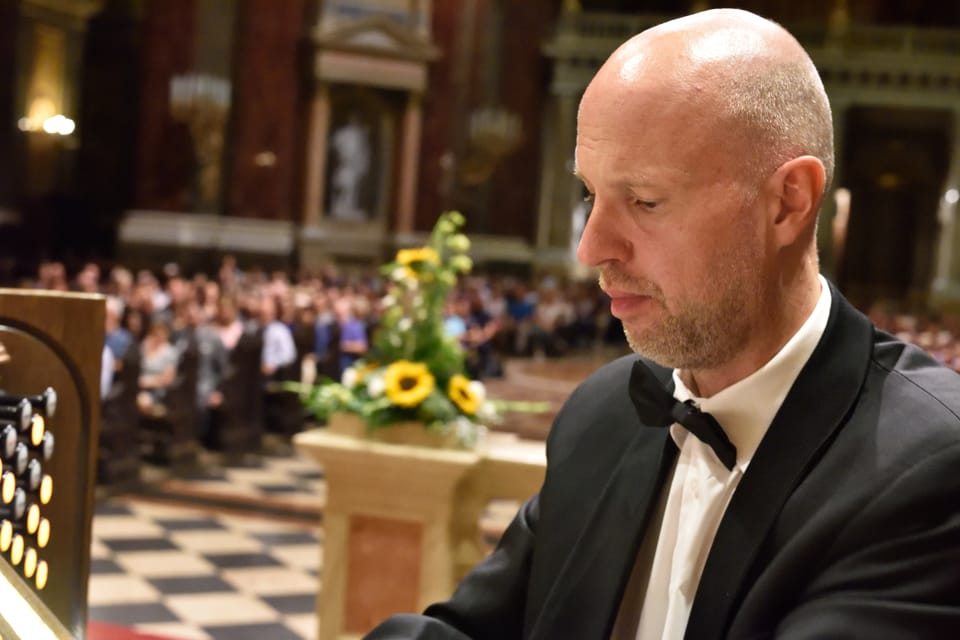
Two things I really like: the performer standard and the easy “how to listen” support. Miklós Teleki, the series creative director and main organist, is an award-winning Hungarian musician who plays at almost all recitals, and the programs mix famous composer hits with organ-literate surprises. You also get a short introduction in English and Hungarian, plus a printed leaflet and an on-site screen showing the organist at work.
One consideration before you go: this is not a giant cathedral organ show. The instrument is described as a 25-pipe beauty, so if you’re expecting massive, cinematic pipe power, you may need to adjust your mental picture and focus on precision and atmosphere instead.
In This Review
- Key points to know before you book
- St. Michael’s Church concert, in 70 minutes
- The artist lineup: Miklós Teleki and 2025 special guests
- What you’ll hear: Bach, Mozart, Liszt, Handel, and old Hungarian organ music
- How the concert runs: intro first, then music you can follow
- The venue and instrument: 25 pipes, strong atmosphere
- Price and value: $24 for live organ, not a museum lecture
- Getting there: where to meet near the Danube
- When to go: Friday nights plus specific 2025 dates
- Who this concert suits (and who might skip it)
- Should you book this concert?
- FAQ
- How long is the concert?
- Where is the meeting point for the concert?
- Who typically performs, and are there any exceptions?
- What kind of music will be included?
- Are there English materials during the concert?
- Can I record video or audio during the performance?
- Is the venue wheelchair accessible?
Key points to know before you book
- Budapest’s oldest working organ powers the whole experience at St. Michael’s Church
- Miklós Teleki leads most concerts, with notable substitutions on specific dates
- Your listening guide is built in: English intro, leaflet, and a screen showing performance
- Programs rotate with classical staples and older Hungarian organ selections
- It’s intimate and time-tight at about 70 minutes—great for a Friday evening plan
- No recording allowed, so come ready to watch, listen, and leave the phone in your pocket
St. Michael’s Church concert, in 70 minutes
This concert is a smart fit for Budapest because it is short, focused, and calming. You’re not signing up for a full evening event that eats your dinner plans. Instead, you get about 70 minutes of live music in a church designed for listening, where the sound travels well and the setting stays peaceful.
What makes this format valuable is how “complete” it feels for the price. At $24 per person, you’re paying for direct access to the instrument itself and a live performer. The concert includes the organ (Budapest’s oldest working organ) and a classical program designed to be both enjoyable and listenable without needing advanced music knowledge.
And yes, it’s an organ concert, so it has that quiet intensity. If you like the idea of sitting still for a while—letting melodies and harmonies carry you—you’ll probably find this an easy win. If you need constant action, you might find it slower than the nightlife crowd.
You can also read our reviews of more city tours in Budapest


The artist lineup: Miklós Teleki and 2025 special guests
The series is anchored by Miklós Teleki, listed as the creative director and main organist. He is described as award-winning and gives roughly 120 organ and piano recitals a year, which matters because it signals someone who plays often and at a high level.
Teleki performs at almost all recitals, with specific substitutions in 2025:
- 4 July: Andres Uibo (Estonian musician) plays the organ
- 31 October: Tamás Lozsányi (Hungarian organist) takes the keyboard
There are also chamber music dates where Teleki performs alongside soprano Nóra Ducza: 30 May, 18 July, 29 August, 17 October, and 23 December. On those nights, you’re not just hearing the organ. You get a vocal line layered over the instrument’s tone, which can change the emotional texture of the program.
If you want one simple planning rule: check the date, then confirm whether you’ll hear solo organ or chamber music. The series swaps format depending on the night.
What you’ll hear: Bach, Mozart, Liszt, Handel, and old Hungarian organ music
The program style is classic on purpose. Organ music works best when the audience hears clear forms—preludes, fugues, toccatas, chorales—then hears how a performer shapes them in real time.
The series selection includes composer names you’ll actually recognize, such as Bach, Dubois, Franck, Handel, Liszt, Mendelssohn, Mozart, Purcell, and Vivaldi, plus older Hungarian organ works. The organ program examples show how broad they can go:
On one sample date (example given for 4 April 2025), you might see:
- Bach Prelude and Fugue in B minor BWV 544
- Bach Trio Sonata in E-flat major BWV 525
- Vivaldi–Bach concerto material (Concerto in A minor BWV 593)
- Bach Pastorella movements
- Bach Prelude and Fugue in E-flat major BWV 552
On another sample date (example given for 11 April 2025), the mix can include:
- Mozart Fantasy in f minor
- Old Hungarian organ compositions (from Kilián Szigeti’s collection)
- Liszt Consolation and choral works
- Dubois In Paradisum and Toccata in G major
- Bach Nun komm, der Heiden Heiland BWV 659
- Bach Toccata and Fugue in D minor BWV 565
So what does that mean for you? You can treat this concert like two things at once:
1) a greatest-hits organ evening
2) a guided introduction to how organ traditions connect across centuries and styles
And because the leaflet and intro explain what you’re hearing, you’re not just passively listening—you get help recognizing forms while the music stays front and center.
How the concert runs: intro first, then music you can follow
This is a concert where the organizers think about first-time listeners. It starts with a short introduction in both English and Hungarian. The printed program leaflet is also available in English and Hungarian and includes info about the organ.
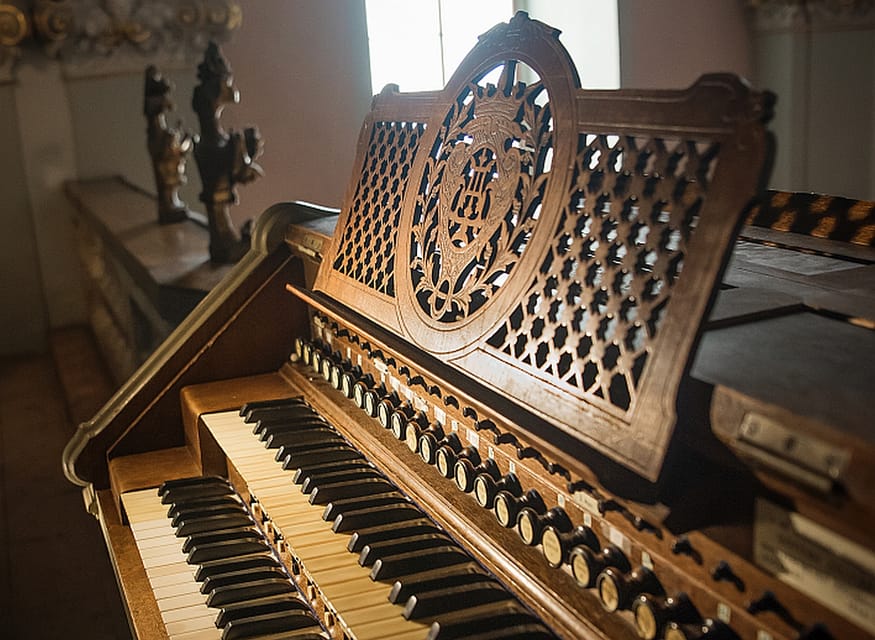
During the performance, you’ll have a second layer of guidance: the organist playing can be seen on a screen. That’s a big deal in a solo organ concert, because it helps you understand what your ears are noticing. Organists shift between manuals and stop changes, and seeing the movement makes the sound make more sense.
The concert also includes a printed leaflet you can follow during the show. If you’ve ever wished classical music came with a small map, this is the closest thing without getting heavy or technical.
One rule to know: no video recording and no audio recording. It keeps the space calm and respectful for everyone.
The venue and instrument: 25 pipes, strong atmosphere
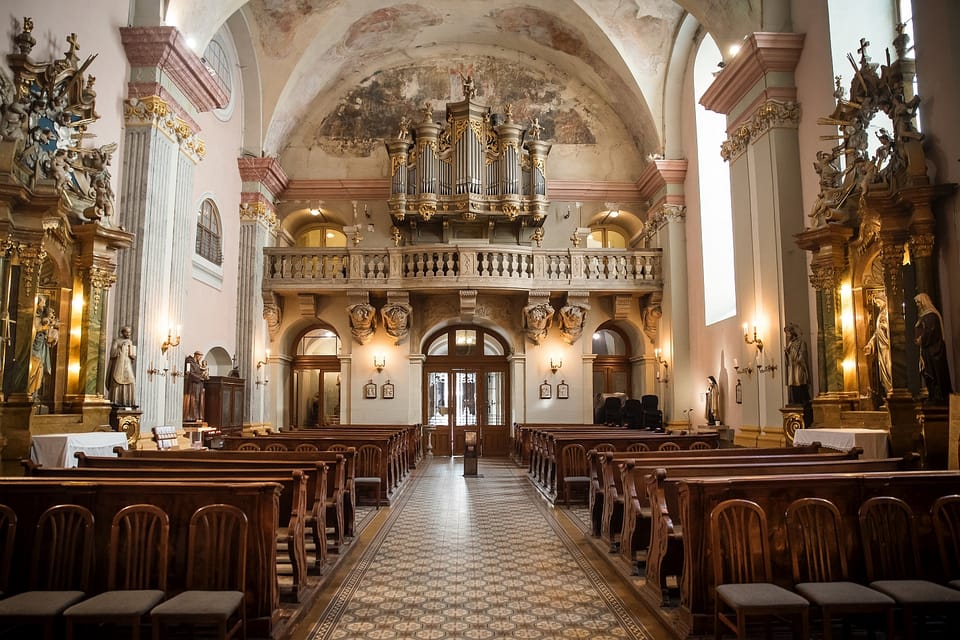
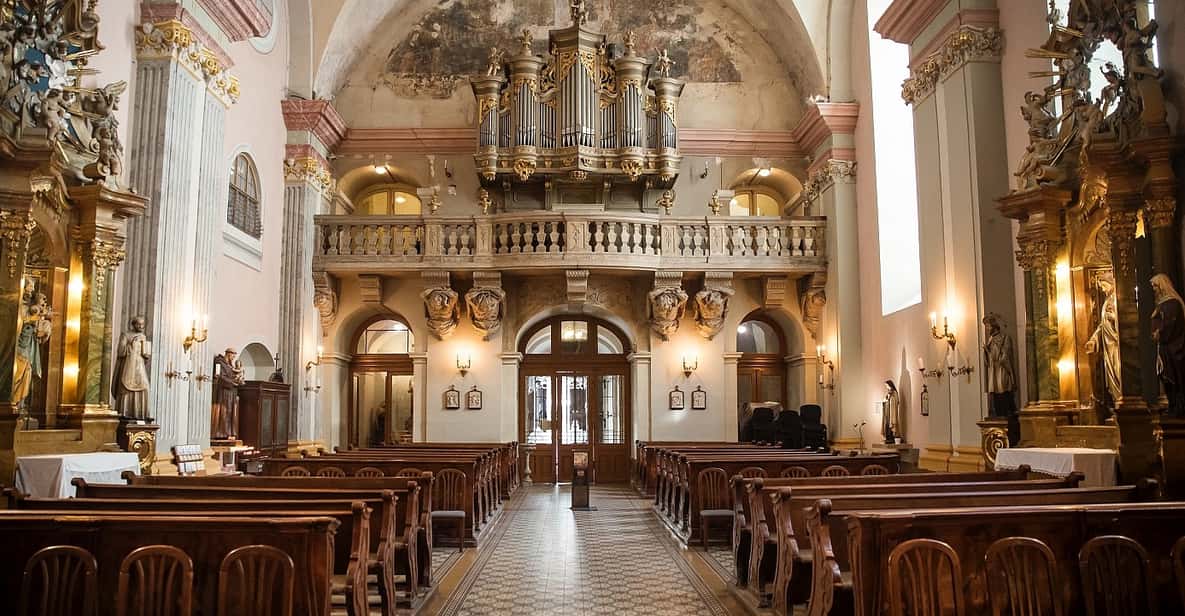
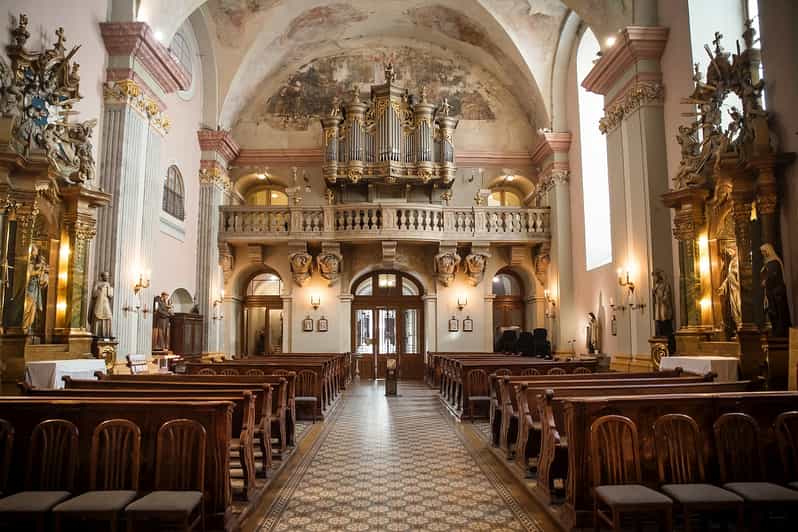
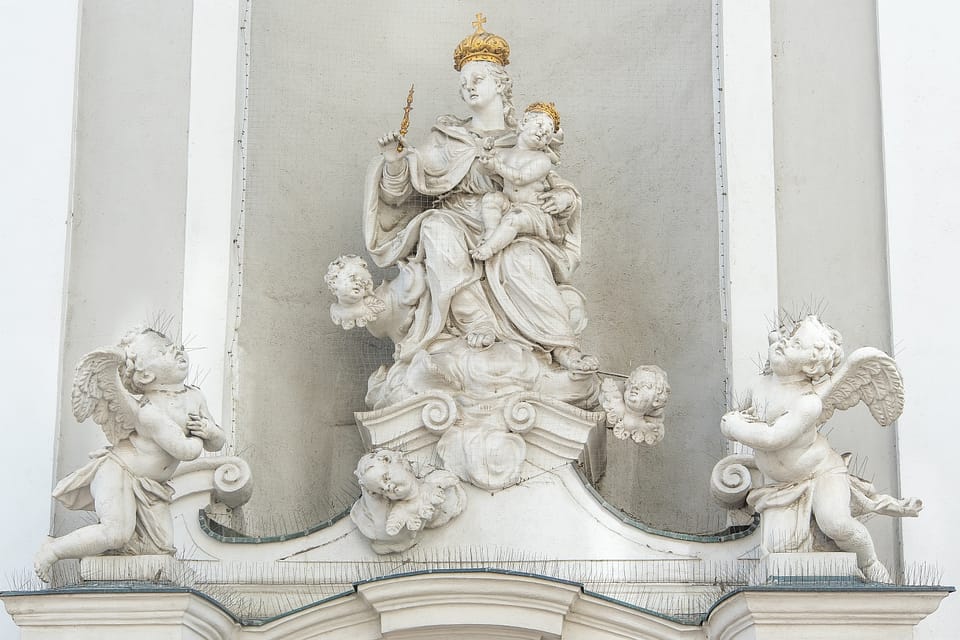
Let’s talk about the building and the sound. This concert happens at St. Michael’s Church, Budapest, at a meeting point in the 5th District on the corner of Váci utca and Nyáry Pál utca, close to the Danube. The venue is described as a beautiful Baroque church environment.
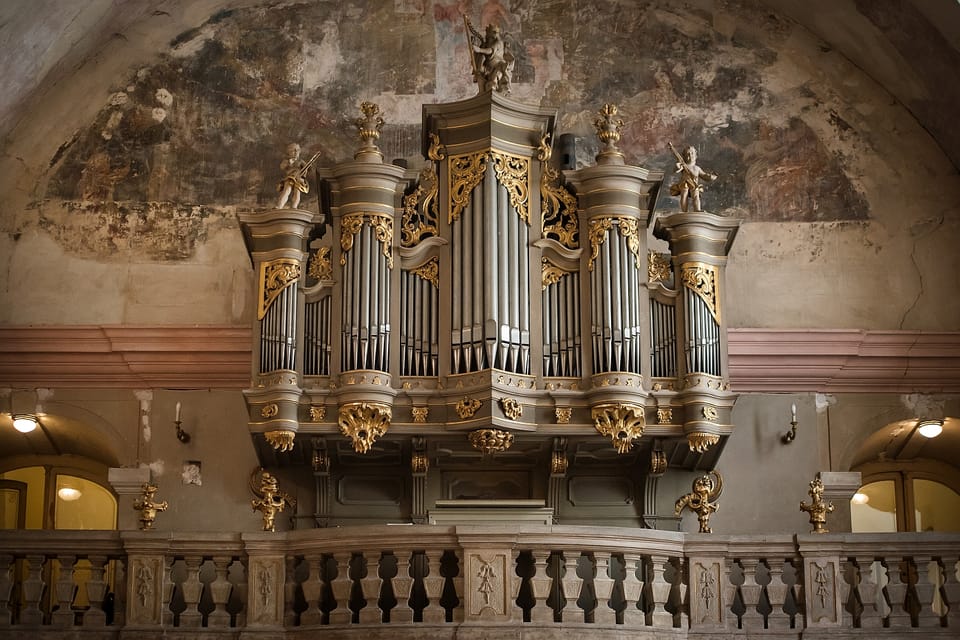
Now for the organ itself. The instrument is not a huge cathedral organ. It is described as a 25-pipe beauty installed in the church. That detail matters because it changes the kind of listening experience you’ll have. A smaller instrument can still be dramatic, but the vibe leans toward clarity, control, and closeness rather than huge-wall-of-sound theatrics.
In practical terms, you’ll likely hear more detail: articulation, phrasing, and how the performer controls dynamics. The church acoustics and the organ’s design work together, which is exactly what you want on an evening concert. This isn’t background music—it’s a room built for focused listening.
You can also read our reviews of more tours and experiences in Budapest






Price and value: $24 for live organ, not a museum lecture
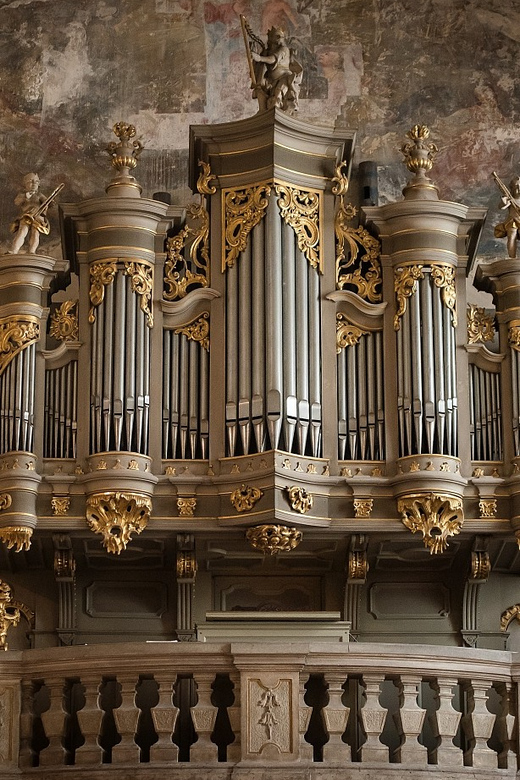
Price is where this experience becomes unusually fair. $24 for a live performance in a real historic church with the city’s oldest working organ is strong value, especially when you compare it to typical paid cultural events that don’t include the actual instrument or performer.
You also get practical perks:
- Entry tickets included
- Skip the ticket line
- A printed program leaflet
- Live classical music in a venue that’s built for it
There’s no guide bundled into the ticket, but the short intro and bilingual materials fill that gap. You’re not paying extra for someone to read facts off a page. You’re paying for music you can hear clearly.
Getting there: where to meet near the Danube
Meet at the white church building on the corner of Váci utca and Nyáry Pál utca (postal code 1056), in the 5th District near the Danube. The activity ends back at the meeting point, so you don’t need to plan a separate pickup.
A simple tip: arrive a bit early so you can settle in quietly. The flow is designed to be smooth—tickets are checked at the door—so you’re not stuck in a long line. The main thing is to give yourself time to find your spot in the church before the program begins.
When to go: Friday nights plus specific 2025 dates
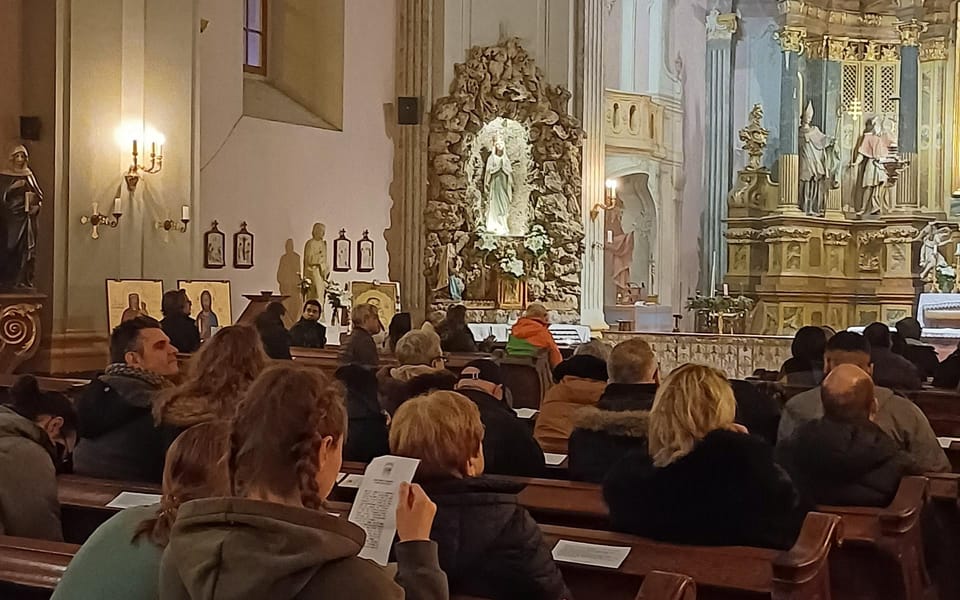
The series is described with Friday evening concerts as a regular offering, and it also lists other specific nights in 2025.
Two extra Tuesday night concerts are noted:
- 23 December 2025
- 30 December 2025
Chamber music nights with soprano Nóra Ducza and Miklós Teleki are listed as:
- 30 May
- 18 July
- 29 August
- 17 October
- 23 December
Because format changes by date, I’d treat date selection as part of your enjoyment:
- If you want a solo organ experience, pick a date where solo organ is scheduled.
- If you want more variety and vocal color, choose one of the chamber dates.
Also, starting times vary, so you’ll want to check availability for the slot you’re aiming for.
Who this concert suits (and who might skip it)
This is a great choice if you:
- like classical music but don’t want a complicated, long program
- want an authentic Budapest cultural moment that is still easy to fit into your day
- enjoy hearing how a performer shapes older forms like fugues and chorales
- want a quieter evening plan with a real sense of place
It may not be the best match if you:
- expect a massive cathedral-style organ spectacle with nonstop intensity
- strongly prefer music with large ensembles (this series is often solo organ, depending on the night)
- need to record audio or video during the performance
The tone here is reflective. If that sounds good, you’re in the right headspace.
Should you book this concert?
I’d book it if you want a high-skill classical experience in a beautiful church, built around the oldest working organ in Budapest, with clear listening support (intro, leaflet, and a screen). The combination of Miklós Teleki’s recurring presence and the mix of composers makes it a solid value at $24.
Skip it only if you’re chasing a huge, showy spectacle or you’re hoping to record your own clips. Otherwise, this is exactly the kind of evening plan that makes Budapest feel personal—quiet, thoughtful, and very musically alive.
FAQ
How long is the concert?
The concert duration is listed as 70 minutes.
Where is the meeting point for the concert?
Meet at the white church building on the corner of Váci utca and Nyáry Pál utca in Budapest’s 5th District (1056), near the Danube.
Who typically performs, and are there any exceptions?
The creative director and main organist is Miklós Teleki, who performs at almost all recitals. Specific exceptions mentioned include Andres Uibo on 4 July and Tamás Lozsányi on 31 October. Chamber concerts include soprano Nóra Ducza on the dates listed.
What kind of music will be included?
The program varies by date but can include organ and chamber selections by composers such as Bach, Dubois, Franck, Handel, Liszt, Mendelssohn, Mozart, Purcell, and Vivaldi, along with older Hungarian organ compositions.
Are there English materials during the concert?
Yes. There is a short introduction in English and Hungarian, and the programme leaflet is also available in English and Hungarian.
Can I record video or audio during the performance?
No. Video recording and audio recording are not allowed.
Is the venue wheelchair accessible?
Yes. The activity is listed as wheelchair accessible.