REVIEW · BUDAPEST
Budapest: Classical Music Concerts in St Stephen’s Basilica
Book on GetYourGuide →Operated by DKN Zenei Ügynökség Kft. · Bookable on GetYourGuide
St. Stephen’s Basilica turns listening into a full-body experience. You’re stepping into Budapest’s most dramatic church interior for a 70-minute classical concert with real soloists, not background music.
I especially love two things: the sheer quality of the performers (orchestra, soprano, and featured players) and the fact you can choose your concert and seating tier based on what you actually feel like hearing and spending.
One possible drawback: the building’s acoustics can be a lot. If you’re sensitive to heavy church reverb, the sound can feel echoey rather than crisp, depending on the program and how the night settles.
In This Review
- Key things to know before you go
- Why St. Stephen’s Basilica feels like a concert no matter what
- The three concerts: pick the one that matches your ear
- Program one: Mozart’s Requiem (the big emotional one)
- Program two: a mostly organ and Baroque mix (the crowd-pleaser)
- Program three: Ave Maria Air Alleluja II (and a Christmas variation)
- What happens during the 70 minutes (and why the length matters)
- Seating classes: how to translate “tier” into a better view
- Meeting point reality: the side entrance isn’t a myth
- Sound quality: why it can be amazing and still not match your taste
- Comfort and practicalities: dress for benches, temps, and toilets
- Price and value: is $70 a good deal for this kind of night?
- Who should book this concert, and who might want another plan
- Venue changes to know: St. Stephen’s isn’t always the stage
- Should you book this St. Stephen’s Basilica concert?
- FAQ
- Where is the meeting point?
- How long does the concert last?
- What is included in the ticket price?
- Are food and drinks included?
- How many concert programs are available?
- Is the venue wheelchair accessible?
- Is the concert always at St. Stephen’s Basilica?
- Do I have to pay immediately?
- Is there free cancellation?
- What’s the best way to pick a seat?
Key things to know before you go
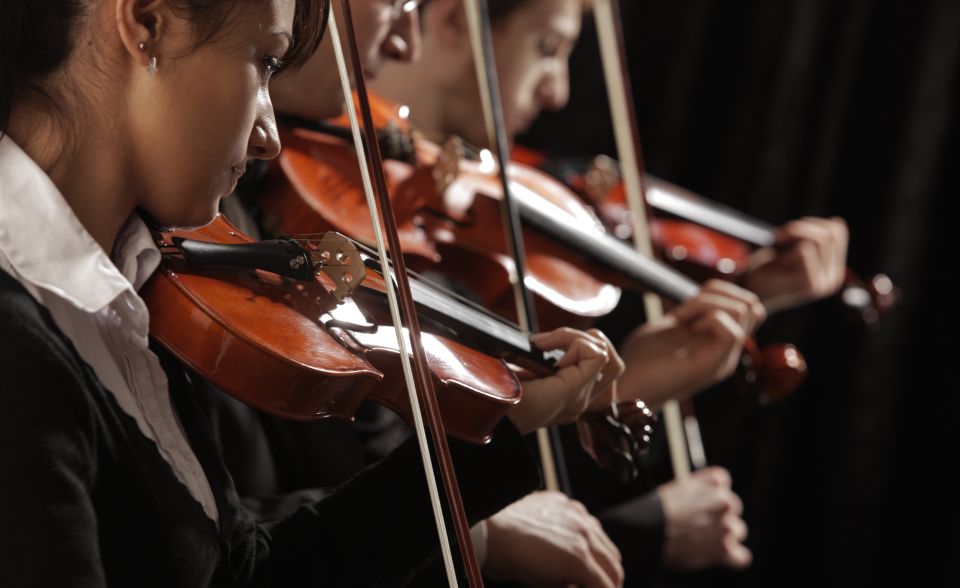
- Three concert programs to match your tastes: Mozart Requiem, a mostly organ-led program, and a Christmas-season Ave Maria/Air/Alleluja set.
- Four seating categories so you’re not stuck with one price tier or one sightline.
- St. Stephen’s Basilica is breathtaking at night, and simply entering for the concert time is part of the reward.
- Arrive a bit early: seating can work like first come first served within a class, so you’ll want options.
- Sound is gorgeous but roomy: expect natural echo, not studio-clean acoustics.
- Confirm the exact venue for your date, since the 30th of December moves to Matthias Church.
Why St. Stephen’s Basilica feels like a concert no matter what
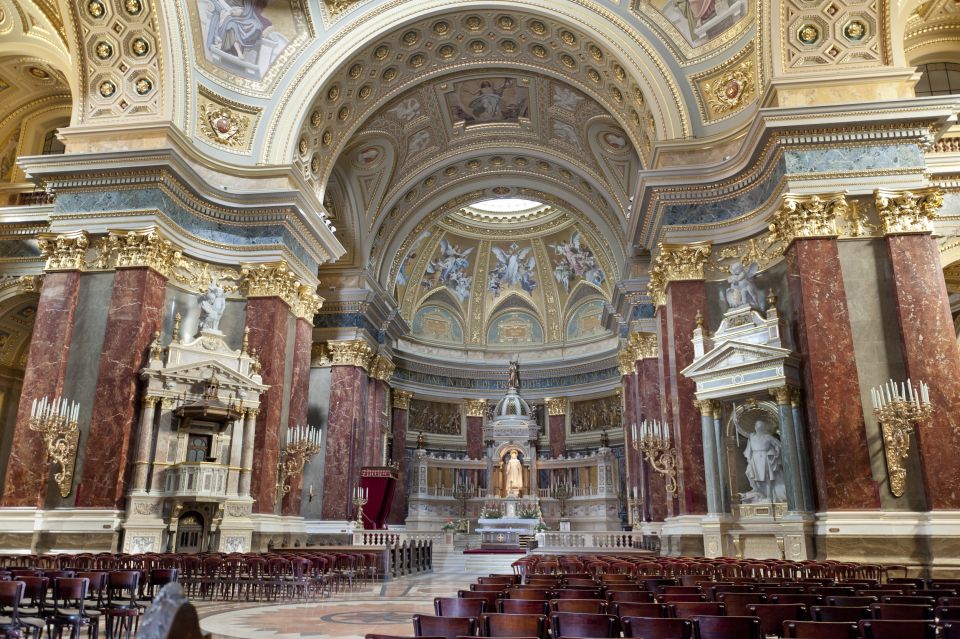
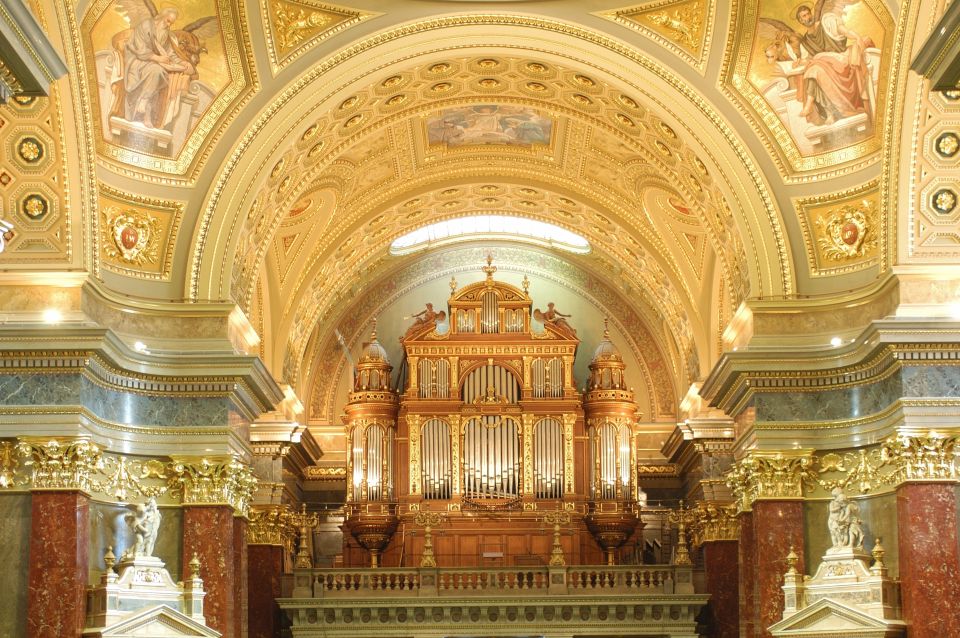
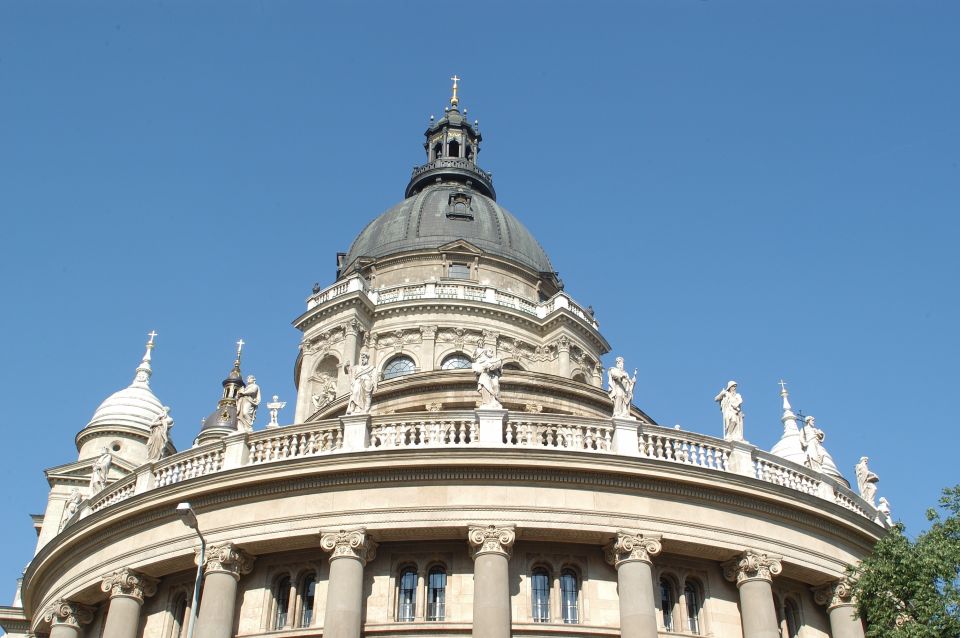
Budapest’s St. Stephen’s Basilica is one of those places where you stop doing tourist things. You just stand there, look up, and let the room do its job. That matters because this concert isn’t only about the music. It’s also about the setting: neo-classical grandeur, candlelit atmosphere, and a space built to carry sound.
When the performance starts, you feel the difference between hearing classical music in a hall versus hearing it in a church. The architecture gives voices and strings a physical presence. Even if you’re not a die-hard classical fan, you’ll likely notice how the room changes the way melodies hang in the air.
And it’s a great first-evening plan if you want something “Budapest, but different.” You get the city-famous landmark, without turning it into a photo-only stop.
You can also read our reviews of more tours and experiences in Budapest



The three concerts: pick the one that matches your ear
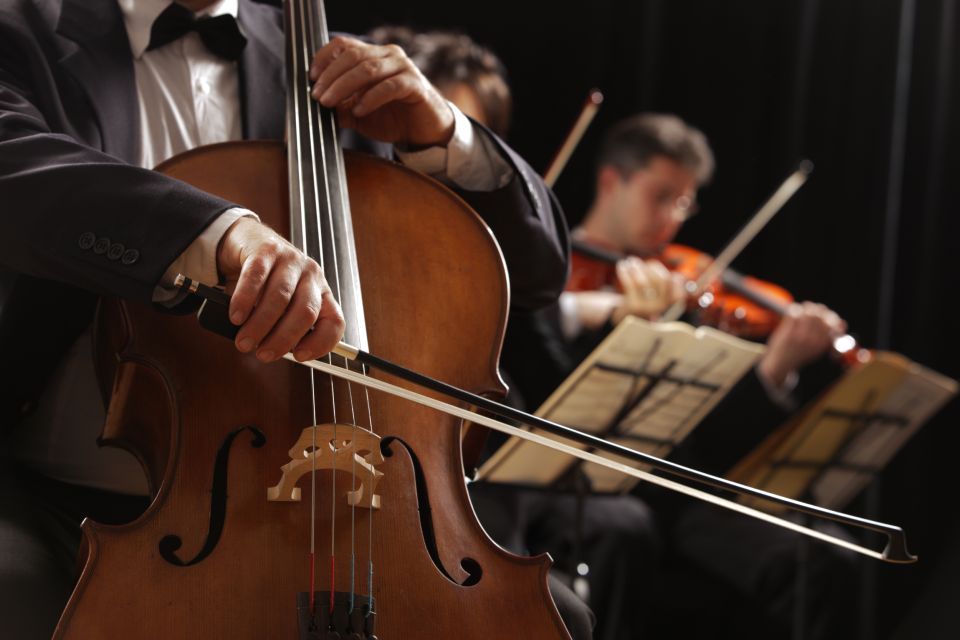
This experience gives you three different concert programs. That means you can shop by mood, not by luck. Here’s how to think about each option.
Program one: Mozart’s Requiem (the big emotional one)
If you want something dramatic and unforgettable, the Requiem program is the classic choice. The listed movements include the whole arc of Mozart’s Requiem in D minor, starting with the Introitus and Kyrie, building through the Sequenzia section (including Dies Irae, Tuba Mirum, Rex Tremendae, and more), and closing with Offertorium, Sanctus, Benedictus, Agnus Dei, and Communio (Lux Aeterna).
Why you might love this: it’s structured like a journey. The music moves from prayer-like softness to thunderous intensity. Even with no program notes, you can feel the pacing.
A consideration: this is emotionally heavy music. If you’re planning a big dinner after, give yourself a little decompression time.
Program two: a mostly organ and Baroque mix (the crowd-pleaser)
The “Organ concert” program is packed with recognizable names and famous moments, with the organ taking a central role. Your set may include pieces such as:
- Bach’s Toccata and Air
- Handel’s Messiah (Rejoice) and Xerxes (Largo)
- Vivaldi’s Four Seasons (Winter, Largo)
- Gounod’s Ave Maria
- Widor’s Toccata from Organ Symphony No. 5
- Liszt’s Ave Maris Stella
- Franck’s Panis Angelicus
- Massenet’s Thais Meditation
- Schubert’s Ave Maria
- Mozart’s Alleluja
Why this works for many people: it feels like a guided sampler. You get organ fireworks, plus vocal highlights like Ave Maria selections. If you’re bringing someone who isn’t sure about classical music, this is the easiest sell.
Program three: Ave Maria Air Alleluja II (and a Christmas variation)
There’s also an Ave Maria Air Alleluja II program. On specific dates—like 25th and 31st of December—the set includes its own version of the lineup.
In general, expect a blend of the kind of music that fits the season: Bach Air, Handel Messiah (Rejoice), Handel Xerxes (Largo), Vivaldi’s Winter, Purcell (Dido and Aeneas, When I am laid in Earth), Gounod Ave Maria, Schubert Ave Maria, Franck Panis Angelicus, Sibelius Impromptu, Massenet Thais Meditation, and Mozart’s Requiem touches (including the famous Lacrimosa and an Alleluja moment from Exultant, Jubilate).
Why you might love this: it leans lyrical and reflective. It’s well-suited if you’re in Budapest for the holidays and want a concert that matches the mood without being too “massive.”





What happens during the 70 minutes (and why the length matters)
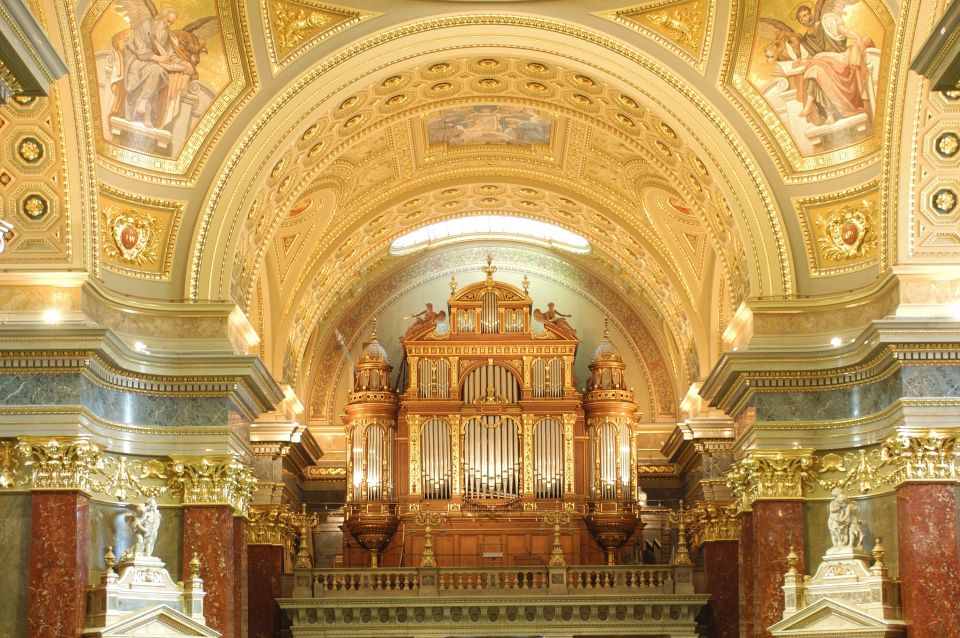
This experience runs about 1 hour to 70 minutes. That timing is honestly part of the value. You get a full concert experience without eating an entire evening or asking you to plan your night around endless segments.
Also, the concert works well because you’re not just sitting. Even before the music begins, being inside St. Stephen’s Basilica is visually rewarding. One of the practical perks: you’ll likely find the interior’s details keep you occupied while you wait, so you don’t feel trapped.
During the performance, the night tends to feel focused. With such a strong venue, you don’t need a long preface or extra narration to make it worthwhile.
Seating classes: how to translate “tier” into a better view
The biggest planning variable is the seating. You’re choosing among four seating classes. In a church, “better seat” usually means one of three things:
1) closer proximity to the performers
2) a sightline that doesn’t block stage movement
3) less distance for the voice to travel before it reaches you
A couple of real-world tips based on how this is experienced:
- Seating can be first come first served within a class, so if you want better positioning, don’t show up right at the last minute.
- If you’re sensitive to discomfort, know that some seats are basically church benches. Expect that, and dress/prepare accordingly.
If you’re choosing based on budget, don’t assume the cheapest class is automatically bad. Some sections may still give you a satisfying view, especially for vocal pieces and organ-led moments. But if you care most about seeing musicians clearly, prioritize the higher class you can comfortably afford.
Meeting point reality: the side entrance isn’t a myth
The official meeting point is St. Stephen’s Basilica, Szent István tér 1, 1051 Hungary. The only twist is that you may not enter through the most obvious front doors.
On multiple occasions, the experience has been described as involving a side entrance even when the main entrance has a big line. So here’s the practical advice: arrive early, locate the correct entrance for your group, and don’t waste time scanning the crowd like it’s a game show.
If you want to stay stress-free, give yourself extra minutes. This is one of those plans where being punctual isn’t enough. You want a buffer.
Sound quality: why it can be amazing and still not match your taste
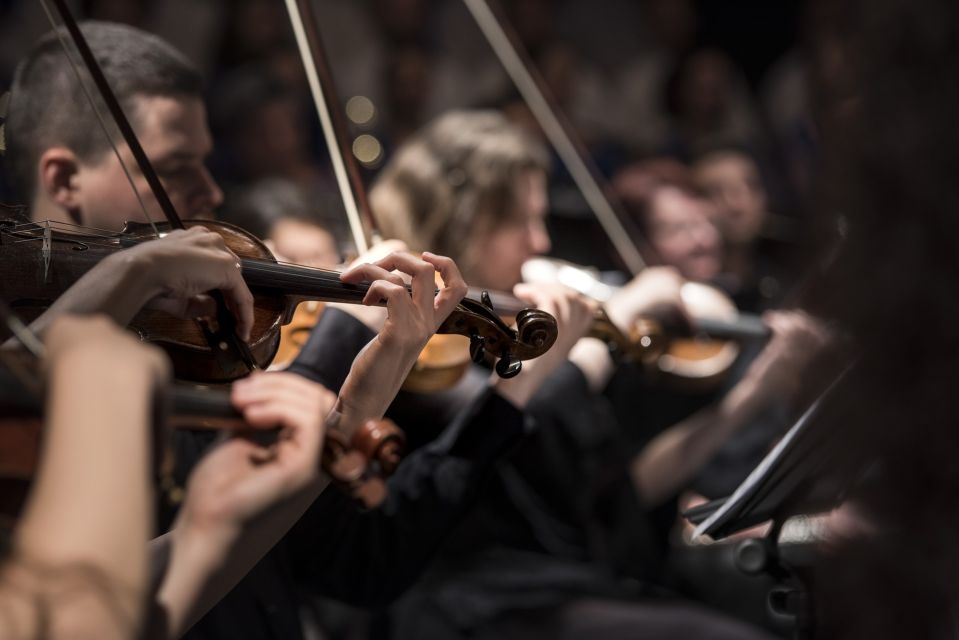
St. Stephen’s Basilica has the kind of acoustics that can make singers and instruments sound luminous. Many people really connect with it—especially for organ and vocal works—because the room amplifies emotion.
At the same time, you should go in with the expectation that churches create natural echo. One listener noted that reverb can feel very strong. Another praised the acoustics as excellent. That difference likely comes down to seat location, the program that night, and your own preference for clarity vs. atmosphere.
My take on what you should aim for:
- If you love the “cathedral sound,” you’ll probably be in heaven.
- If you want close, studio-like detail, you may find the sound more blended than you expect.
Either way, the venue itself is a major part of why this concert is memorable.
Comfort and practicalities: dress for benches, temps, and toilets
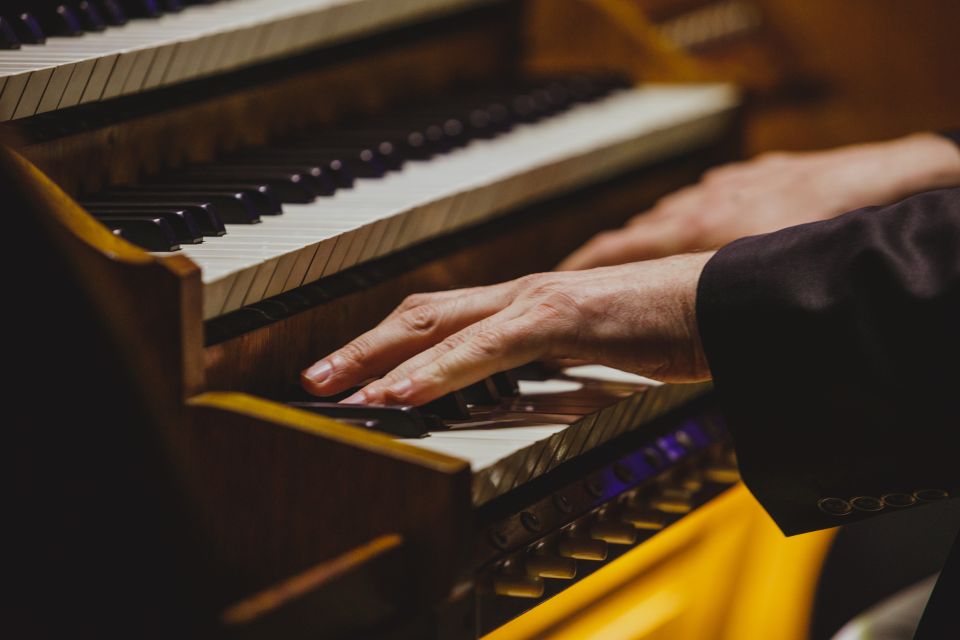
Even if the concert is only about an hour, you’ll still be sitting in a church setting. Some practical notes that can save your evening:
- Benches can be uncomfortable. One person specifically mentioned that the bench felt uncomfortable. If you have a sensitive back, consider wearing something supportive and bring patience.
- Temperature can vary. One review mentioned no heating, so dress in layers. Another person found it warm. That tells me the comfort level may depend on season and the room’s condition.
- Restrooms may have limited access. One experience described restrooms that were usable only before the concert and then locked after. If you need a stop, do it early—during arrival time.
Food and drinks are not included, so if you want something to drink, plan to grab it nearby before you settle in.
Price and value: is $70 a good deal for this kind of night?
At about $70 per person, this is not an impulse bargain. But it can be good value if you treat it like what it really is: a ticket into a world-class venue plus a curated live performance.
Here’s how I’d judge whether it’s worth it for you:
- If you love classical music and want a standout setting, the price can feel fair. You’re paying for the musicians and the opportunity to hear it where you can’t easily recreate this atmosphere.
- If you’re just looking for an easy cultural checkbox, you might question the cost. In that case, it’s better to choose the concert program that includes the composers you actually recognize.
- The ability to choose between three programs and four seating categories helps. You can match the night to your taste without paying for something you won’t enjoy.
Overall, for a one-evening experience in a landmark Budapest church, it’s priced like a premium cultural ticket—but it doesn’t feel overpriced if you’re the type of person who values live performance in a proper setting.
Who should book this concert, and who might want another plan
This is ideal if:
- you want a classic Budapest evening with music
- you enjoy hearing voices and instruments in a resonant church space
- you’re looking for a concert that lasts under 90 minutes
It may not be ideal if:
- you need perfectly clear, dry acoustics (echo bothers you)
- you’re very sensitive to sitting comfort on benches
- you’re expecting venue infallibility every single night—because the date-based venue change below is real
Venue changes to know: St. Stephen’s isn’t always the stage
Most concerts are described as taking place in St. Stephen’s Basilica. But you should know about an exception: on December 30th, the concert happens in Matthias Church on Castle Hill, which is reachable from the city center.
Also, based on at least one recent experience, there can be situations where the venue differs from what people expected. So the best habit here is simple: double-check your confirmation message right before you leave your hotel.
Should you book this St. Stephen’s Basilica concert?
I’d book it if you want one high-quality cultural evening in Budapest and you like the composers listed for your chosen program—especially Mozart Requiem, Handel, Bach, Vivaldi, or the Ave Maria staples. The basilica setting alone makes it special, and the concert length keeps it from swallowing your whole night.
I’d think twice if you’re worried about reverb, bench comfort, or you’re extremely timing-sensitive and hate surprises. In that case, choose the right seating tier, arrive early, and confirm the exact venue for your date.
If you want a memorable first evening in Budapest that still feels relaxed, this is a strong bet.
FAQ
Where is the meeting point?
You meet at St. Stephen’s Basilica, Budapest (Szent István tér 1, 1051 Hungary).
How long does the concert last?
The duration is about 1 hour to 70 minutes.
What is included in the ticket price?
The ticket includes concert tickets.
Are food and drinks included?
No. Food and drinks are not included.
How many concert programs are available?
There are 3 different concerts, and each concert offers 4 seating categories.
Is the venue wheelchair accessible?
Yes. The experience is wheelchair accessible.
Is the concert always at St. Stephen’s Basilica?
Most of the time, yes. But on December 30th, the concert takes place at Matthias Church instead.
Do I have to pay immediately?
No. You can reserve now and pay later.
Is there free cancellation?
Yes. You can cancel up to 24 hours in advance for a full refund.
What’s the best way to pick a seat?
Choose the seating class based on what you care about most: closer and clearer views usually come with higher classes, and arriving a bit early helps you get the best position within your class.