REVIEW · BUDAPEST
Budapest: Danube River Sightseeing Cruise with Audio Guide
Book on GetYourGuide →Operated by Purpleliner · Bookable on GetYourGuide
Budapest looks better from the Danube. This 60-minute Purpleliner cruise floats you past the Hungarian Parliament Building and other must-sees, while an app audio guide explains the sights in 6 languages. I like the close feel of sailing so near Parliament, and I like having the commentary synced to what I’m actually looking at. One thing to plan for: you need your own headphones and a charged smartphone, since the audio comes through the app (not loudspeakers).
You’ll board on the Buda side and spend an hour gathering photos and orientation at a very reasonable price point for central Budapest. If you want night lights, you’ll usually get a better show—just expect crowds and some deck shuffling.
In This Review
- Key things to know before you go
- Entering at Dock 1/B: Finding Purpleliner and Getting On Board
- The Danube Route: Parliament to Chain Bridge in One Continuous View
- Buda Castle Views and the Royal Hill Feel From the Water
- Gellért Hill, Margaret Bridge, and the River’s Everyday Landmarks
- Central Market Hall From the River: Finishing With a Pest Hit
- Audio Guide Setup: Phone-Based Commentary in 6 Languages
- Deck, Crowd, and Photo Tips for Day or Night
- Price and Value: Why About $14 for 60 Minutes Can Make Sense
- Who This Cruise Fits Best (and Who Might Skip It)
- Weather, Tech Glitches, and Other Practical Tradeoffs
- Should You Book This Danube Cruise?
- FAQ
- How long is the Budapest Danube River sightseeing cruise?
- Where do I meet the boat?
- Is the audio guide played through speakers?
- How many languages are available for the audio guide?
- Is food included in the price?
- Can I bring alcohol on board?
- Is it suitable for wheelchair users?
Key things to know before you go
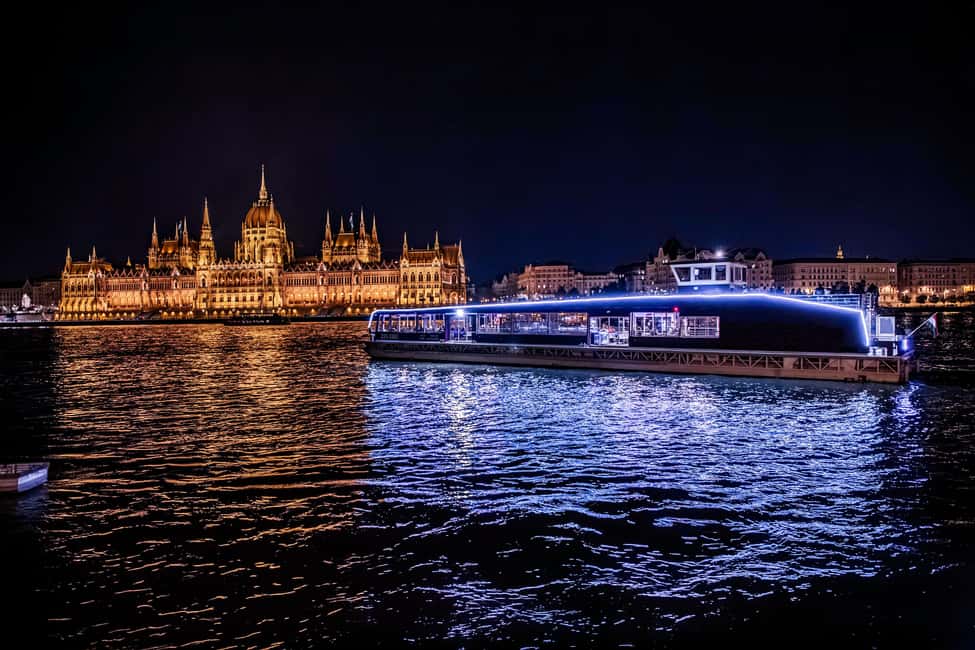
- Close pass by Parliament gives you a rare, near-water perspective.
- Audio guide is phone-based in 6 languages, and it does not play over ship loudspeakers.
- Top skyline hits in one hour: Chain Bridge, Buda Castle, and more landmarks along the river.
- Start and end at Purpleliner (Dock 1/B), so the logistics are simple.
- Evening cruises can be magical for city illumination, but they can also feel crowded.
Entering at Dock 1/B: Finding Purpleliner and Getting On Board

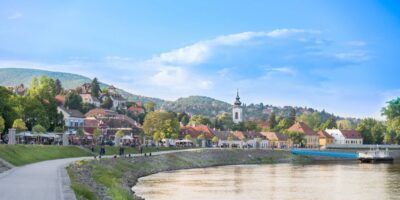
The tour starts where it matters: on the Buda side, at Dock 1/B, with the Purpleliner logo as your visual cue. The cruise itself departs from Batthyány Square, which is helpful because it anchors you near the main riverfront action without making you guess where the boat is.
I’d arrive a bit early. One common friction point here is time spent waiting outside before the boat is ready, and Budapest weather can be bracing when you’re standing around. Once you’re on board, boarding and getting off is quick, so you don’t lose your main asset: your hour on the water.
This isn’t a boat you can roll onto with a wheelchair. If mobility needs are part of your plan, you’ll want to choose a different format.
Also note the basic rules of the ride: no alcohol and drugs on board, and you won’t be allowed to board if you show up intoxicated. If you’re traveling with a group, keep everyone on the same page so you don’t slow the start.
You can also read our reviews of more boat tours in Budapest


The Danube Route: Parliament to Chain Bridge in One Continuous View
This cruise is all about a smooth, water-level line of sight. You pass by (and in key stretches, sail close to) Budapest’s biggest headline buildings, without the stops, stair climbs, or long walking detours that can eat up a half day.
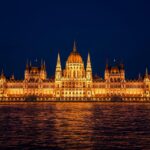
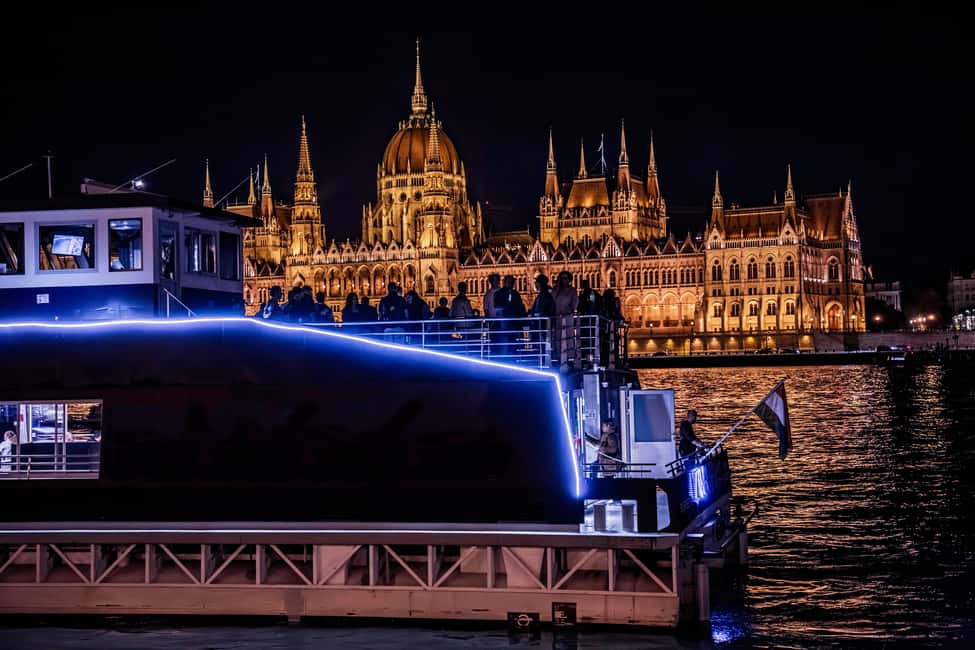
The Hungarian Parliament Building is the opening star. You’ll be sailing within a few metres, so it doesn’t feel like a distant landmark seen through windows—it feels like you’re in its backyard. Even if you’ve photographed it from land already, the river angle changes everything: you get the building’s scale and symmetry in a way that’s hard to recreate on foot.
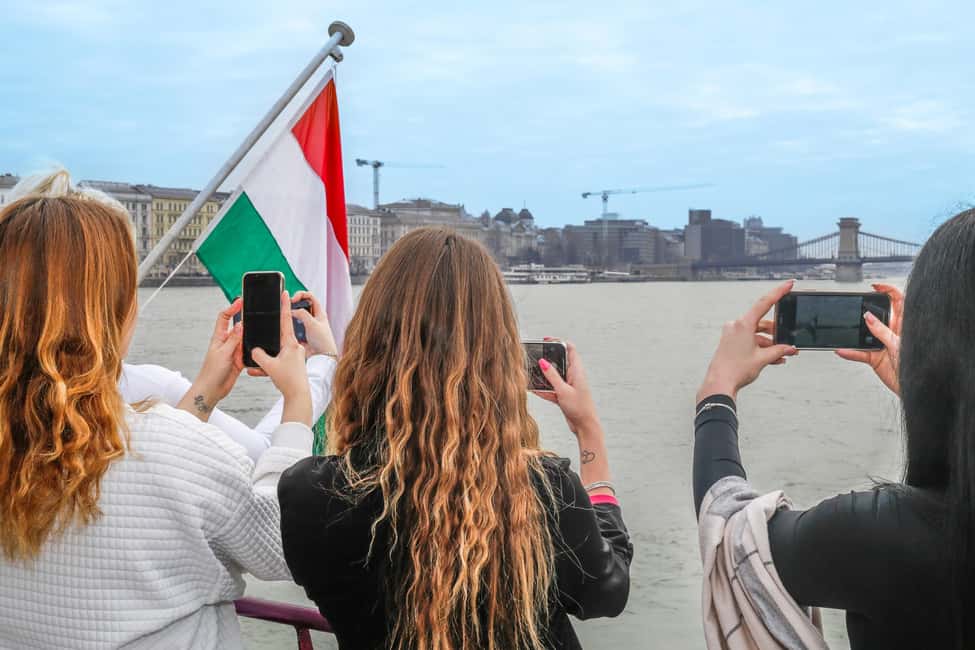
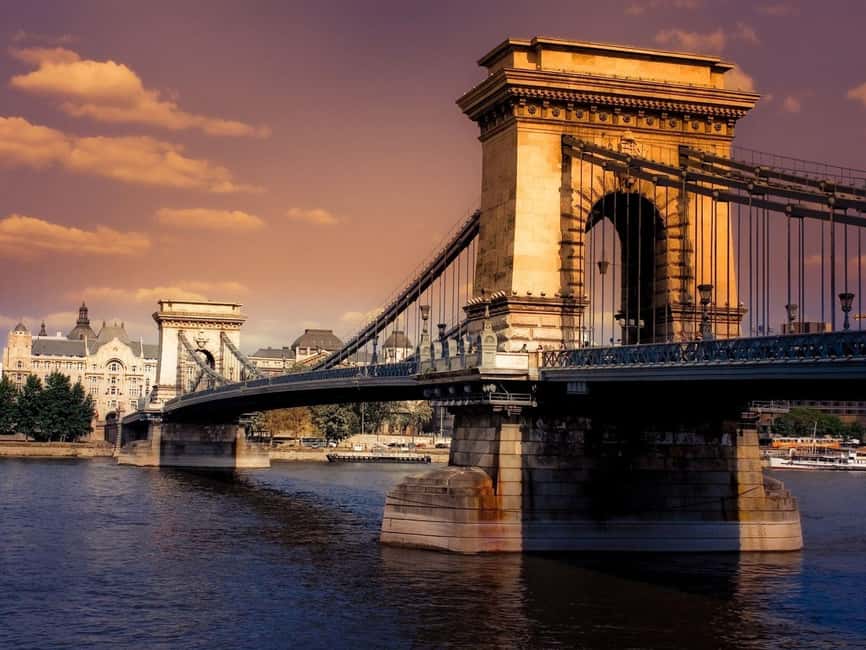
From there, the tour swings toward the Chain Bridge. This is the connector between Buda and Pest, and from the water you get that classic bridge perspective—long lines, strong geometry, and a great frame for skyline photos. If you like architecture shots, you’ll likely keep pointing your camera as the boat glides under and past.
This is also a good segment for listening carefully. The audio guide is designed to follow what you see in front of you, so instead of trying to memorize Budapest in one day, you can let the city explain itself as you move.
Buda Castle Views and the Royal Hill Feel From the Water
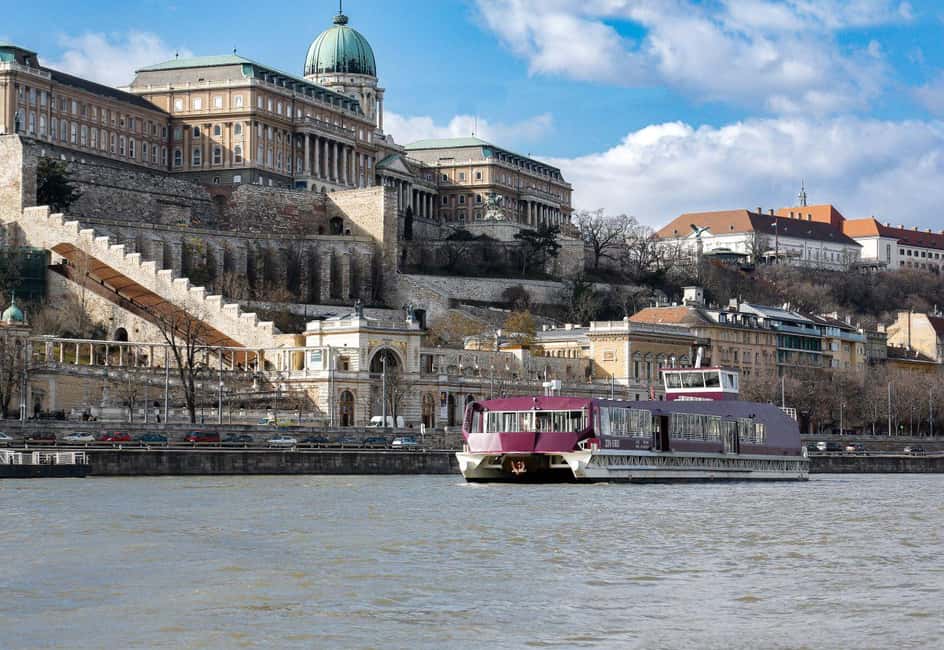
After the central icons, the cruise shifts toward Buda’s higher ground. You pass by Buda Castle, and this stretch is where Budapest starts looking more layered. On land, the castle area can feel like a big climb. From the river, it reads like a panorama—hills, rooftops, and the fortress silhouette in one sweep.
As the boat keeps moving, you also get views associated with Fisherman’s Bastion and Matthias Church. You won’t be walking those streets during the cruise, but you’ll understand their placement on the hill. That’s a real value if you’re planning a next-day visit, because you’ll know which viewpoint makes the most sense and which area to prioritize.
One thing I pay attention to on cruises like this is the “shape” of the city. Here, Buda Castle plus the river gives you that key mental map: the historic core sits above the Danube, while Pest spreads out along the flatter riverbanks. That one mental map can make your remaining sightseeing much easier.
If you care about photos, this is often when you’ll want to pick a spot and stick with it. Don’t chase your best angle from the wrong side of the deck—learn the rhythm of the boat and let the city come to you.
Gellért Hill, Margaret Bridge, and the River’s Everyday Landmarks
Budapest isn’t only castles and bridges. You also see how the city lives along the waterline.
The cruise passes by Gellért Hill, which matters because it’s another “anchor point” for the geography. It helps you understand why Budapest’s best views tend to look upward from the Danube—this city is built on elevation and river curves.
Then comes Margaret Bridge. From the water, bridges aren’t just a connection—they’re a dividing line for light and reflections. If you’re shooting at golden hour, this is the kind of area where reflections can add drama without you doing anything fancy.
Next you pass by MÜPA – Nemzeti Színház. That’s a different kind of Budapest sight—more cultural-modern than castle-tall—yet it still fits the cruise’s rhythm. The river gives you a single moving timeline: old stone, then modern institutions, all in one continuous glide.
You’ll also pass by Nemzeti Atlétikai Központ. That sports venue view might not be on every first-time visitor checklist, but it’s exactly the kind of “real city” detail that makes the cruise feel more than just a photo parade.
Central Market Hall From the River: Finishing With a Pest Hit
As the cruise winds down, you reach the Pest side’s energy. You pass by Central Market Hall, which is one of the best places to understand what people do with Budapest food and shopping.
From the river, Central Market Hall isn’t the same as going inside, of course. But you’ll get a sense of scale and location so you can decide later how you’ll fit it into the rest of your itinerary.
This ending is also practical. Because the cruise loops back to its starting point, you don’t end up stranded far from where you began. You’ll arrive back at the dock where you boarded (again, Purpleliner), ready to keep exploring.
You can also read our reviews of more guided tours in Budapest





Audio Guide Setup: Phone-Based Commentary in 6 Languages

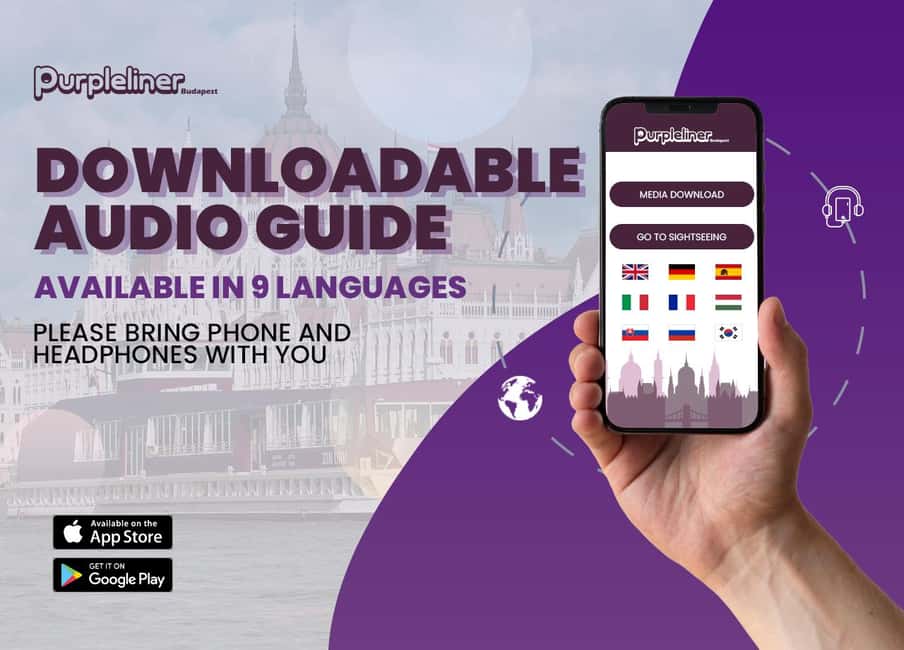
This is the part that can make or break the experience for you. The audio guide is a free downloadable application for your mobile devices, and the commentary is not broadcast through loudspeakers.
So you need:
- Headphones
- A charged smartphone
I strongly recommend you start downloading and opening the app before you board, not once you’re on a moving boat. One small tech issue can turn your “I’ll just listen as we go” plan into frustration.
There’s also a language angle: the guide is in 6 languages, which is great if you’re traveling with someone whose preferred language isn’t English. But even if you choose English, I’d still test the app before takeoff so you don’t waste the first minutes.
In at least one case, the audio app didn’t work at the final step, and the passenger used an on-board display instead. That’s not something I’d count on, so treat it as a backup only if you see it available when you’re there.
Deck, Crowd, and Photo Tips for Day or Night
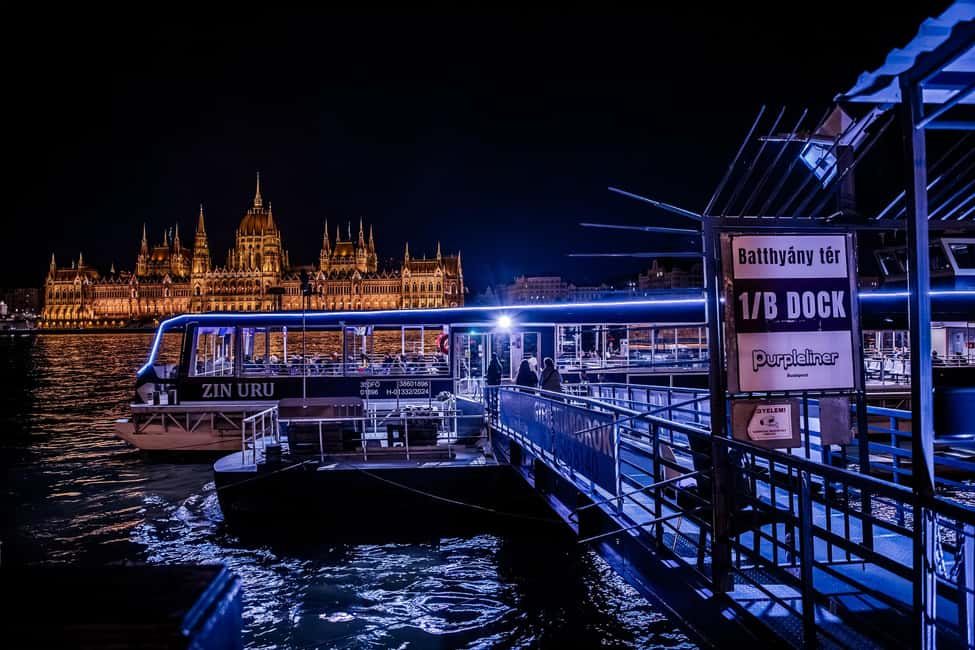
Even if the cruise is only an hour, it can feel lively. The boat can get busy, and there may be limited room to move around. If you’re picky about your photo positions, plan to choose your spot early and stay put.
If the upper deck is available to you, it’s often the best choice for skyline photos. One helpful tip: aim to be early so you can pick a better seat rather than accepting the first spot you’re handed.
Timing matters a lot for mood. Some people love this cruise at night because Budapest’s lights make the Parliament and bridges look extra dramatic. Other people enjoy daylight for sharper building details and easier photography. If you want the best mix—sunset turning into lights—look for cruises that run during that transition window.
And yes, weather can change the whole feel. Fog can reduce visibility so the “wow” moments don’t hit as hard. You can’t control that, but you can control your expectations: if the forecast looks bleak, know you might get a softer view instead of a crisp one.
Price and Value: Why About $14 for 60 Minutes Can Make Sense
At around $14 per person for a 1-hour cruise, the value is pretty clear if your goal is efficiency. In one ride, you’re seeing a stack of major sights you’d otherwise need to connect by bus, taxi, or long walks: Parliament, Chain Bridge, Buda Castle, and more river landmarks.
This isn’t a private experience, and you’re not getting guided walking time at each site. But for the price, you’re buying:
- a water-level perspective you can’t easily replicate from the streets
- an audio guide that helps you connect what you’re seeing
- a “one-hour orientation” effect for first-time Budapest days
Food is not included. There’s an option to purchase snacks and drinks while supplies are available, so you can stay comfortable without planning a full meal. If you’re expecting a full dinner experience, you’ll likely be disappointed—think snack stop, not restaurant.
Who This Cruise Fits Best (and Who Might Skip It)

This cruise fits you if:
- you want fast orientation for a first visit
- you like skyline views and want easy photo access
- you prefer learning in small chunks via an app audio guide
- you want to cover multiple key landmarks in a single hour
You might skip it if:
- you hate crowds or you’re sensitive to noise and limited deck movement
- your smartphone battery is always weak or you don’t travel with headphones
- mobility limits are a factor (it’s not suitable for wheelchair users)
It’s also a good “bridge day” activity—use it to set your expectations before you commit to heavier sightseeing like climbing viewpoints or spending long hours in museums.
Weather, Tech Glitches, and Other Practical Tradeoffs
The biggest tradeoffs are simple: the audio runs through your devices, and the view depends on weather.
If you forget headphones, you’ll lose most of the “guide” part of the experience. If your phone battery dies, you’re left looking at landmarks without the explanation that makes the cruise feel smarter.
If you show up late, there’s a surcharge mentioned for rebooking based on availability. That means you’re not just risking missing the boat—you could be paying extra if things don’t work out on timing.
And if the weather turns ugly (fog is the example that stands out), your photo expectations need to adjust. Visibility might be weak, and the iconic sights can look less dramatic. That’s not a defect of the cruise—it’s river weather.
One last human detail I appreciated from the service vibe: staff can be friendly and helpful, and at least one person noted a guide named Christopher went the extra step to take personal photos for people. It’s the kind of small kindness that matters when the boat is packed and you’re trying to get a clean shot.
Should You Book This Danube Cruise?
I think this is a smart booking when you want high-value sight coverage in a short window. It’s especially worth it if you’re doing Budapest for the first time and want a quick sense of where everything sits along the Danube.
Book it if you’ll bring headphones, keep your phone charged, and plan to spend your hour focusing on the views (not scrambling for tech). If you’re traveling at a time when the city lights are likely—near evening—you’ll probably feel the payoff more, since the skyline tends to look best after dark.
Skip or reconsider if you’re wheelchair dependent, hate crowds, or you’re expecting a quiet, uncrowded cruise with large personal space. For everyone else, this is a practical, good-looking way to see Budapest from the water without building an entire day around getting there.
FAQ
How long is the Budapest Danube River sightseeing cruise?
It runs for 60 minutes.
Where do I meet the boat?
Meet at Dock 1/B on the Buda side and look for the Purpleliner logo.
Is the audio guide played through speakers?
No. The audio guide is a downloadable app and the commentary is not broadcast through loudspeakers, so you’ll need to use your own headphones.
How many languages are available for the audio guide?
The downloadable audio guide is available in 6 languages.
Is food included in the price?
No. You can buy food during the cruise, while supplies are available.
Can I bring alcohol on board?
No alcohol and drugs are not allowed.
Is it suitable for wheelchair users?
It is not suitable for wheelchair users.