REVIEW · BUDAPEST
Budapest All In – Full Day Tour with Lunch & Metro Pass
Book on Viator →Operated by Budapest Urban Walks · Bookable on Viator
One day, two cities, tons of sights. I like how this tour is built for seeing a lot fast with a guide keeping you on track, and I also like that the day includes lunch plus dessert (and drinks if you want them). The trade-off is that it’s mostly an on-the-move day, and some of the big-name interiors, like Parliament or St. Stephen’s Basilica, aren’t included.
I found the pacing works best when you treat it like a greatest-hits orientation: you get views, context, and the best places to stand for photos, then you can decide what deserves your own ticket later. With a group capped around 20, you’re not swallowed by crowds, and guides like Zoltan, Emese, Fanni, and Odea are the type who will help you sort priorities when the day gets full.
In This Review
- Key takeaways before you go
- A 7.5-hour greatest-hits plan that actually makes sense
- The logistics: how you move between Pest and Buda without losing the day
- Heroes’ Square to City Park: Hungary’s symbols and a fast taste of grandeur
- Széchenyi Baths and Pool: the thermal “wow” stop
- Andrássy Avenue and the Opera: walking the World Heritage corridor
- St. Stephen’s Basilica and Liberty Square: where street views beat surprises
- Parliament, the Chain Bridge, and the Danube drama
- The Great Synagogue and Matthias Church: big landmarks, mixed ticket reality
- Fisherman’s Bastion and Buda Castle: the view you came for
- Central Market Hall and Shoes on the Danube Bank: food break plus moral weight
- Lunch, drinks, and the preset-menu reality
- Price and value: what the $204 is really buying
- Who should book this tour (and who should adjust expectations)
- Should you book Budapest All In – Full Day Tour with Lunch & Metro Pass?
- FAQ
- FAQ
- How long is the tour?
- Where does the tour start, and when does it end?
- What’s included in the price?
- Do I get admission to St. Stephen’s Basilica and the Parliament Building?
- Is lunch included, and is it a full meal?
- Can children join the tour?
Key takeaways before you go
- Metro-focused routing: fewer headaches crossing the city, especially if weather turns.
- Lunch and traditional dessert included: a real sit-down meal, not just a snack.
- A lot of walking, even with transit: plan for an all-day stride (around 9.5 miles is a common experience).
- Some stops are walk-by only: several major buildings don’t come with entry tickets.
- Small group feel (up to 20): easier Q&A and more personal guidance.
- Guides adapt in rain: subway/tram/bus routing can keep the day on track.
A 7.5-hour greatest-hits plan that actually makes sense
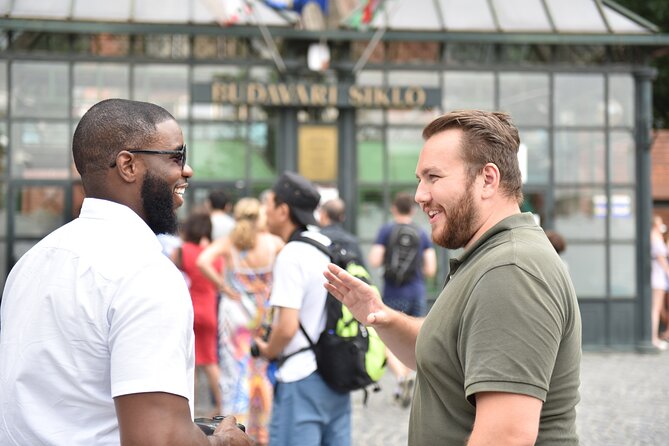
This is a full-day Budapest tour that’s designed for travelers who want the big landmarks in one go. You start at the Hungarian State Opera on Andrássy út around 9:00am, and you come back to the same area when you’re done. The value isn’t just the list of sights. It’s that a guide helps connect the dots between the symbols of Hungary, the layout of the city, and why the Danube matters so much to how Budapest looks today.
You’re also getting a “do the thinking for you” day. Instead of jumping between attractions on your own and constantly checking maps, your group follows a logical route. In practice, that means you spend more time looking up at facades, statues, and river views, and less time stuck in transit confusion.
You can also read our reviews of more tours and experiences in Budapest


The logistics: how you move between Pest and Buda without losing the day
Budapest is two cities stitched together. One is Pest, the flatter, grand boulevard side; the other is Buda, with the castle district and hilltop views. This tour moves you across that divide using a mix of walking and public transport, with metro help built into the concept.
That matters because it’s not the kind of day where you can just “rest your legs” between stops. Expect a lot of walking, and it can feel long on the best days. Rain is also a real factor; on wet days, the guides can switch the order and routing using the subway, trams, and buses to keep things moving. So bring shoes you can trust, and pack a light layer just in case.
A good tip: if you care about specific inside visits, you’ll want to talk to your guide early. Several guides are known for being flexible about pace, and if you tell them what you want most, they can help you decide what to prioritize versus what to treat as a photo-and-street-explain stop.
Heroes’ Square to City Park: Hungary’s symbols and a fast taste of grandeur
You kick off at Heroes’ Square (Hősök tere), one of Budapest’s most recognizable monuments. The setting is dramatic on purpose: the statue complex honors the Seven chieftains of the Magyars and other Hungarian national leaders, and the Memorial Stone is often mistaken for something it isn’t. This is the kind of place where a guide’s context helps you notice details you’d otherwise overlook while just snapping pictures.
From there you head toward City Park for Vajdahunyad Castle (Vajdahunyad vára). It’s famous partly for its pretty storybook look and partly because of what it was created for. The castle was built in 1896 as part of the Millennial Exhibition celebrating 1,000 years since the Hungarian Conquest of the Carpathian Basin in 895. Even if you don’t go deep inside, it’s a great way to understand how Budapest used architecture to celebrate national milestones.
This stretch is also valuable because it sets expectations for the day. Budapest moves in layers—monuments first, then the neighborhoods and institutions that give them meaning.
Széchenyi Baths and Pool: the thermal “wow” stop
Next is Széchenyi Medicinal Bath and Pool, widely known as one of the biggest medicinal baths in Europe. You don’t just get a quick exterior. You have a short window tied to the bath itself, and the guide context is useful here: the water comes from two thermal springs at around 74–77°C (165–171°F). That temperature range is part of why locals treat the baths as a serious part of everyday life, not just a tourist photo spot.
Practical reality check: a bath stop on a timeboxed tour can’t replace a full soak or a full-term spa day. But it’s still worth it for the atmosphere and the quick “only-in-Budapest” moment. If you plan to go deeper on your own later, note how the temperature and layout feel during this visit.
Andrássy Avenue and the Opera: walking the World Heritage corridor
Then you’re onto Andrássy Avenue (Andrássy út), a grand boulevard dating back to 1872 that links Erzsébet Square to Városliget. It’s also a World Heritage Site, and you feel that immediately when you walk it—neo-renaissance mansions, strong lines, and that “capital city” sense of place.
You also see the Hungarian State Opera House (Magyar Állami Operaház) on Andrássy út. The building is neo-renaissance in style and was designed by Miklós Ybl, a major Hungarian architect of the 19th century. Even if you don’t plan an inside tour that day, the street-level view is one of the most satisfying moments for architecture lovers.
If you want to see inside opera or another major interior space, treat this stop as inspiration rather than the final answer. Some ticketed visits can be separate.
You can also read our reviews of more tours and experiences in Budapest



St. Stephen’s Basilica and Liberty Square: where street views beat surprises
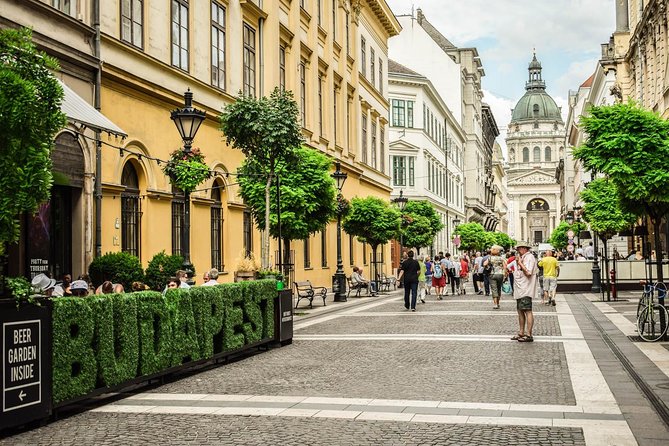
The tour continues to St. Stephen’s Basilica (Szent István-bazilika). Here’s the key practical point: admission isn’t included. You’ll get time to see the church, but you should be ready for the idea that if you want inside access, you’ll need your own ticket plan.
Still, the basilica has a hook even from the outside. It’s named for Stephen, the first King of Hungary, and there’s a reliquary tied to his right hand. A good guide will point out what to look for so you don’t just see a big church—you understand what story it’s telling.
After that comes Liberty Square (Szabadság tér). This isn’t a single statue moment. It’s more of a city snapshot: it blends business and residential space, and you can spot major institutional buildings like the US Embassy and the Hungarian National Bank headquarters. It’s a helpful break from the museum-like intensity of monuments—more “real Budapest, at work.”
Parliament, the Chain Bridge, and the Danube drama
Now you move into one of Budapest’s most famous photo runs. You’ll see the Hungarian Parliament Building (Országház), but again, admission isn’t included. The building is the seat of Hungary’s National Assembly, and it’s a top tourist magnet for a reason: the scale and the location make it impossible to ignore.
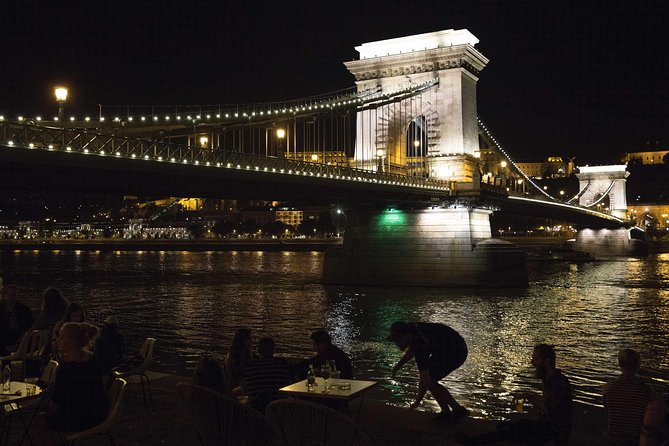
Next is Széchenyi Chain Bridge, spanning the Danube between Buda and Pest. Bridges in Budapest aren’t just infrastructure—they’re part of how the city photographs itself. This is also one of the moments where your guide’s explanation makes your pictures better. The Danube isn’t background. It’s the stage.
The Great Synagogue and Matthias Church: big landmarks, mixed ticket reality
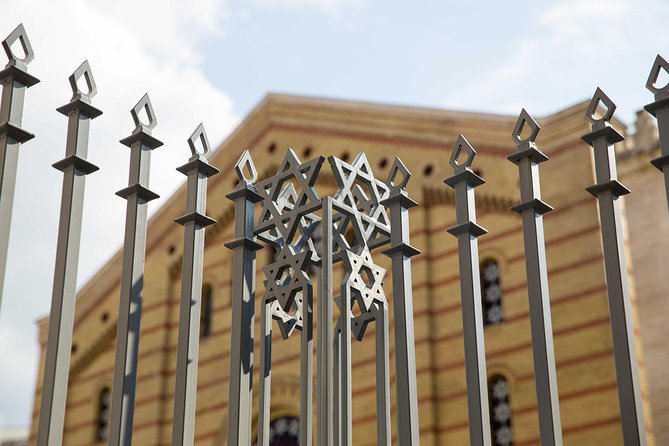
You’ll also pass the Great / Central Synagogue (Nagy Zsinagóga, Dohány Street Synagogue) area. In the tour’s stop list, admission isn’t included here, so think of this as a meaningful look from the outside. The Dohány Street Synagogue is historical and central to the Erzsébetváros district, and a guide will often help you understand what makes it important before you move on.
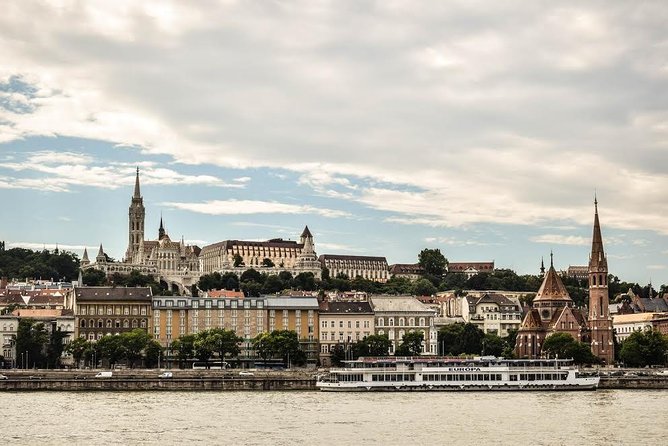
Then you get to Matthias Church (Mátyás-templom) in the Castle District. Unlike some other interiors, this is listed as free, and it’s one of those places where the exterior and its setting in Holy Trinity Square do a lot of the work. The church sits in front of Fisherman’s Bastion, so it naturally sets up the best viewpoints you’ll see later.
Fisherman’s Bastion and Buda Castle: the view you came for
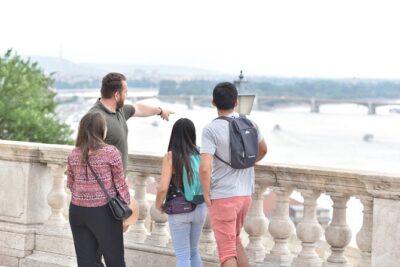
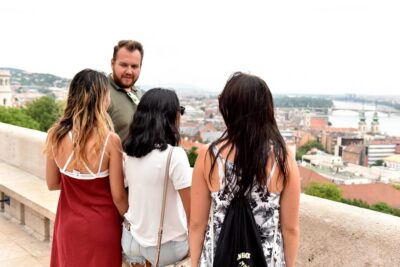
Fisherman’s Bastion (Halászbástya) is the skyline moment. Even when you only have a short stop, you’re there for one thing: the panorama terraces. This is a place where you can look over the Danube and feel how Budapest is built for viewpoints—hills, bridges, and layers of architecture.
After that, you’ll see Buda Castle (Budavári Palota). The site is huge, with origins dating to the 13th century (first completed in 1265), while the current Baroque palace bulk was built in the mid-1700s (1749–1769). Expect to see a lot from the outside and in the surrounding areas; if you want specific interior rooms, that’s usually a separate ticket decision.
For this entire Castle District stretch, my advice is simple: don’t rush. Even if the clock is moving, pause for a few minutes just to look. The point isn’t only to check boxes—it’s to understand how Budapest’s geography creates drama.
Central Market Hall and Shoes on the Danube Bank: food break plus moral weight
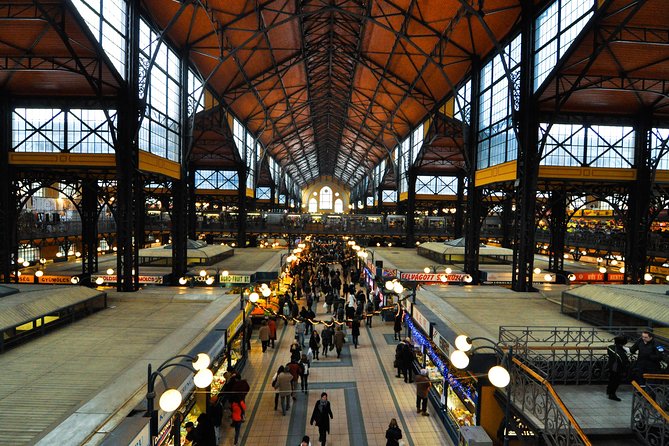
Then you shift gears to Central Market Hall (Nagyvásárcsarnok). It’s described as the largest and oldest indoor market in Budapest, and it’s a great place to remember this city isn’t only about monuments. The market hall idea came from the first mayor, Károly Kamermayer, and the building opened on February 15, 1897 after his major investment. It’s a fun stop because it’s tactile—smells, produce, and everyday life energy.
Right after, you visit Shoes on the Danube Bank, a Holocaust memorial. This is not a “quick photo and move on” stop. It’s a place to slow down and absorb the meaning of what’s being remembered: the memorial honors Jews massacred by fascist Hungarian militia during World War II. A guide’s tone matters here, and you’ll want to take the minute or two you’re given seriously.
Lunch, drinks, and the preset-menu reality
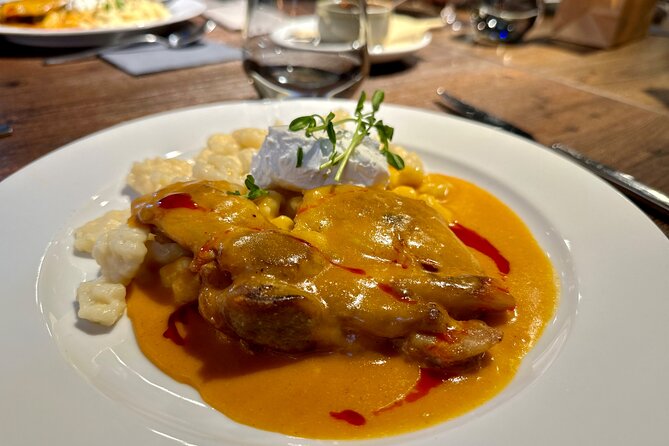
This tour includes lunch, a traditional Hungarian dessert, and alcoholic beverages. Snacks and drinks are also described as part of the day. Minimum drinking age is 18, so keep that in mind if you’re traveling as a mixed-age group.
In real terms, lunch is a big part of why the tour feels like an all-in package. You’re not hunting for food between monuments. You’re sitting down at least once and refueling so the second half of the day doesn’t feel like punishment.
One practical caution: lunch is typically preset, meaning substitutions might not be available. If you have dietary needs, you’ll want to raise them before the day starts, not while you’re already seated.
Price and value: what the $204 is really buying
At about $204 per person, this is not a “budget-only” option. So here’s how I think about value:
You’re paying for:
- a guide to connect the meaning across many districts
- an all-day route that combines transit help with reduced navigation stress
- included lunch and traditional dessert, plus drinks
- a small group size (up to 20), which often makes Q&A easier
You’re not paying for:
- guaranteed entry into every major interior attraction
- long time inside ticketed sites like Parliament or St. Stephen’s Basilica
So this tour shines if you want a first-time orientation and you’re flexible about interiors. If you’re the type who plans your Budapest around inside visits—basilica interiors, synagogue entry, Parliament tour timed tickets—then you’ll likely want to pair this with additional self-guided ticket plans for the specific buildings you care about.
Who should book this tour (and who should adjust expectations)
This tour is a strong fit for first-timers with limited time who want to cover the major sights and get their bearings fast. It’s also a good match if you like history told through walking routes and visible landmarks—Heroes’ Square, Castle District viewpoints, and the Danube memorial stops are prime examples.
It may be less ideal if:
- you hate long walking days
- you only travel when every major building has guaranteed inside access
- you’re sensitive to pace changes in crowds or rain
That said, guides like Emese have been reported to adjust pacing for older travelers, including someone in their 80s. If you have mobility concerns, tell the guide what pace works for you early. The group size helps, but communication helps more.
Should you book Budapest All In – Full Day Tour with Lunch & Metro Pass?
If you’re planning a short Budapest trip and want a smart, guided “see it all once” day, I’d book it. You’re getting the big Budapest highlights, food built into the schedule, and a guide who can keep the route coherent across Pest and Buda.
If your top priority is inside access—Parliament, St. Stephen’s Basilica, synagogues, or Opera House tours—then treat this as a orientation + photo + context day, and plan separate tickets for the interiors you truly want. Either way, show up ready to walk, and use the guide’s help to decide what’s worth extra time afterward.
FAQ
FAQ
How long is the tour?
The tour is about 7 hours 30 minutes.
Where does the tour start, and when does it end?
It starts at Hungarian State Opera, Budapest, Andrássy út 22, 1061 Hungary, and it ends back at the same meeting point.
What’s included in the price?
The tour includes lunch, traditional Hungarian dessert, alcoholic beverages, and it’s offered in English. Mobile tickets are used, and a metro pass is part of the tour package name.
Do I get admission to St. Stephen’s Basilica and the Parliament Building?
No. St. Stephen’s Basilica and the Hungarian Parliament Building are listed as admission not included.
Is lunch included, and is it a full meal?
Yes, lunch is included along with a traditional Hungarian dessert. The lunch is described as a traditional Hungarian meal with preset items.
Can children join the tour?
Children must be accompanied by an adult. Also, the minimum drinking age is 18 for alcoholic beverages.