REVIEW · BUDAPEST
Pest side stories with a Historian
Book on Viator →Operated by Budapest Explorers · Bookable on Viator
Pest has a story, and this tour tells it. This historian-led walking route threads together major landmarks on the Pest side, with context that turns statues and big buildings into something you actually understand. You’ll also enjoy a small-group format capped at 10 people, so questions don’t get lost in the noise.
What I like most is the mix of big hitters and smart pacing. You’ll get an expert guide, refreshments, and metro tickets included in the price, so you can spend your energy looking instead of figuring out transit. The main drawback is simple: it’s still a walking tour, so comfortable shoes matter, and the stop at St. Stephen’s Basilica may include an interior visit only if the group is interested.
In This Review
- Key Highlights You Should Know
- Budapest’s Pest Side, Explained in a 3-Hour Walk
- The Real Value: What You Get for About $59
- Meeting Point and Timing: Start at Central Pest
- Stop 1: Elizabeth Square, from Old Market to Modern Noise
- Stop 2: St. Stephen’s Basilica and the Question of “Do We Go In?”
- Stop 3: Heroes’ Square, Where Hungarian History Gets Monumental
- Stop 4: Vajdahunyad Castle, Built to Look Medieval (On Purpose)
- Stop 5: Andrássy Avenue, a UNESCO-Listed Stroll
- Stop 6: Vorosmarty Square, Old-World Central Commerce
- Stop 7: Millennium Underground, Europe’s Oldest Subterranean Ride
- Your Guide Makes the Difference (and Names Matter)
- Pace and Comfort: What the 3 Hours Feels Like
- Who This Tour Is Best For
- Should You Book This Tour?
- FAQ
- How long is the Pest side historical walking tour?
- How much does it cost, and what’s included?
- Is the tour in English?
- What group size should I expect?
- Where does the tour start and end?
- Do I need to pay admission fees for the stops?
Key Highlights You Should Know
- Historian storytelling that connects monuments to Hungarian history instead of reciting dates
- Small group (max 10) for a calmer pace and more back-and-forth with your guide
- Included metro tickets + refreshments, which improves value on a 3-hour route
- Iconic Pest landmarks: Elizabeth Square, Heroes’ Square, Andrássy Avenue, and St. Stephen’s Basilica
- Millennium Underground stop, with a quick look at what makes Budapest’s subway so historic
- Easy logistics for most people, since the route is near public transportation and uses a central starting point
Budapest’s Pest Side, Explained in a 3-Hour Walk
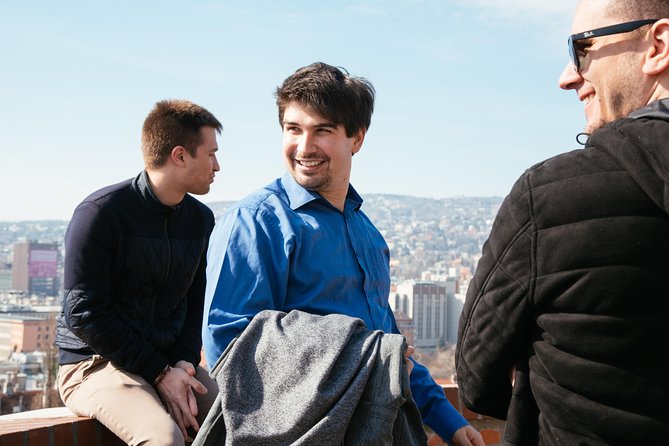
Budapest is split in two personalities: Buda feels more hill-and-view, while Pest is where you get the sweep of boulevards, squares, and civic life. This tour leans hard into the Pest side, and that choice matters. You don’t just pop into famous spots—you learn how the city’s power, politics, and pride show up in street corners, building styles, and public art.
The format is straightforward. You start in central Pest and spend about three hours moving on foot. Along the way, you hit several of the most recognized names on the map—Heroes’ Square, Andrássy Avenue, and St. Stephen’s Basilica—plus a couple of spots that feel like they belong on a local’s route. The guide is the engine here: they keep the history moving, so each stop has a point, not just a photo opportunity.
One reason this tour works so well is that it doesn’t try to do everything. It concentrates on key moments and key spaces. That makes it ideal if you’re short on time but want a real understanding of the city’s story.
You can also read our reviews of more tours and experiences in Budapest.



The Real Value: What You Get for About $59
At $58.94 per person for about three hours, the price isn’t just for walking and a stamp. You’re paying for an informed guide, and the inclusions help you avoid extra spending and hassle.
Here’s what makes the value practical:
- Guide-led time at multiple major sites (you’re not just buying access to a single attraction)
- Refreshments included, which is a big deal on afternoons when the sun can feel stubborn
- Metro tickets provided, so you can keep your momentum instead of switching into “figure out transit” mode
- No admission fees for the listed stops, which keeps the budget predictable
You’ll also be glad the group stays small. A 10-person cap means your guide can slow down when you’re curious, or speed up if you’re ready to move.
Meeting Point and Timing: Start at Central Pest
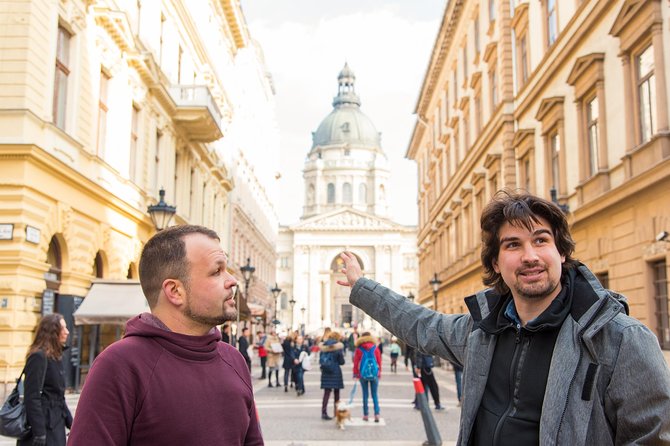
You begin at the Kempinski Hotel Corvinus Budapest, at Erzsébet tér 7–8 (near Elizabeth Square). The tour starts at 2:00 pm, and the route ends at St. Stephen’s Basilica (Szent István tér 1). In practice, it can also finish near another central Pest point close to where you started.
Why that matters: you won’t be left on the edge of the city with a long walk back. St. Stephen’s Basilica sits right in the middle of the action, so it’s easy to continue your day with food, shops, or another attraction.
Also, confirmation comes at booking, which helps if you like to lock plans early.
Stop 1: Elizabeth Square, from Old Market to Modern Noise
Elizabeth Square (Erzsébet tér) is where you get an immediate sense of Pest’s layers. This spot has been through roles—former market square, a former Stalin square and even a bus station—before becoming the kind of area where young people show up for social life.
What I’d pay attention to here:
- Statues and public art, because they tell you who the city wanted to honor at different times
- The square’s energy, which helps you understand why history in Budapest isn’t frozen in place
This is a great first stop because it sets the theme: the city changes its labels, politics, and uses, but the streets keep carrying the story forward.
Stop 2: St. Stephen’s Basilica and the Question of “Do We Go In?”
St. Stephen’s Basilica (Szent István Bazilika) is the big church everyone recognizes. It’s also the largest church in Budapest, and that scale tends to make people curious fast.
Here’s the practical part: if the group is interested, you enter. That means you should go in with a mindset of flexibility. If you want interior views, be ready for your guide to take a vote and go for it when the group is up for it.
Even if you don’t go in, the exterior presence is worth a stop. The guide’s job is to connect the basilica to national identity—Budapest treats religion and symbolism seriously, and you’ll see that in how the city frames its landmarks.



Stop 3: Heroes’ Square, Where Hungarian History Gets Monumental
Heroes’ Square is the kind of place that turns a walking tour into a mini orientation. It’s one of the main sights in Pest and a perfect spot for an introduction to more than 1,100 years of Hungarian history.
What makes this stop valuable isn’t just that it looks impressive. It’s that Heroes’ Square is designed to communicate. The figures, the layout, and the surrounding architecture push you to read the city as a timeline.
If you’re the type of traveler who likes to understand what you’re looking at, this is where you’ll feel the tour paying off. A good historian guide helps you see the square as a statement of identity, not just a photo backdrop.
Stop 4: Vajdahunyad Castle, Built to Look Medieval (On Purpose)
Vajdahunyad Castle is one of those places that can surprise you. It has a medieval-looking feel, but it was built in 1896, and that “built-in-the-past” angle is exactly the kind of detail that makes a historian-led tour worthwhile.
This stop is shorter—about 30 minutes—but it’s designed to leave you with a clear idea: Budapest likes to stage its history through architecture. You’ll walk through the why of the design and how the city used the past as a mirror for modern pride.
A quick note on this stop: because it’s on foot and focused, it’s best if you stay curious rather than trying to read everything at once. You’ll get more from listening to your guide explain the themes than from attempting to study every stone.
Stop 5: Andrássy Avenue, a UNESCO-Listed Stroll
Andrássy Avenue is the pride of Budapestians, and it has UNESCO World Heritage status since 2002. Even without the UNESCO label, you can feel the “main boulevard” identity in the way the buildings line up and the avenue shapes how people move through the city.
This part of the tour works well because it shifts from squares to the rhythm of streets. You get a sense of grandeur, but you also get to learn how the city planned and framed its public space.
If you like architecture or want your Budapest pictures to look like you planned them (even if you didn’t), this is the stop that helps. Just don’t expect your guide to turn it into a lecture marathon. The walking time here is about making the avenue meaningful.
Stop 6: Vorosmarty Square, Old-World Central Commerce
Vorosmarty Square (Vorosmarty ter) lands you back in the heart of Pest, with a focus on commerce and the feel of a central marketplace district. This is an iconic spot for a reason: it’s where the city’s everyday energy shows up alongside historic importance.
What makes it a good mid-to-late stop:
- It keeps the tour grounded in real city life
- It gives your brain a break from only monument-sized stops
- It’s a natural place to connect how power and people mix in the urban center
In a tour like this, the guide’s stories help you understand why “shopping streets” and “political spaces” aren’t separate in Budapest. They’re part of the same system of how the city presents itself.
Stop 7: Millennium Underground, Europe’s Oldest Subterranean Ride
The final major stop is Millennium Underground, described as the oldest underground on the European continent. This is a great closer because it turns history into something practical and modern-feeling at the same time.
Think about it this way: Budapest didn’t only build monuments. It also built infrastructure. That’s a different way to experience history, and it’s one that helps you read the city as forward-moving, not only as grand-and-still.
Even if you only get a quick look rather than a full ride, it still changes how you see the streets above. You’ll understand the connection between public transport and the city’s growth.
Your Guide Makes the Difference (and Names Matter)
One thing that stands out with this tour is how storytelling comes through, not just facts. Guides have a knack for turning place names and architecture into narratives you can remember.
You may hear guides you’ll recognize by name, such as:
- Steven the Tall, known for guiding people across the waterfront and downtown with clear historical connections
- Andrew, who kept a large area moving at an easy walking pace while explaining the region and cities
- Greg, who helped shape an afternoon in Pest with the kind of history that feels personal
Different guides, same core idea: history is explained through people, events, and the way the city chose to represent itself.
Pace and Comfort: What the 3 Hours Feels Like
This is a walking tour, and that’s the one thing you should plan around. It’s not described as effortless, and you may be on your feet for a while. On hot days, long distances can feel tougher than you expect, but the smaller group format can make pacing more comfortable.
Here’s how to prepare like a pro:
- Wear comfortable shoes you trust for several blocks
- Bring water and plan to slow down at the natural breaks your guide builds in
- If you want the basilica interior, keep an eye on the group mood and listen for when your guide asks
The good news: it’s designed to be an easy-to-follow route across central Pest. You’re not climbing hills or traveling far outside the core sights.
Who This Tour Is Best For
This tour is a smart fit if:
- You want a Pest-focused Budapest walking tour and don’t want to spend your time guessing what each place means
- You like history explained in human terms, not just dates
- You prefer small-group tours over big bus-style sightseeing
- You’re visiting as a couple, friends, or solo traveler and want a guided structure for the afternoon
It may be less ideal if you’re trying to minimize walking, or if you’re hoping for lots of seated time. The stops are frequent, and the value comes from moving between them while the stories connect.
Should You Book This Tour?
I’d book it if you want a guided, historian-style explanation of Pest without turning your day into a checklist. The biggest reason is value: you get a real guide, refreshments, metro tickets, and a route packed with major landmarks, all within about three hours.
I’d think twice if you’re sensitive to walking time or you’re traveling with mobility limits. The tour can include optional entry for St. Stephen’s Basilica, but you’ll still be out and moving through central squares and streets.
If you’re booking ahead, do it sooner rather than later. This tour is commonly reserved about a month out on average, and that’s usually a sign the timing works well for visitors.
In short: if your goal is to understand Pest, not just photograph it, this is the kind of tour that makes the city click.
FAQ
How long is the Pest side historical walking tour?
It runs for about 3 hours (approx.).
How much does it cost, and what’s included?
The price is $58.94 per person. The tour includes a guide, refreshments, and metro tickets.
Is the tour in English?
Yes, it’s offered in English.
What group size should I expect?
The tour is capped at a maximum of 10 travelers.
Where does the tour start and end?
It starts at Kempinski Hotel Corvinus Budapest (Erzsébet tér 7–8, 1051) and ends at St. Stephen’s Basilica (Szent István tér 1, 1051). It may end at another central point of Pest close to where you started.
Do I need to pay admission fees for the stops?
The listed stops are admission ticket free, and St. Stephen’s Basilica entry may be included only if the group is interested.