REVIEW · BUDAPEST
Escape Rooms by PanIQ Room in Budapest
Book on GetYourGuide →Operated by PÁNiQ SZOBA · Bookable on GetYourGuide
A ticking clock turns Budapest into a game. I love the puzzle focus and the real-life sets that make the stories feel tangible. One thing to plan for: clue help can feel a touch awkward if you’re not fluent, even though English is available.
You’ll pick your case from 13 different rooms, with themes that range from a jungle-style adventure to ancient artifacts, plus a Saw-themed option for people who want darker thrills. The game runs for 1 hour, and it’s set up as a team sprint where communication matters more than brute force.
You get a briefing, an on-site game master, and unlimited walkie-talky assistance during the game, which is great when time starts to get loud. You’ll also want to skip cameras and alcohol, wear comfortable clothes, and find the place by ringing the doorbell next to the entrance.
In This Review
- Key things to know before you go
- How the PÁNiQ SZOBA Escape Rooms Work in One Hour
- Choosing the Right Room: Jungle, Ancient Artifacts, and Saw-Style Thrills
- What the 1-Hour Game Feels Like Inside the Room
- Puzzles and Props That Feel Real, Not Decorative
- Team Tactics That Actually Work Under Pressure
- How Game Masters and Walkie-Talkies Keep You From Getting Stuck Forever
- Price and Value: Is About $20 per Person Fair?
- Where to Go in Budapest: The Doorbell Detail That Saves Time
- Who This Suits Best (and Who Might Want to Skip)
- Small Things to Do Before You Start
- Should You Book Escape Rooms by PanIQ Room in Budapest?
- FAQ
- How long is the escape room experience?
- How much does it cost per person?
- How many escape rooms can you choose from?
- Is there a game master, and do they help during the game?
- What languages are available during the experience?
- Are cameras allowed during the escape room?
- What should I bring with me?
- Is this suitable for children?
Key things to know before you go
- 13 room choices under one roof: pick the theme that matches your mood, from jungle puzzles to ancient artifacts and Saw-style suspense
- A 1-hour timed challenge: the pressure is part of the fun, so be ready to think fast as well as work together
- Unlimited walkie-talky hints: the game master can steer you without taking over
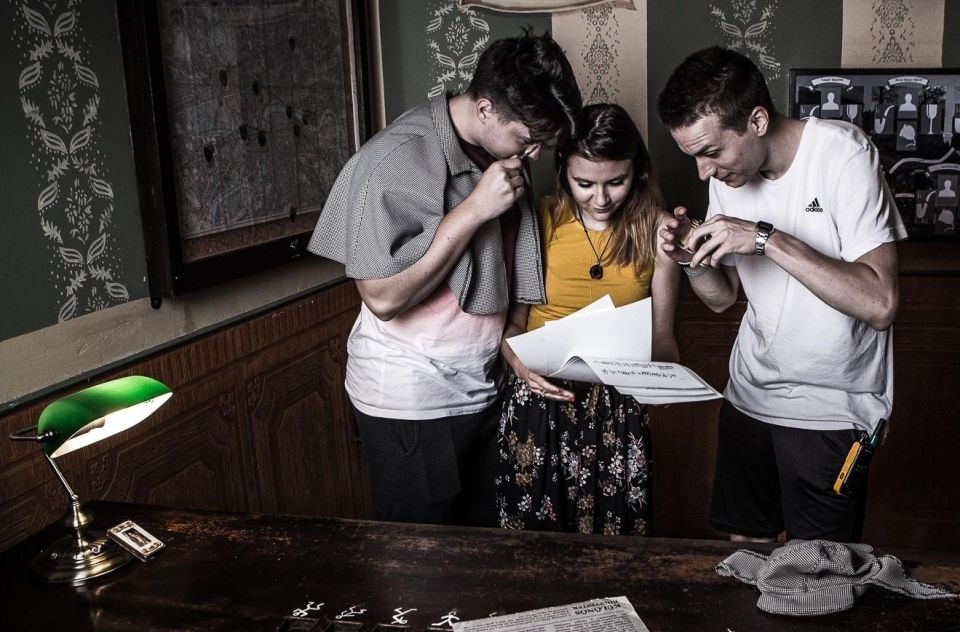
- A real staging with lots of hands-on props: codes, hidden objects, and physical puzzles keep you busy
- Language support exists, but hints may feel uneven: English works, yet some clue requests can still be slightly tricky
- Minor rough edges in specific mechanisms and décor: magnets can feel a bit fiddly, and set decoration can be lighter than you expect
How the PÁNiQ SZOBA Escape Rooms Work in One Hour
This is the kind of escape room where your best friend is teamwork, and your worst enemy is staring at one device for too long. After you arrive, you’ll get a briefing and the rules you need to play safely and fairly. Then you’re off to your chosen room with your group, and the one-hour clock starts doing its thing.
The experience is built around constant problem-solving: you’re looking for clues, trying combinations, spotting hidden objects, and making sense of the little details that the room is quietly handing you. It’s not just about solving one big puzzle. It’s about keeping momentum across several smaller steps so your group never loses the thread.
One of the smart design choices here is the presence of a dedicated game master who watches from behind the scenes. During the game you can request help using the walkie-talky system, with unlimited assistance available. That means you can take the occasional nudge without the whole adventure collapsing into frustration.
At the end, there’s a post-game photo opportunity. It’s a small thing, but it gives you a reason to slow down after the sprint and compare notes about how close you were when time ran tight.
You can also read our reviews of more tours and experiences in Budapest.



Choosing the Right Room: Jungle, Ancient Artifacts, and Saw-Style Thrills
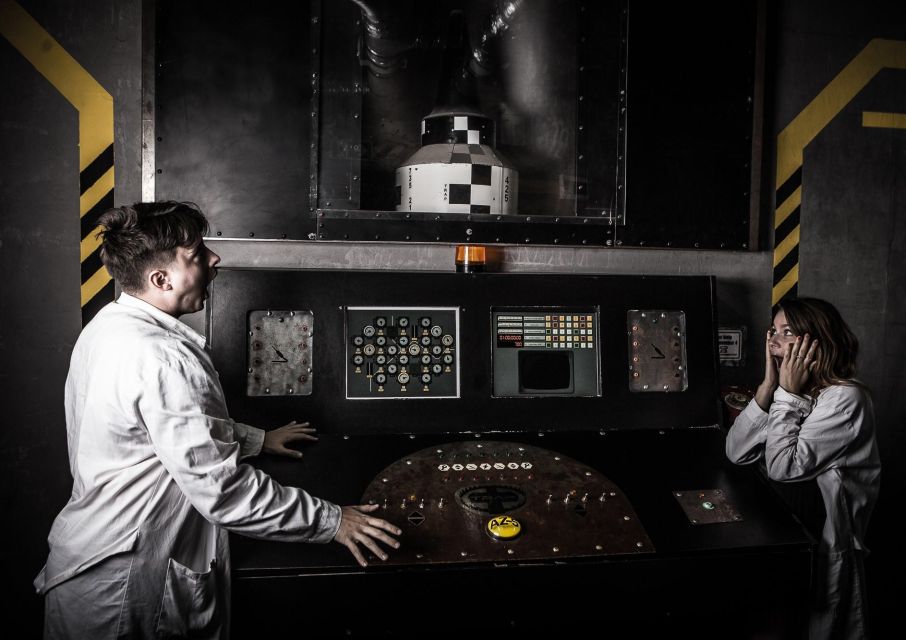
The venue gives you a menu of 13 themed rooms, so the real decision isn’t whether you’ll have fun—it’s what flavor of fun you want. Based on the room themes described, here’s how to think about choosing:
- Jungle-themed adventure: great if you like exploration vibes and puzzle paths that feel like you’re searching for something in a chaotic setting.
- Ancient artifacts mystery: a solid pick if you enjoy symbolism, history-flavored storytelling, and puzzles that feel like they belong to a “find the pattern” type of mystery.
- Saw-themed room: for people who want higher tension and darker thrill energy.
The practical tip: pick the room that matches your group’s tolerance for mood. If your group includes someone who gets stressed by intense horror-style themes, steer toward the adventure or artifacts options. The timed format plus a high-tension theme can make the experience feel more intense than the puzzles alone.
If you’re an escape-room regular, you can also use the theme choice to balance your strengths. For example, if you’re good at spotting visual patterns, artifacts-style stories may click fast. If your group thrives on “search mode,” jungle-style rooms can be more fun because everyone gets a role hunting for clues.
What the 1-Hour Game Feels Like Inside the Room
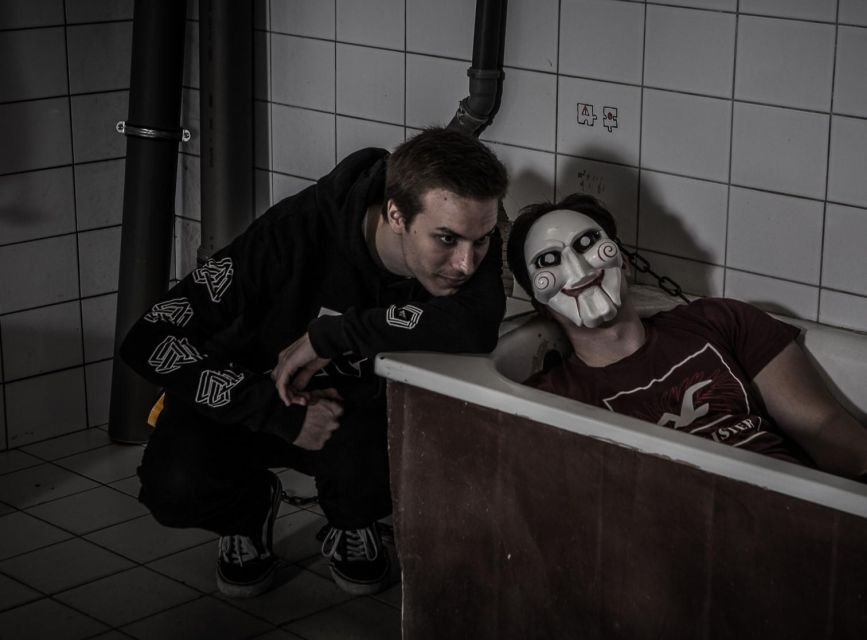
The experience is designed like a structured scramble. You’ll start with briefing and rules, then you’ll work through puzzles and clues in your room until you reach the exit outcome.
Inside, expect a mix of:
- Codes and combination logic
- Hidden objects
- Physical, hands-on puzzle elements (the room is built to be interacted with)
- A steady flow of hints if your group hits a wall
Because the duration is only 1 hour, the pacing matters. If your group gets stuck early, the game can feel like it keeps stacking pressure. That’s exactly where the unlimited walkie-talky support becomes valuable. You don’t have to be perfect. You just need to keep moving.
For you, that usually translates into one good strategy: set up your roles before you start solving. If everyone waits for one person to interpret clues, you lose minutes. If you spread tasks—one person reads details out loud, another tries components, another watches time and runs the next idea—you improve your chances without turning it into chaos.
Puzzles and Props That Feel Real, Not Decorative
I like escape rooms where the room earns your attention. Here, the experience is described as having intricate details and realistic sets with props that transport you into the story. That’s important because the best puzzles don’t feel random. They feel like they belong to the environment.
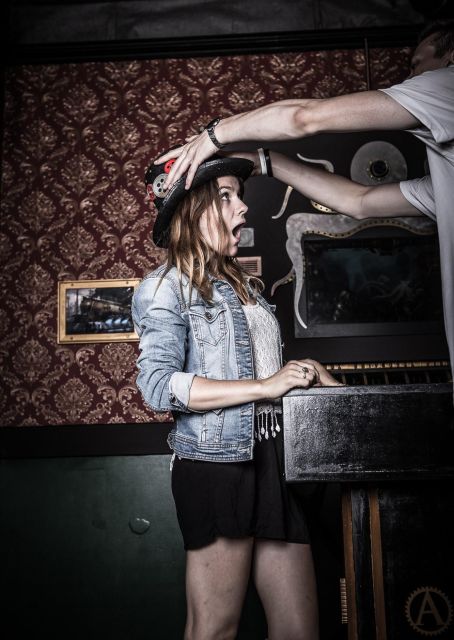
What you can expect is a hands-on mix: you’ll be manipulating puzzle elements, searching for hidden items, and solving multi-step clue chains. When a room is staged well, those actions feel connected. When it’s staged lightly, you may notice the difference.
That’s where a bit of balance comes in. One feedback note points out that décor can feel a little lacking in some spots. Another comment mentions magnet functions feeling a bit clunky. Neither of these means the room won’t be fun—it just helps you set expectations.
My practical take: treat the room like a puzzle machine first, art project second. If you’re expecting a lot of styling flourishes, you might feel slightly underfed. But if you came for clever puzzles and the satisfaction of team problem-solving, you’ll likely be in your element.
Team Tactics That Actually Work Under Pressure
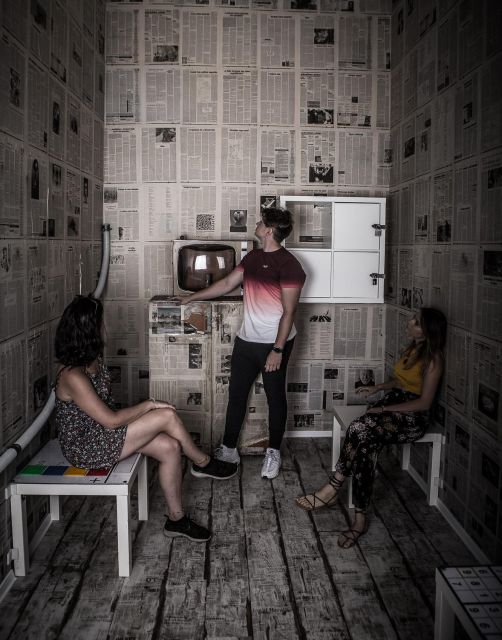
This is a team game, not a group chat. The rules and structure push you toward communication, and the clock makes it urgent.
Here are tactics I’d use (and I recommend you use) in any timed escape room setup like this:
- Make a fast plan in the first 5 minutes: decide who checks for hidden items, who tries mechanical components, and who reads clues aloud and tracks what you’ve already tried.
- Call out what you see, not what you think: instead of debating interpretations, describe the exact clue details. Then you can vote on the meaning.
- Try one guess, then rotate: if a combination attempt fails, don’t keep grinding the same idea. Move to the next puzzle and bring the failed guess as a data point.
- Use the walkie-talky system strategically: ask for a clue when you’re stuck too long, not when you’re still making progress.
The most common reason groups miss solutions isn’t that they can’t think—it’s that they’re trying too many things at once without coordination. Even a calm group can lose the plot when everyone is sprinting mentally.
Also, don’t ignore the little “team roles” factor. If your group includes someone who gets anxious under pressure, give them an easier task that still matters—spotting hidden objects, reading clue text, or keeping track of options. You’ll help the group move without letting stress hijack the room.



How Game Masters and Walkie-Talkies Keep You From Getting Stuck Forever
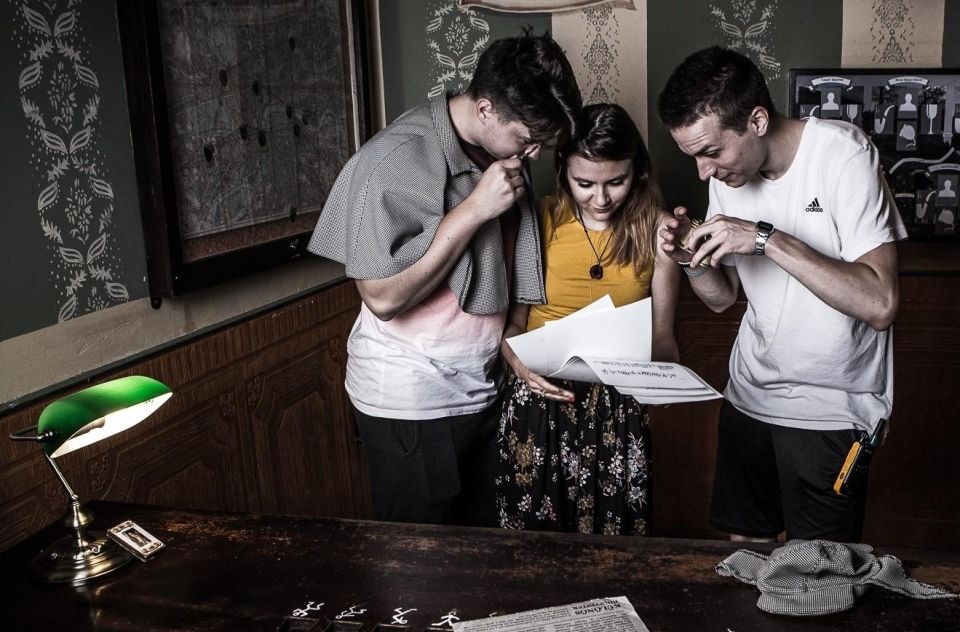
A standout part of this experience is the support system. You’ll have expert guidance from a game master, and the assistance is available throughout the game through unlimited walkie-talkies.
This matters because escape rooms can get frustrating when you’re truly stuck. Here, you’re not left alone with a locked box and a sinking feeling. Instead, you can request help and keep the adventure going.
What to expect from that help, realistically:
- It should steer you back toward the right direction.
- It should help your group get unstuck rather than doing the job for you.
- It’s there so you can still finish with a sense of accomplishment.
There’s one nuance from feedback: clue requests can have a slight language barrier feeling. The good news is that English is listed as a supported language. The practical takeaway is simple: keep your clue questions short and clear, and confirm what you mean before you ask for the next hint. If everyone speaks calmly, your chance of getting effective guidance goes up fast.
Price and Value: Is About $20 per Person Fair?
At about $20 per person for a 1-hour experience, the value comes from what’s included in that price—not just the game time.
You get:
- Entry to the chosen escape room
- A 1-hour immersive game experience (timed adventure)
- A game briefing and rules
- Expert guidance from a dedicated game master
- Unlimited walkie-talky assistance during the game
- Access to clues and puzzles
- A post-game photo opportunity
For you, that combination is the real deal. You’re paying for a structured activity where the venue provides the setting, the puzzle design, the pacing, and the safety net of game master support.
It’s also a pretty friendly option for groups. Because you’re sharing the challenge, you get more “time together” than many other evening activities where people drift off to separate interests.
If you’re on a trip with a packed schedule, a 1-hour timed format is useful too. It’s long enough to feel like an adventure, short enough that it doesn’t swallow your entire evening.
Where to Go in Budapest: The Doorbell Detail That Saves Time
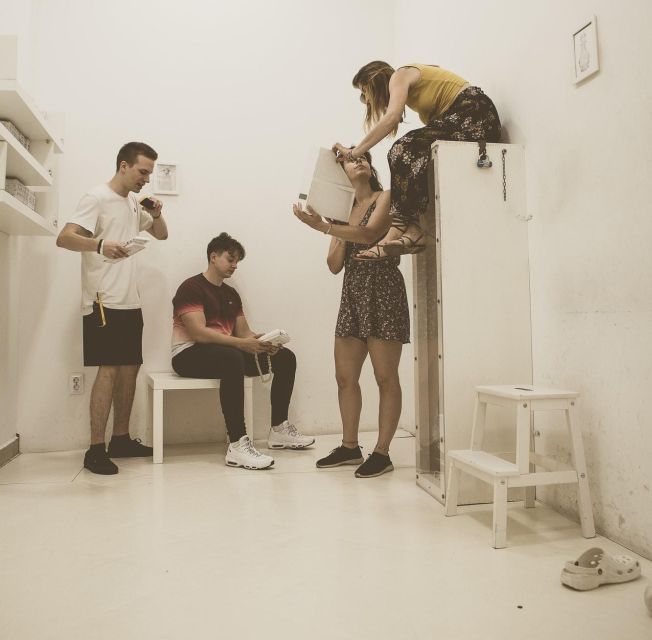
Getting to the right place is easier when you know what to do on arrival. Your meeting point is specific: ring the doorbell next to the entrance.
That single detail can save you 10 minutes of wandering and guessing. When you’re in a foreign city, 10 minutes feels like 30, and escape rooms reward punctuality because the clock is part of the experience.
A couple other practical notes that help your day:
- Wear comfortable clothes so you can kneel, lean, and handle puzzle elements.
- Leave cameras behind because cameras aren’t allowed.
- Skip alcohol and drugs since they aren’t allowed.
Also, one note you’ll appreciate: location is described as easy to find, which matters if you’re already juggling transit and a hungry stomach.
Who This Suits Best (and Who Might Want to Skip)
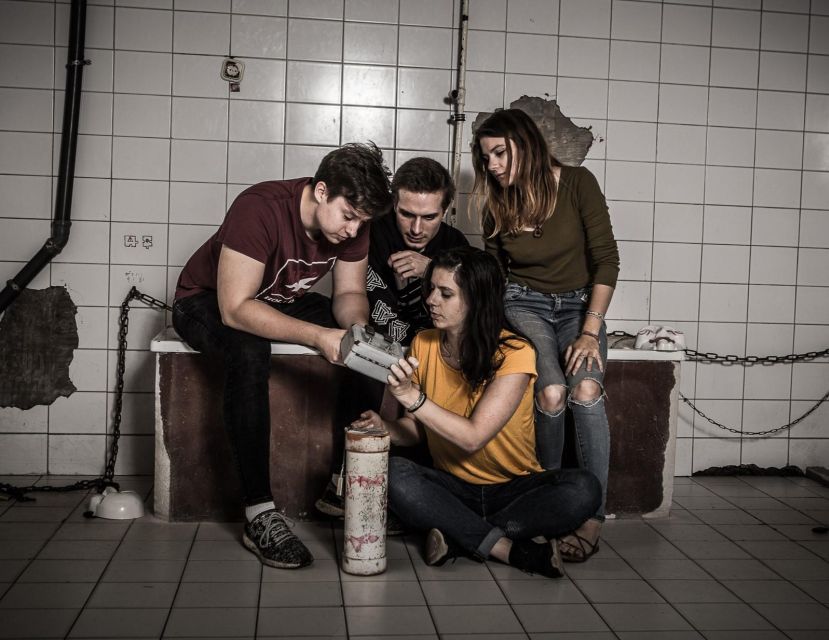
This is best for groups who enjoy puzzles and want a shared challenge. The experience is team-based, so if you’re traveling with friends or family, you’ll likely get more out of it than if you’re hoping for a quiet solo activity.
It’s also a good pick if you like themed storytelling. With 13 room choices, you can match the mood to your group’s preferences—adventure, mystery, or Saw-style tension.
On the other hand, it’s not suitable for children under 12. If you’re traveling with kids, check your group age range carefully.
Finally, consider your comfort level with horror-adjacent themes. The Saw-themed option is described as spine-tingling thrill, so it’s not just a casual theme for everyone.
Small Things to Do Before You Start
You don’t need much, but these details make the difference between a fun night and a mild annoyance.
- Comfortable clothes: you’ll want freedom of movement.
- No cameras: plan on enjoying the moment rather than filming it.
- Be ready to communicate: puzzles move faster when someone can read clue text clearly and explain ideas out loud.
- Arrive with a reservation: reservations are recommended so you don’t show up hoping you’ll fit last minute.
One last tip: if your group plans to rely heavily on hints, don’t treat it like a failure. Using the walkie-talky system is part of the design. The goal is finishing with teamwork and satisfaction, not suffering silently for an hour.
Should You Book Escape Rooms by PanIQ Room in Budapest?
If you want a fun evening that mixes brainwork, teamwork, and a story you can physically engage with, I think you should book it. The strongest reasons are the puzzle-heavy rooms, the realistic set-and-prop approach, and the safety net of unlimited walkie-talky guidance.
Book it especially if:
- You like timed challenges and enjoy the energy of a countdown
- Your group communicates well and wants a shared activity
- You’re curious about themed rooms, including jungle, ancient artifact mystery, and Saw-style suspense
You might skip (or choose a different theme) if:
- You’re sensitive to darker thrill content
- You’re expecting lots of high-end décor as the main attraction
- Your group hates mechanical “fiddly bits,” since some magnet-based elements may feel rough
With an overall rating around 4.1 from 16 bookings, the trend is clearly positive: people tend to like the puzzles, the room quality, and the simple logistics of finding the venue. And for about $20 per person, the included game master support is a big part of why this feels like decent value.
FAQ
How long is the escape room experience?
It lasts 1 hour.
How much does it cost per person?
It’s about $20 per person.
How many escape rooms can you choose from?
There are 13 rooms to choose from.
Is there a game master, and do they help during the game?
Yes. You’ll get a game briefing and expert guidance, and you can use unlimited walkie-talky assistance during the game.
What languages are available during the experience?
The instructor/game master speaks Hungarian and English.
Are cameras allowed during the escape room?
No, cameras are not allowed.
What should I bring with me?
Bring comfortable clothes.
Is this suitable for children?
It is not suitable for children under 12.