REVIEW · SZENTENDRE
Hungary: Szentendre Retro Design Center Entry Ticket
Book on GetYourGuide →Operated by Retro Design Center · Bookable on GetYourGuide
Szentendre’s Retro Design Center turns nostalgia into something you can walk through. You get a friendly welcome from a 70s-style hippie girl, and the whole place is set up for close-up looking and easy photos.
The biggest things I like are the photo-friendly car collection (think Ikarus bus, Trabant, and even a pink Cabriolet Wartburg) and the attention to everyday life—Polish Market Diorama, retro toys, and a furnished apartment-style scene. One drawback to plan around: the guided part runs only in the morning, even if the museum stays open later, so timing from Budapest matters.
In This Review
- Key highlights you won’t want to miss
- Szentendre’s Retro Design Center: what you really get in one hour
- Getting there from Budapest: plan your day trip time
- Arrival experience: the hippie welcome and the English greeter
- The star room: iconic cars you can photograph up close
- Beyond cars: communist-era gadgets and home life on display
- The Polish Market Diorama: a small scene that explains more than it seems
- 70s apartment setting: living room and kitchen clues
- The written guide and language options: use them to get more out of less time
- Morning guided tour timing: don’t let this catch you
- How long it takes: 1 hour to see the core, sometimes 1.5
- Price and value: why about $11 makes sense here
- Who should book this ticket (and who might skip)
- Should you book the Szentendre Retro Design Center ticket?
- FAQ
- How long is the entry ticket experience?
- What is the price per person?
- Where is the Retro Design Center located?
- Are the exhibits self-guided or guided?
- What languages are available for the written text guide?
- Is there an English greeter or host?
- What’s included in the ticket price?
- Is parking included?
- Is cancellation free if plans change?
Key highlights you won’t want to miss
- Hippie-girl arrival greeting that sets the tone immediately
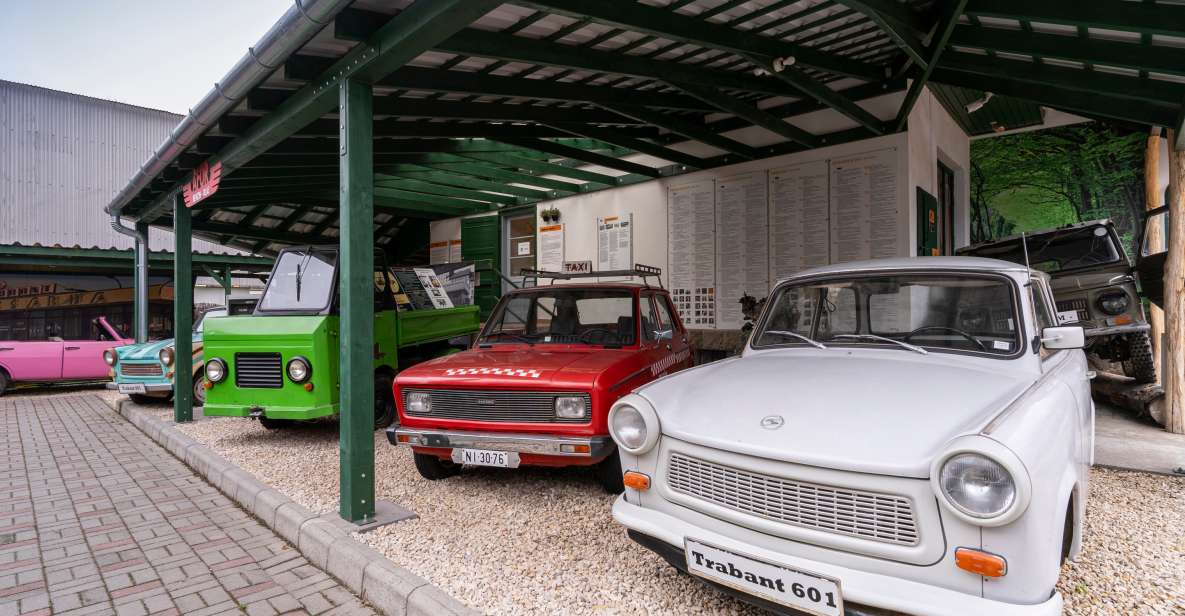
- Ikarus bus + 30 vintage cars you can get close to for photos
- Polish Market diorama and a camping-style scene for storytelling
- Communist-era toys and household appliances (with TVs, radios, and more)
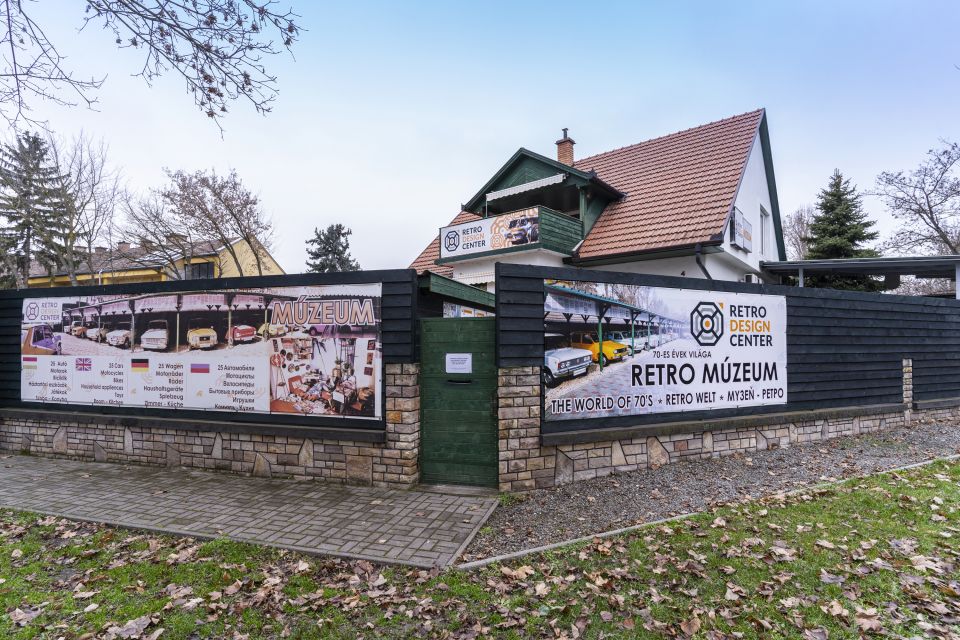
- 70s LPs on the walls plus text guides in English, German, and Russian
- A furnished 70s apartment with living room and kitchen details
Szentendre’s Retro Design Center: what you really get in one hour
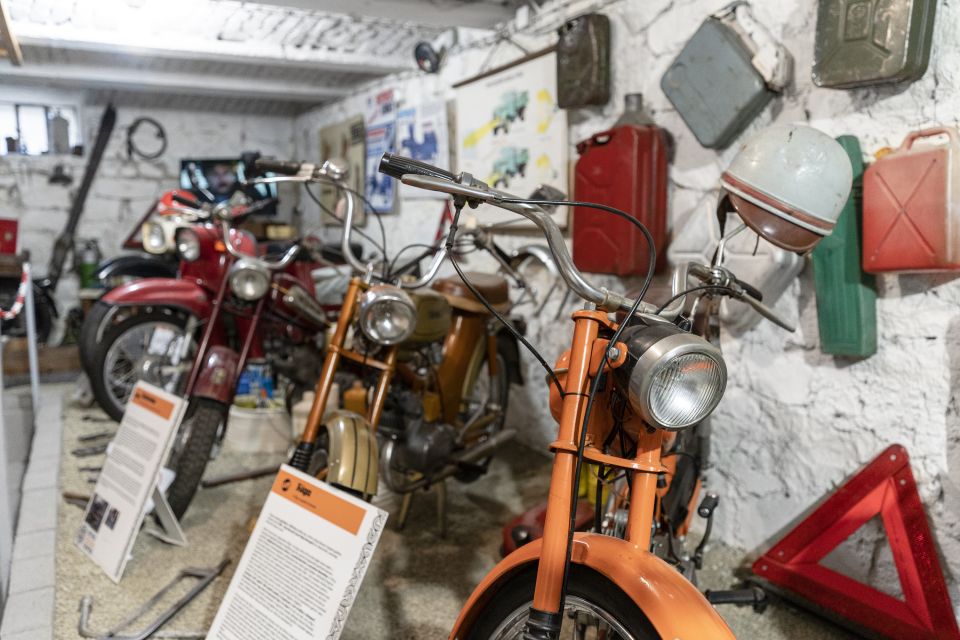
This entry ticket is built for a quick time-travel fix: about 1 hour to see the main exhibits without feeling rushed. And honestly, that short time limit is part of the charm. You’re not committing to a half-day museum marathon—you’re getting a focused snapshot of 1970s Eastern Europe.
What makes it work for you is the mix of eye candy and plain-life details. The cars pull you in fast, but the toys, radios, televisions, and apartment scenes are what keep you looking after the first photos.
You can also read our reviews of more tours and experiences in Szentendre.



Getting there from Budapest: plan your day trip time
This museum isn’t in central Budapest. It’s in Szentendre, a smaller town outside the capital, so you should treat it like a day trip. If you’re basing yourself in Budapest, give yourself enough travel buffer that you don’t feel stressed about the visit length.
The upside is that Szentendre is a nice place to tack onto your itinerary. You can make the day feel balanced: a morning museum visit paired with time to wander the town afterward. Just don’t plan it like a quick stop between other major sights.
Arrival experience: the hippie welcome and the English greeter
The first moment is surprisingly important. You’ll be greeted by a friendly hippie girl as you arrive, and that sets the vibe right away—less like a typical museum line, more like stepping into a show from the 70s.
You’ll also have an English host/greeter, which helps if you want to ask simple questions on arrival. Even if you’re mostly there for the displays, it’s a nice touch that makes the place feel welcoming rather than stiff.
The star room: iconic cars you can photograph up close
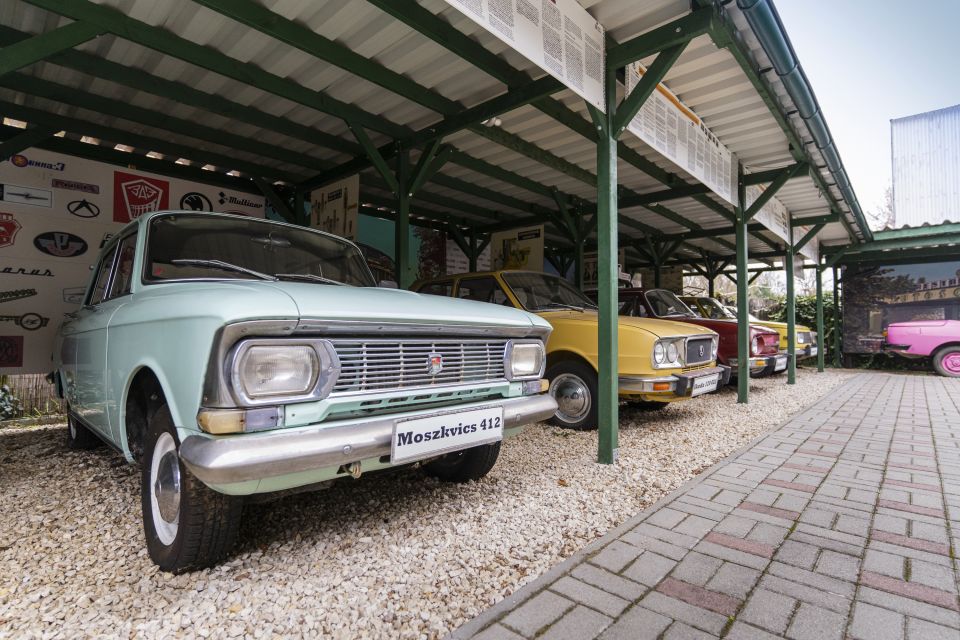
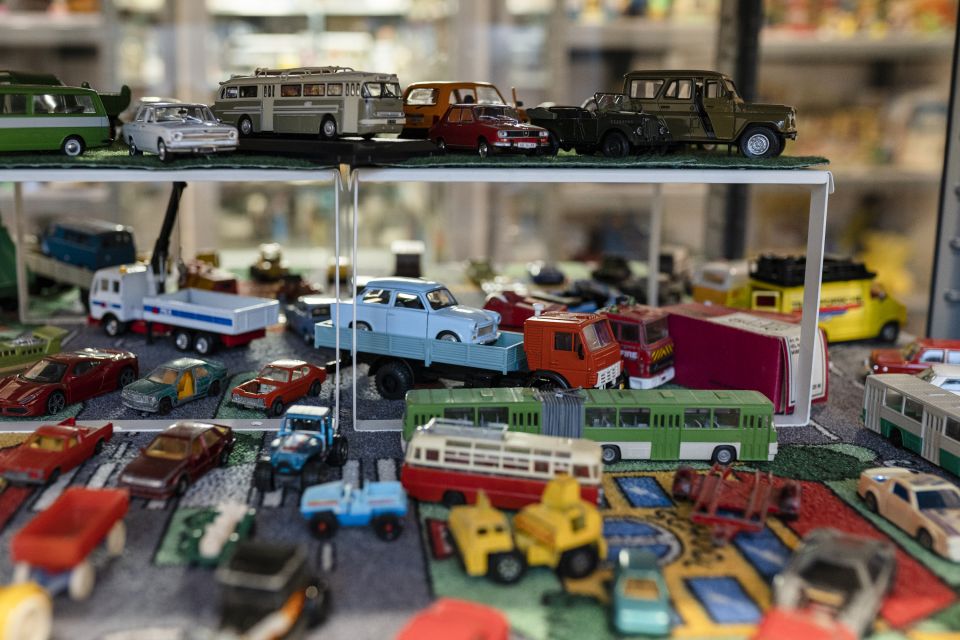
The heart of the Retro Design Center experience is its vintage vehicle collection: around 30 cars on display. This is where the ticket becomes worth it fast, because you can physically see the shapes and colors you only remember from old photos and stories.
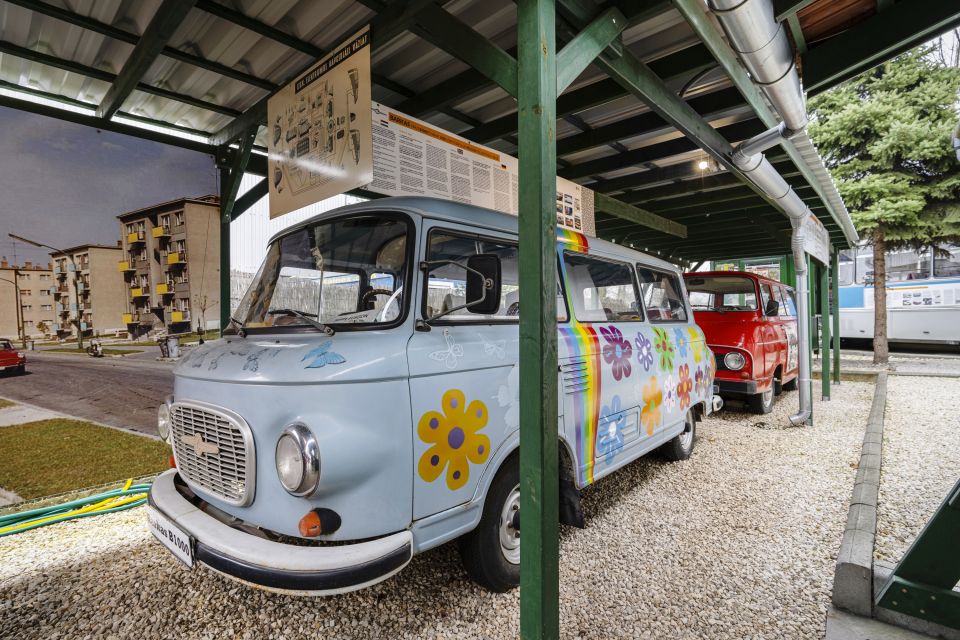
You can expect a strong set of famous names, including the Ikarus bus, a Trabant, and the quirky pink Cabriolet Wartburg. There’s also mention of cars like Moskvitch and Zhighuli, plus other period vehicles such as a Barkas Furgon van.
A practical tip: bring your phone camera ready and take your time with angles. Since the cars are a central attraction, you’ll get the best photos when you slow down for a few minutes per vehicle instead of shooting everything in a blur.
Beyond cars: communist-era gadgets and home life on display
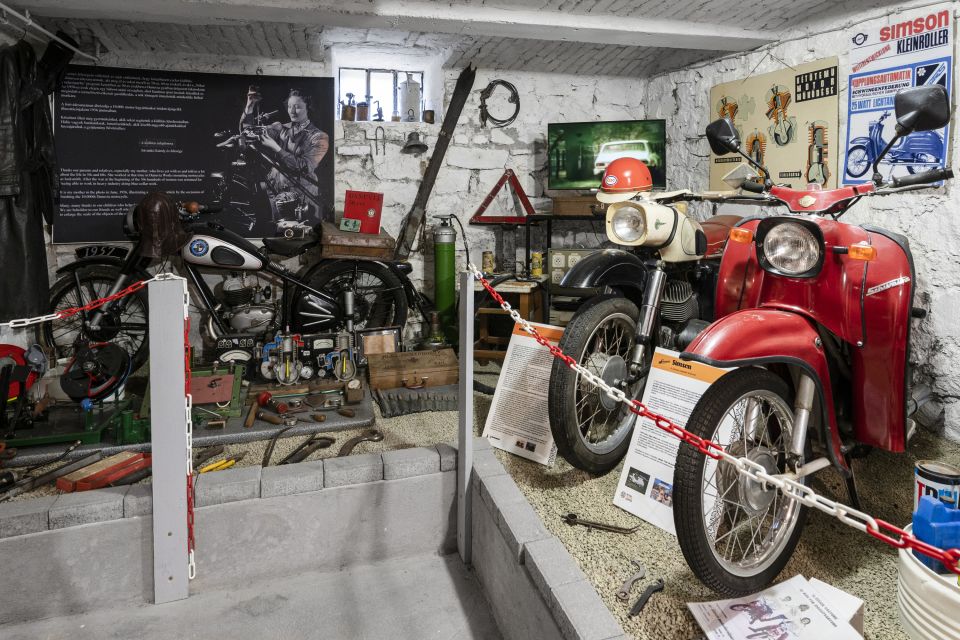
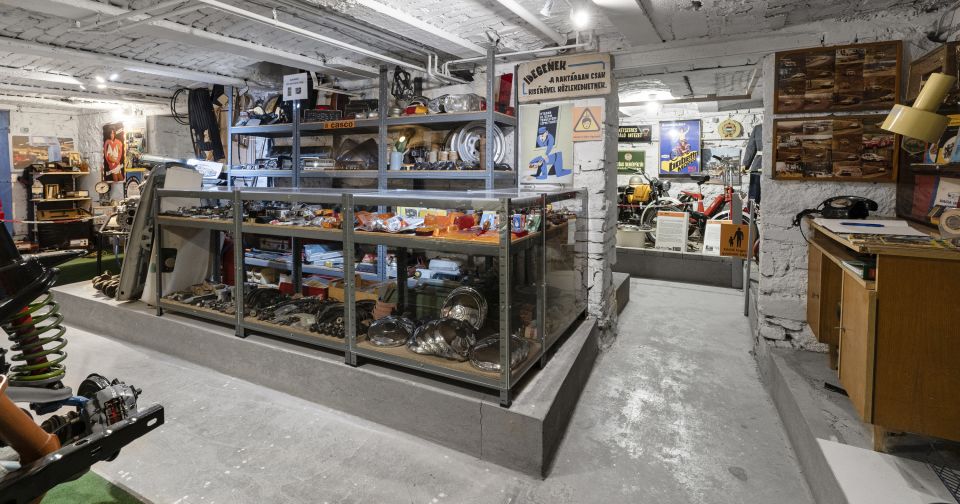
Cars are the headline, but the museum’s quieter displays tell you what the era felt like day to day. You’ll see communist-era toys and household appliances, plus electronics such as television sets and radios.
One of the best parts of this section is that it’s not just about objects—it’s about the vibe of everyday spaces. You’ll notice the period styling in the way items are arranged and the way the exhibits help you connect the dots between technology, leisure, and home routines.
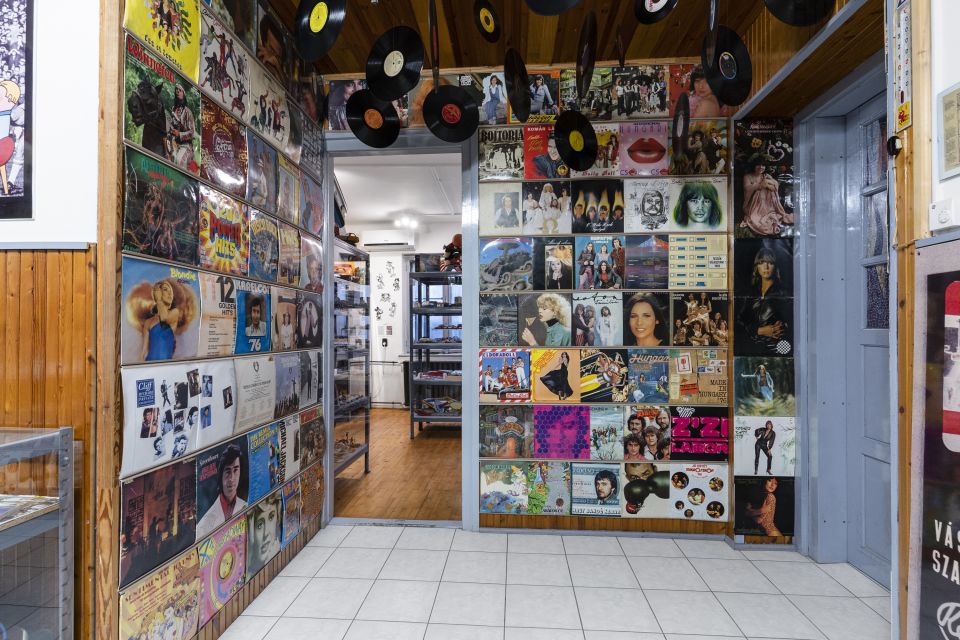
There’s also a lot of audio-visual nostalgia built into the wall displays—especially 70s LPs covering the walls. It’s a small detail, but it makes the museum feel like a lived-in memory rather than a storage room of artifacts.



The Polish Market Diorama: a small scene that explains more than it seems
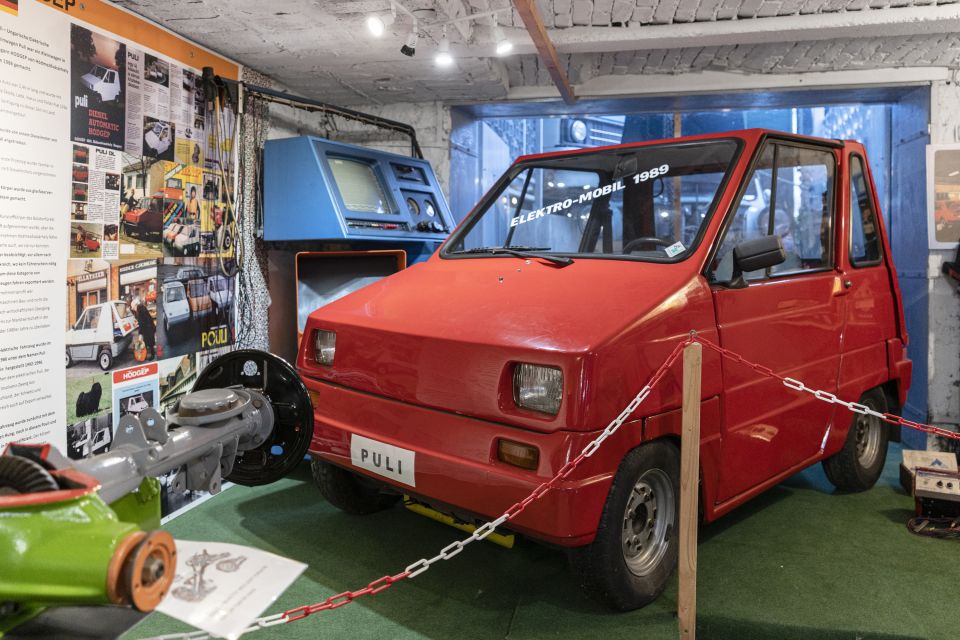
The Polish Market Diorama is one of those stops that looks simple until you start noticing the effort in the setup. You’re seeing a snapshot of how people might have experienced shopping, outdoorsy life, and community interactions in a specific era.
Alongside that, you’ll also find scenes like a camping-style display. These mini-worlds help you move beyond “cool objects” into “what life might have felt like.” They’re also a good break from looking at vehicles and machines.
As you walk through, use the text guides. The written info is available in English, German, and Russian, so even if you don’t read every line, you’ll get context in the language you prefer.
70s apartment setting: living room and kitchen clues
One of my favorite types of museum spaces is the one that recreates an environment instead of listing items. Here, you’ll find a furnished 70s apartment with a living room and kitchen.
This is where you can slow down and look for the small “everyday tells.” The arrangement of furniture and the way kitchen and living spaces are presented helps you understand the period feel without requiring a long explanation.
If you like museums that reward careful looking—rather than only reading big panels—you’ll likely enjoy this section. It also makes the visit feel more human, even though the objects are old.
The written guide and language options: use them to get more out of less time
You won’t need a headset or a complex tour structure to benefit here. The museum uses written text guides in English, German, and Russian, so you can pick the language that matches how you think.
That flexibility matters when you have only about an hour. You can scan key sections, focus on the objects that catch your interest, and still feel like you understood the theme of each room.
If you’re short on time, aim for a quick “route first, read second” approach. Get your bearings in each room, then stop to read the labels that connect the exhibits into a story.
Morning guided tour timing: don’t let this catch you
Here’s the scheduling detail that can change your experience: the guided tour part is only in the morning, even though the museum stays open until the afternoon. If you’re arriving later in the day, you may end up with less of the guided explanation and more self-guided exploring.
So if you want the extra structure and someone pointing out what matters, plan your timing accordingly. If you’re coming for cars, photos, and the object displays, late arrival can still work—you’ll still get a lot—but you should be realistic about the experience you’re optimizing for.
How long it takes: 1 hour to see the core, sometimes 1.5
The ticket duration is 1 hour, and that’s a solid target for the main galleries. Some people find they naturally stretch closer to 1 to 1.5 hours, especially if you linger with photos or stop to read more than just the shortest labels.
To match your pace, decide what matters most before you enter:
- If you care most about the cars, you’ll probably move faster through the electronic and toy areas.
- If you care most about life details, you’ll spend more time with the diorama and the apartment setting.
Either way, the museum’s size supports a focused visit. You won’t feel like you’re chasing an endless circuit.
Price and value: why about $11 makes sense here
At around $11 per person, the value comes from how much you can see and photograph in a short window. You’re paying for a concentrated mix: iconic vehicles, period home life objects, and themed scenes like the Polish Market diorama.
This is the kind of place where “cheap” only works if you don’t feel underwhelmed by the space. Here, the exhibits are spread across roughly 1,000 square meters, and the collection density is noticeable—cars are plentiful, and the other rooms don’t feel like afterthoughts.
Also, the experience is easy to fit into a day trip. That saves you from the “I spent half a day commuting for one thing” feeling.
Who should book this ticket (and who might skip)
You should book if you enjoy 1970s and 1980s aesthetics, even if your interest is casual. The objects are fun in a hands-on way: cars you can photograph, toys and appliances that look strikingly different from today, and scenes that make the era feel specific.
You’ll also enjoy it if you like museums that teach through environment and display design, not just through long lectures. The combination of cars + home-life artifacts is a good mix for couples, families, and anyone who likes a short, structured cultural stop.
You might skip—or at least plan carefully—if you mainly want a long, deeply guided history session. The guided portion is morning-focused, and the visit is intentionally short. If you prefer multi-hour museums with heavy explanation, this will feel more like a strong sampler.
Should you book the Szentendre Retro Design Center ticket?
If you’re taking a day trip to Szentendre anyway, I’d say book. This ticket gives you a concentrated look at Eastern European life in the 70s through objects you can clearly see and photograph, plus themed scenes like the Polish Market diorama and the furnished apartment.
Just match your expectations to the timing: aim for the morning if you want the guided tour component, and build in travel time from Budapest. If you do that, you’ll walk away with a lot more than nostalgia—you’ll have a vivid sense of what everyday gear, toys, and vehicles looked like when they were actually new.
FAQ
How long is the entry ticket experience?
The experience is listed as 1 hour. It may run longer depending on how long you stop for photos and reading, but the ticket is designed around that one-hour visit.
What is the price per person?
The price is $11 per person.
Where is the Retro Design Center located?
It’s located in Szentendre, in Central Hungary, outside of Budapest.
Are the exhibits self-guided or guided?
There is a guided tour in the morning, while the museum remains open later. The exact mix of guided versus self-guided time depends on when you arrive.
What languages are available for the written text guide?
The written text guide is available in English, German, and Russian.
Is there an English greeter or host?
Yes. The host/greeter is listed as English.
What’s included in the ticket price?
The ticket includes admission.
Is parking included?
No. Parking is not included.
Is cancellation free if plans change?
Yes. Free cancellation is available up to 24 hours in advance for a full refund.